Overall impression: Reviews portray Edgewood Missoula Memory Care as a small, home-like memory care residence with a consistently strong emphasis on compassionate, personalized caregiving. Most comments describe staff who develop family-like relationships with residents, provide attentive 24/7 clinical support, and maintain open lines of communication with families. The facility's size and atmosphere are repeatedly framed as welcoming and supportive, and visitation (including pet visits) is described as encouraged.
Care and staff: The dominant theme is attentiveness and compassion from nursing and caregiver teams. Families describe caregivers knowing residents by name, engaging with them socially, and maintaining ongoing relationships. Nursing staff and specific caregivers were singled out for responsiveness and effective communication with families. The overall tone about direct care is positive, with staff continuity and a culture of dignity and respect noted frequently.
Dining and activities: Meals are consistently described as well prepared and nutritious, with some reviewers singling out the kitchen staff for quality and accommodation. The activity program appears broad and active for memory-care residents — planned social events, outings, musical and craft activities, games (including bingo and poker), and volunteer/animal visits are mentioned. Reviewers also highlighted the facility’s pandemic response as effective and thoughtfully managed.
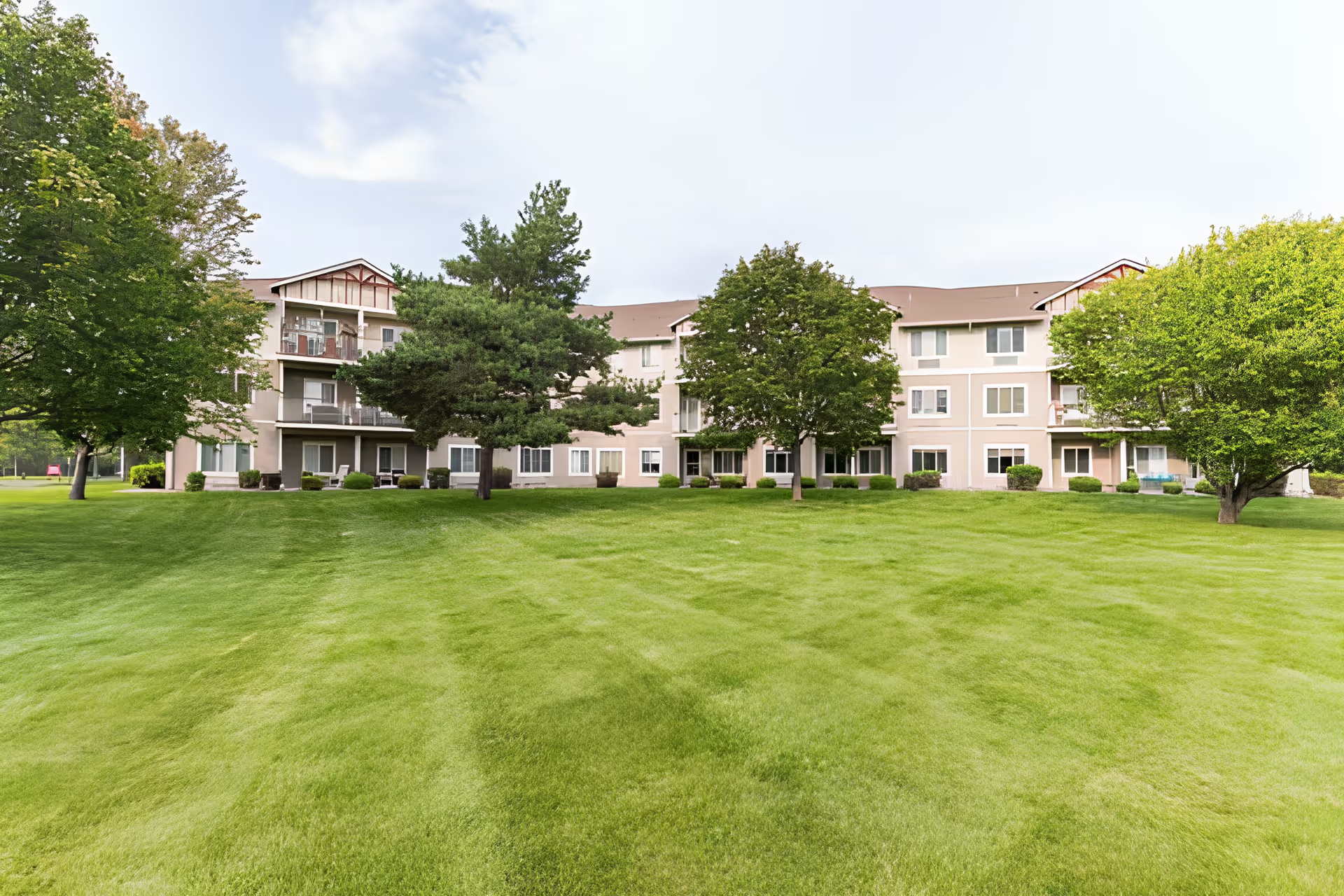
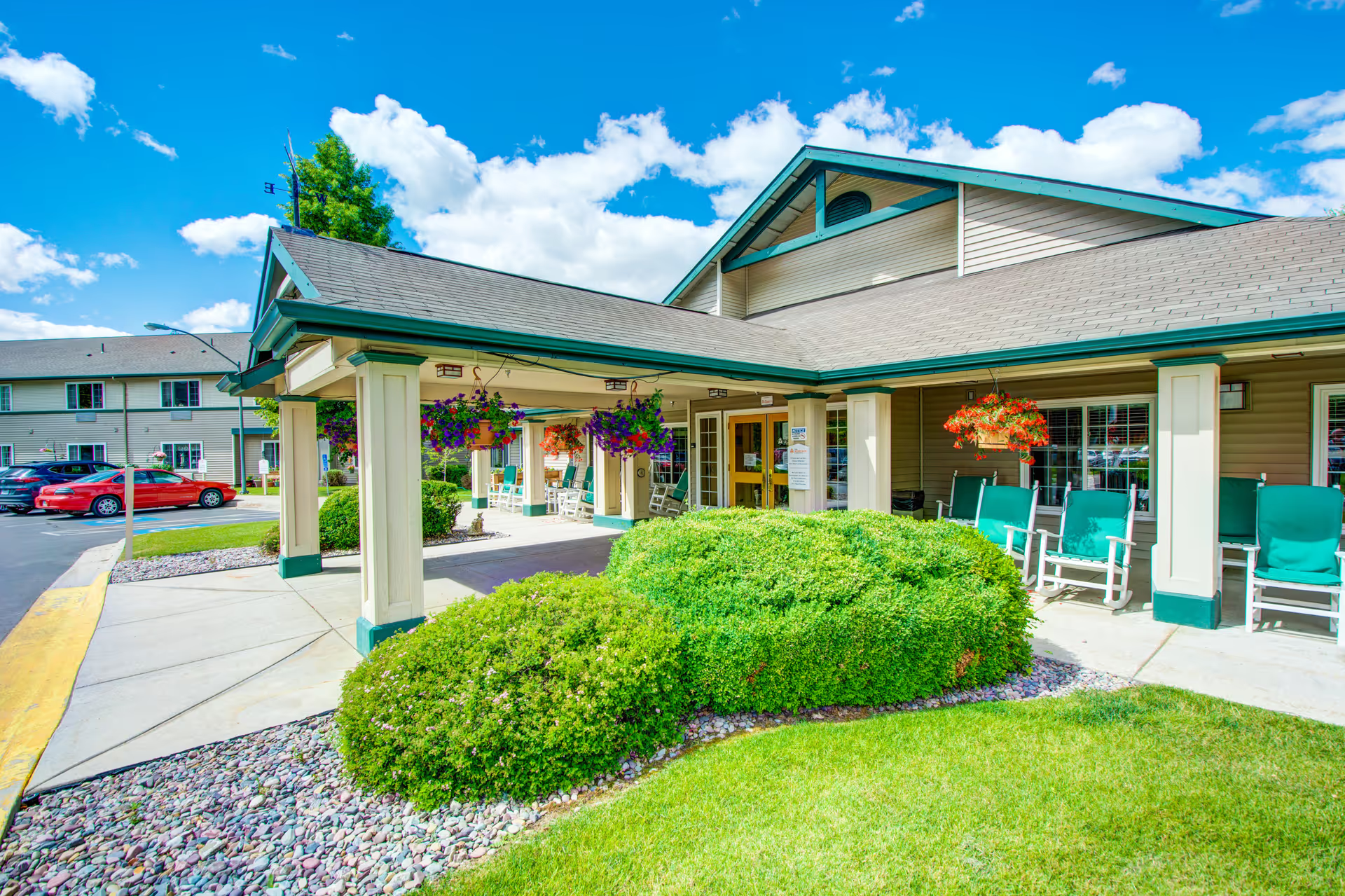
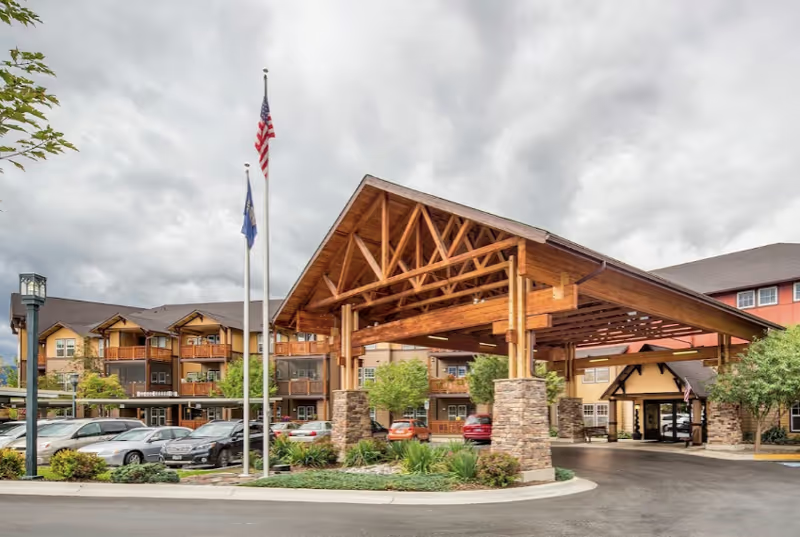
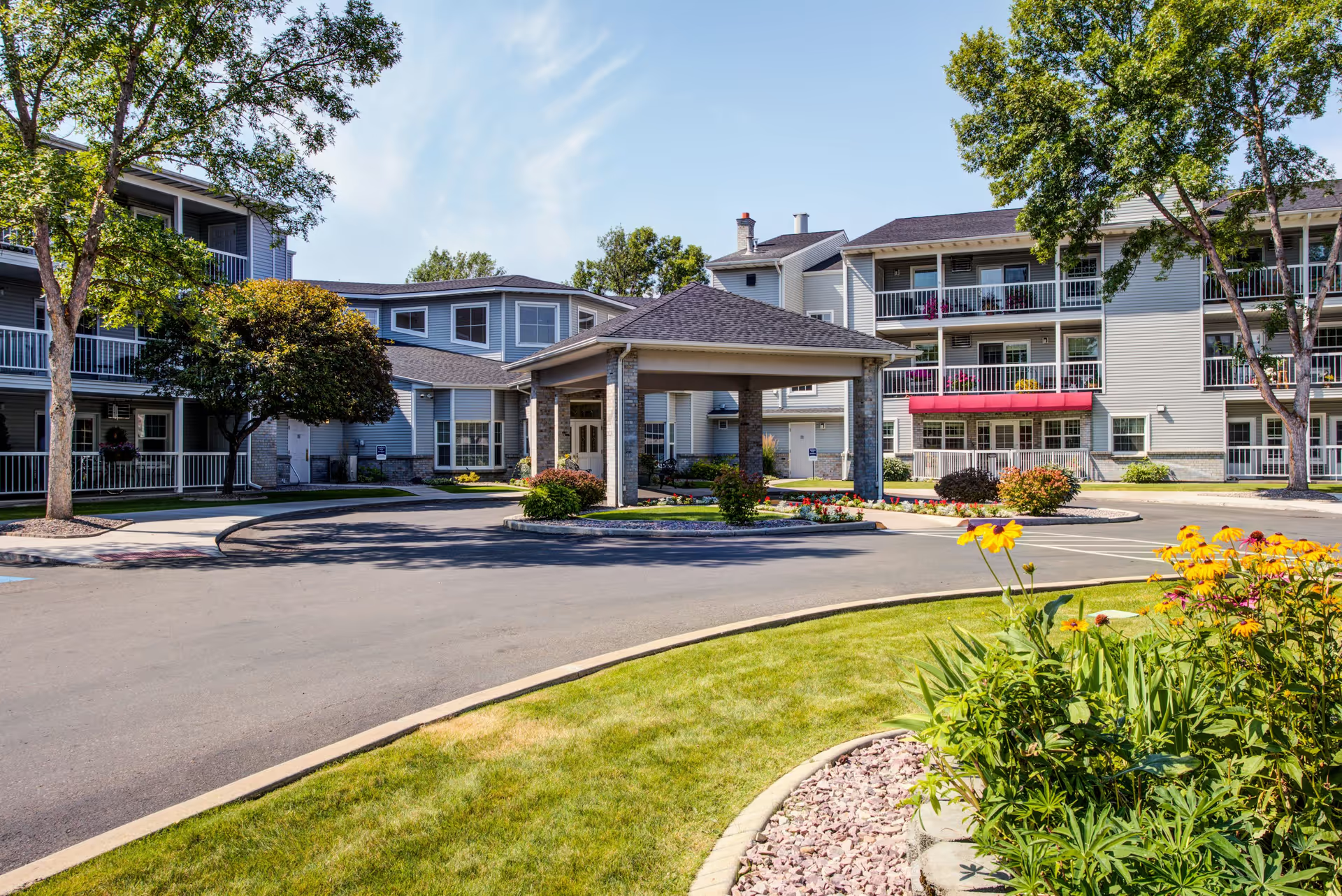
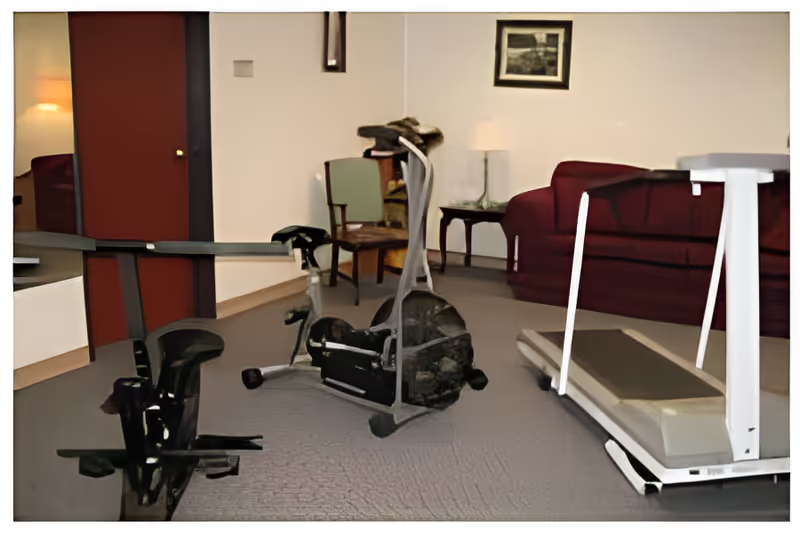
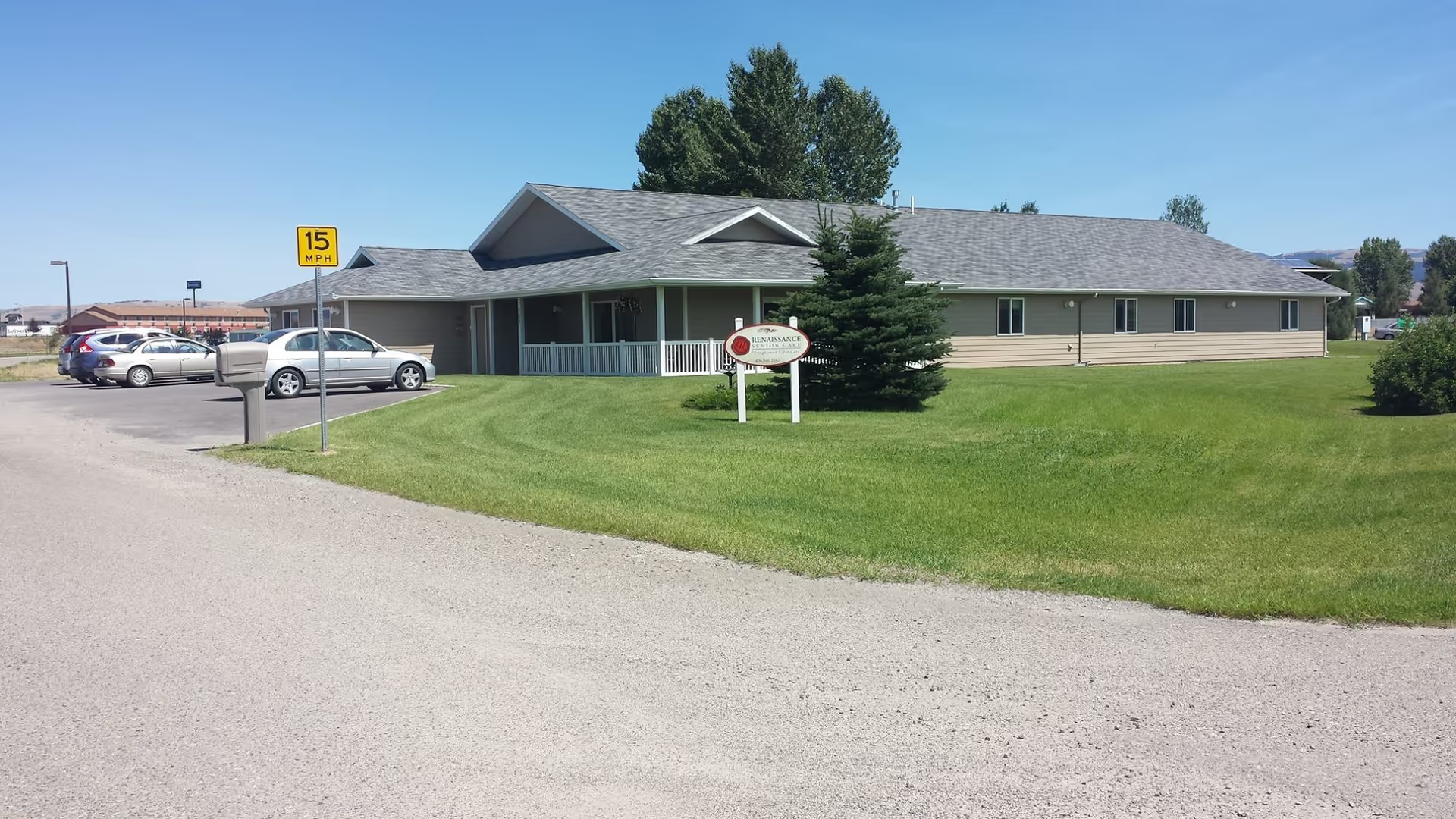
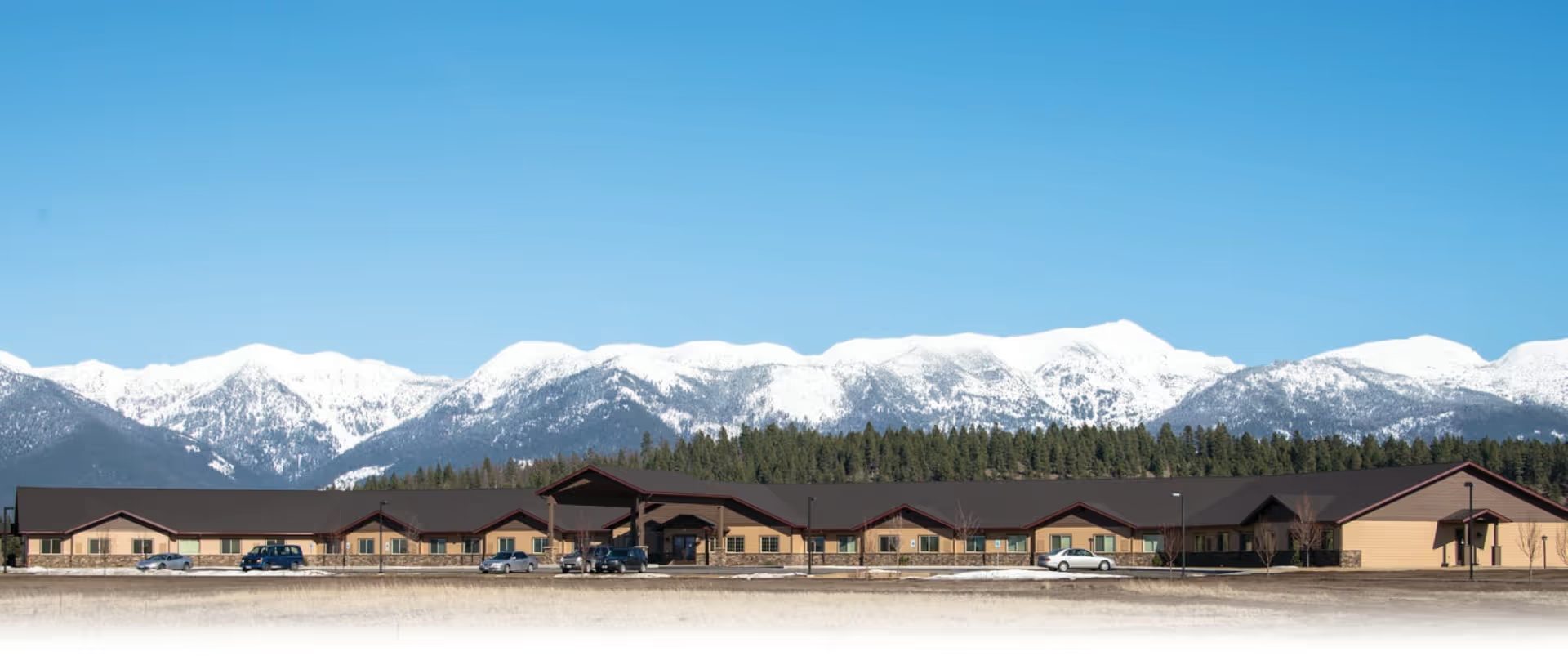
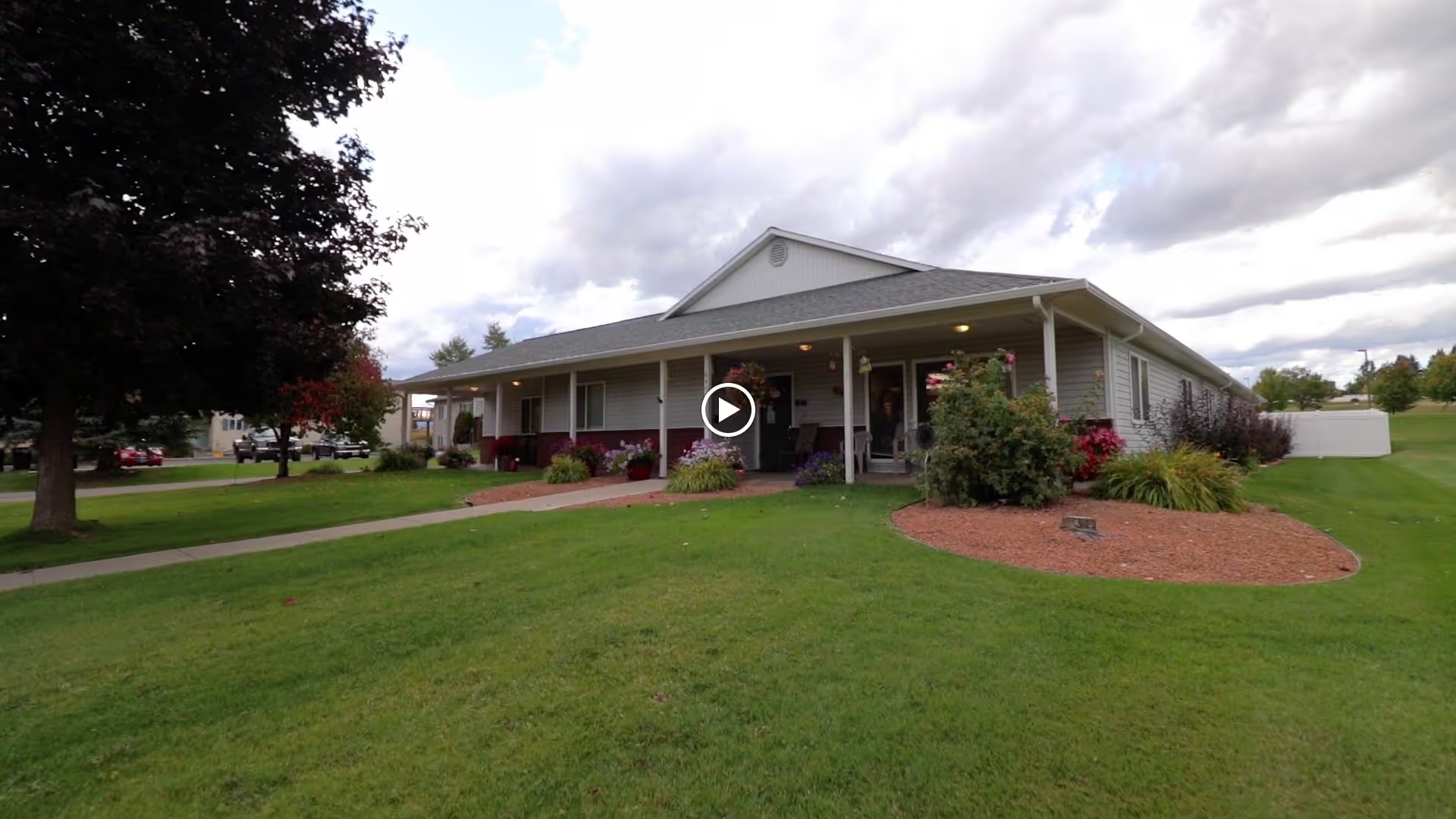
Facilities and operations: Physical spaces are characterized as clean, bright, and well maintained, with several mentions of an attractive courtyard and resident-friendly common areas. At the same time, reviewers note that the building is older, which translates into a recurring comment about an aging physical plant. Cost is another consistent operational consideration: the community is described by some as relatively expensive, though several families felt it offered good value for the level of care.
Management and notable patterns: While caregiver-level feedback is largely positive, a subset of reviews raises serious concerns about administrative changes. These accounts describe abrupt management restructuring, reports of destabilizing operational changes that families felt affected resident well-being, and claims of retaliatory actions after family complaints; such reports also included involvement of external authorities. These appear less common than the positive caregiving reports but are significant in nature and point to potential vulnerabilities in leadership stability, incident-response processes, and family communication during transitions.
Recommendation for prospective families: The prevailing strengths are compassionate staff, individualized attention, active programming, good meals, and a clean, home-like setting. When evaluating this community, prospective residents and families should confirm current leadership stability, inquire about recent staffing and management changes, review incident-response and family-communication protocols, and clarify fee structures relative to the facility’s age and planned capital improvements. Doing so will help balance the strong caregiving environment described by many families against the operational concerns raised by a smaller number of reviews.