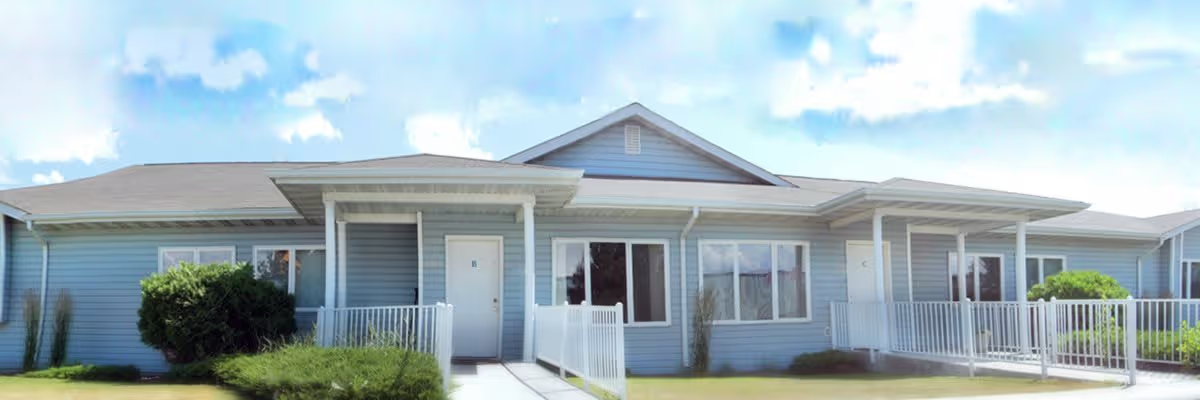
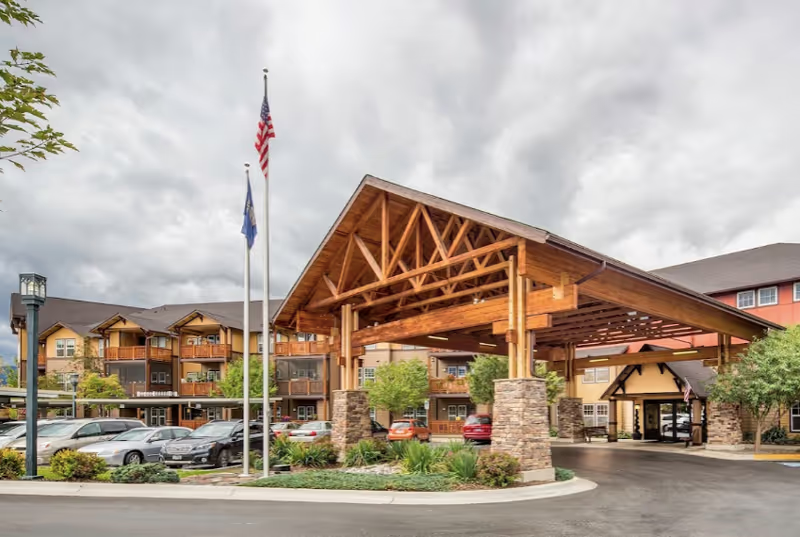
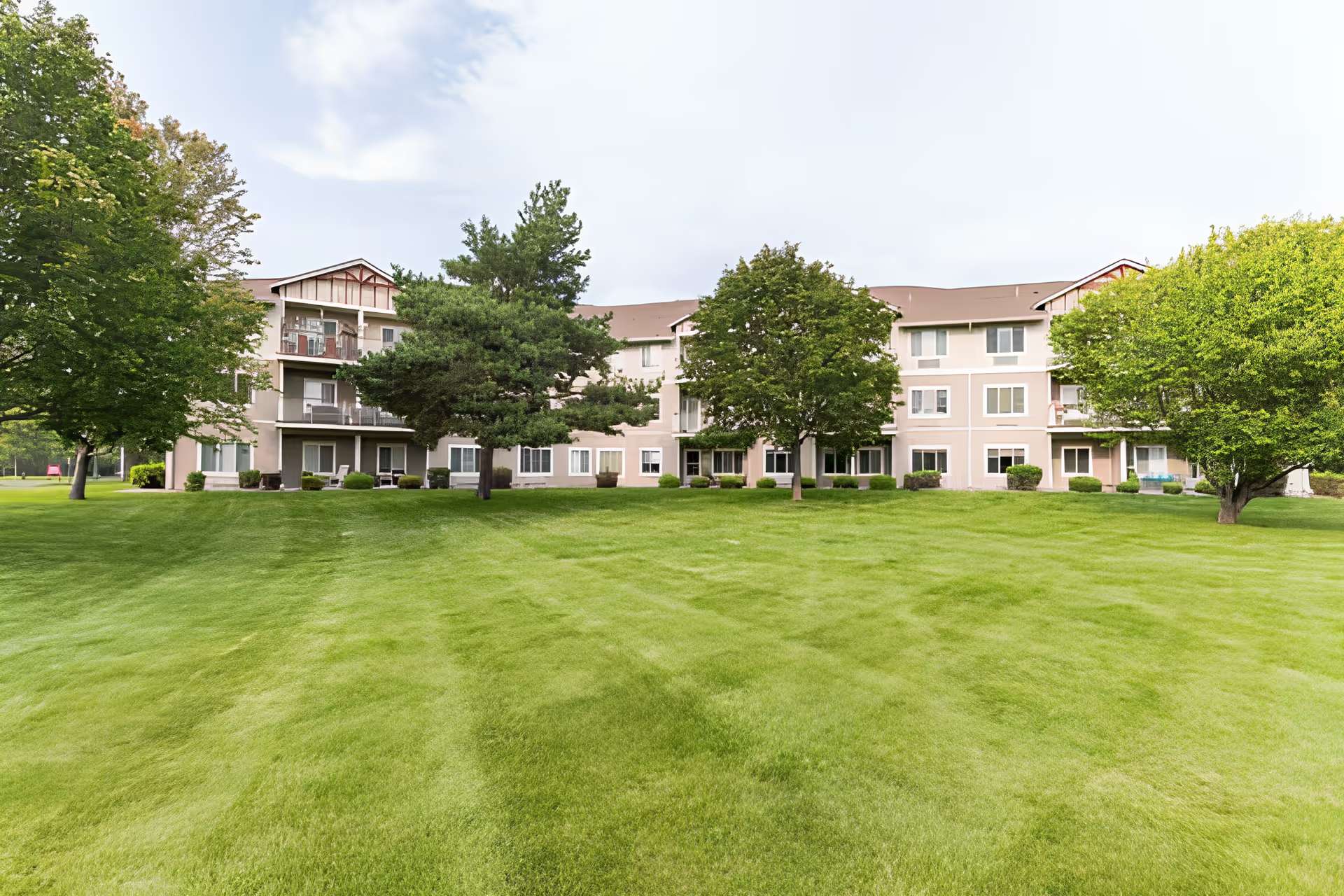
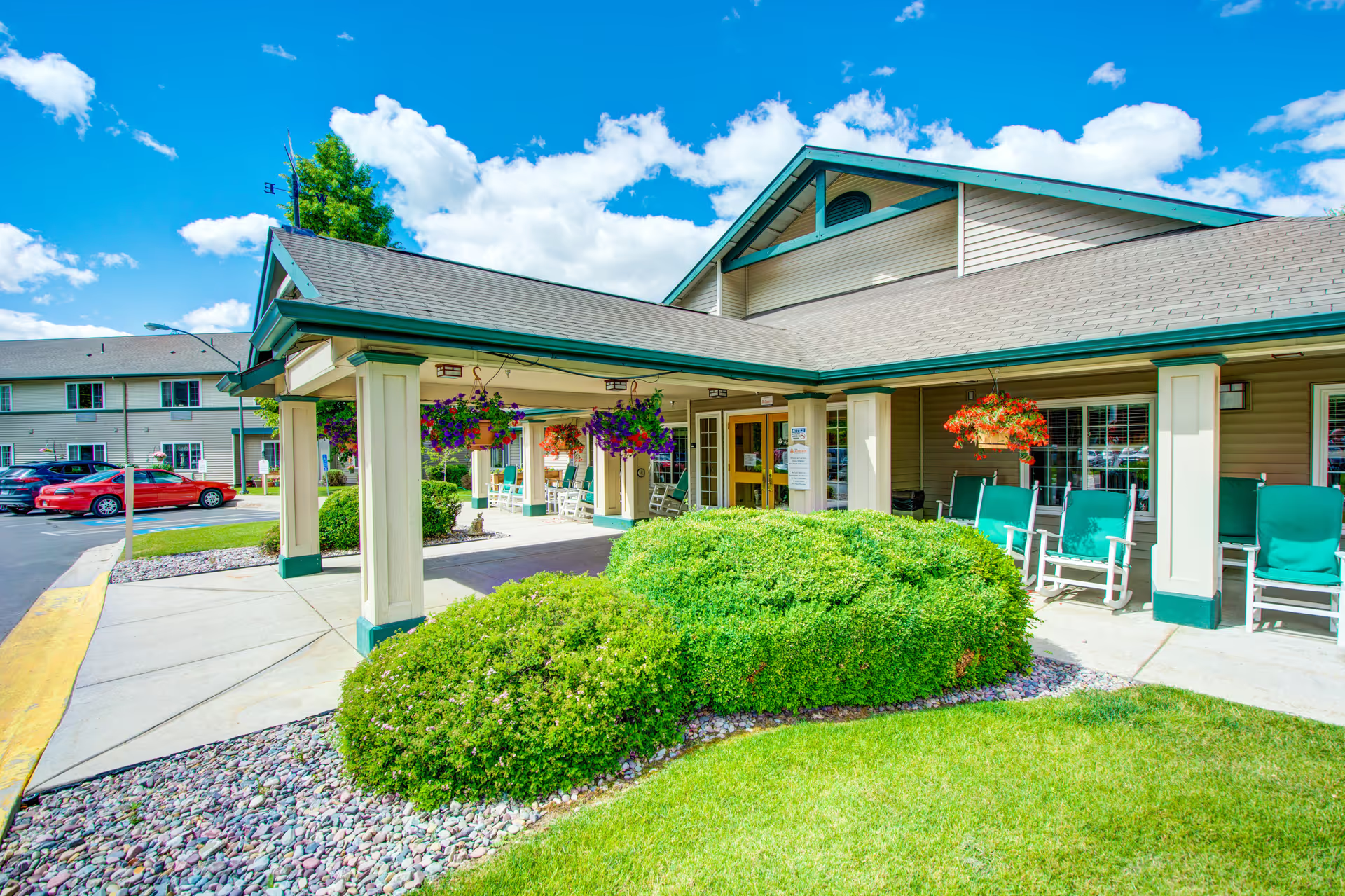
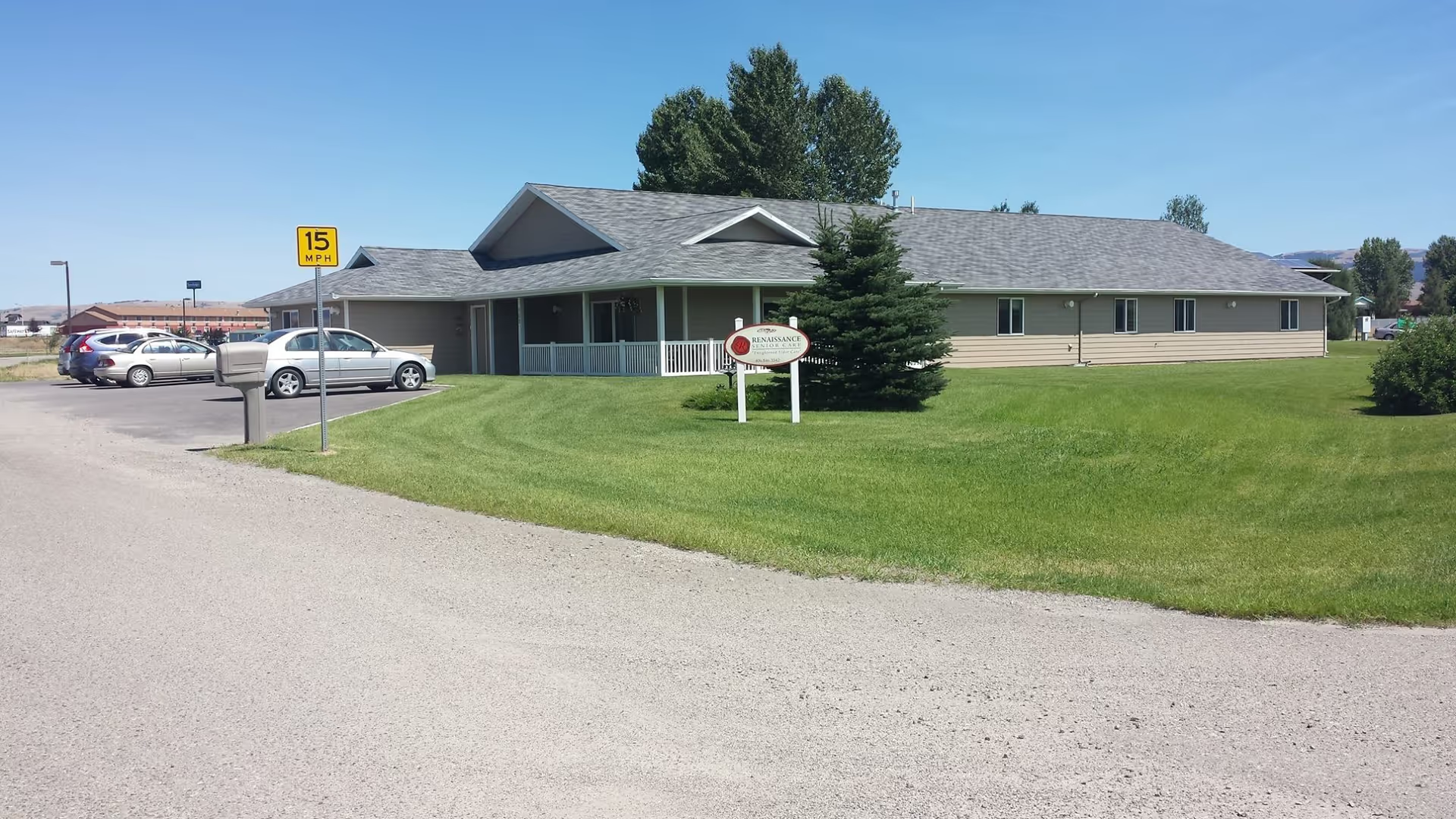
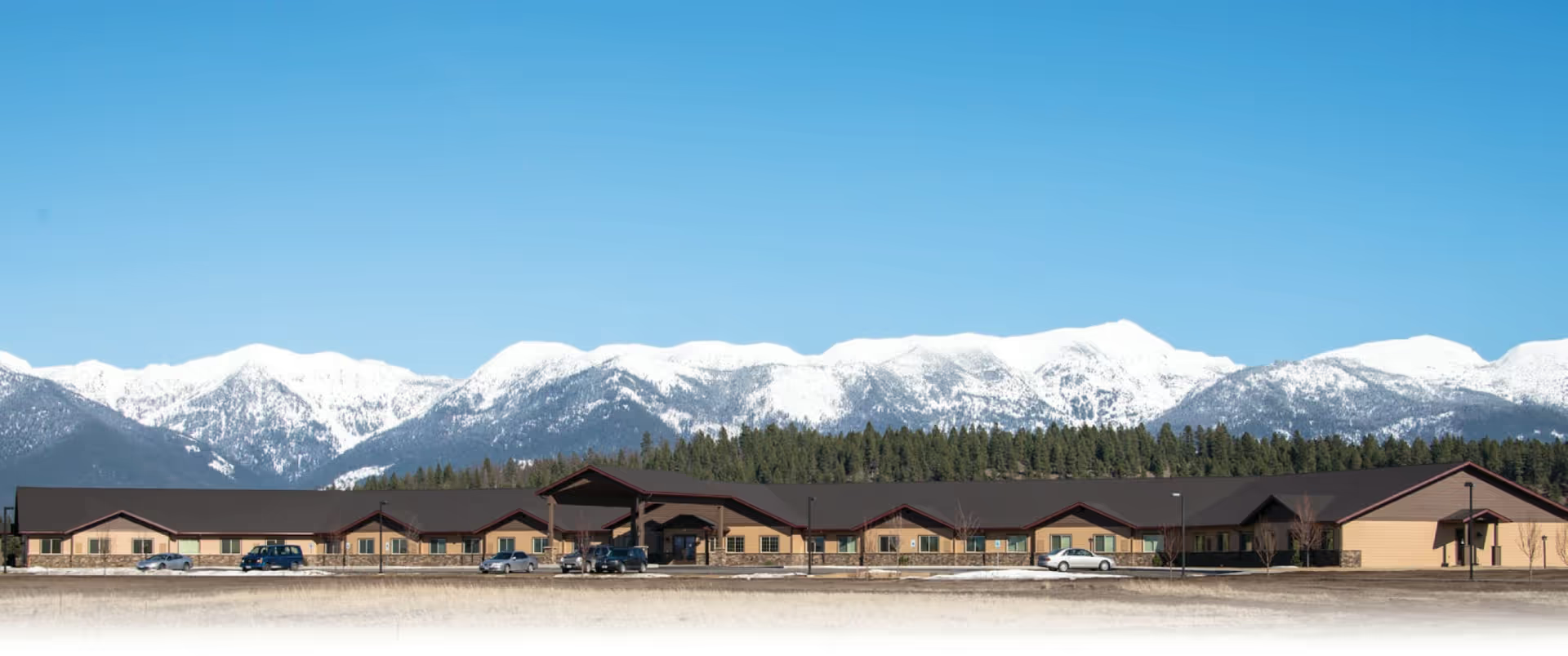
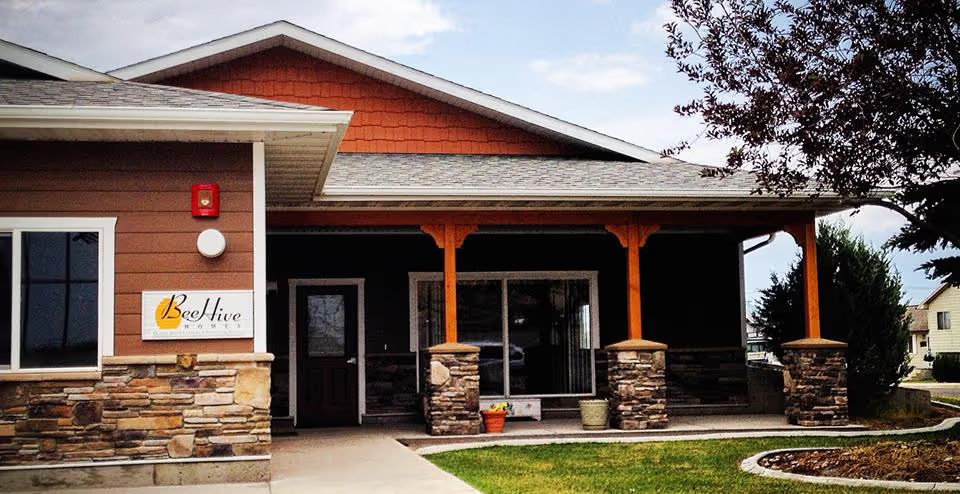
The Village Senior Residence presents as a modern, well-appointed senior community with a generally strong emphasis on cleanliness, aesthetics, and on-site services. Many families describe a luxury-style environment — new construction, tidy grounds, courtyard spaces, attractive common areas, and units with features such as dishwashers, French doors, and scenic mountain views. Housekeeping is frequently characterized as thorough, and the facility’s physical plant and maintenance are commonly praised.
Clinical care and day-to-day caregiving are notable strengths for many residents. Reviewers frequently cite professional nurses, attentive CNAs, regular physical therapy, hospice support, and an engaged memory-care unit. Staff are often described as compassionate, respectful, and communicative with families. At the same time, there are recurring comments about staffing levels; occasional short-handed shifts and staff fatigue have been noted, which can affect service timeliness and the resident experience during busy periods.
Dining and food service receive mixed feedback. Several accounts applaud the kitchen team, variety in menus, and convenient dining-room options or meal delivery, while others describe cold meals, incorrect orders, small portions, and a bland or institutionalized menu at times. These inconsistencies suggest operational gaps in meal preparation and delivery that can vary by shift or unit. Cost is another important consideration: fees are described as high, and some families perceive a mismatch between price and value, particularly when care needs escalate or when meal and housekeeping issues arise.
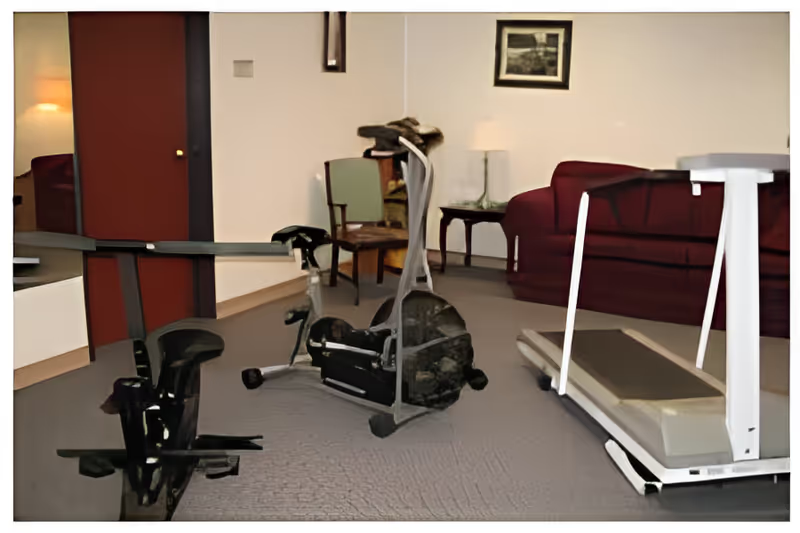
Activity programming is generally robust and diverse, including exercise classes, arts and crafts, music programs, day trips, concerts, and card and game groups. Transportation for ambulatory residents and scheduled outings are highlighted as positive features. However, engagement appears uneven across the resident population: some residents experience frequent, varied outings and events, while others—particularly less-mobile residents—may find activities are more passive (television-focused) or less accessible. Activity continuity has also been disrupted during infection-control events, reducing on-site programming for periods.
Management and family communication are strengths in many accounts; staff and leadership are described as responsive, protective during infection-control periods, and willing to coordinate care level changes. Conversely, some families perceive the operation as institutional or corporate in its approach, which can limit personalization for certain residents. There are isolated but strong negative perceptions regarding management responsiveness and unit-level cleanliness when optional services are declined, indicating variability in service consistency. Overall, The Village is characterized by high-quality facilities and many strong caregiving elements, balanced against operational variability in meals, staffing, activity accessibility for some residents, and price sensitivity. Prospective residents and families should tour specific unit types, inquire about staffing ratios and meal-delivery procedures, and ask how activity access is provided for residents with limited mobility or during infection-control events.