Overall impression: Reviews present a largely positive picture of clinical rehabilitation and daily life at the facility, with repeated praise for therapy services, nursing capability, and a home-like environment. Many comments emphasize a strong therapy focus with occupational, physical and speech therapy provided by an engaged team, and several notes highlight skilled nursing and specialized care offerings. The facility also benefits from visible leadership, including favorable mention of the administrator and director of nursing, and a five-star Medicare rating is cited as an objective marker of regulatory performance.
Care and clinical quality: Rehabilitation services are a consistent strength; reviewers describe goal-directed therapy teams and measurable recovery focus. Skilled nursing and specialized-care capacity are also noted, but there is variability in accounts of more complex or end-of-life care. Some reviewers raised substantive concerns about the quality of care during late-stage or end-of-life situations. Prospective families should ask specific questions about clinical staffing levels, end-of-life protocols, and how the facility coordinates with families during transitions of care.
Staff and interpersonal climate: Many reviews describe staff as energetic, compassionate, and treating residents like family, with positive caregiver–resident rapport and accommodating interactions with families. At the same time, other reviews raise concerns about staff conduct, tone of communication, and responsiveness—these comments suggest inconsistency in how staff engage with residents and families. There are also reports indicating gaps in cultural-sensitivity and instances that made some families feel unwelcome. These mixed impressions point to a generally strong staff culture that may be uneven across shifts or teams.
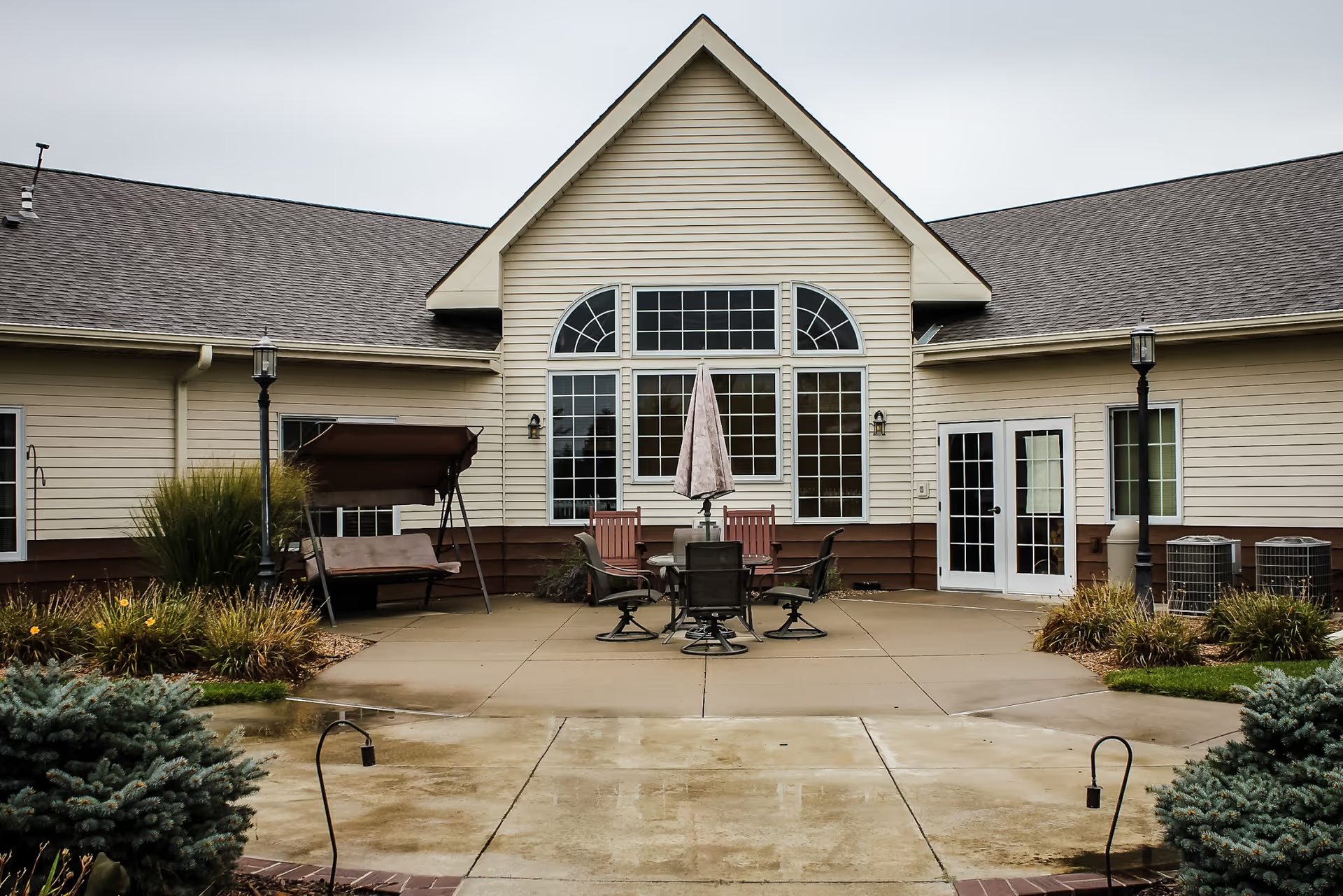
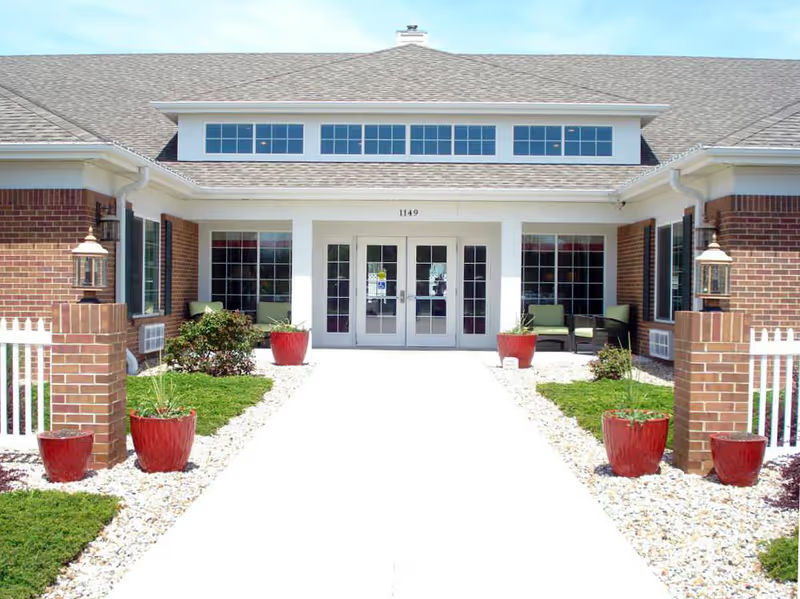
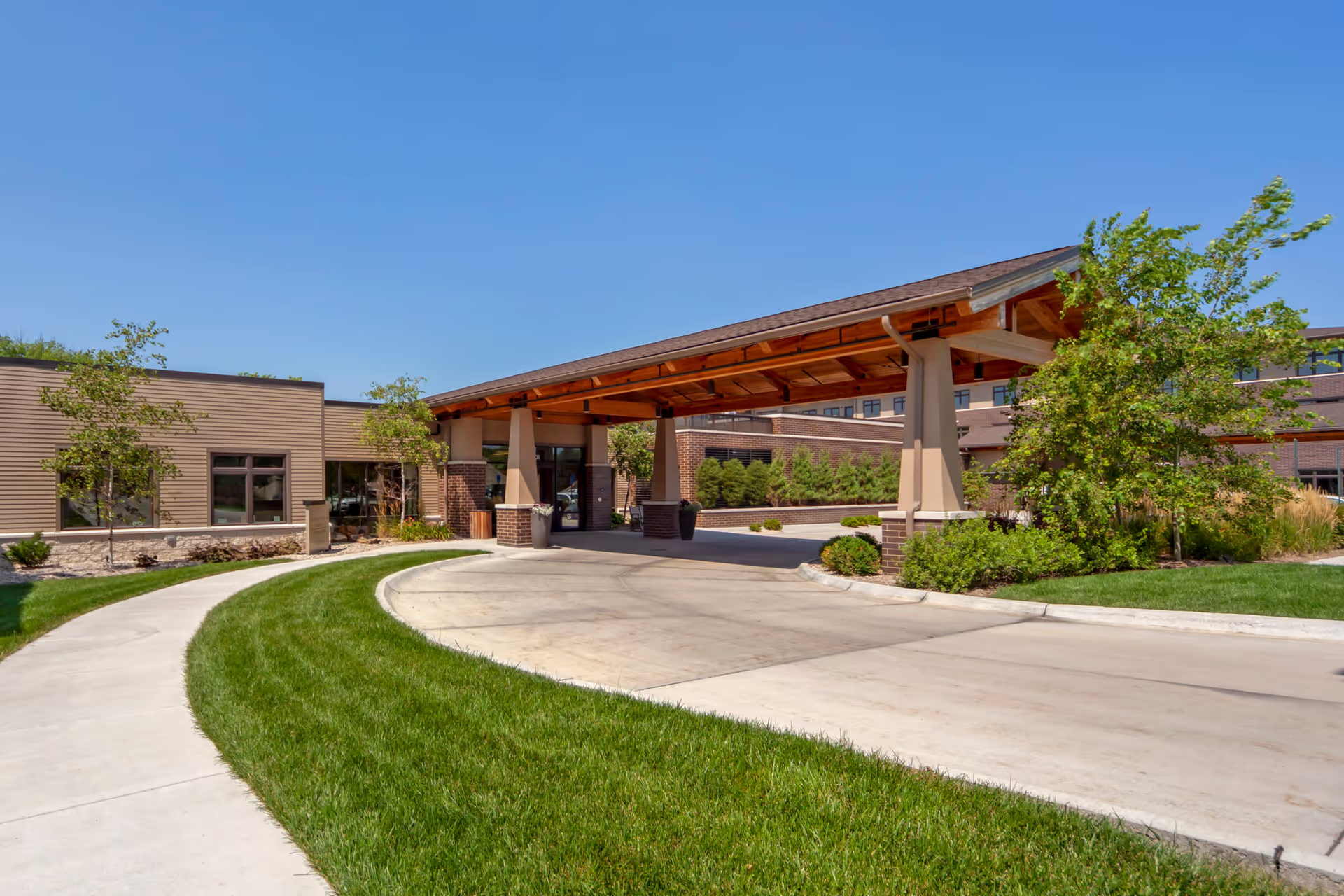
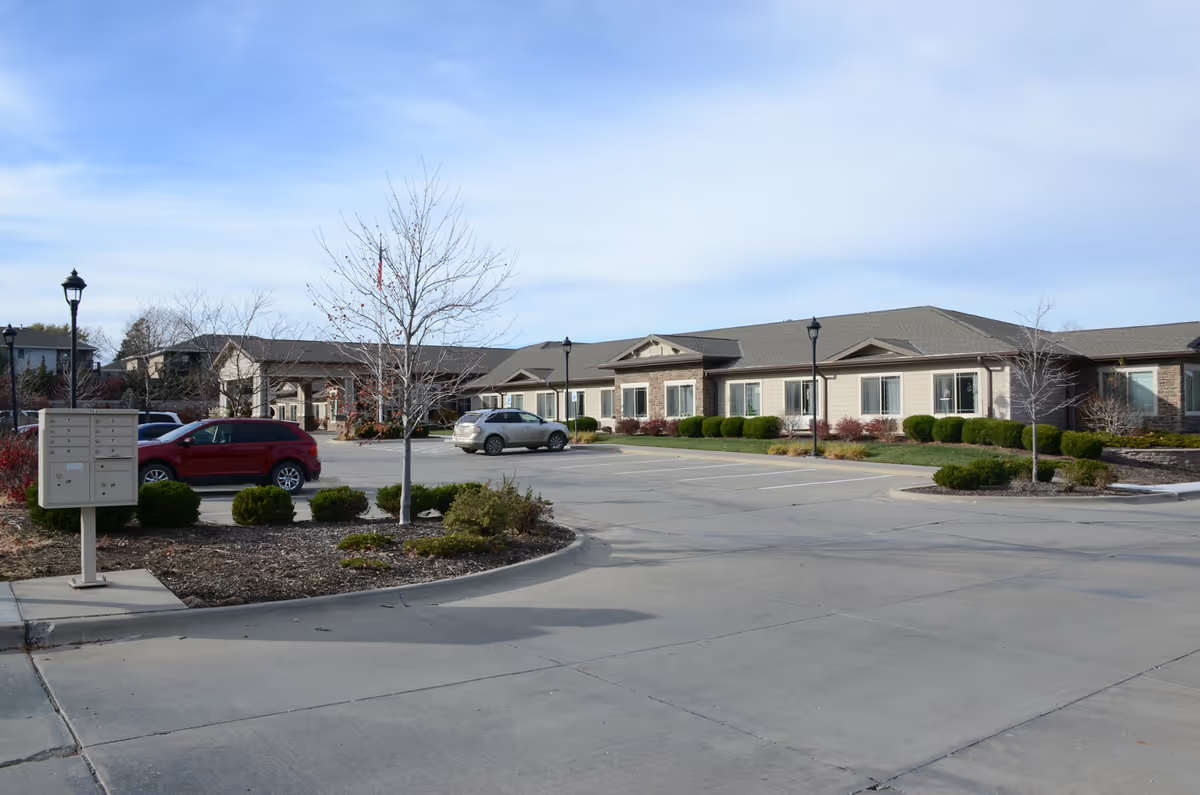
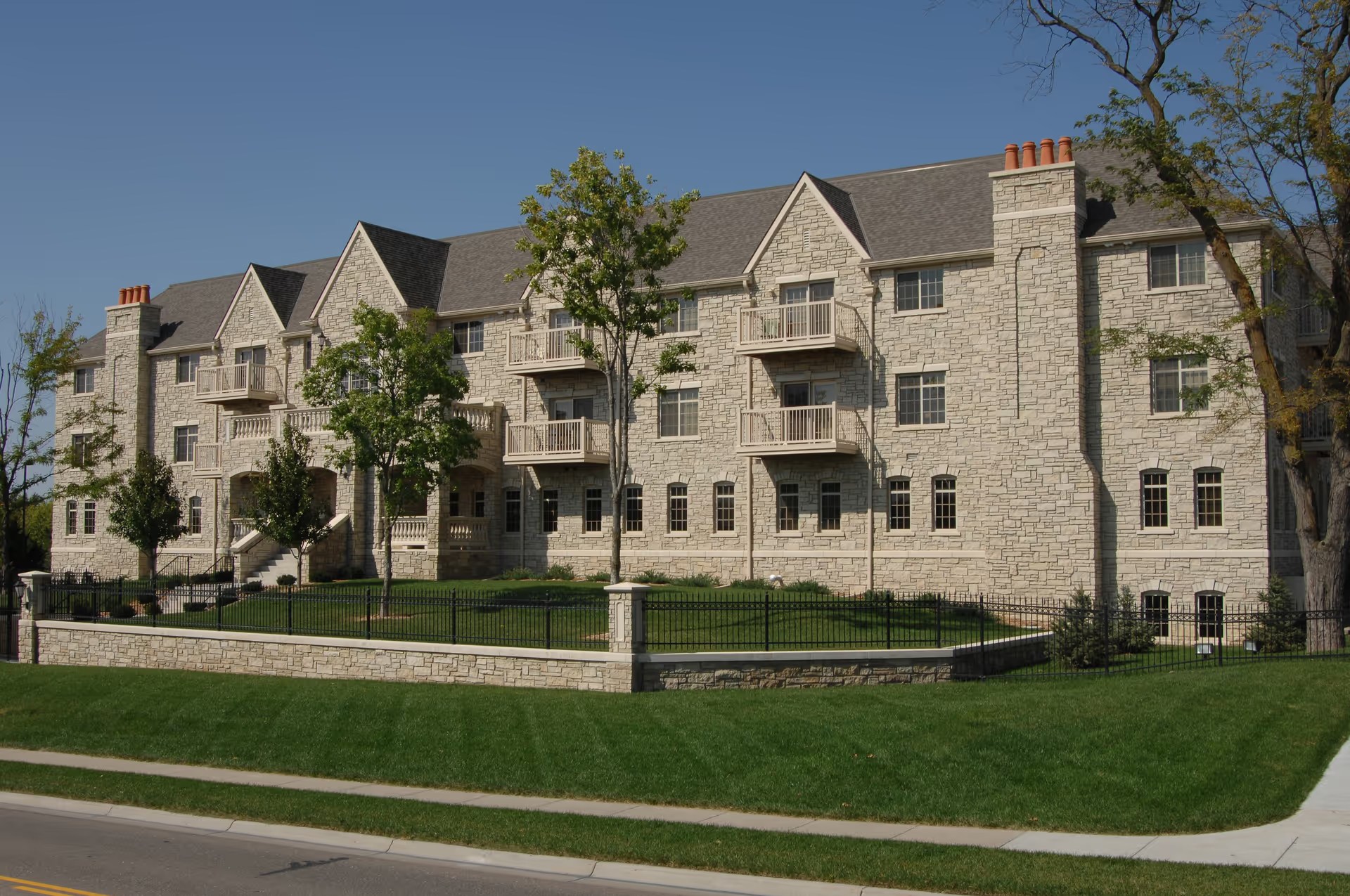
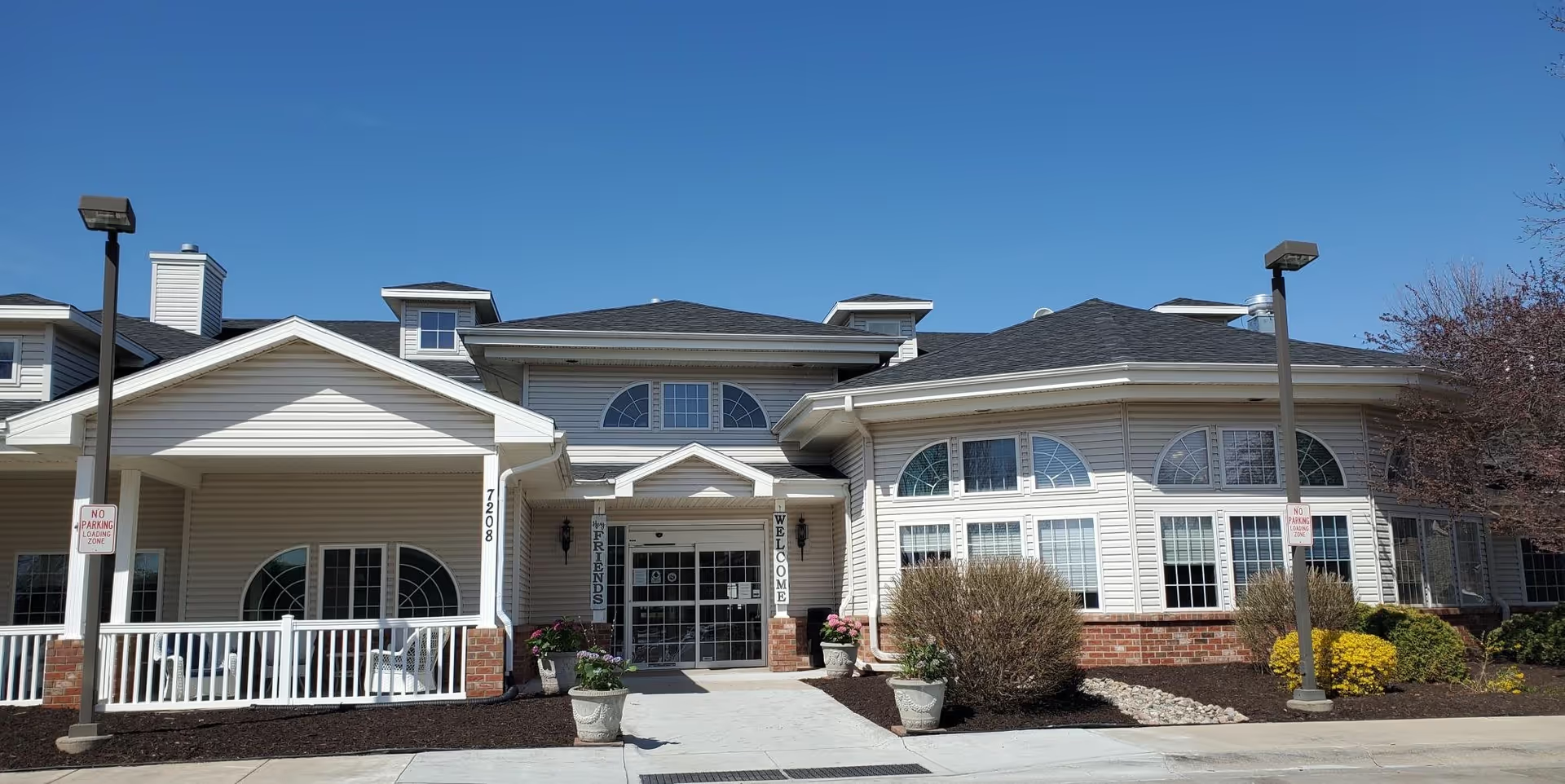
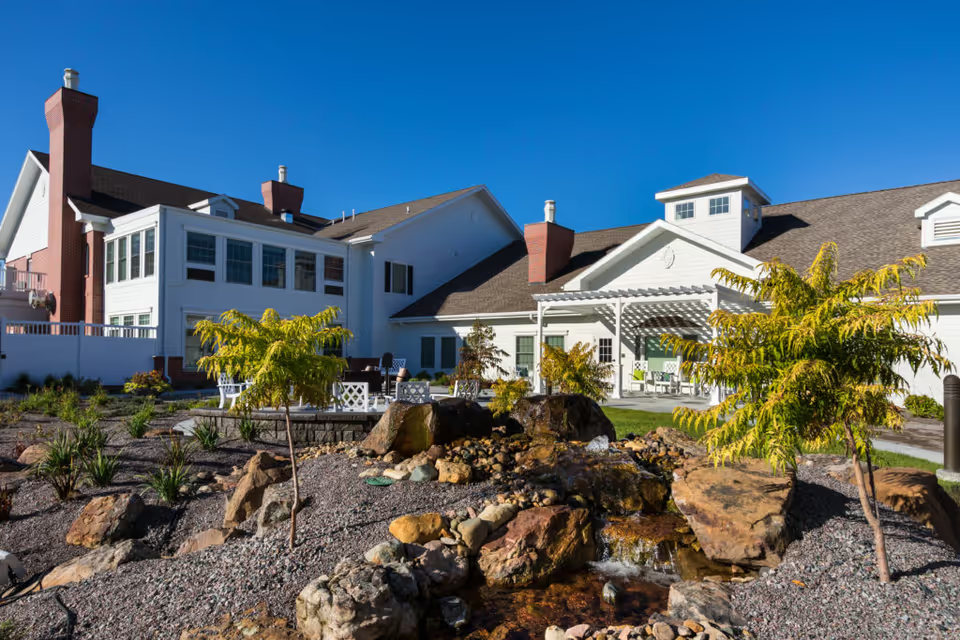
Dining, activities, and facilities: Meal quality and a robust activities program are frequent positives. Reviewers note quality meals, a variety of social programming, and specific offerings such as a weekly happy hour that include families. The facility environment is described as clean, comfortable, and home-like, with residents appearing well cared for. These features support a social, resident-centered daily life for many people who live there.
Management, communication, and safety: Leadership receives praise in several accounts, but operational concerns recur in other comments. Key issues include inconsistent responsiveness to family communications (including difficulty reaching residents by phone) and variability in how incidents are handled. A small number of serious allegations—including claims of theft and involvement of law enforcement—were raised; these are significant and should prompt direct questions about incident-reporting protocols, security measures, and how the facility escalates and documents events. Cost is another operational theme: multiple reviewers perceived monthly fees as high relative to alternatives, so transparent pricing and what is included are important to clarify.
Notable patterns and recommendations: The balance of comments suggests strengths in rehabilitation, nursing skill, activities, and a comfortable physical environment, paired with operational inconsistencies in communication, staff conduct, and complex-care reliability. Prospective residents and families should verify current licensing and inspection records, ask for details on staffing ratios and training (including cultural-sensitivity training), review end-of-life and incident-handling policies, obtain a full cost breakdown, and schedule an in-person visit during different shifts to gauge consistency of care and responsiveness. These steps will help assess whether the facility’s strengths align with an individual’s clinical and social needs.