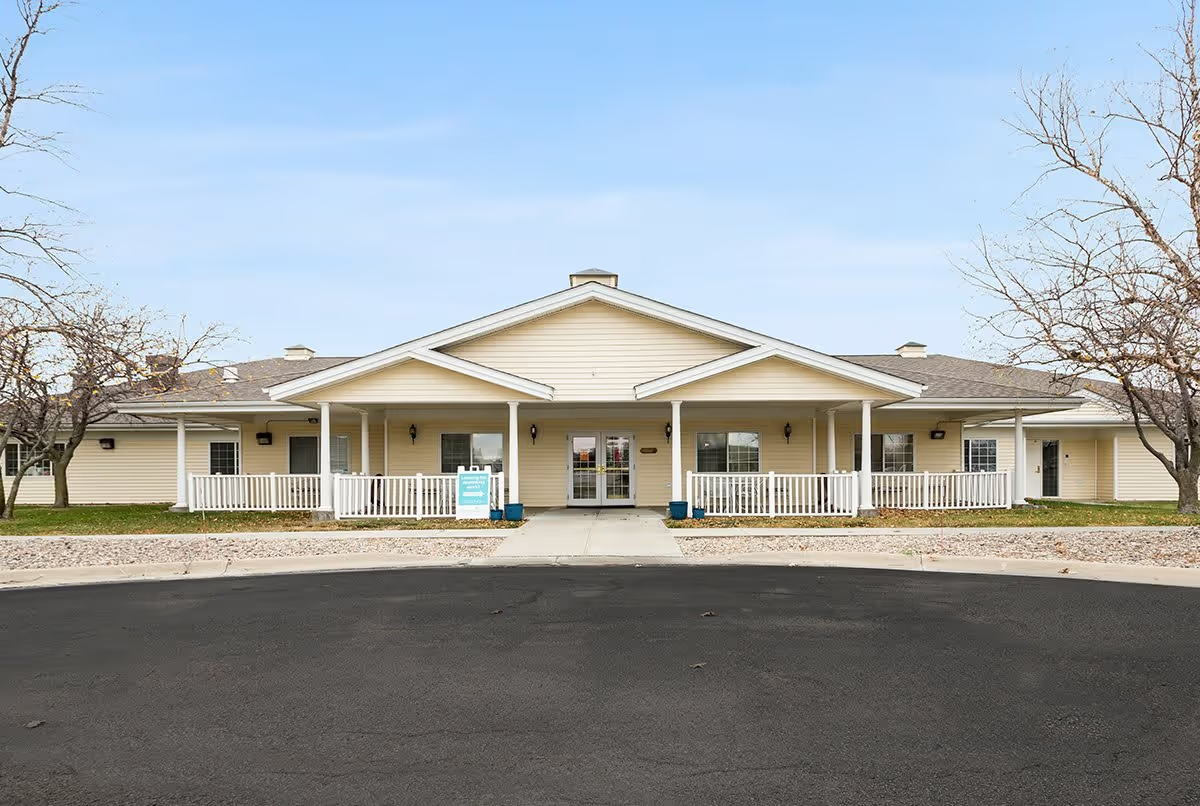
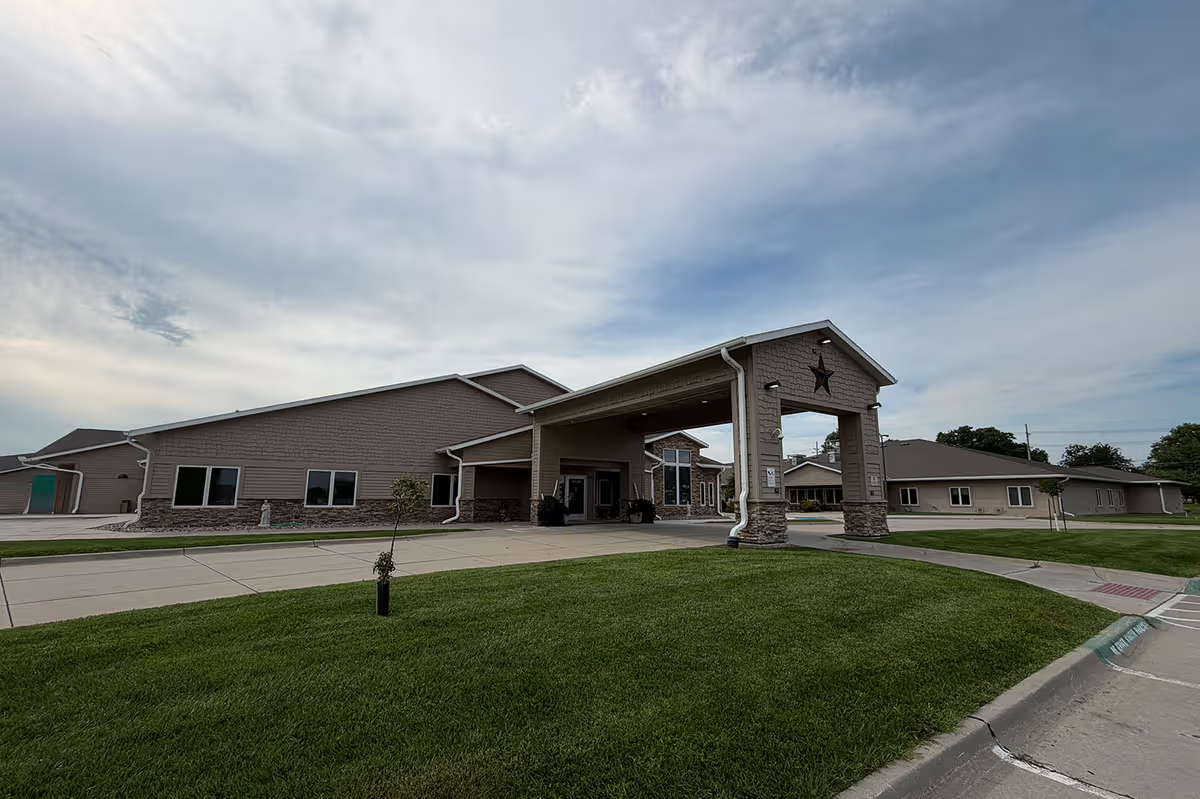
Reviews of The Pines at Blue Hill present a mixed picture, with clear strengths noted by some families alongside serious operational concerns raised by others. Positive accounts emphasize warm, caring interactions between staff and residents, meaningful emotional support, and a focus on helping residents meet both physical and emotional needs. Several families described effective therapy outcomes and active discharge-planning efforts aimed at returning residents home.
Care and staffing are the areas with the most divergent feedback. On the positive side, reviewers described kind, loving staff who engage residents and support mobility through therapy and exercise programs. Conversely, other accounts raised significant concerns about inconsistent medication administration, delays in responsiveness, and staffing shortfalls that appeared to affect day-to-day care. Together these comments indicate variability in staff performance and availability that may produce different experiences depending on timing and unit staffing.
Dining and activities receive largely favorable comments. Meals were described as tasty and well-presented, and the dining area was noted as pleasant. The activity program appears diverse and adaptive, including crafts, bingo, ball exercises, and read-alouds, which families credited with helping residents stay engaged and maintain muscle strength. Therapy services are highlighted as a strength in some accounts, though other reviewers described minimal therapy—suggesting uneven therapy availability.
Facility-related concerns focus on sanitation and personal-care areas. Several reviewers described cleanliness and incontinence-care issues in bathrooms and adjacent spaces; these are operational sanitation concerns rather than isolated observations and warrant attention. Communication and care coordination were also raised as weaknesses: some families reported poor information flow from staff and management during the course of care or rehabilitation.
Notable patterns are inconsistency and variability. Positive elements—compassionate staff, good meals, engaging activities, and effective therapy—coexist with operational weaknesses such as inconsistent medication processes, sanitation issues, staffing variability, and uneven communication. Prospective residents and families may benefit from direct inquiries during a visit: ask about current staffing levels, medication-administration protocols, sanitation and incontinence-care procedures, therapy schedules and intensity, and how discharge planning and family communication are handled. Observing mealtime, touring personal-care areas, and requesting documentation of therapy hours can help assess whether the facility's strengths align with your priorities.