Brookestone Meadows presents as a rehabilitation-focused skilled nursing facility with several clear strengths and recurring operational challenges. The facility’s therapy program—both physical and occupational—receives frequent praise for intensity, skilled therapists, and measurable functional improvement. On-site therapy spaces are described as modern and well-equipped, and many families credited the therapy team with significant gains in mobility and independence. In addition to rehabilitation, reviewers commonly praised the nursing staff, social work, and hospice resources for compassion, effective case coordination, and attentive advocacy during transitions.
Clinical responsiveness has notable positives and concerning inconsistencies. Multiple accounts highlight timely, effective acute responses by nursing staff in urgent situations. At the same time, there are repeated concerns about staffing levels and the facility’s reliance on agency personnel, which reviewers linked to delays in responding to call lights, inconsistent bathing and dressing assistance, and uneven supervision. Related operational weaknesses include gaps in medication-management processes and documentation; a few serious medication- and infection-related incidents were described, suggesting a need for stronger clinical oversight and quality assurance.
Dining and daily-life feedback is mixed. Several families praised meals, snacks, and an overall welcoming dining environment; others described cold meals, limited protein choices, and inconsistent meal presentation. Activities programming and social opportunities are generally described as engaging and supportive of socialization, though some residents did not participate. Reviewers also described an intensive therapy schedule that, for some residents, left limited rest time after meals or reduced opportunities to practice daily-living skills in routine care settings.
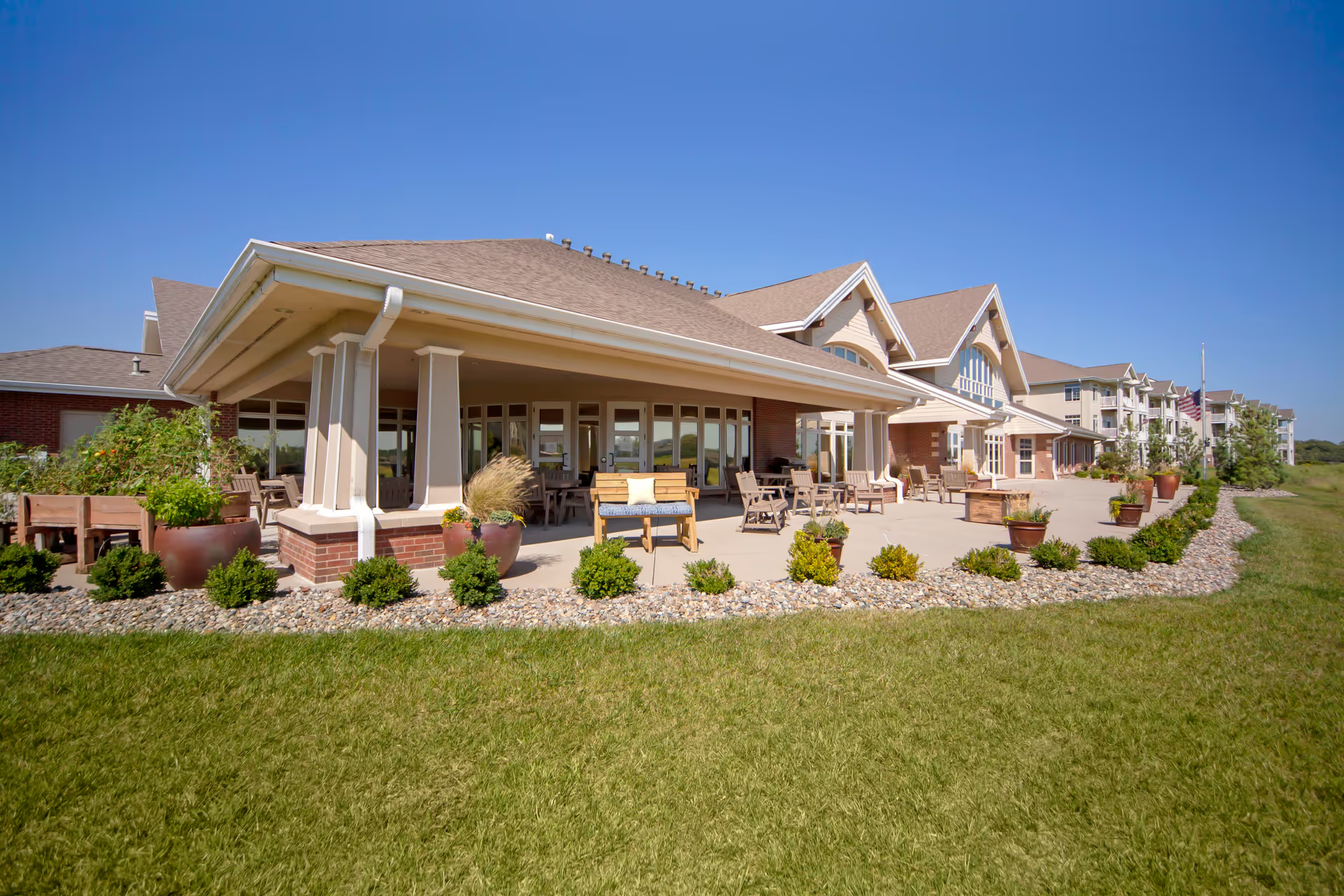
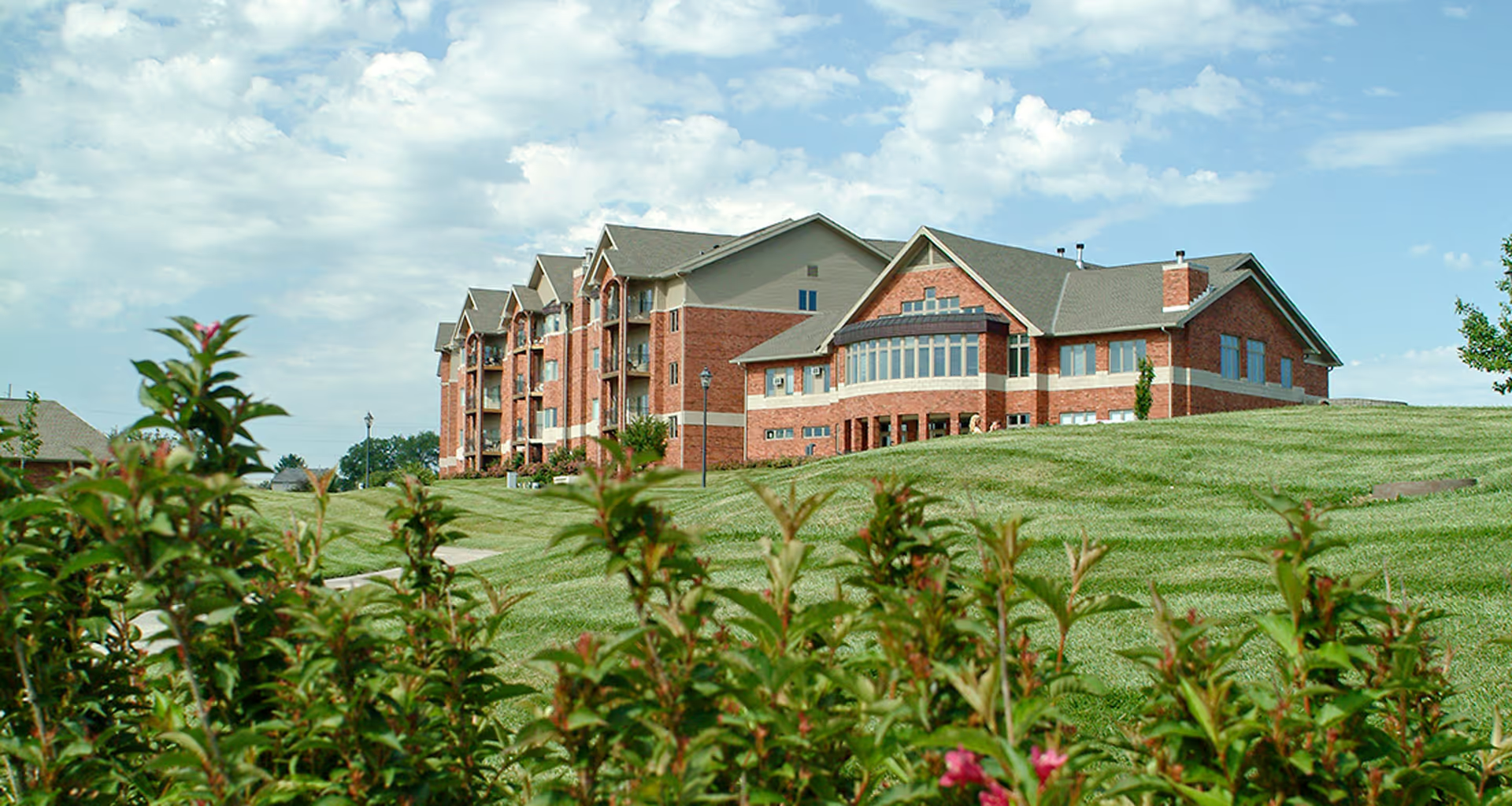
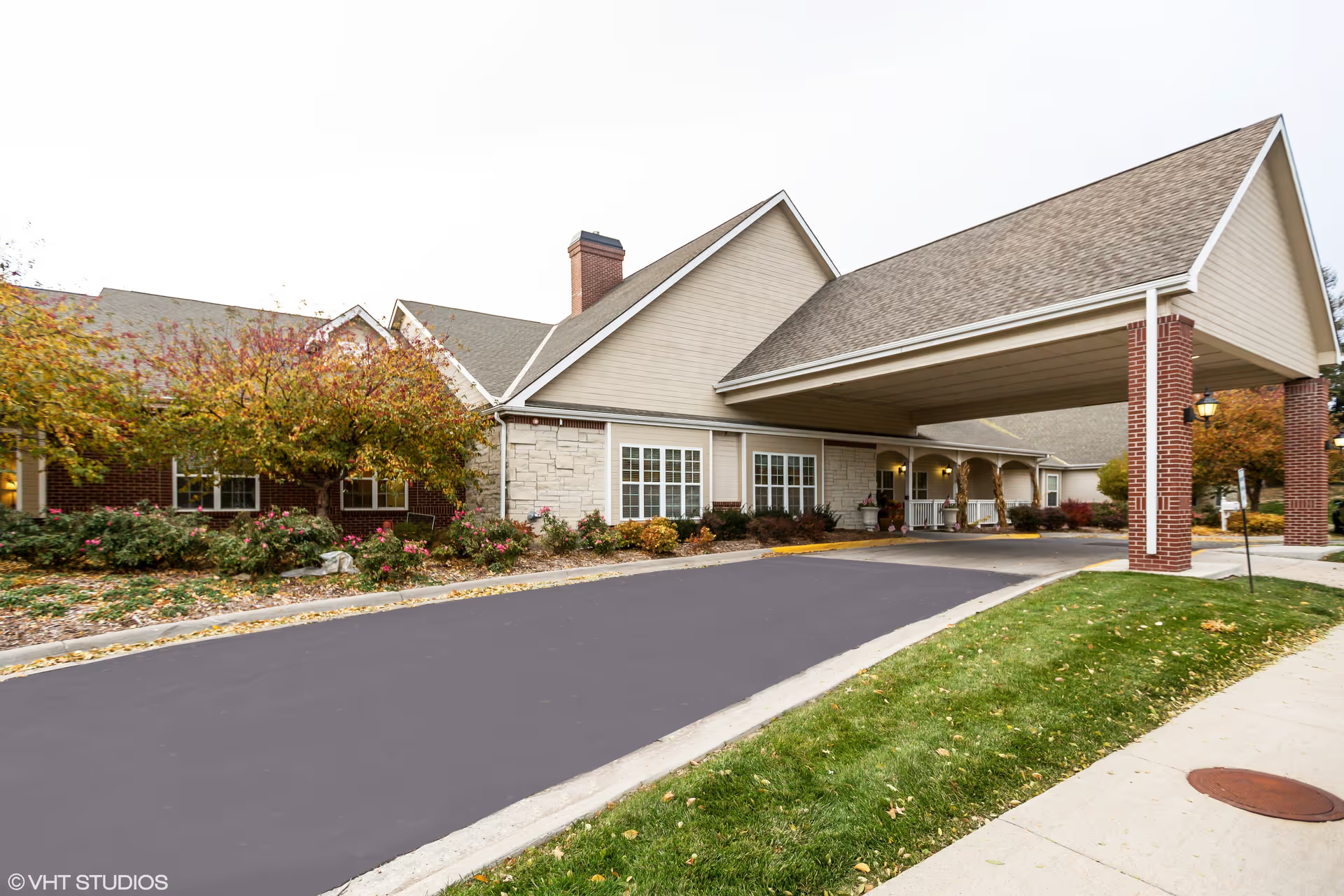
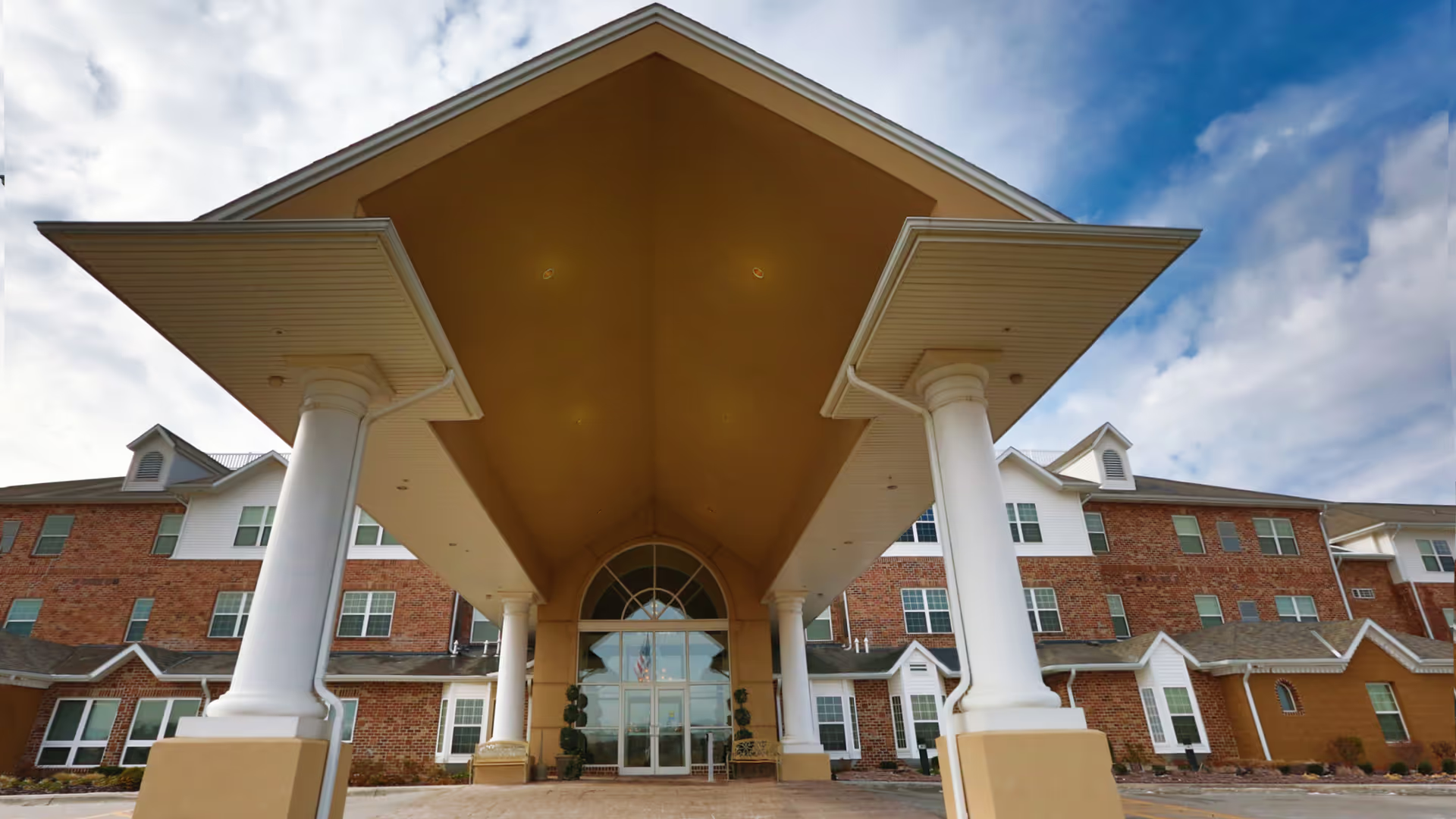
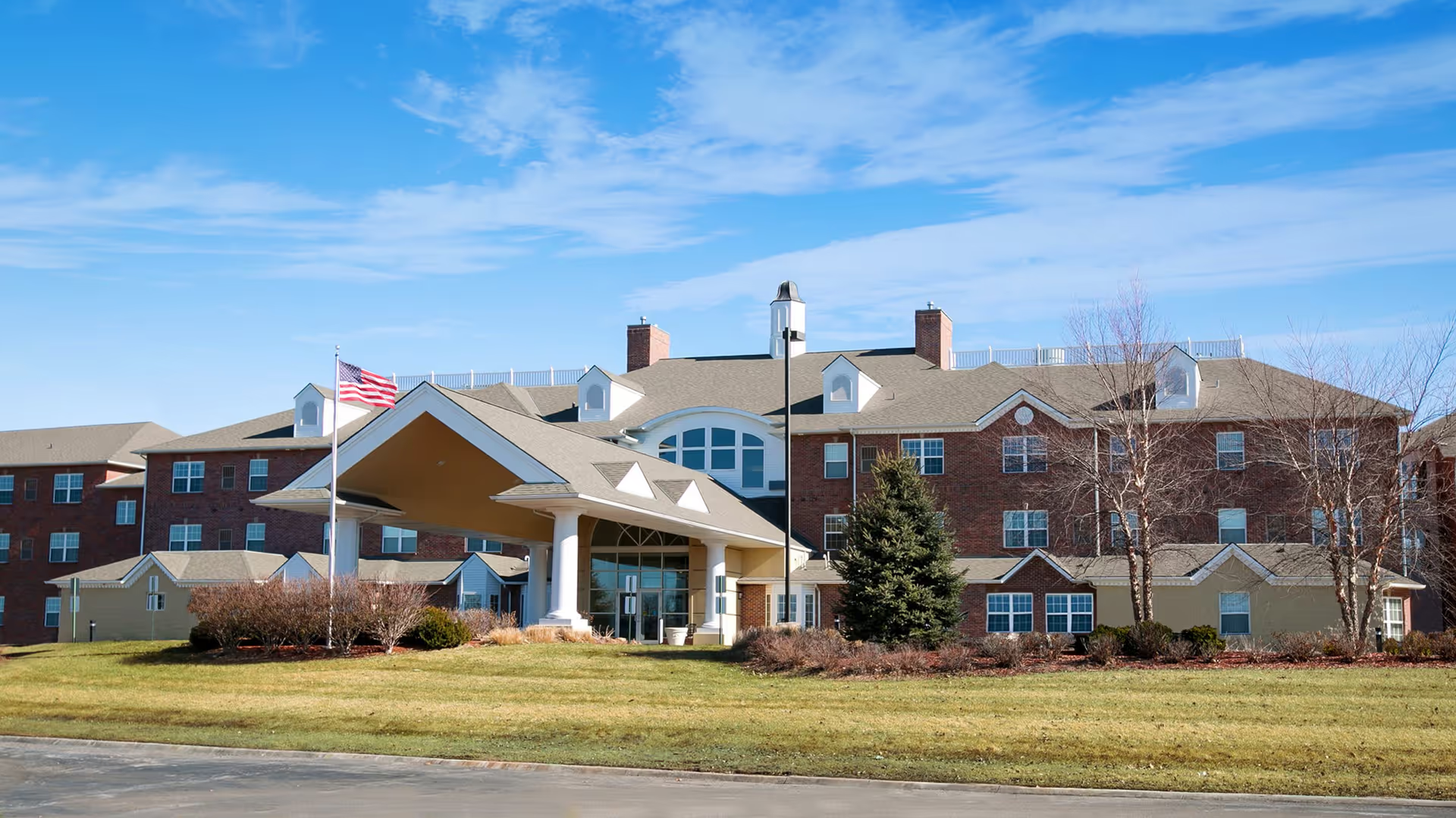
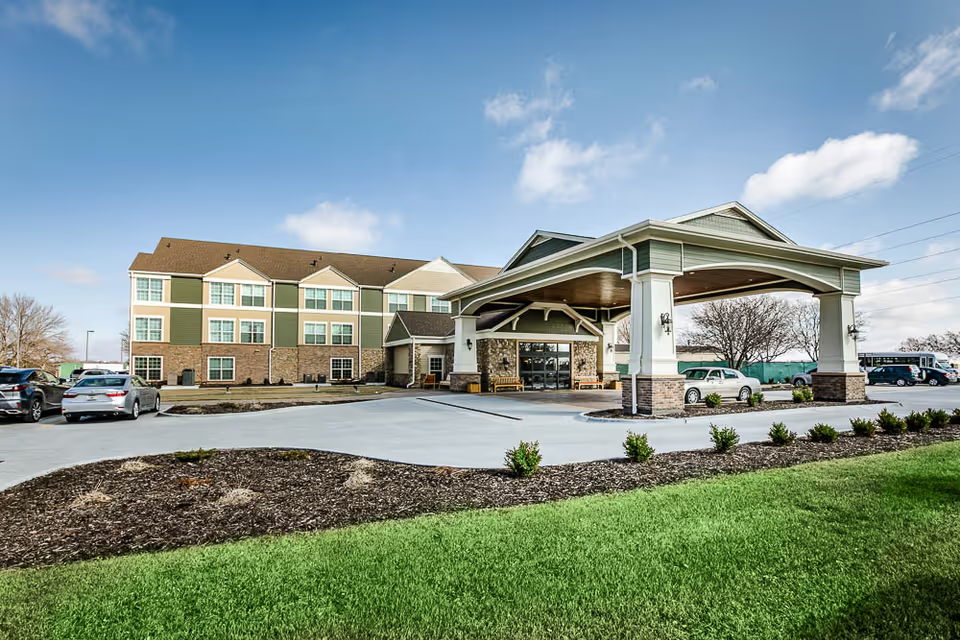
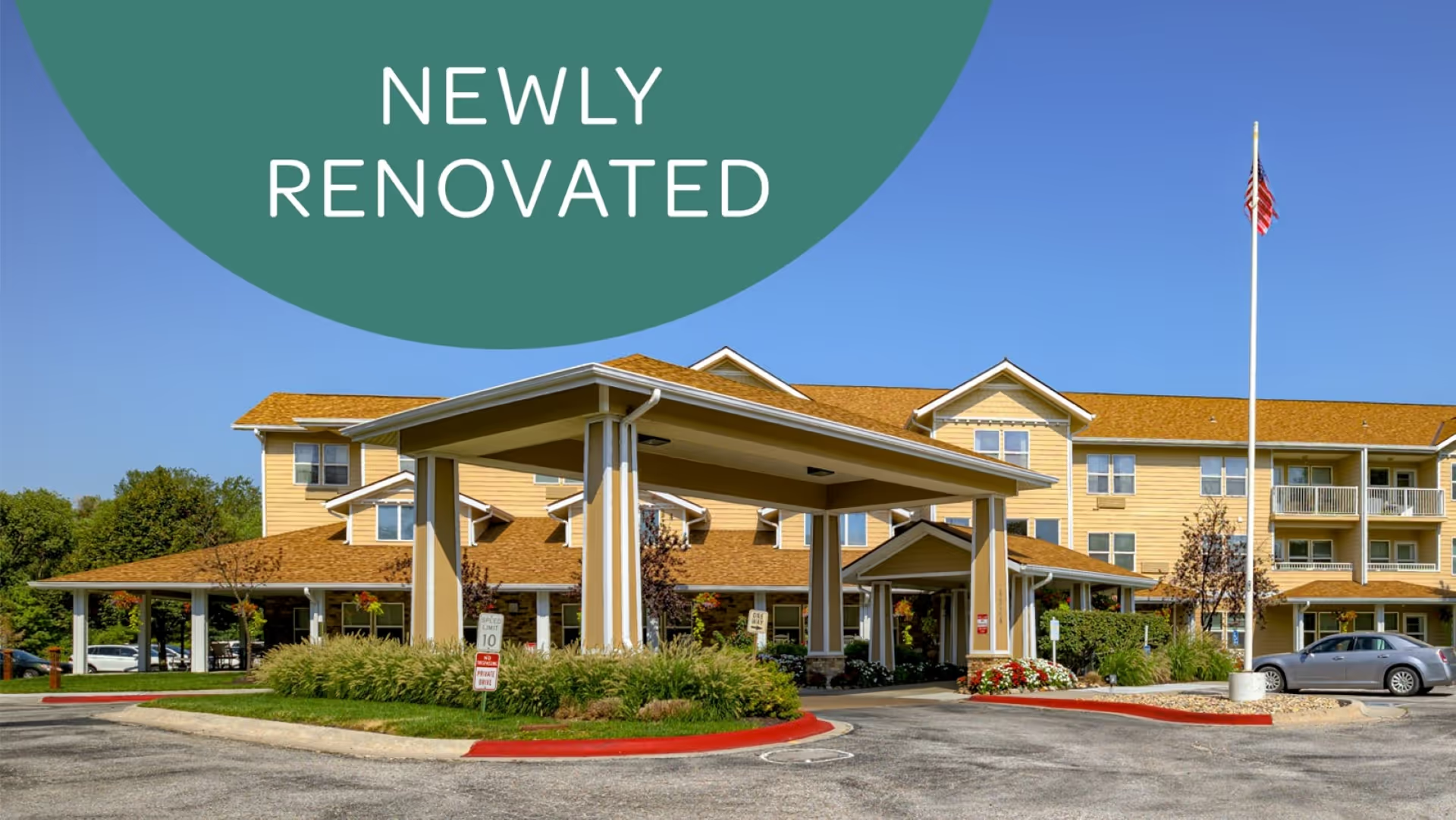
Facility and amenity impressions are predominantly positive: the building, grounds, and therapy spaces are noted as clean, attractive, and well-maintained. However, cleanliness and sanitation processes in personal-care areas surfaced as an operational concern in specific accounts, and some reviewers reported lapses in linen handling or shower-area sanitation. Safety-related themes include variability in supervision that could affect transfers and fall prevention, intermittent physician presence on-site, and a few comments about parking-lot safety that prospective visitors should consider.
Management and communication patterns are mixed. Many families complimented responsive social work and helpful administrators who assisted with discharge and care decisions. Conversely, other accounts described inconsistent family communication, discharge decisions that felt staff-driven, and workplace-culture concerns that may be impacting staff morale and continuity. Cost is another consideration: the facility is perceived as higher priced by some families.
What this pattern suggests for prospective residents and families: Brookestone Meadows can deliver high-quality, rehabilitation-focused care and has strong clinical personnel in therapy, nursing, and social work. Prospective families should ask specific, operational questions about current staffing ratios, the use of agency staff, medication-safety protocols, sanitation procedures, physician rounding frequency, and how therapy schedules are balanced with rest and activities. Visiting during different times of day, meeting nursing leadership, and requesting recent quality or inspection data will help assess whether the facility’s operational practices align with a particular resident’s needs and safety expectations.