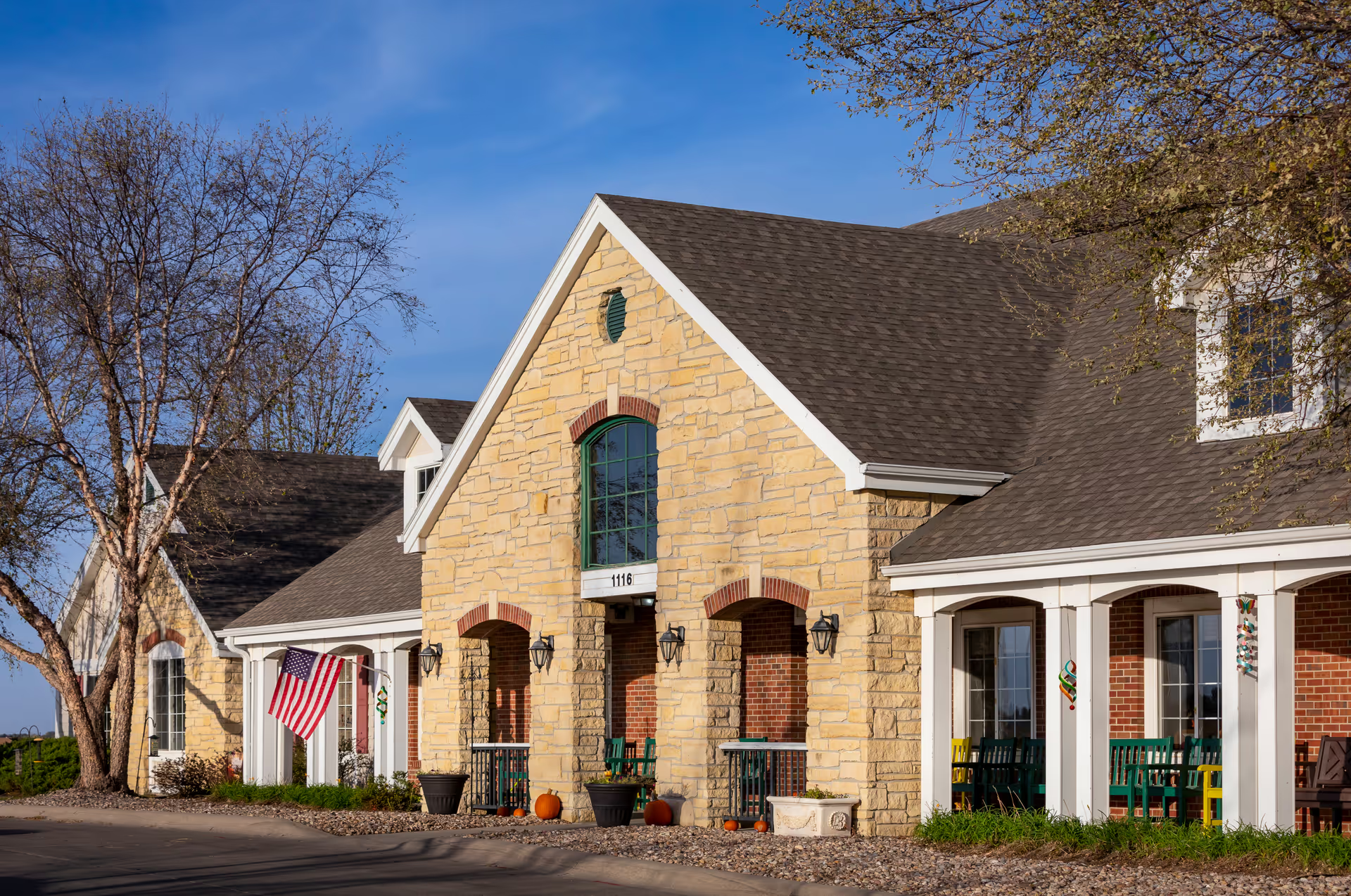
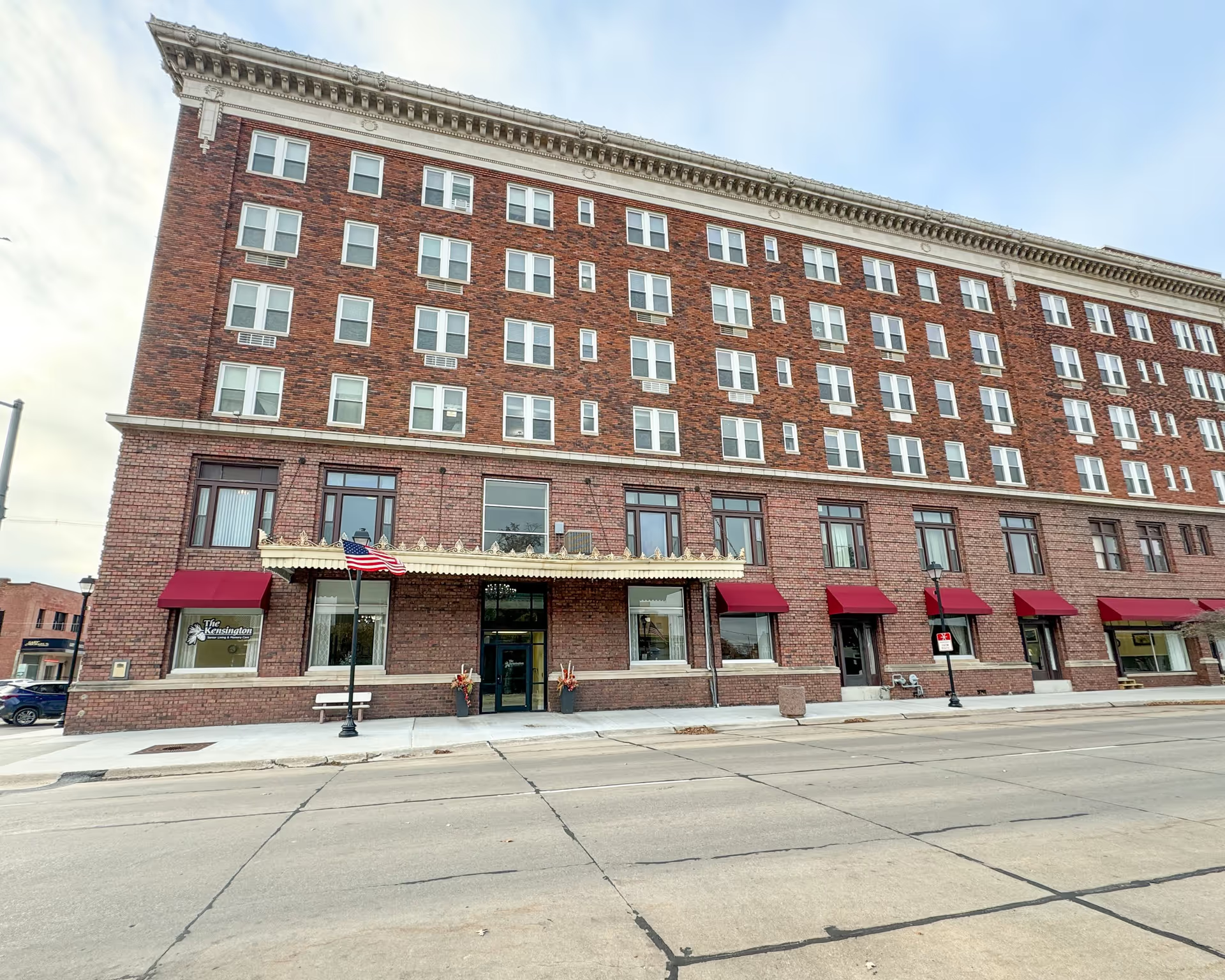
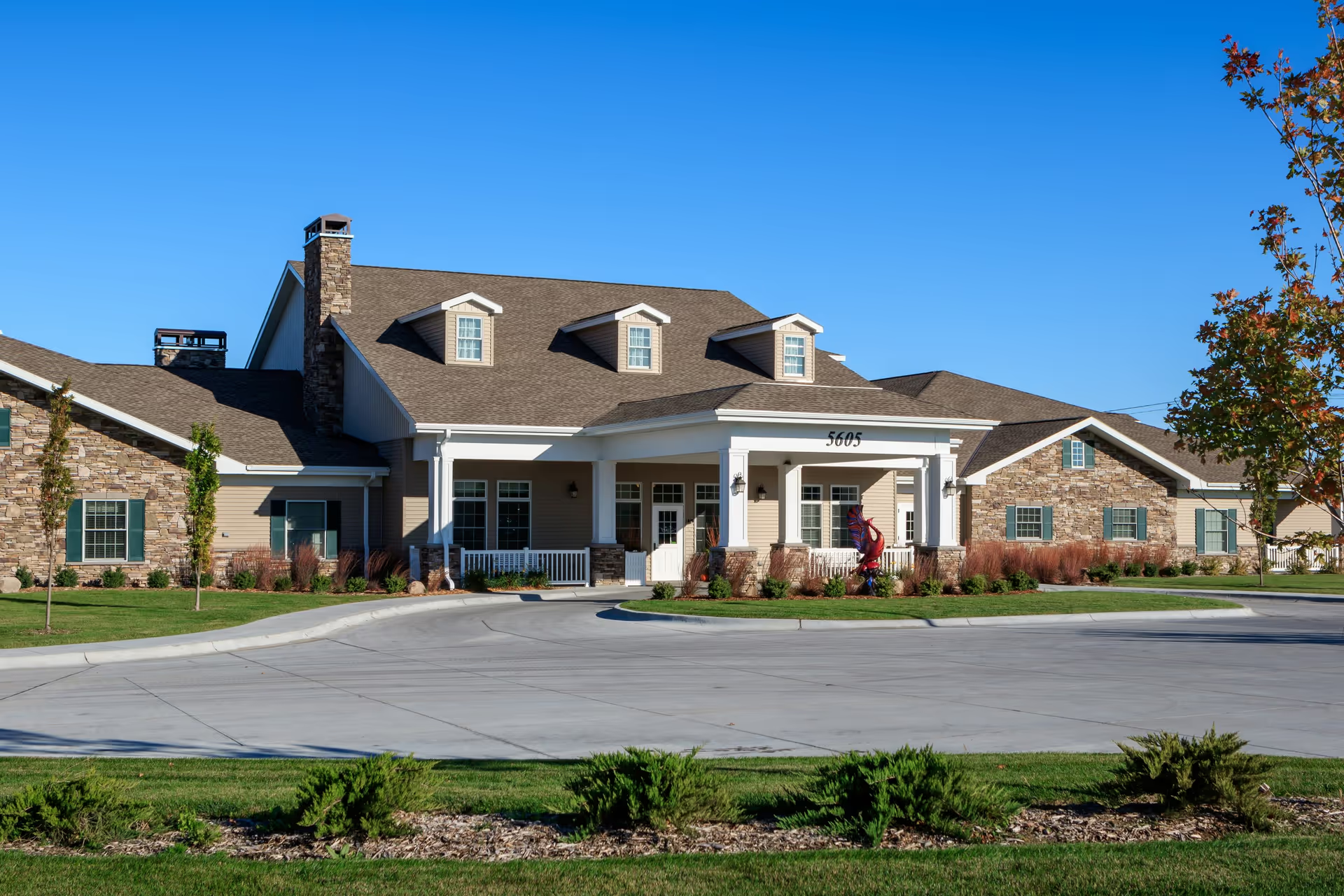
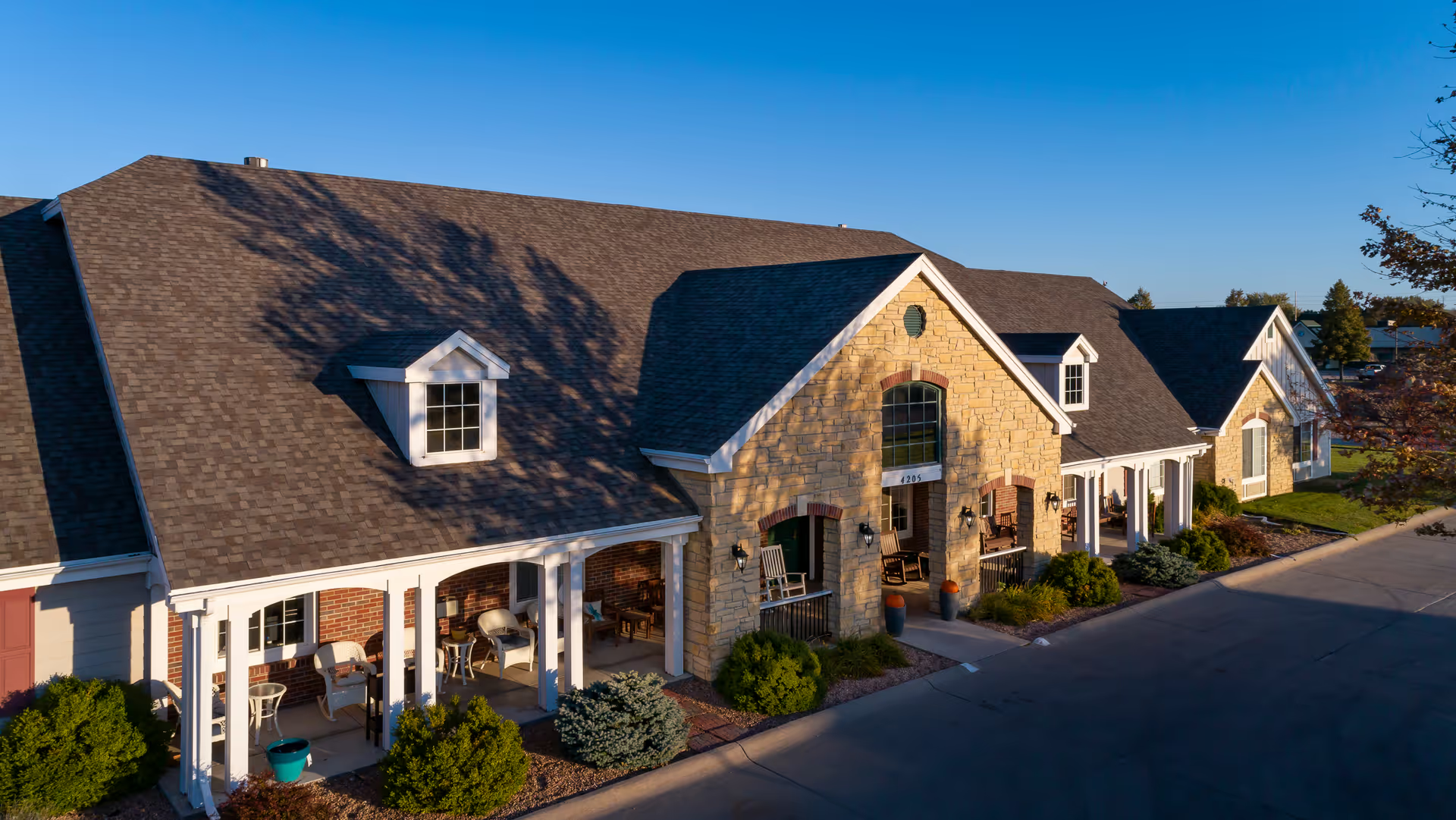
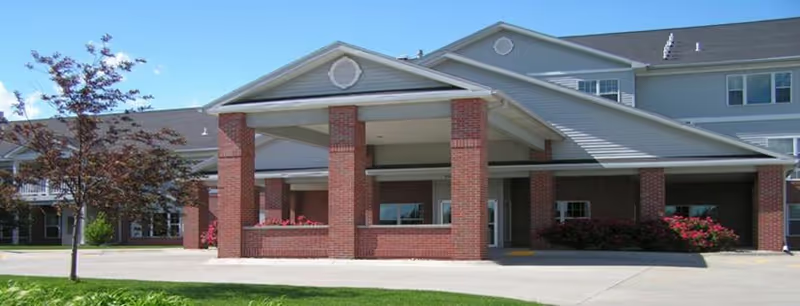
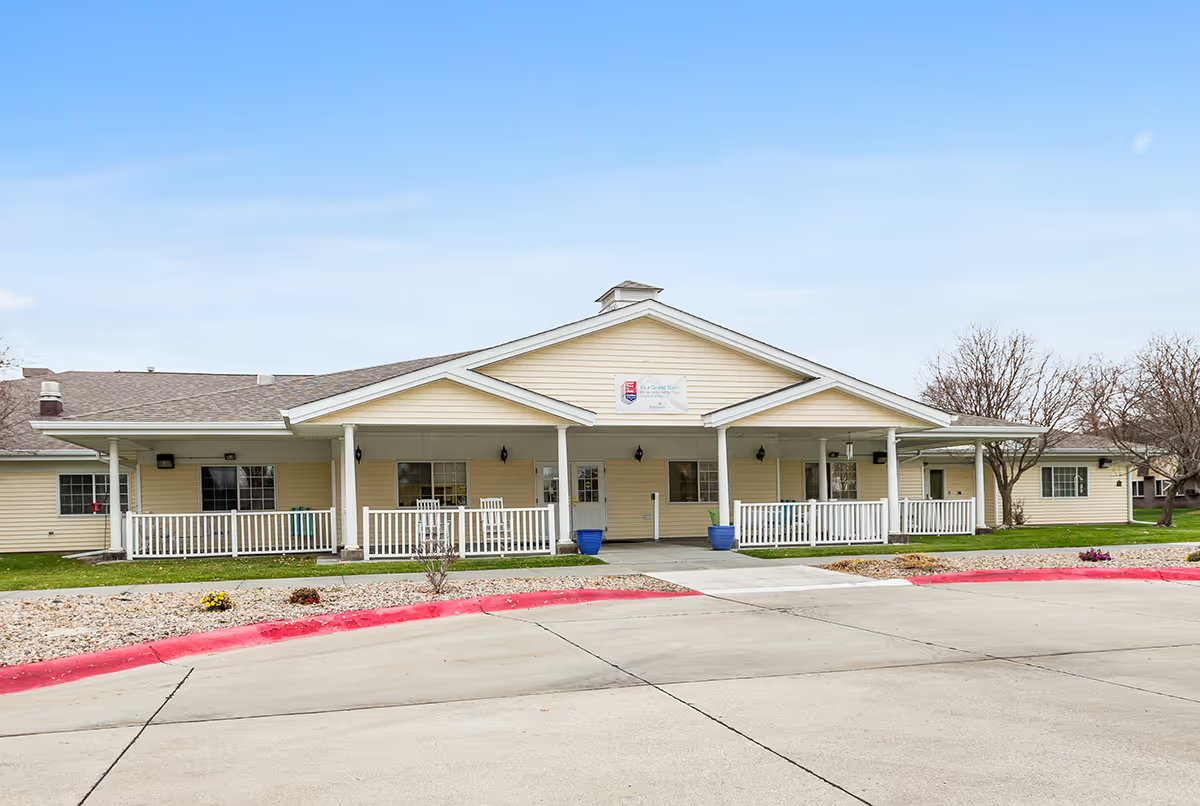
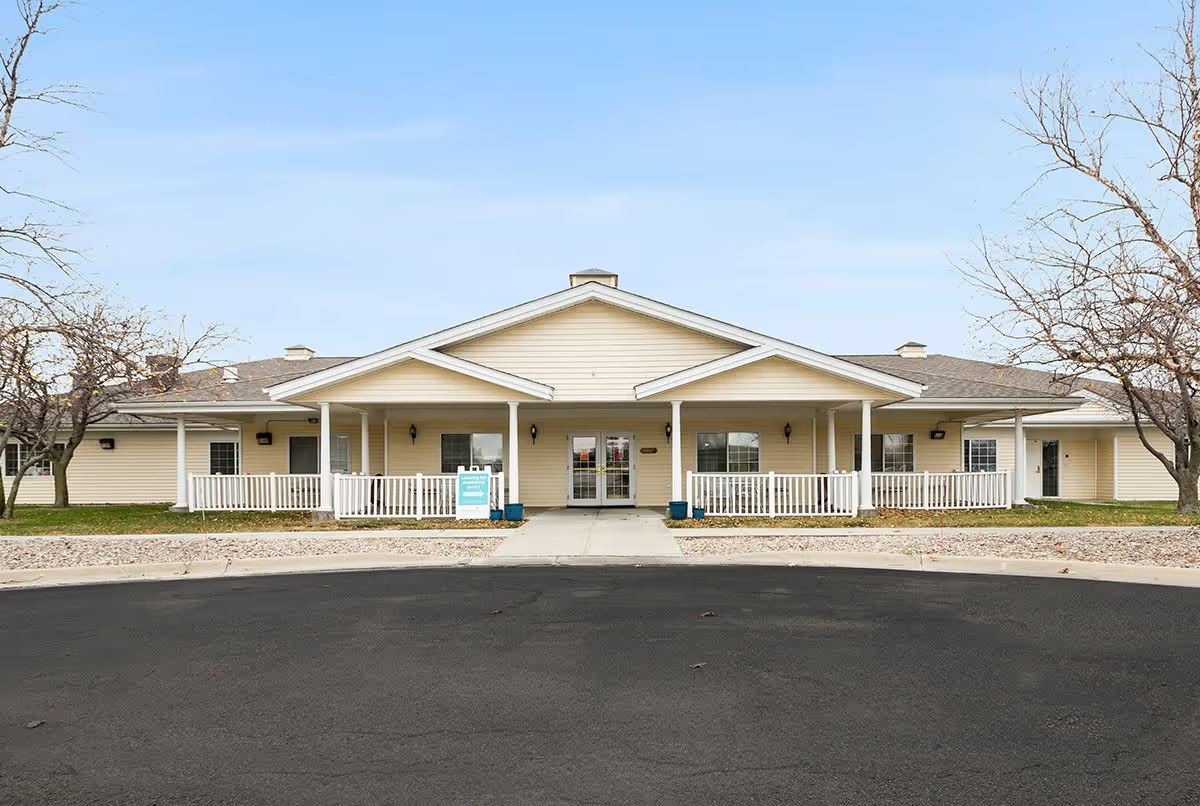
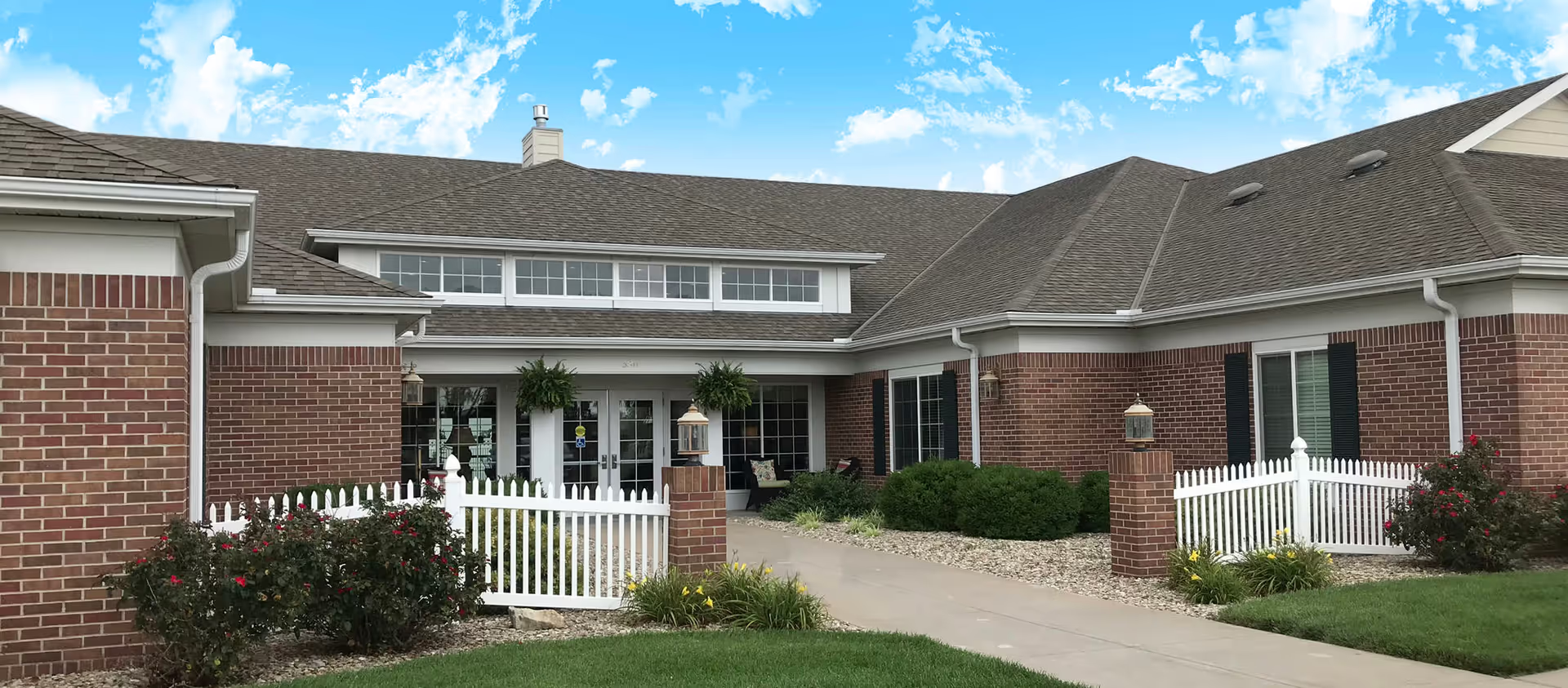
Good Samaritan Society - Grand Island Village elicits a mixed but clear pattern of strengths and operational concerns. Many families praised the facility’s campus, décor, and common spaces, along with the one-level Twin Home and duplex floor plans that facilitate independent living. Residents and families frequently noted a warm, home-like atmosphere, active programming, scheduled transportation, and visible recent improvements to the entrance and grounds. Several reviewers highlighted strong points in rehabilitation therapy and individualized caregiver attention, and the dietary team received specific positive mention.
Clinical care impressions are variable. Positive accounts describe effective therapy outcomes and attentive caregiving that supported returns home. However, multiple accounts describe inconsistent clinical execution — including concerns about medication transfers and administration, incomplete adherence to physician orders, and variability in CPAP and oxygen use. There are also recurring mentions of delayed assistance response times and difficulties obtaining timely bathroom and hygiene help; these translate into operational risks around care responsiveness and transfer-safety practices.
Staffing and communication form a contrasting picture. Many staff members were characterized as kind, apologetic, and communicative — with individual employees singled out for positive interactions — and reviewers acknowledged new administrative and maintenance leadership taking steps to address issues. At the same time, families reported staffing instability (including COVID-related turnover), nurse-station unresponsiveness at times, and variability in staff conduct and tone. These patterns are associated with family frustration around care coordination, clinical follow-through, and post-discharge communication.
Dining and nutrition received mixed feedback: the dietary staff was praised for effort and certain meal interactions, yet reviewers also described inconsistent meal delivery, accommodation errors (for example, special-diet needs not consistently met), and nutrition-related weight loss for some residents. Activities and social offerings were generally seen as strengths, with accessible programming and community events noted positively.
Facility amenities and operations show clear assets: maintenance services, on-site event spaces, covered utilities for certain units, and available internet service were appreciated. Recent leadership changes and visible campus improvements indicate administrative attention to the physical environment. Nevertheless, operational weaknesses remain in administrative processes — including billing errors and limitations around private-pay bed availability — and in post-operative care coordination, where some families found aftercare orders and physical-therapy planning inadequate.
For prospective residents and families: an in-person tour is advisable to evaluate clinical oversight, medication management protocols, and staffing coverage at different times of day. Ask about memory-care availability, post-op rehabilitation pathways, call-light response metrics, infection-control policies, and specific dietary accommodation processes. The facility demonstrates meaningful strengths in environment, therapy, and individualized caregiving, but families should verify operational safeguards that address the care-consistency and communication issues identified by other families.