Care quality: Reviewers describe a mixed care environment. Positive accounts frequently cite compassionate, skilled CNAs and nurses and notably effective physical/occupational therapy services. At the same time, many families expressed concerns about inconsistent personal-care delivery—particularly bathing and toileting schedules—and delayed responses to assistance requests. There are also recurring accounts of missed or inconsistent medication administration and documentation, which contribute to family unease about clinical reliability.
Staffing and professionalism: A prominent pattern is chronic understaffing combined with high turnover and heavy use of agency or traveling staff. This staffing model appears to affect continuity of care and teamwork; several families described delays in basic assistance and variability in staff conduct. Concerns about staff training, cellphone use during work, and the tone of some caregivers were raised alongside praise for specific frontline employees who were described as helpful and attentive.
Dining and activities: Comments about dining are relatively mixed-to-positive. Meals are often described as visually appealing and acceptable, although some families reported cold food on occasion. The activities program and laundry services receive consistent positive mentions; activity staff are characterized as engaged and the laundry operation as reliable.
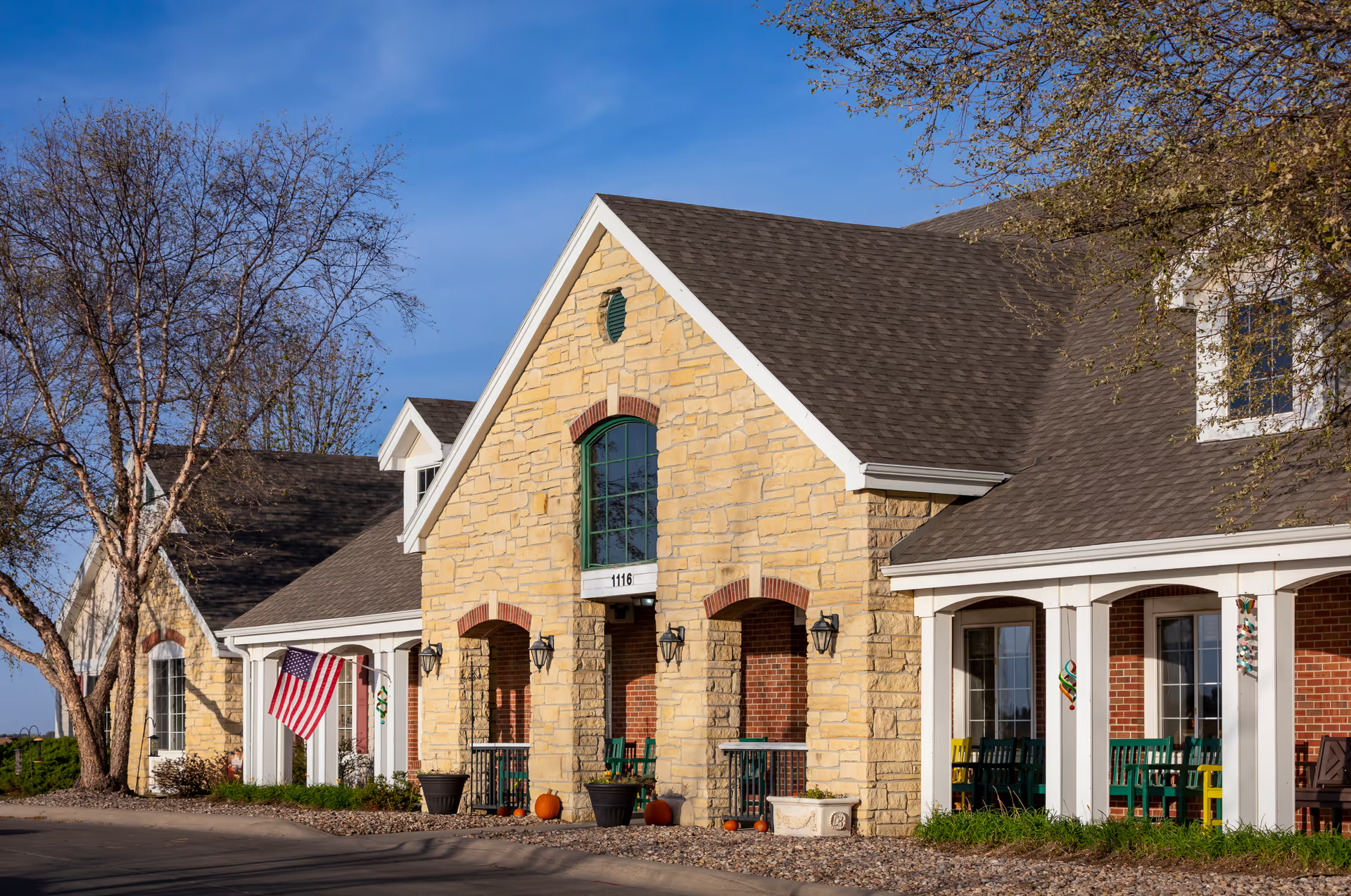
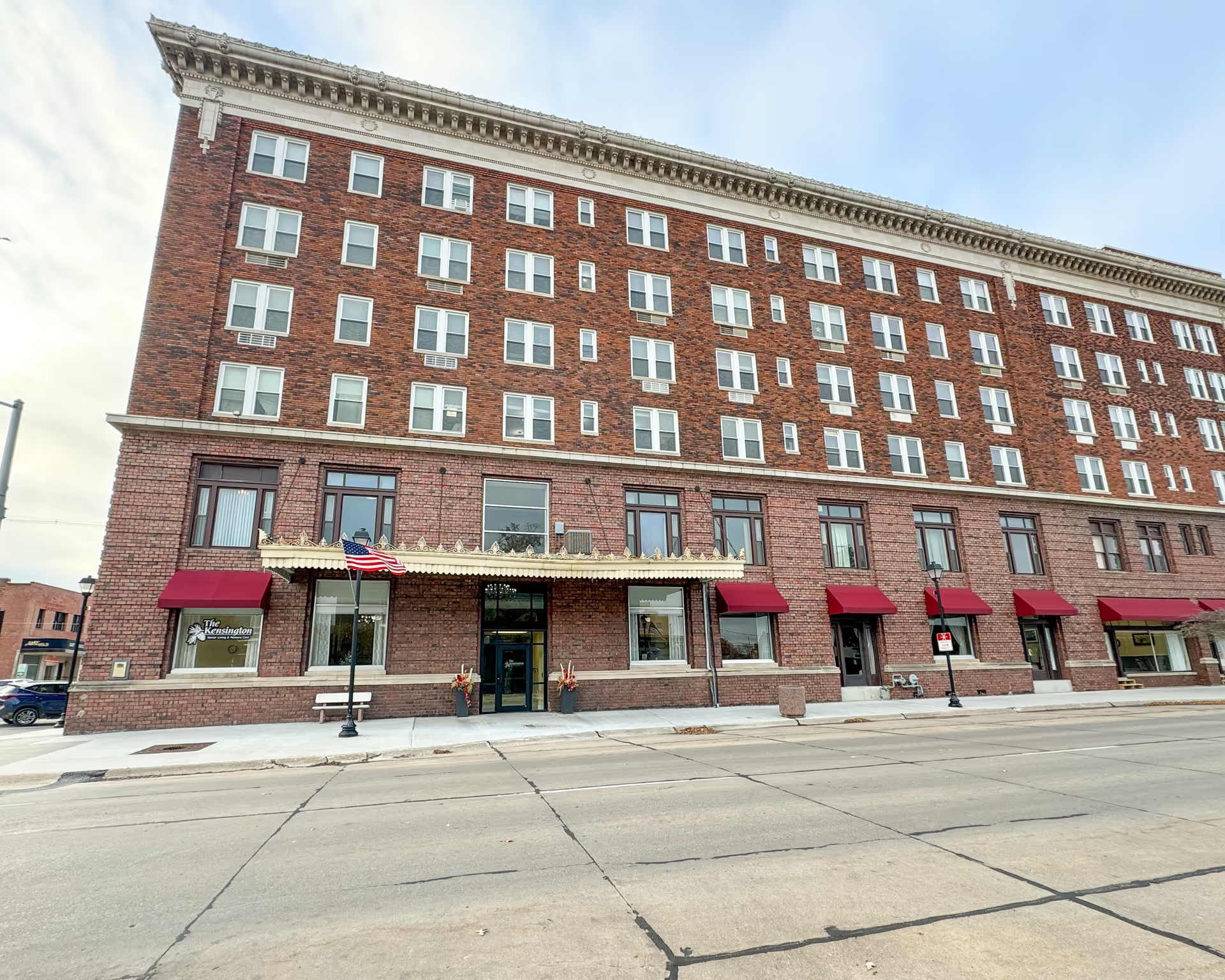
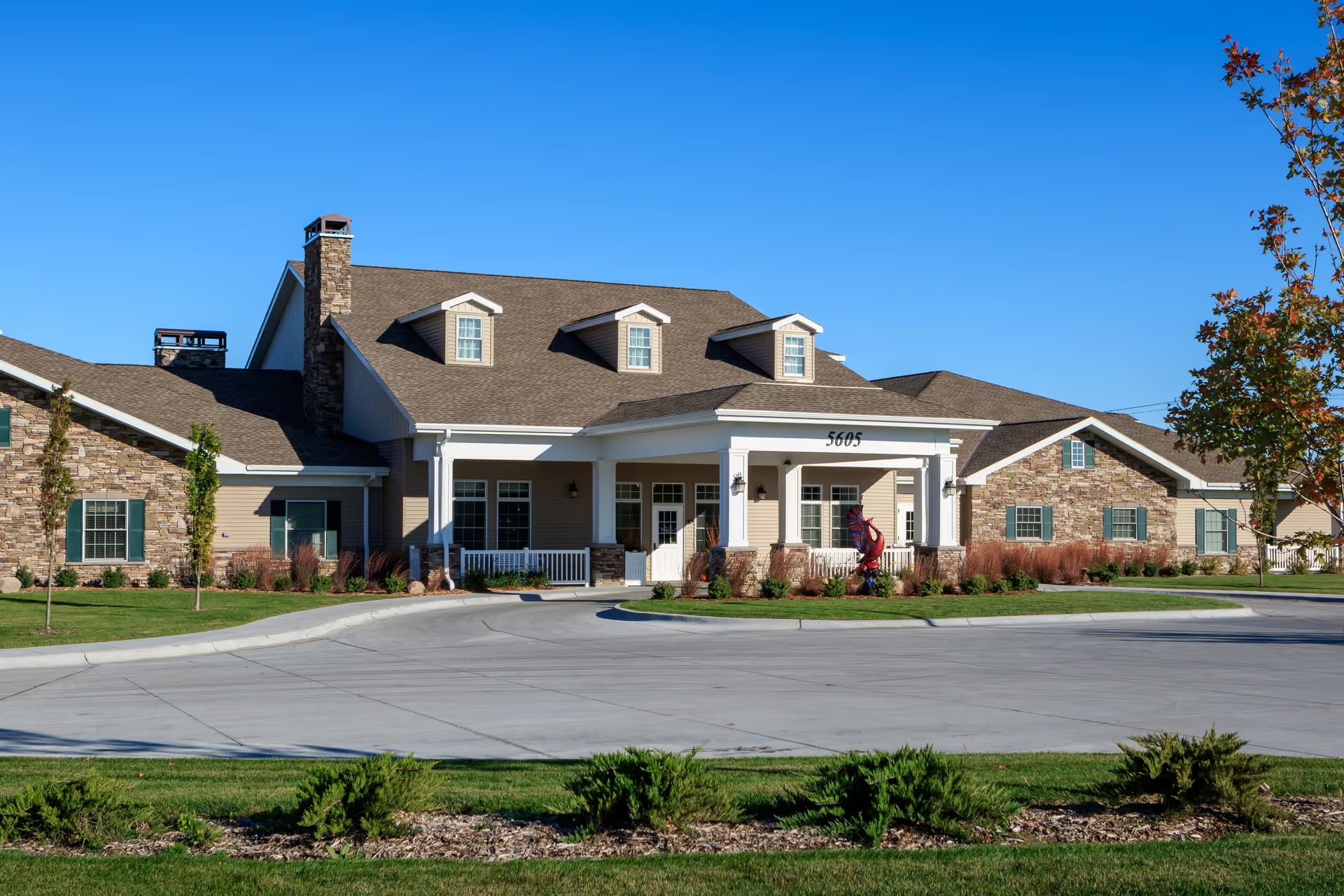
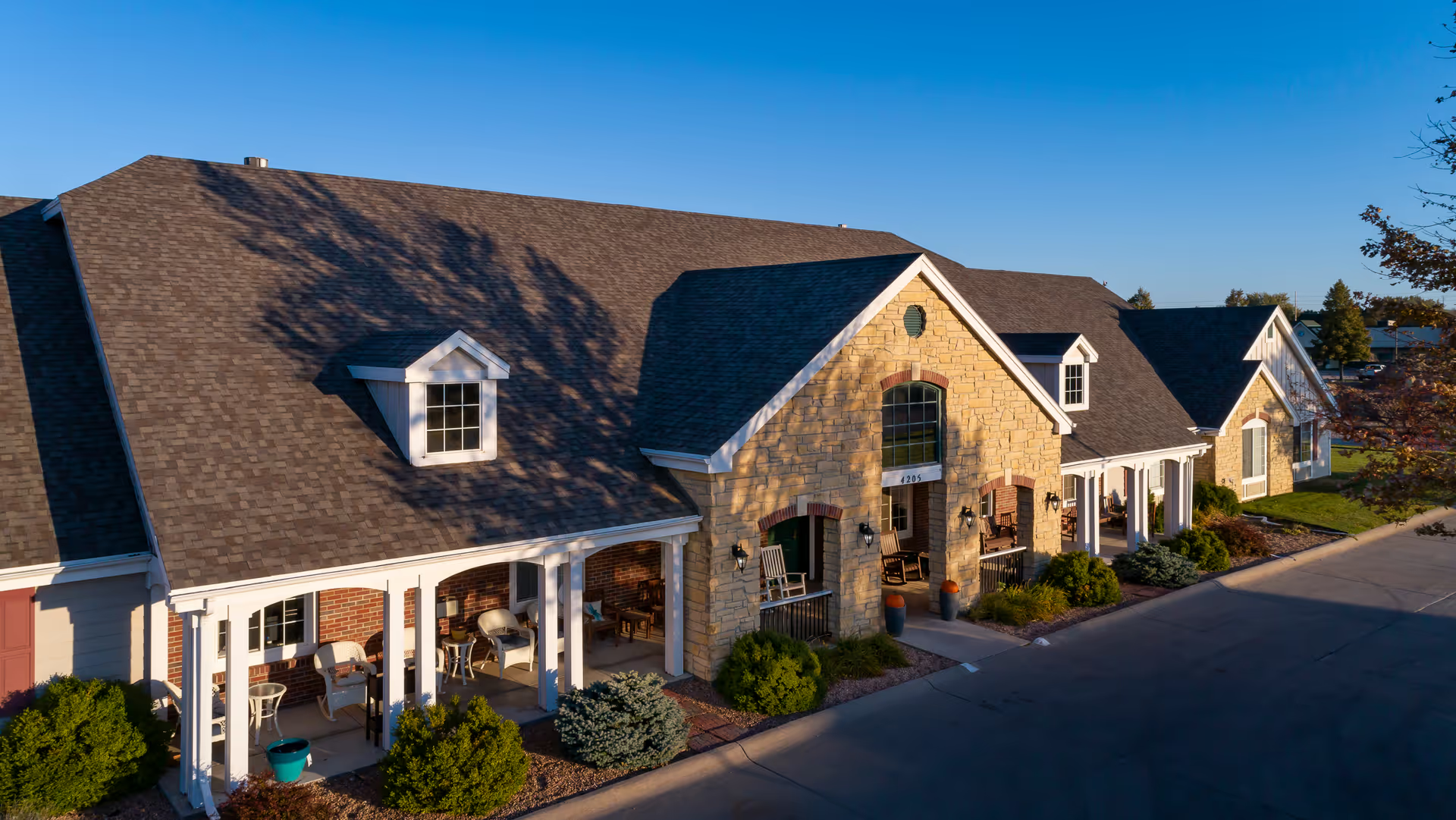
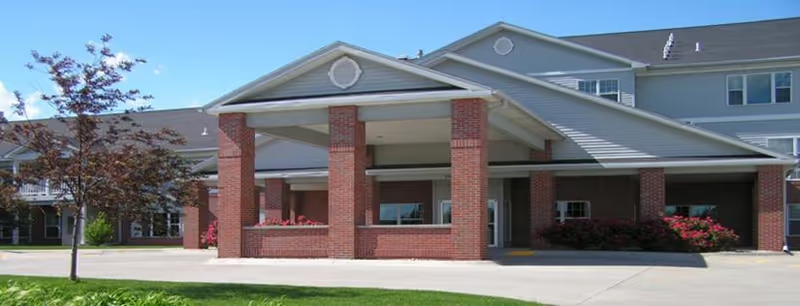
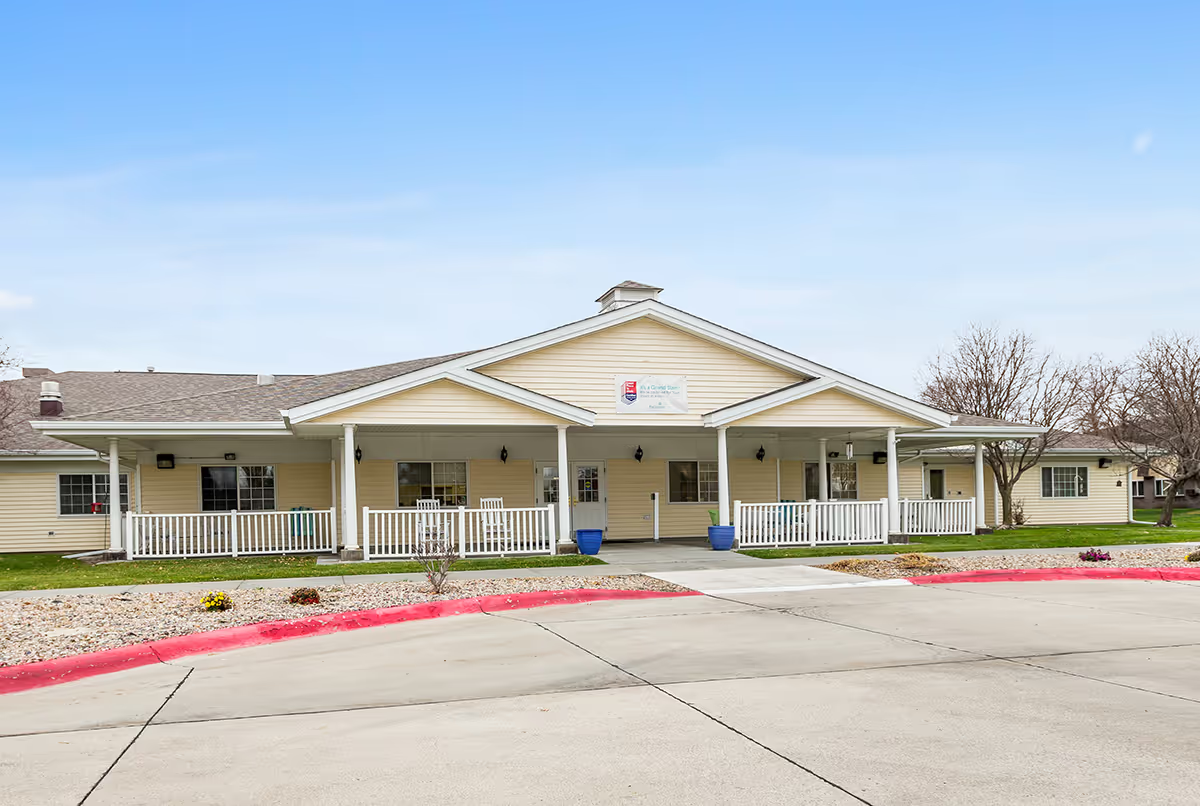
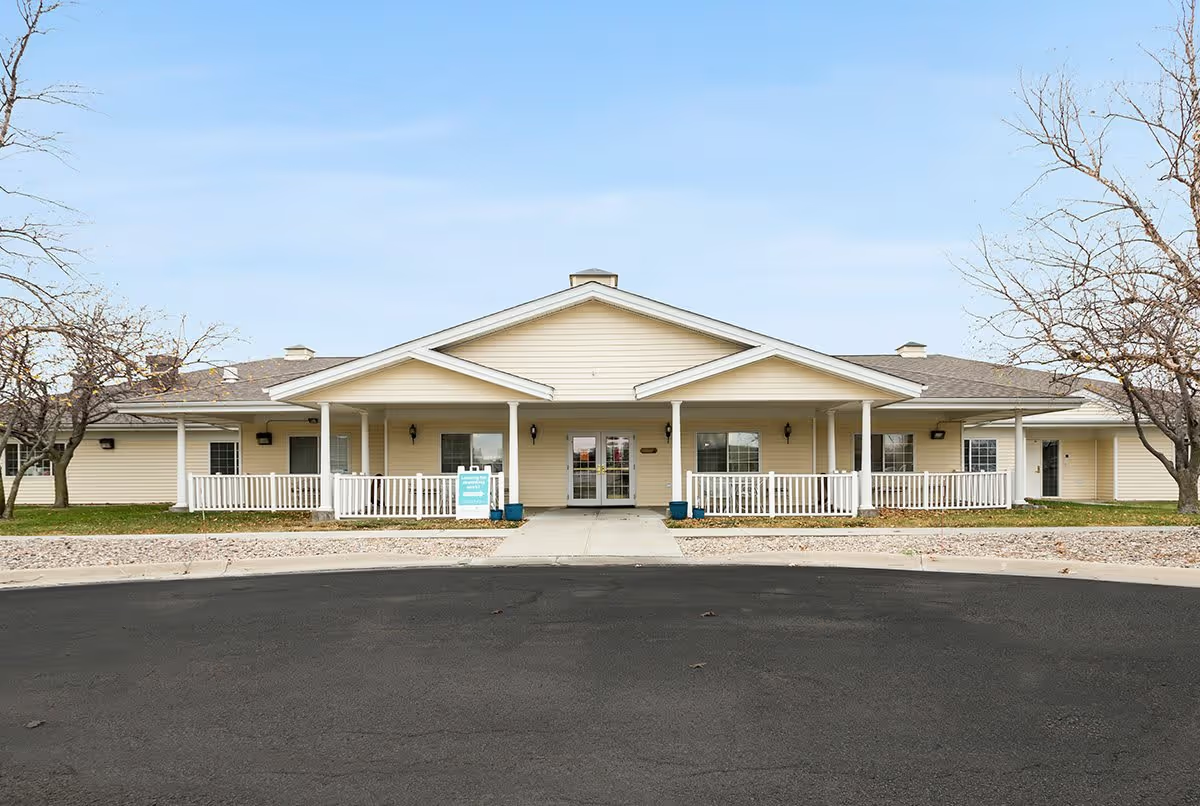
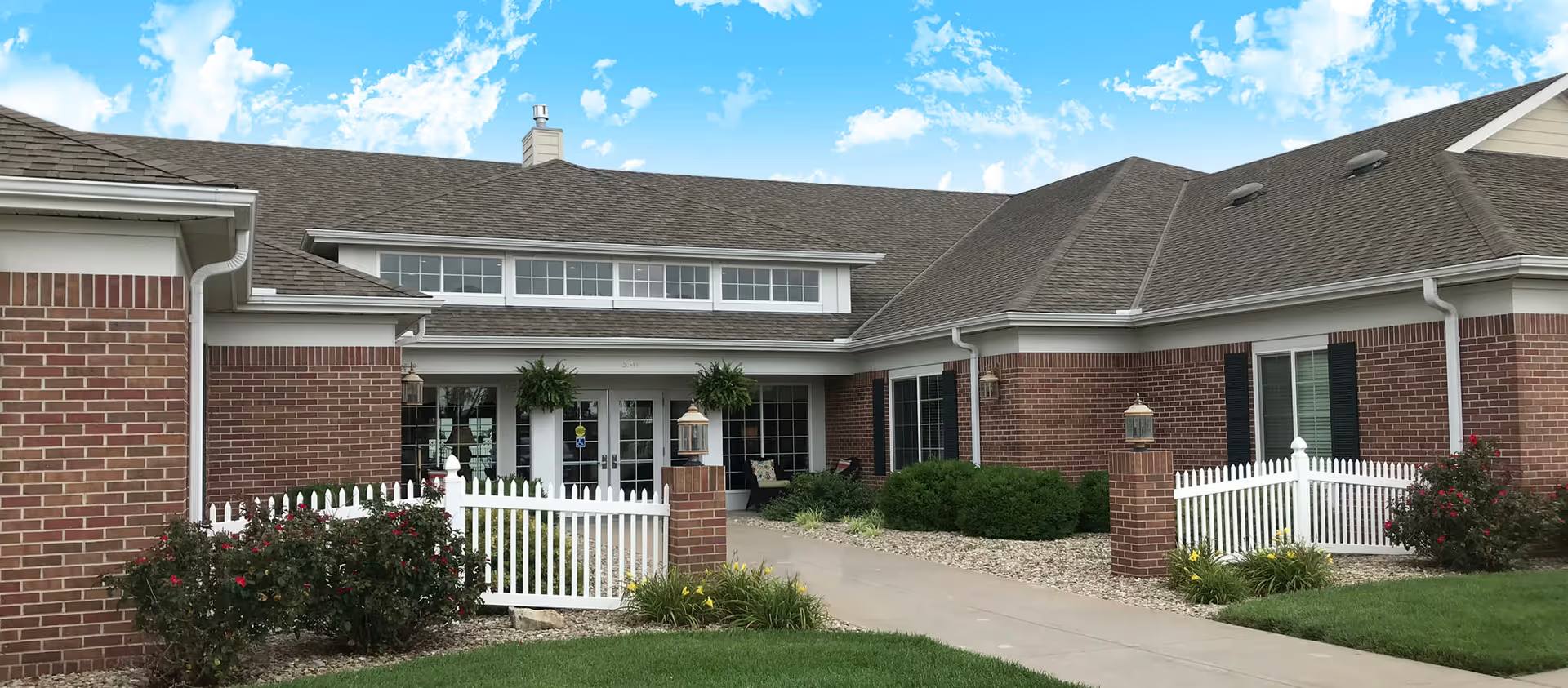
Facilities and maintenance: There are substantial concerns about the physical environment. Reviewers report maintenance and repair deficiencies, stained or worn finishes, and exterior grounds issues. Housekeeping and sanitation shortcomings in resident rooms and communal spaces are noted, along with odor and pest-control concerns. These facility issues are cited as affecting resident comfort and the overall impression of the building.
Management, communication, and patterns: Families' experiences with management are mixed. Some reviewers describe active management engagement and a stated direction toward improvement, while others report frustration with unresolved complaints, limited follow-through, and restricted transparency (for example, difficulty locating regulatory or inspection documentation). Patterns that emerge across reviews include inconsistent complaint resolution, gaps in family communication, and uneven enforcement of facility standards.
Overall impression: The facility displays clear strengths—notably dedicated direct-care staff, effective therapy services, an active activities program, and solid laundry operations—but also persistent operational weaknesses that affect resident experience. The dominant themes are staffing instability, variability in personal-care and medication practices, housekeeping and maintenance deficits, and communication shortfalls. Prospective residents and families should weigh the positive clinical and programmatic elements against these operational concerns, ask targeted questions about current staffing, maintenance plans, grievance processes, and regulatory status, and, if possible, seek recent documentation or an in-person tour to verify whether planned improvements are being implemented.