Morton Memory Care is consistently described as a small, home-like memory-care community with a strong emphasis on compassionate, personalized care. Families frequently highlight the staff’s warmth, patience, and family-style approach; administrative staff and the director are often characterized as accessible and personally involved. Clinical care for dementia appears to be a core strength, with reviewers noting attentive daily care, on-demand assistance, and an environment that promotes increased alertness and social interaction among residents.
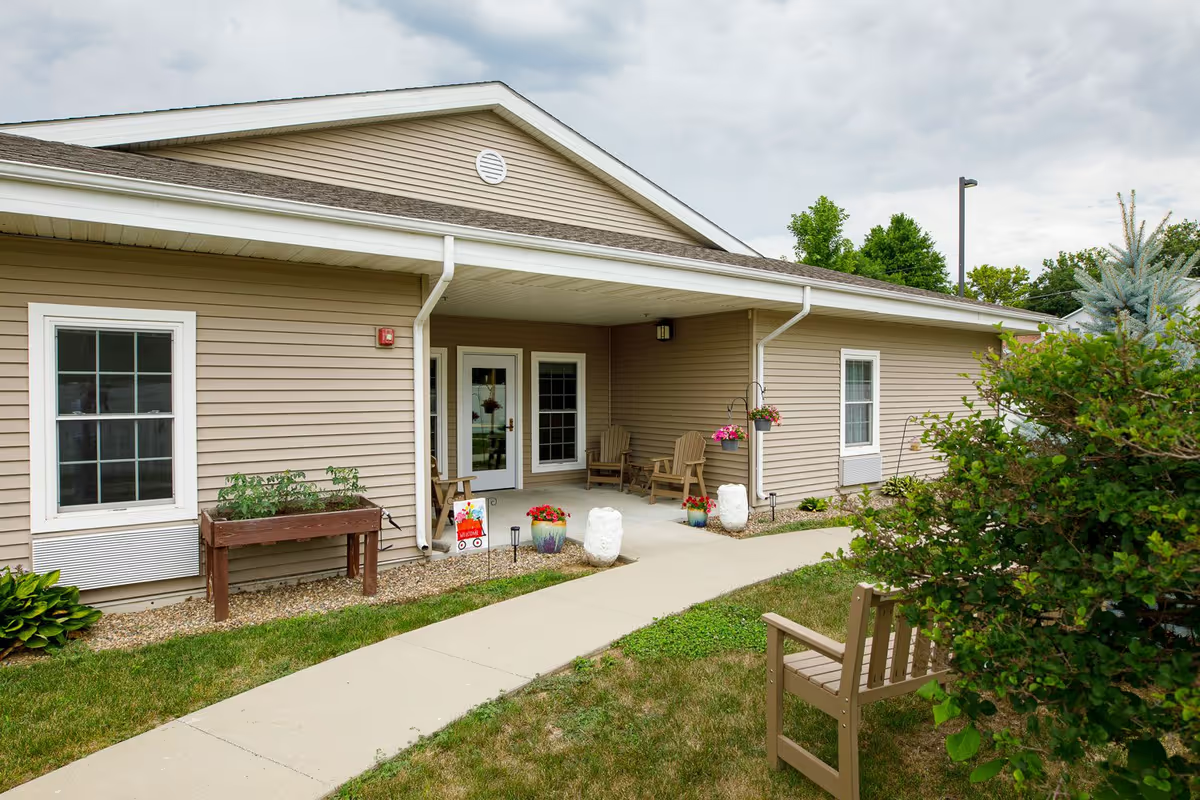
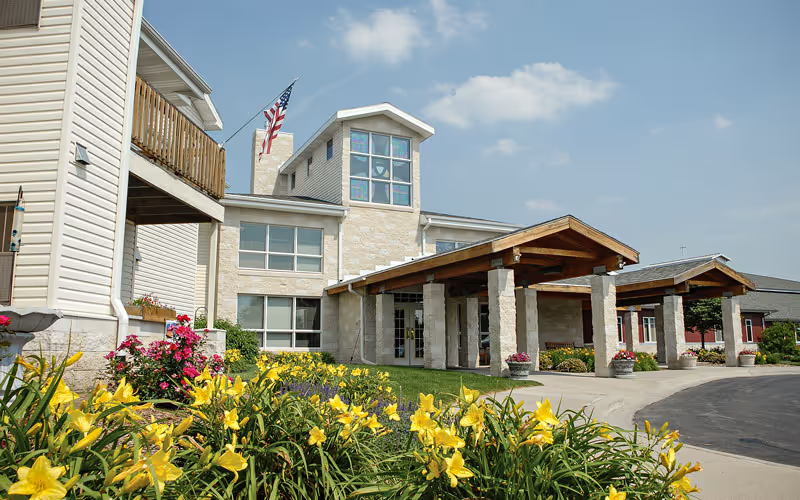
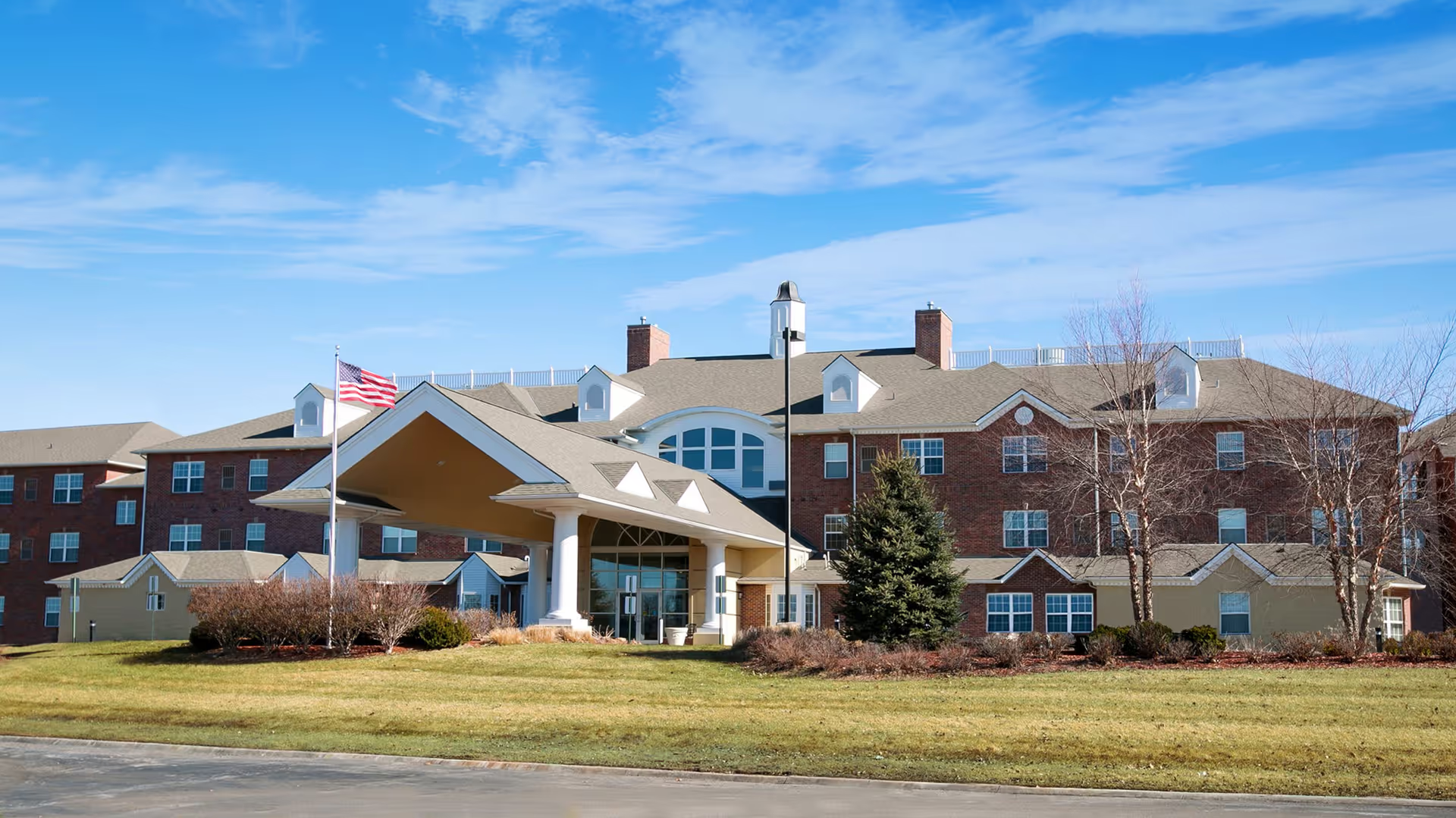
The facility’s physical environment receives favorable comments: clean, well-maintained interiors, attractive lobby and dining-room décor, and communal living spaces such as a great room and fireplace that foster socialization. Reviewers appreciate the ability to bring personal furnishings, the small scale that makes navigation easier, visible security features, and touches such as a veterans recognition display. Move-ins and transitions are commonly described as smooth, with staff support and prompt attention to clinical and clerical needs.
Dining and activities are prominent positives. Meals are often described as pleasantly presented, restaurant-like, and enjoyed by residents; many reviewers also note posted daily activities, morning exercise routines, and meaningful social programming. At the same time there are recurring operational concerns around menu flexibility — some families cite limited variety or difficulty accommodating dietary or cultural preferences — and a minority described the kitchen quality as inconsistent.
On the operational side, several facility-level limitations appear in the feedback. Morton operates as a private-pay community and does not accept Medicaid, which affects affordability for some families. Accessibility for non-ambulatory residents is a concern in at least one area (bath/shower access for bed-bound residents). In-room communication infrastructure is limited in some units (absence of room phones was mentioned). There are also intermittent management and communication issues: families described lapses in follow-up, an instance of care-level changes occurring without adequate notice, and at least one unresolved fee/refund dispute. Additionally, a few comments suggest gaps between services promised (community involvement) and services delivered.
Overall, Morton Memory Care projects a strong, resident-centered model for memory care with notable strengths in staff compassion, cleanliness, and an inviting physical environment. Prospective residents and families who value personalized attention and a small, home-like setting are likely to find the community appealing. Families should, however, confirm administrative policies (payment/refund terms, care-level change procedures), verify specific accessibility and in-room communication features for highly dependent residents, and discuss dietary accommodations before committing.