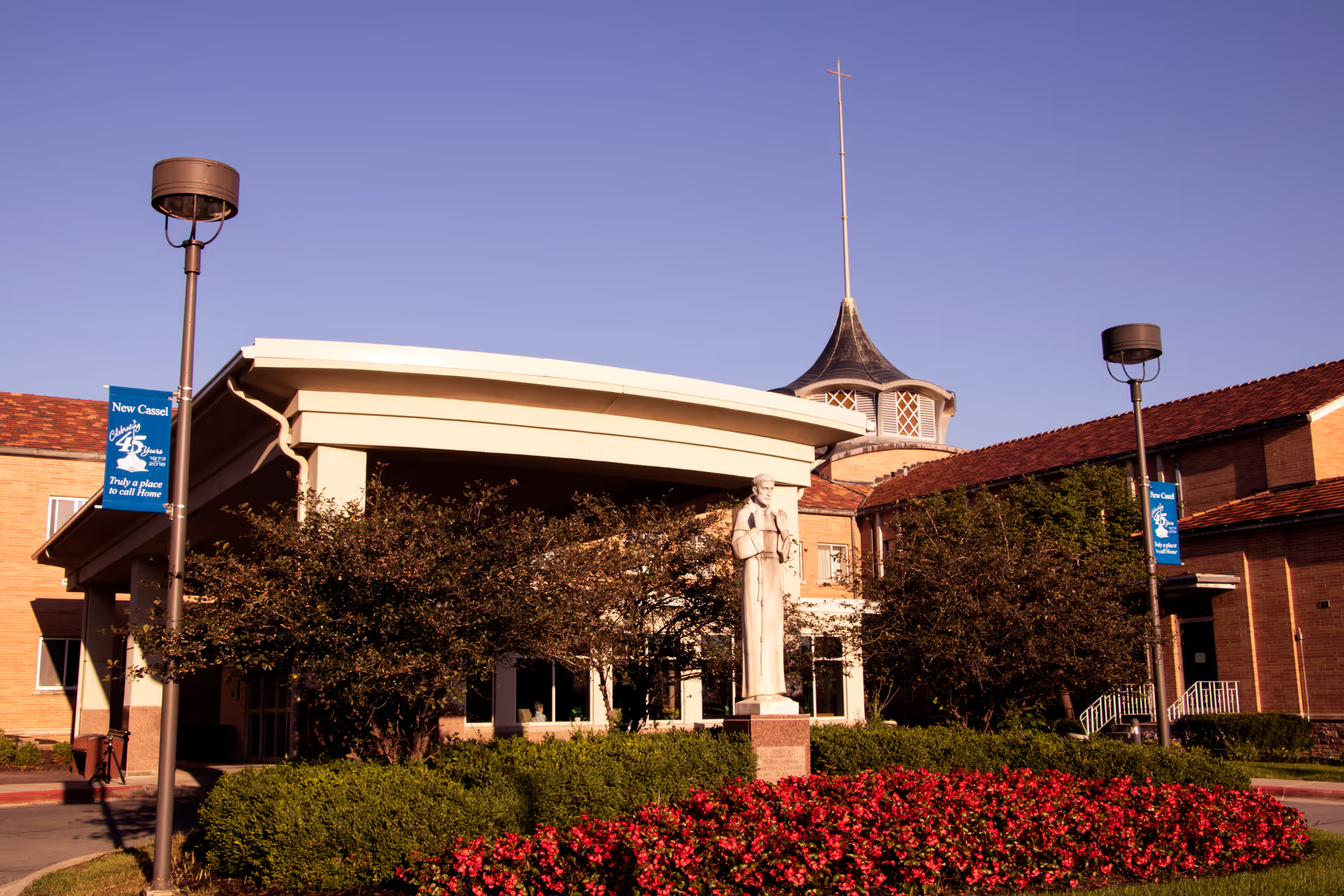
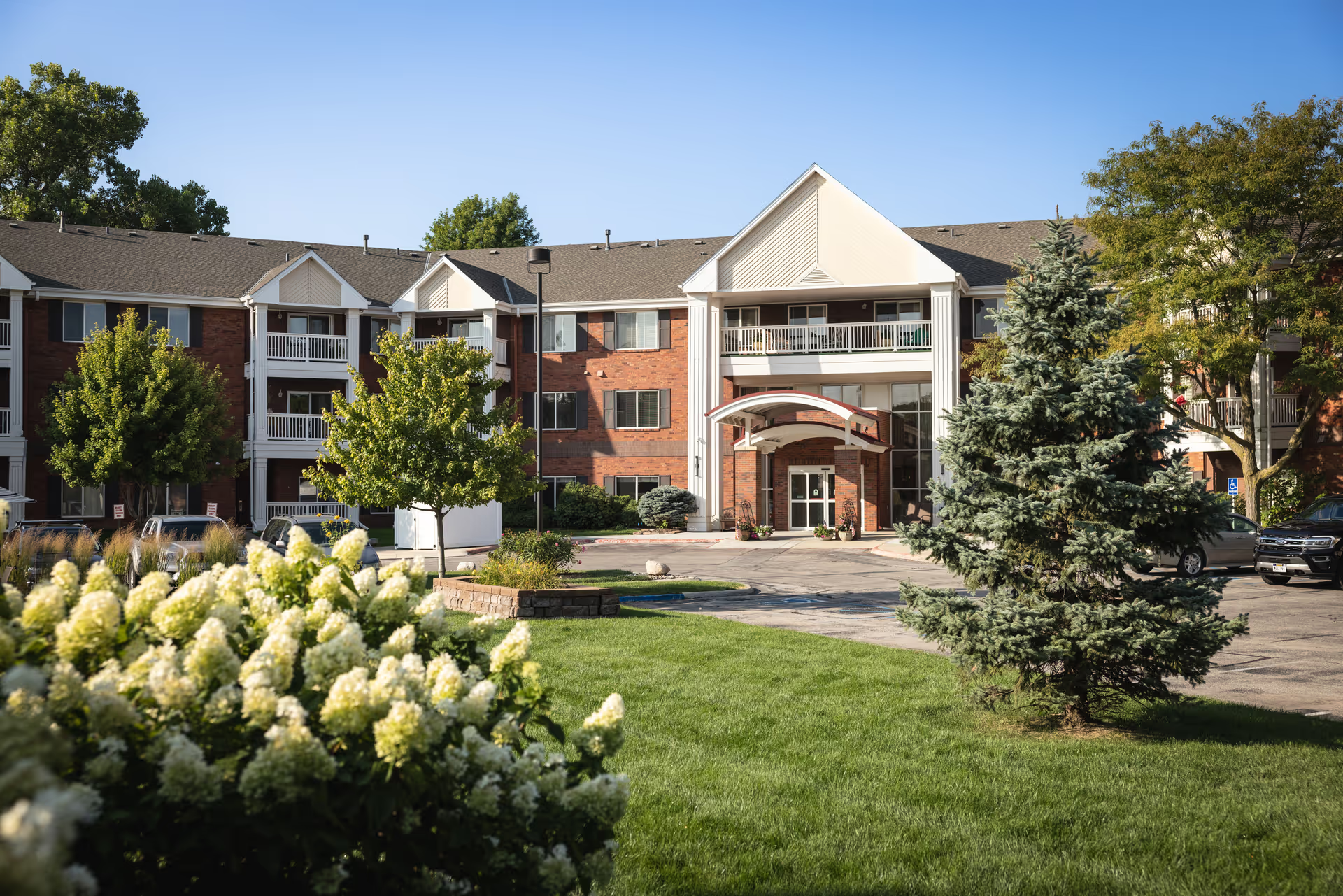
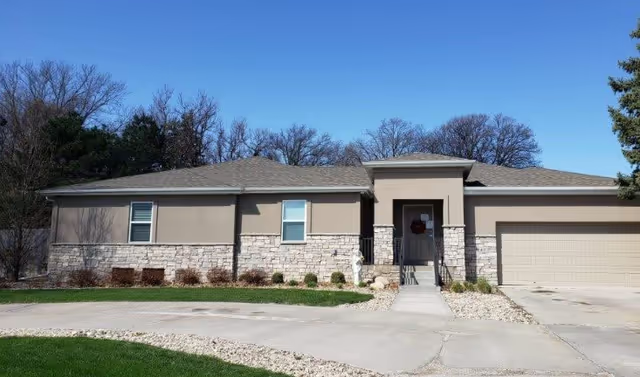
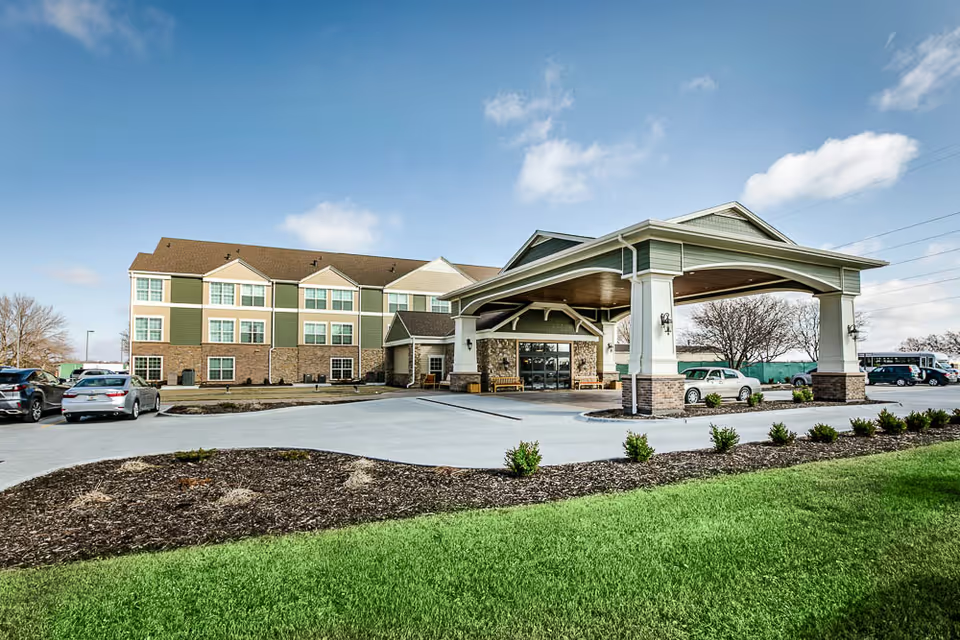
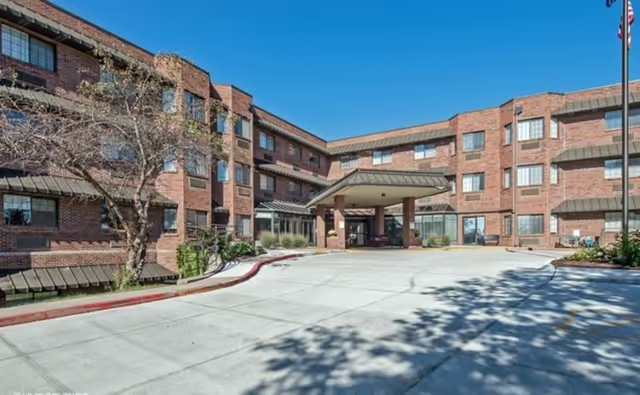
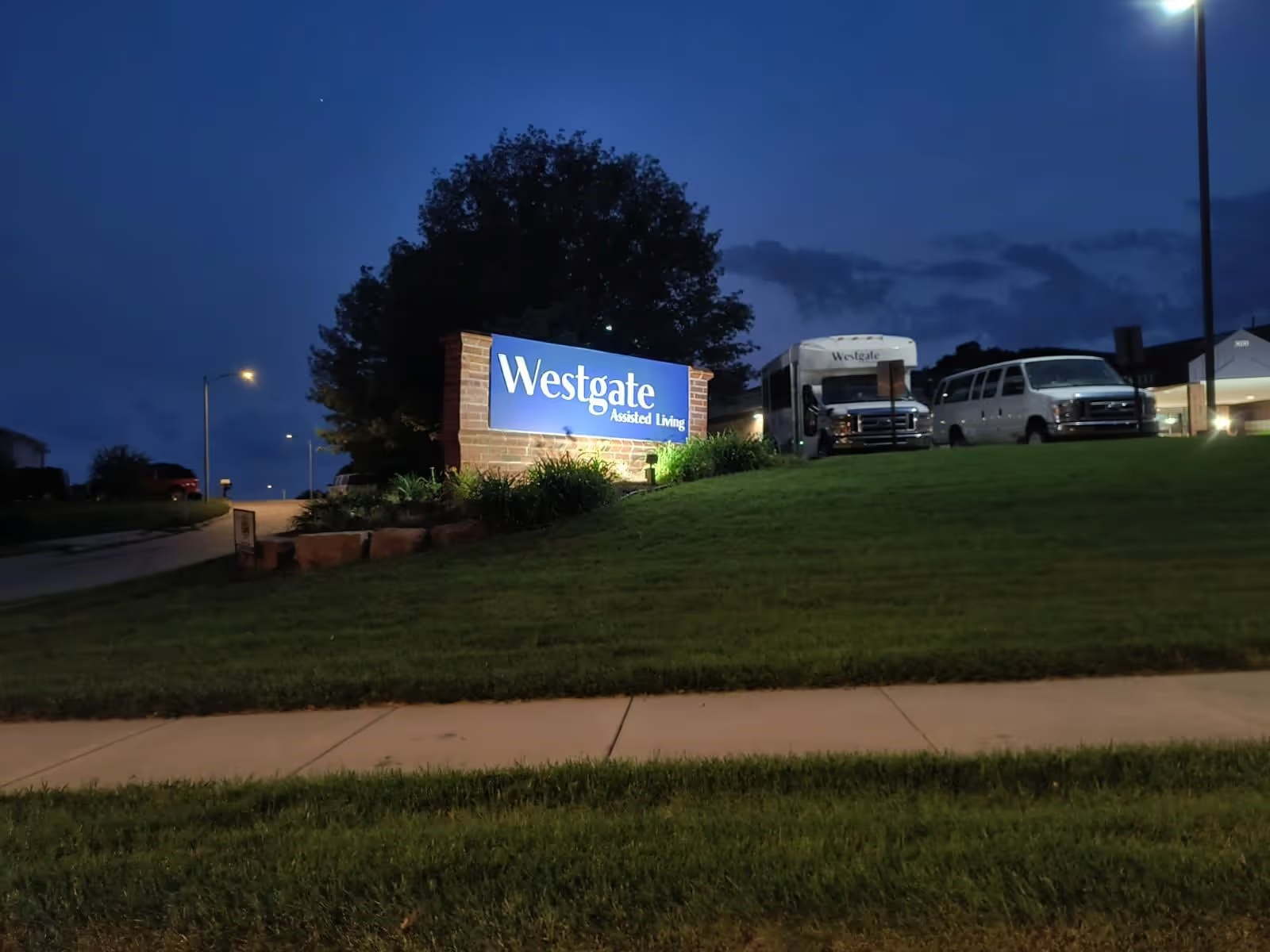
Astoria Senior Living Omaha elicits strongly polarized impressions: many families praise a warm, activity-rich community with attractive, recently renovated public spaces and a dining program that some describe as a major strength; others raise operational concerns that affect day-to-day care reliability. The facility’s visible strengths include an engaged, personable caregiving team (housekeeping and some front-line staff receive consistent positive feedback), a robust calendar of activities and outings, on-site therapy/transportation services, and a clear continuum of care that extends through hospice. Physically, reviewers commonly describe clean, well-furnished common areas and a campus-like environment that residents and visitors find pleasant.
Care quality is described as uneven. Positive accounts emphasize hands-on, compassionate staff who know residents by name and support social and therapeutic engagement. Contrasting accounts identify variability in clinical performance tied to staff turnover: delayed medication administration, slow call-light response, missed or delayed bathing/laundry schedules, and intermittent weight or skin monitoring. These operational inconsistencies appear to stem in part from frequent staffing changes and the use of temporary/agency workers, which reviewers link to variability in language skills, training, and familiarity with residents’ routines.
Dining and activities are among the facility’s most celebrated elements, with many families noting enjoyable main-dining meals, varied menus, live entertainment, and an energetic activities team that produces outings and special events. That said, several reviews describe inconsistent meal availability (cold or short-supplied villa meals, differing experiences across dining venues) and a shift in food quality over time for some residents. Activity delivery also shows variability: while activity staff receive high praise, families reported periods when scheduled programs were reduced or attendance and engagement declined.
Facilities are generally described as attractive and recently updated, though room size and storage are frequent negatives—bedrooms are often small, with limited closet space and compact bathroom layouts. Maintenance-related issues are raised in multiple accounts: loose fixtures, cabinetry problems, intermittent equipment outages, and hazards associated with ongoing renovation work. These concerns coexist with positive comments about cleanliness and housekeeping when staffing permits.
Management, billing, and administrative practices are recurrent areas of concern. Reviewers describe opaque pricing, sudden rate increases, off-campus clinical evaluations, unexpected upfront fees, and difficulty obtaining itemized billing. Communication gaps with upper management—slow callbacks, limited follow-through on promises (including Medicaid placement), and unsatisfactory responses to adverse events—contribute to family frustration. Memory-care-specific issues appear notable: questions about unit placement transparency, access/security practices, and perceived rationing of memory-care services.
Notable patterns for prospective families: experiences vary widely depending on the unit, time of day, and staff on duty. The strongest consensus is that front-line staff and activity teams can provide a meaningful, enriching environment, while systemic issues—turnover, management communication, billing opacity, and some clinical process gaps—can undermine consistency. Families considering this community should request current staff turnover data, written medication- and call-response protocols, a detailed, itemized fee schedule, clarification of memory-care security and placement practices, and an on-site tour during active service hours to observe meal service and activities in practice.