Overview: Bailey Pointe at Miracle Hills elicits strongly mixed but specific impressions. Many families and residents praise the caregiving staff for being warm, compassionate and attentive; individualized care plans and particular caregivers received repeated positive remarks. The community is frequently described as clean, with spacious units, a home-like atmosphere and active programming that includes outings, entertainers, Bingo and courtyard events. On-site medical availability and a range of services make the campus a practical option for people seeking assisted living with social engagement.
Care quality and staff: Caregivers are often characterized as patient and dedicated, and multiple accounts note measurable improvements in residents’ mood and engagement after moving in. At the same time, there is a clear pattern of staffing instability: reviewers cite high turnover, weekend understaffing and reliance on temporary or agency personnel. That instability is associated with operational problems cited elsewhere (delays in medication passes, slower response times, inconsistent assistance with activities of daily living). While several reviewers singled out specific staff members as exemplary, others described concerns about staff conduct or communication tone. Prospective families should evaluate current staffing patterns and weekend coverage during a visit.
Clinical processes and safety: Several reviews describe clinical-process weaknesses that warrant attention: inconsistent medication-administration practices, delayed med passes, and gaps in wound-care monitoring and follow-up. These items raise concerns about clinical oversight and infection surveillance protocols. There are also references to isolated safety and operational incidents that suggest opportunities to review the facility’s safety oversight, background-check processes, and incident-reporting practices. Prospective residents and families should ask about medication administration protocols, clinical staffing ratios, wound-care policies, and incident escalation pathways.
Dining and daily services: Dining receives mixed feedback. Many reviewers praise the meals, variety and accommodating dietary service, with some describing the food as excellent. Others note inconsistent quality, small portions, limited fresh-fruit availability, and turnover in kitchen leadership affecting menu consistency. Laundry and personal-linen service frequency was identified as a concern in some accounts. Those evaluating the community should sample meals and confirm laundry schedules and dietary accommodation procedures in writing.
Activities and social life: Activities are a strong point for the community overall. Reviewers report abundant programming, visiting entertainers, outings and a range of on-site engagement options that support socialization and improved mood. However, a few comments indicate gaps in formal activities leadership at times; checking the current activities calendar and staff assignments is advisable during a tour.
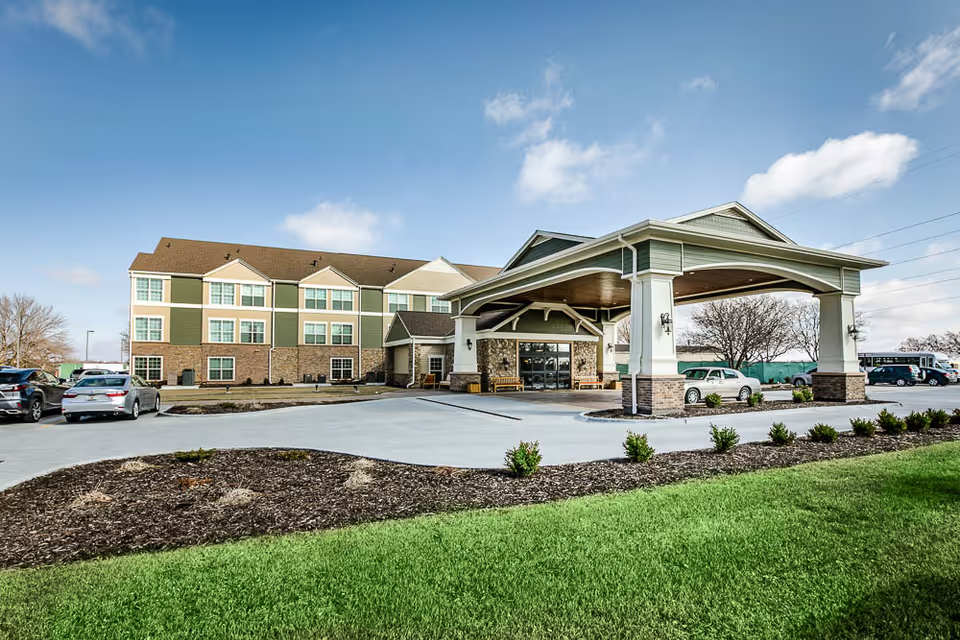
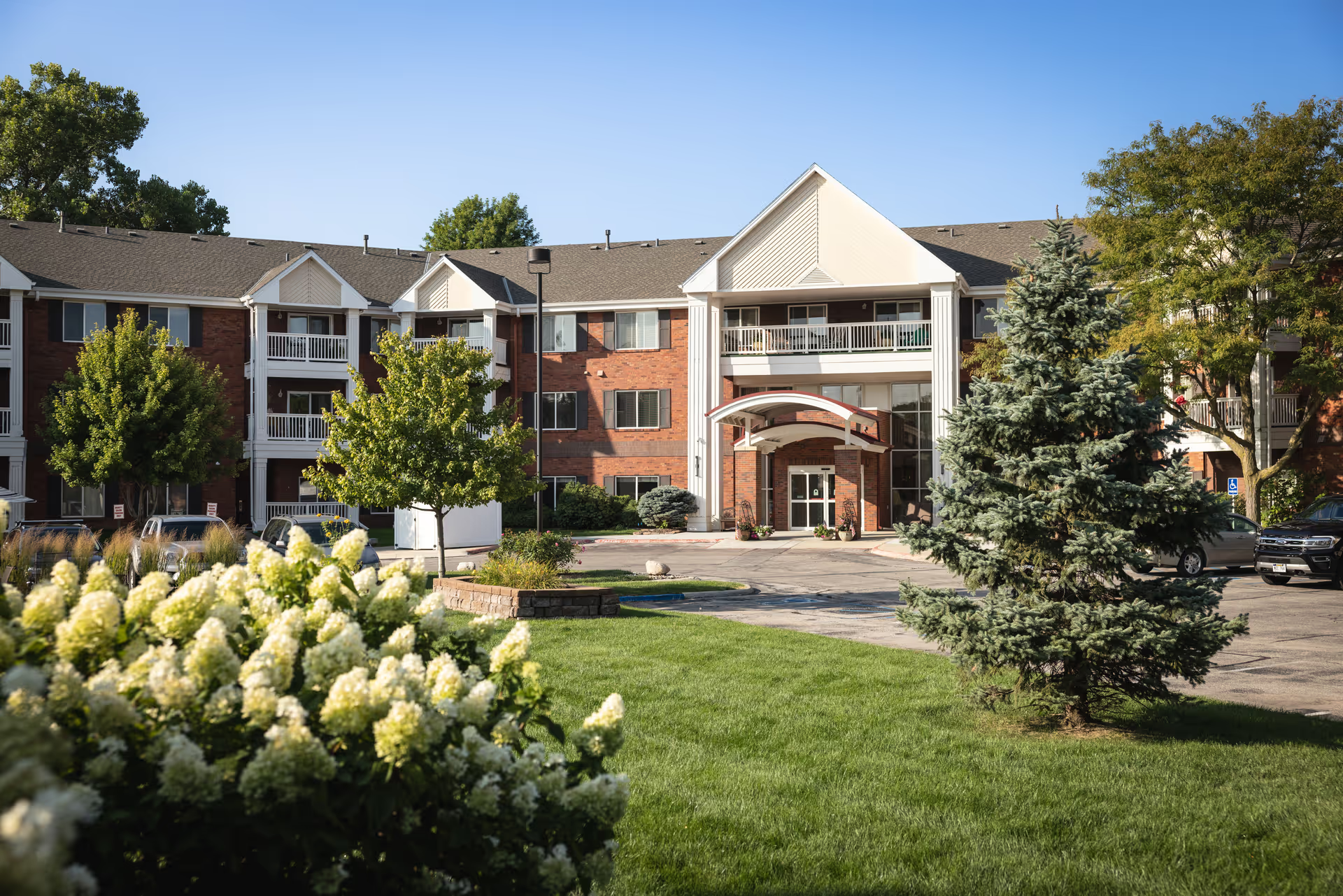
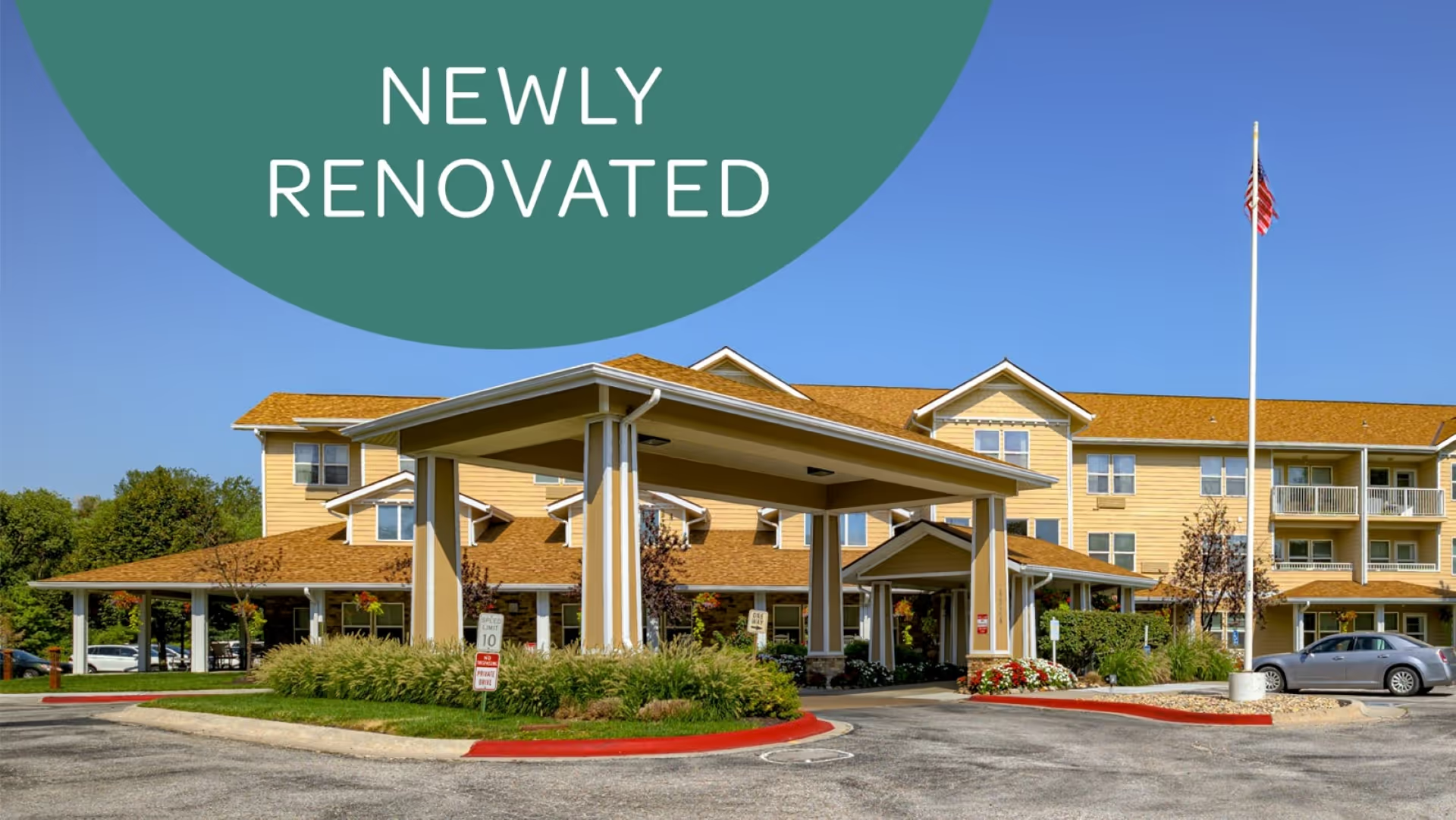
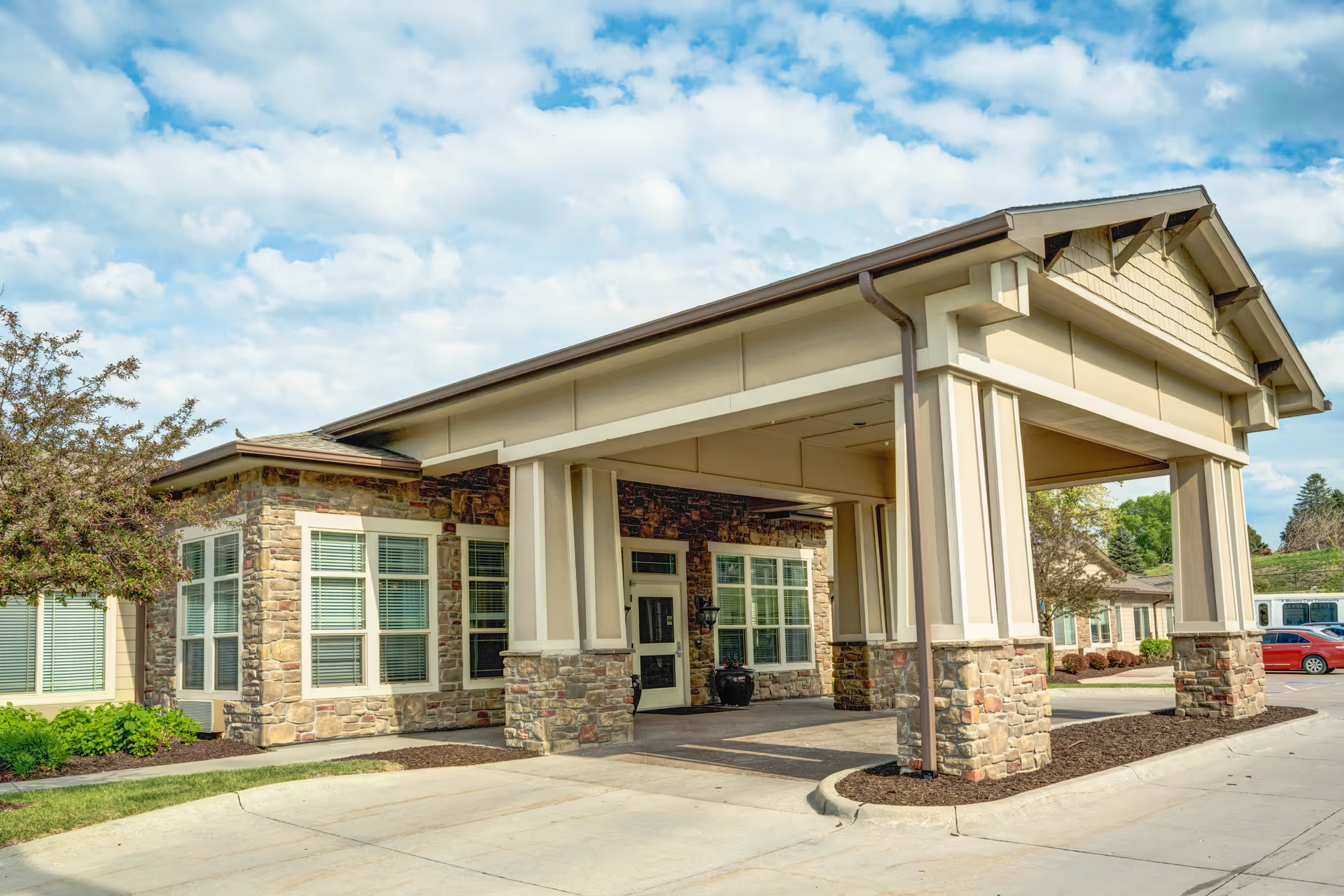
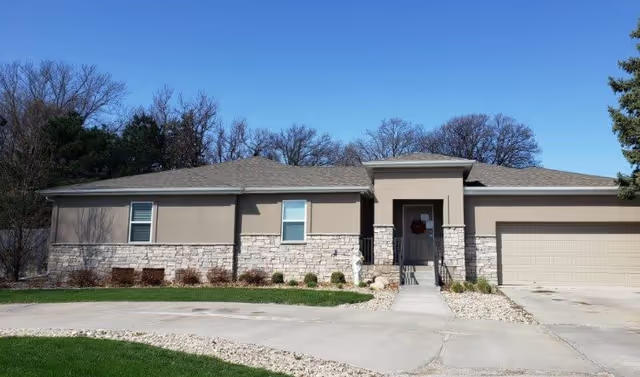
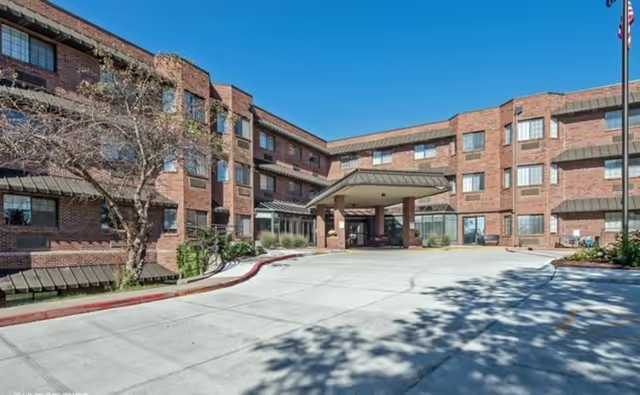
Facilities and maintenance: The physical campus is generally described as clean, landscaped and well maintained externally, with large rooms and open communal spaces. Several reviewers noted that interior finishes are dated and that renovations are in progress in places. A subset of reviewers mentioned pest-control issues and advised verifying recent pest-control activity. Occupancy and visible vacancy were mentioned by some as a sign of transition in the community.
Management, administration and pricing: Management impressions vary. Some reviewers praised recent leadership changes and improved responsiveness; others described operational disruption following ownership or management transitions, raising concerns about HR and hiring stability. Financial and billing transparency emerged as a recurring practical issue: reviewers recommend obtaining written pricing and clarifying pet fees, move-in charges, Medicaid timing and short-stay billing policies. Communication gaps between nursing, the director and families were noted in multiple accounts; confirm preferred family-notification pathways and escalation contacts.
Notable patterns and recommendations: The dominant pattern is a contrast between consistently praised direct-care staff and recurring operational weaknesses tied to staffing instability and management transition. For families considering Bailey Pointe, a focused tour with specific verification is recommended: observe staffing levels during both weekday and weekend hours, sample a meal, review medication-administration and wound-care protocols in writing, ask about pest-control and laundry schedules, and obtain a clear, written statement of charges and pet policies. Where clinical intensity or memory-care needs are present, confirm clinical staffing ratios and on-site capabilities before making a decision.
In summary, Bailey Pointe offers many strengths — compassionate caregivers, active programming, accessible common areas and generally clean facilities — but also presents measurable variability in operational consistency. Prospective residents and their families should balance the community’s social and caregiver strengths against the facility-level concerns identified here and verify current practices directly with management prior to commitment.