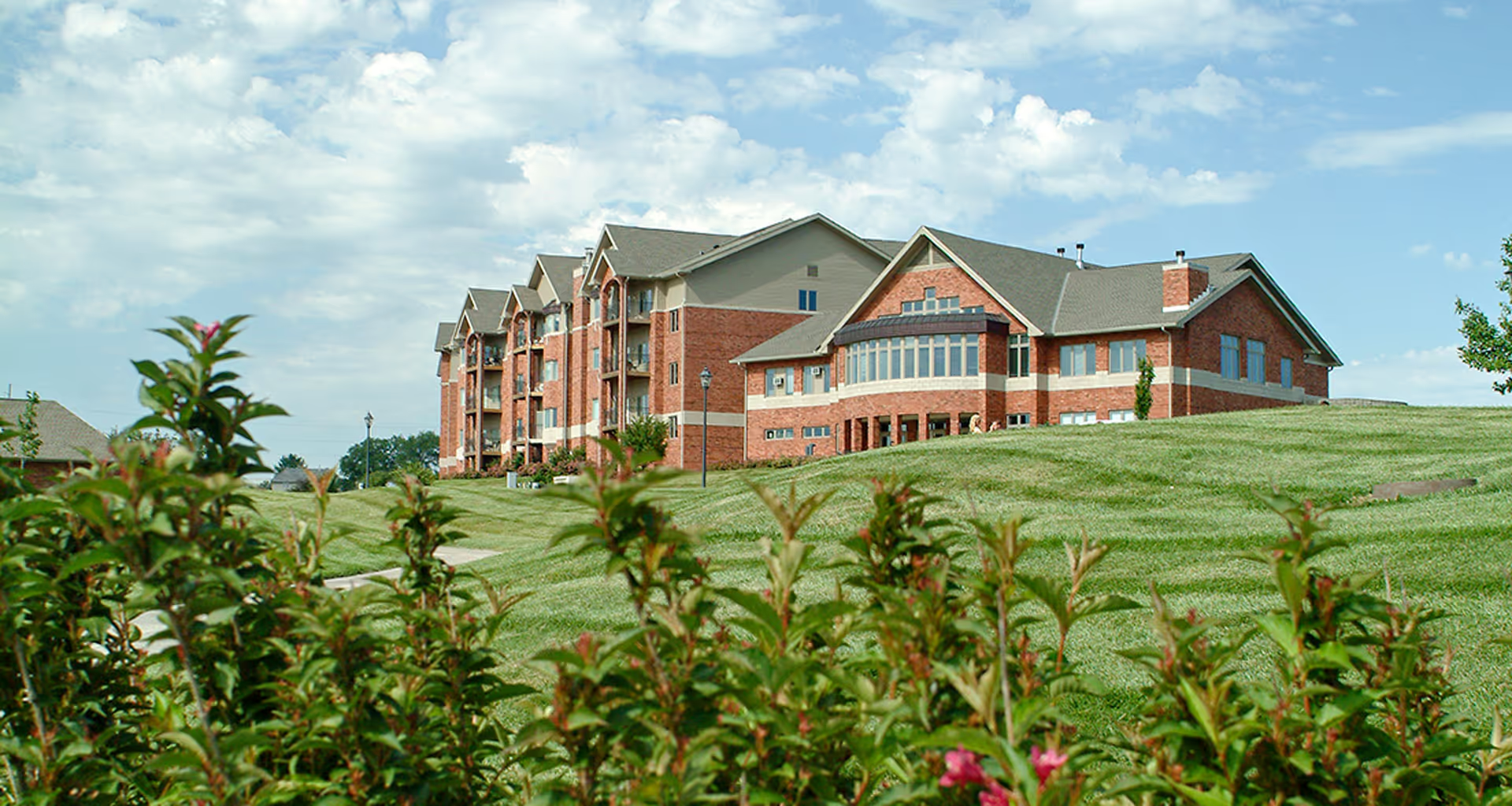
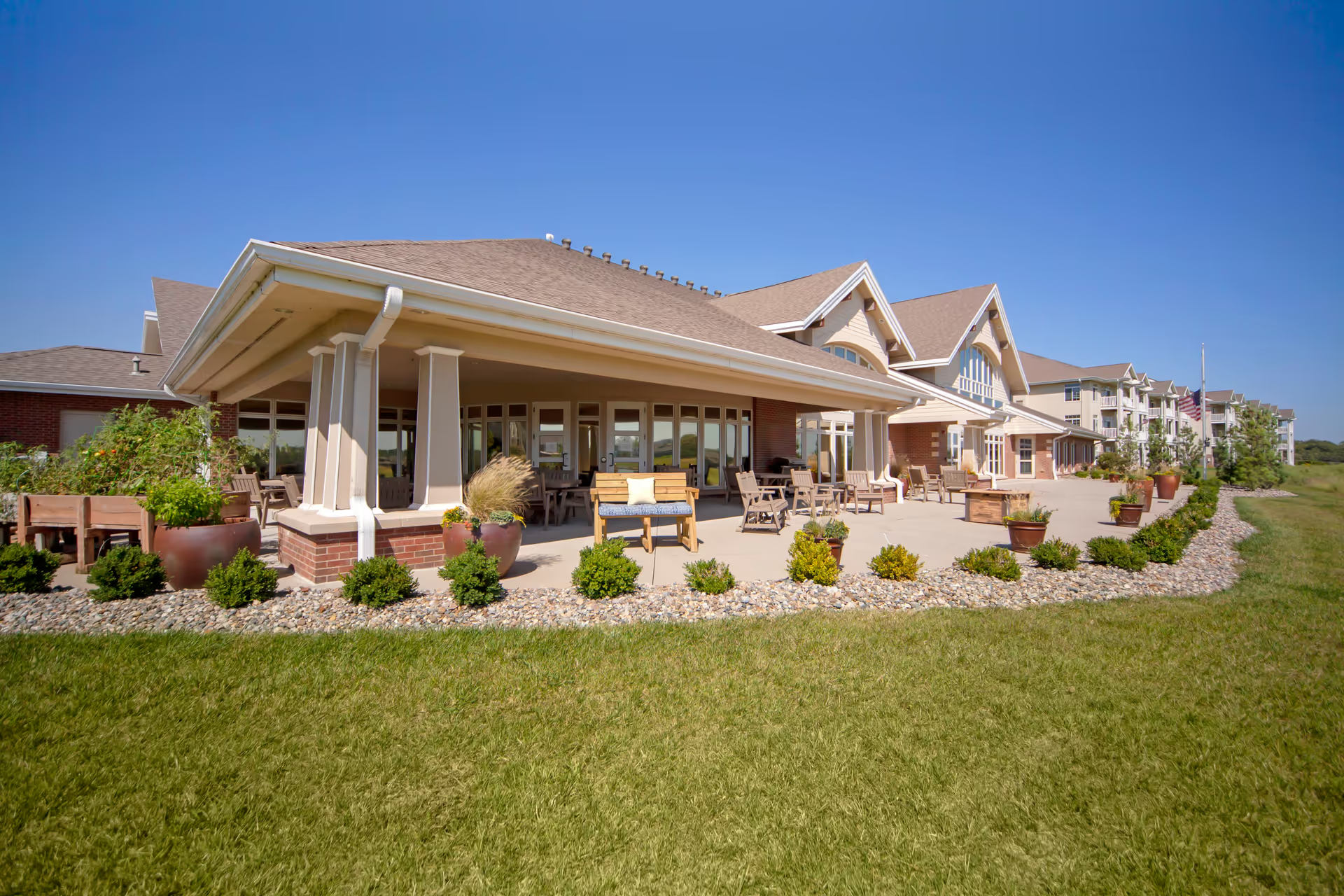
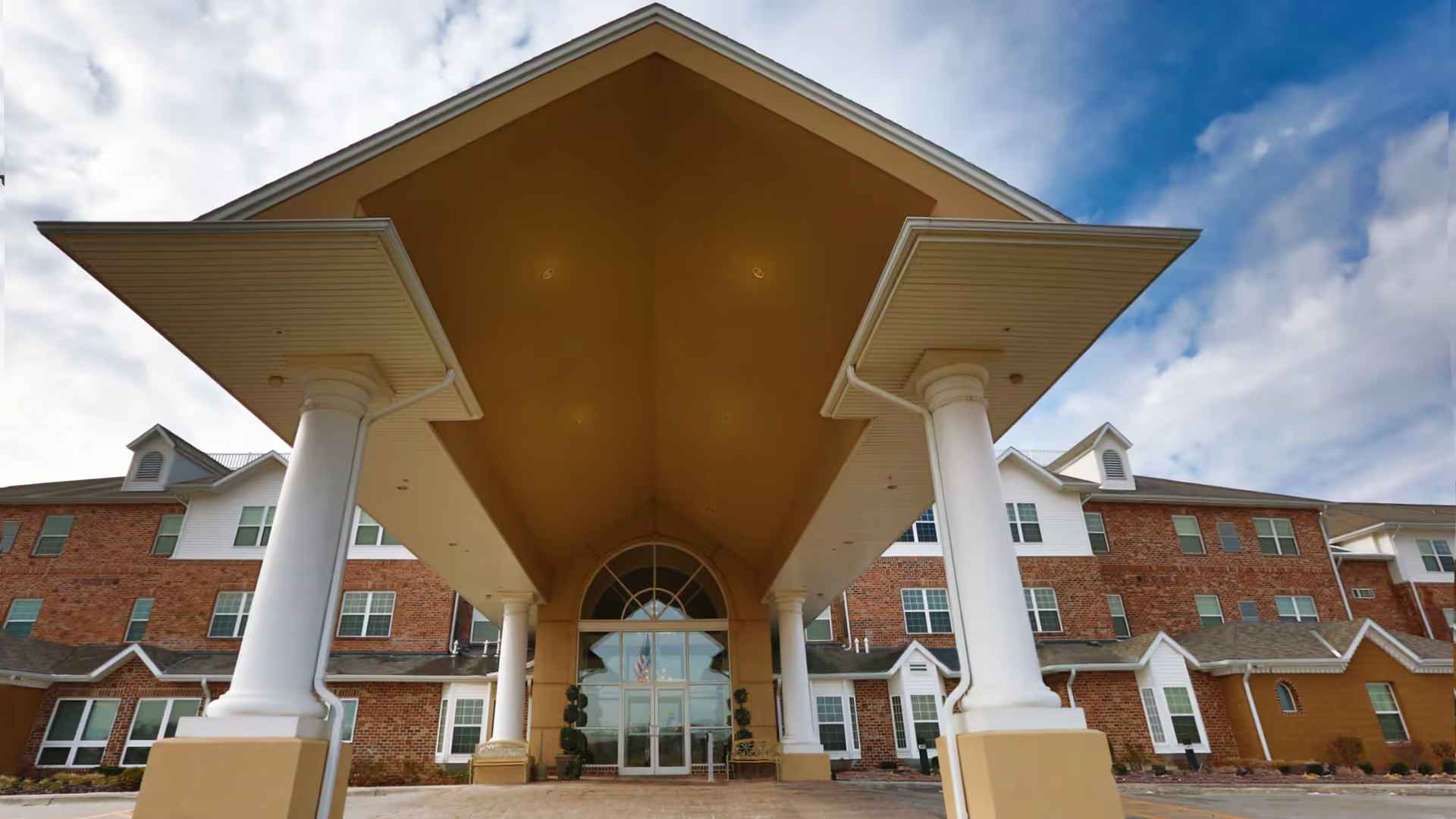
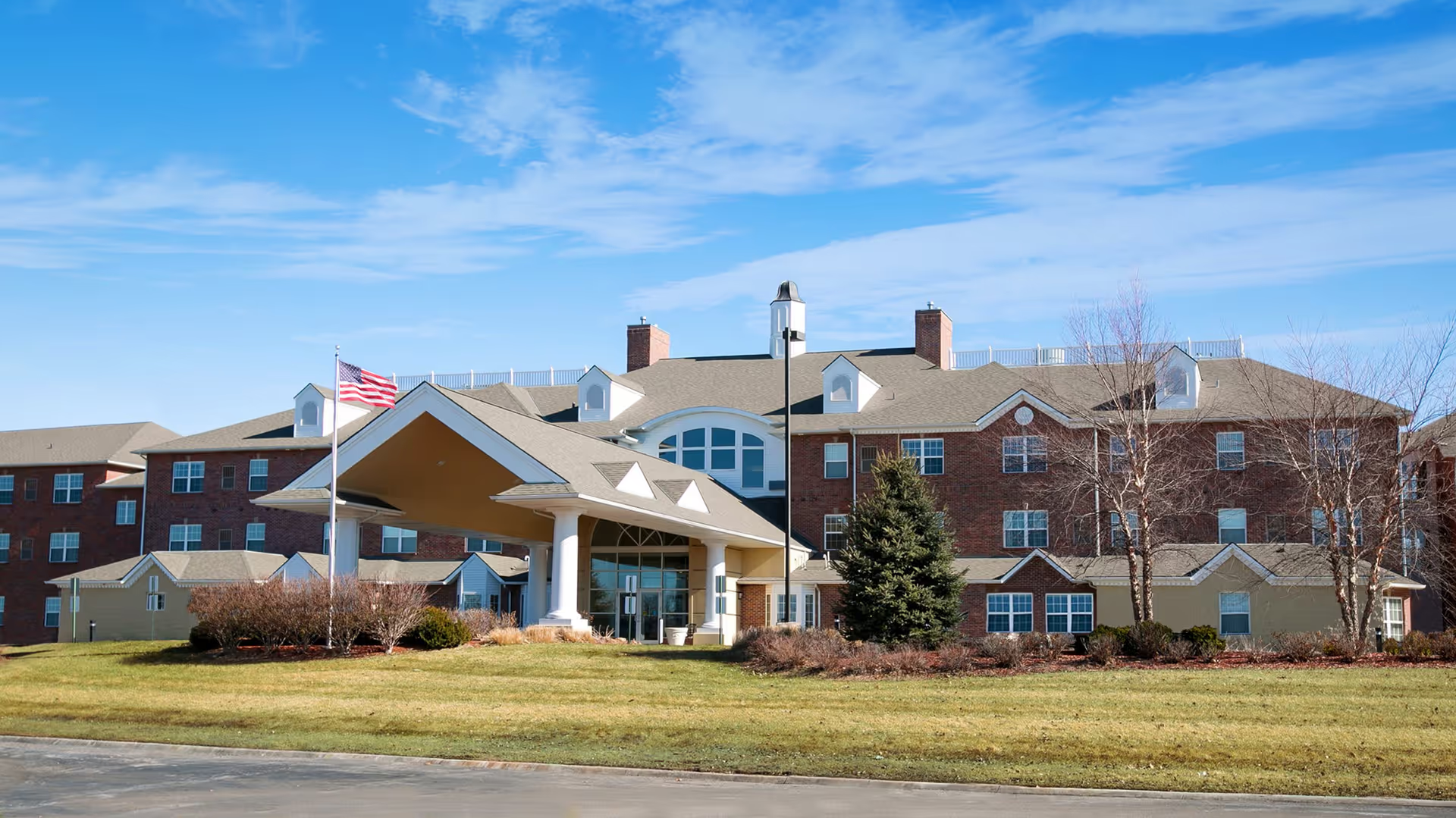
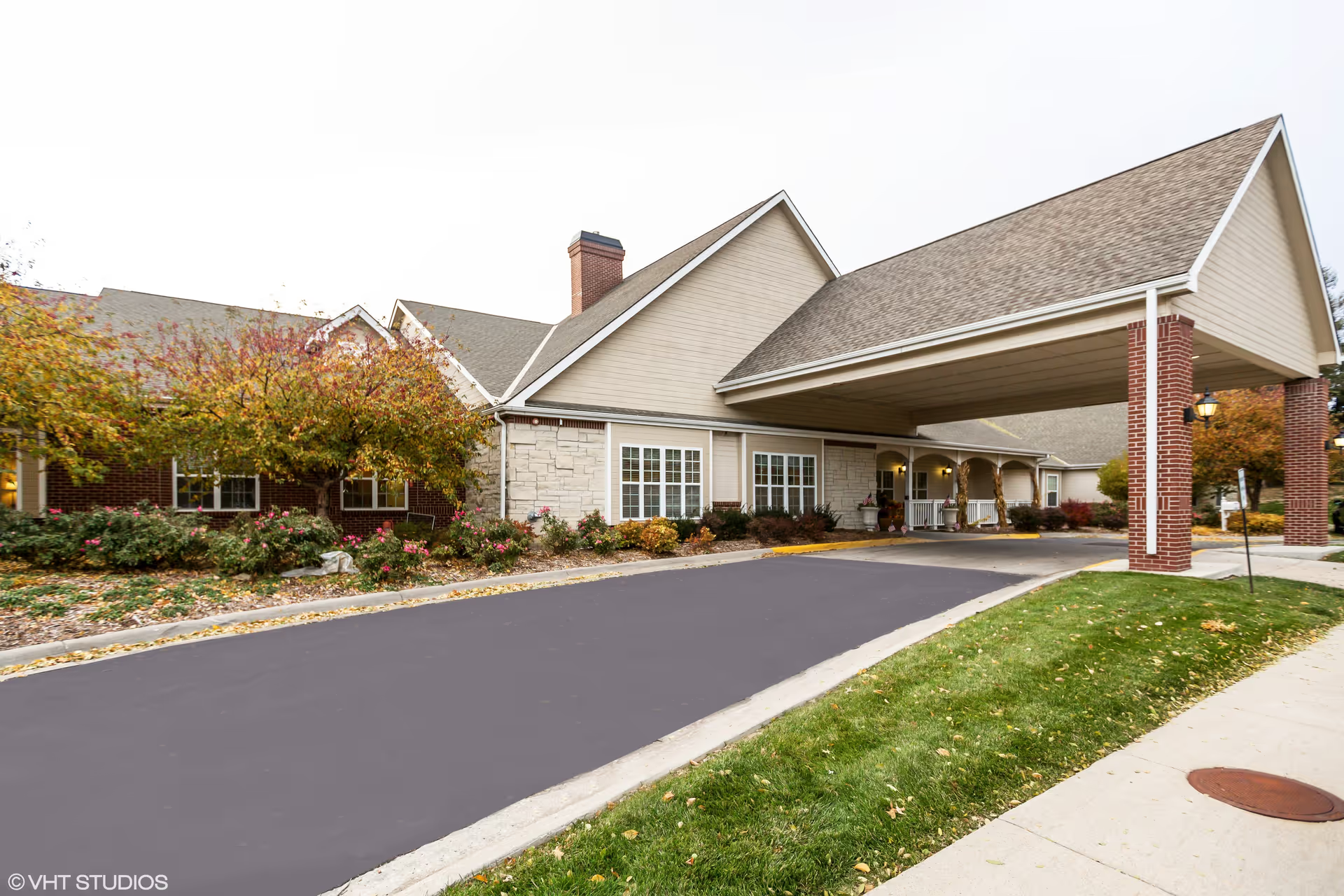
Edgewood Omaha presents as a small, single-floor memory-care facility with a strong home-like feel: reviewers consistently note large private rooms, a quiet environment, a fenced courtyard and sunroom for visits, and services such as short-term and day care. Many families praised individualized, compassionate caregiving, staff who know residents personally, flexible meal accommodations, and specific strengths such as on-site RN/director involvement (when present) and end-of-life support. The facility’s size and personal atmosphere are repeatedly described as providing comfort and less commotion than larger institutions.
Care quality and staff dynamics show a mixed pattern. Numerous accounts highlight attentive, warm staff who build personal connections and provide dignified, comforting care for residents with Alzheimer’s disease. However, a recurring operational concern is staffing instability: high turnover among leadership and nursing personnel and periods of limited staff coverage—most notably on the memory-care side—have been described. These staffing fluctuations have been associated with reduced responsiveness at times and a sense that staff can become overwhelmed during busy periods.
Clinical operations and medication practices are an area of particular concern for some families. Several reviewers described inconsistencies in medication administration and documentation and raised questions about consent or authorization processes. While some families experienced clear communication and oversight from clinical leadership, others reported lapses that suggest gaps in medication-management controls and the need to verify current protocols and oversight before placement.
Dining and activities are another mixed area. The facility offers activities such as bingo, arts and crafts, seasonal events, and occasional entertainment; some families praised engagement and creative programming. Meal accommodations and on-site evening meal preparation are noted positively by many. At the same time, others described variable food quality and limited activity variety for certain residents, indicating that program consistency may depend on staffing and scheduling.
Facilities and housekeeping show both strengths and weaknesses. The physical space—large rooms, freshly painted areas, single-floor layout, and outdoor/visiting spaces—receives favorable comments. Conversely, several reviewers raised sanitation and maintenance concerns, including lapses in housekeeping and laundry services and odor concerns or areas that feel dated. The absence of in-room showers is a specific structural limitation to consider for personal-care needs.
Management and communication present a clear pattern: when stable leadership and experienced nursing staff are in place, families report high satisfaction; when leadership changes and turnover occur, families describe declines in consistency and communication. Prospective families should ask pointed questions about current leadership, staffing ratios (particularly in memory care), medication administration policies, housekeeping routines, and activity schedules. Overall, Edgewood Omaha may be a good fit for families seeking a small, residential-style memory-care setting with strong personal caregiving, but due diligence on current staffing stability and clinical processes is advisable before placement.