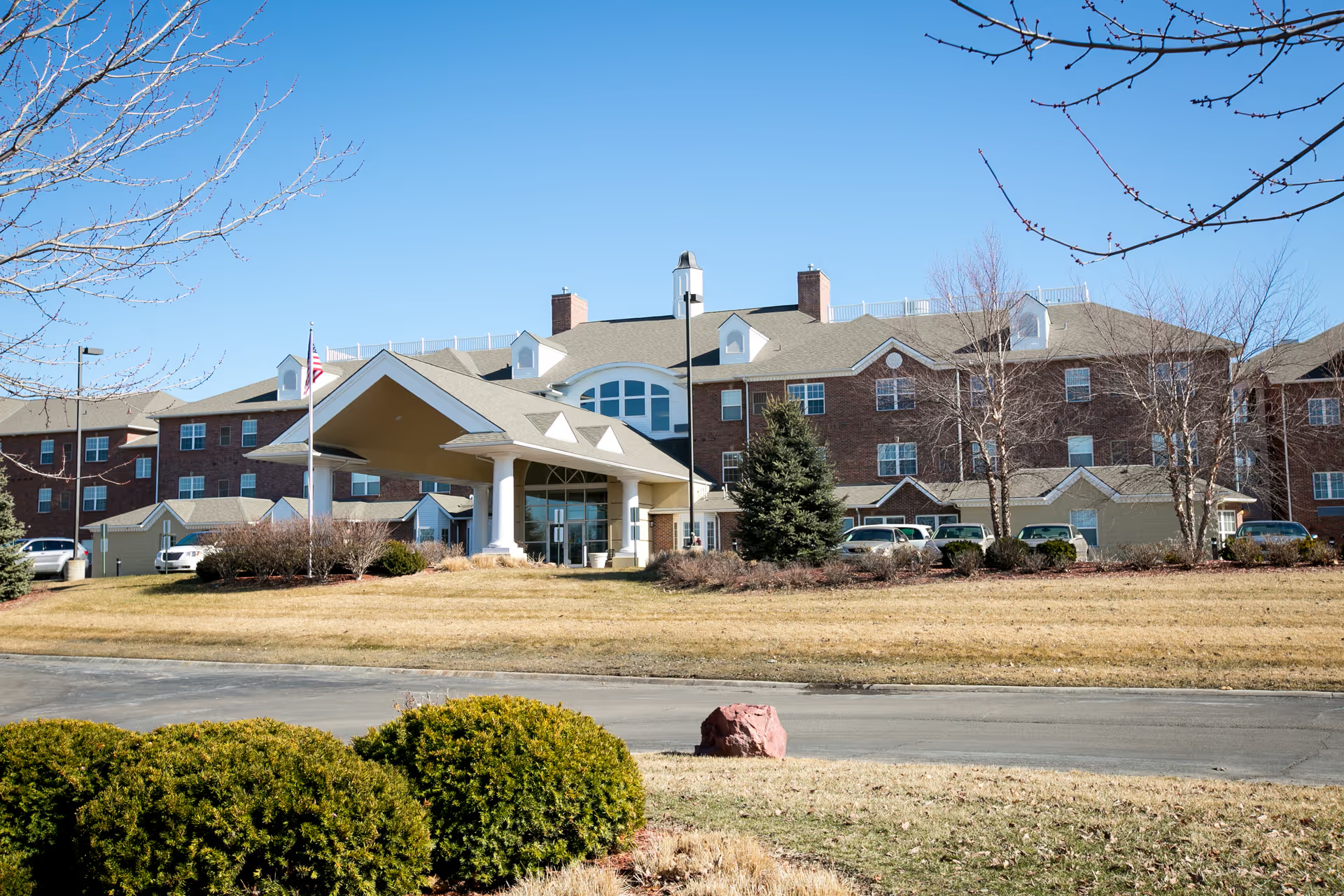
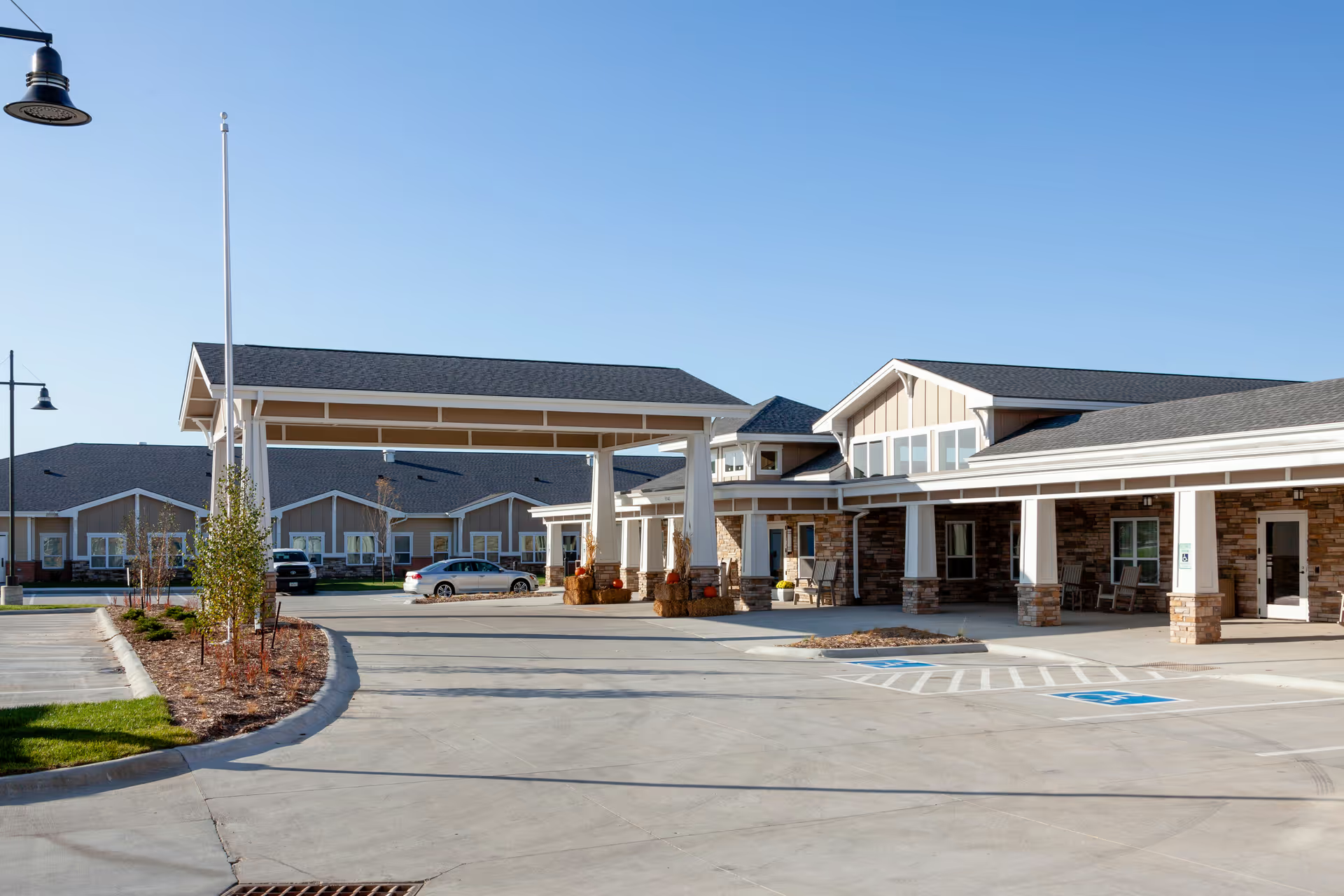
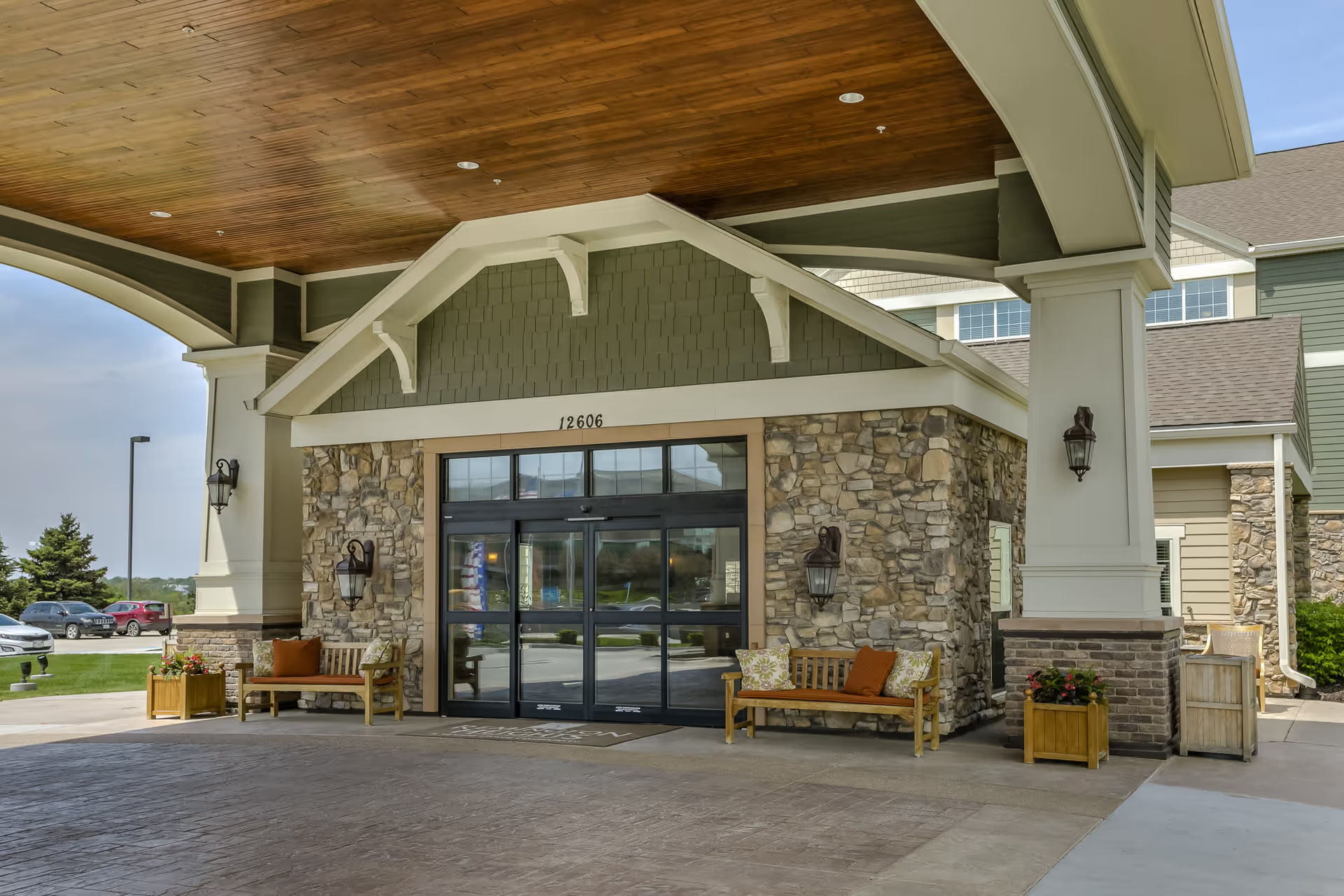
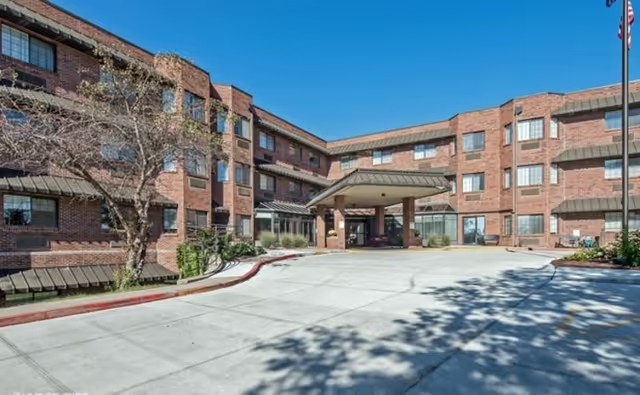
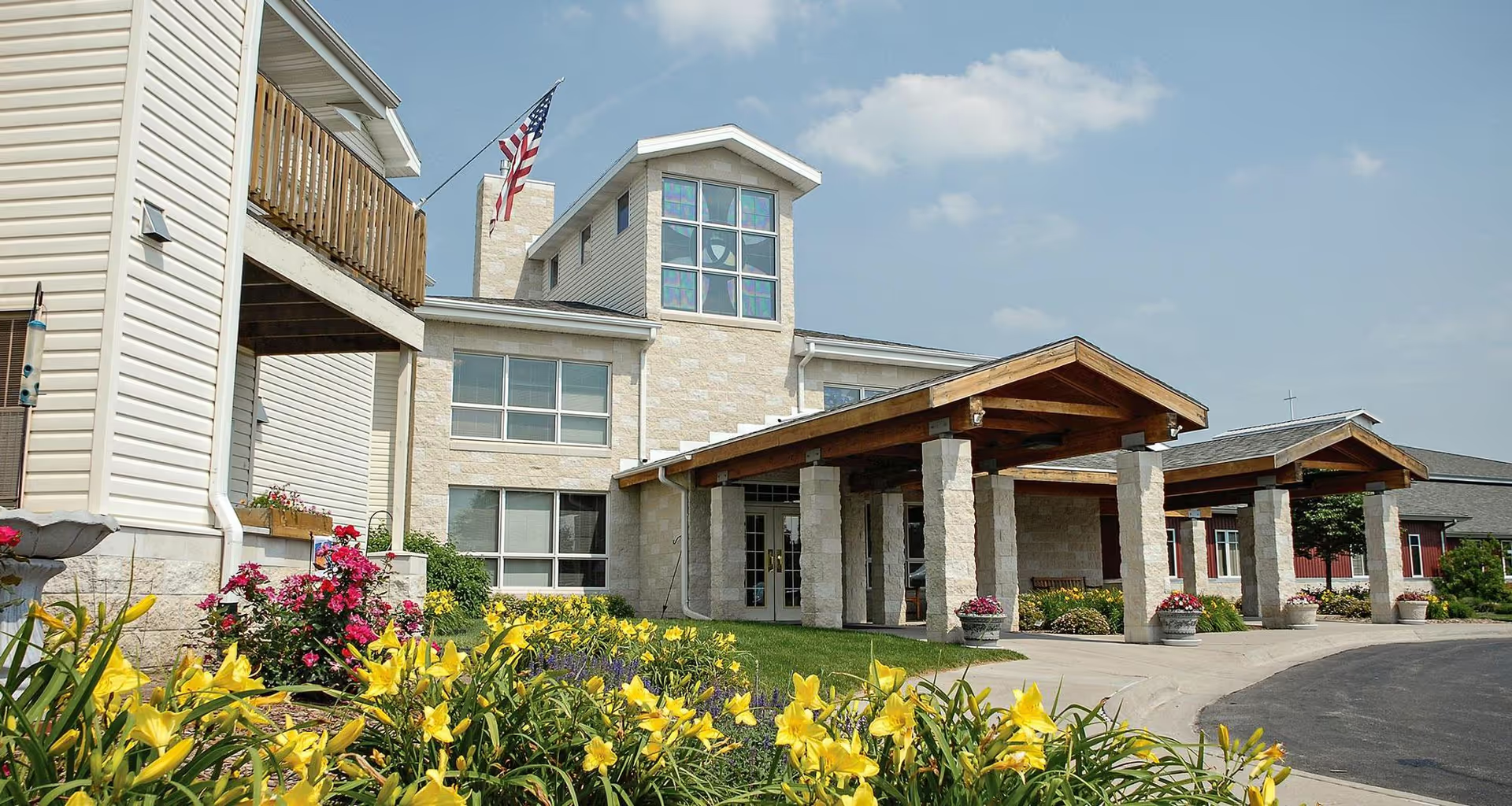
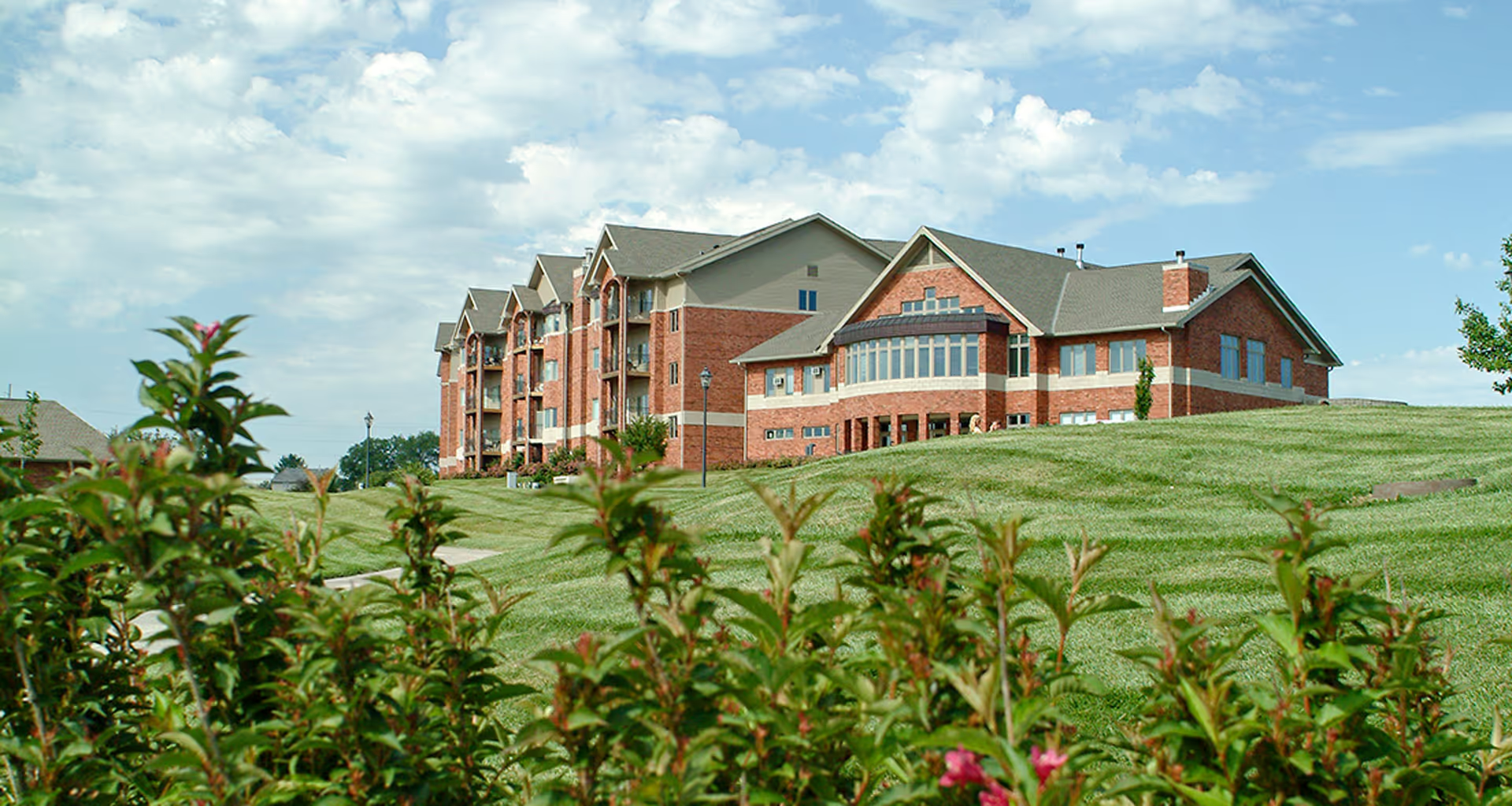
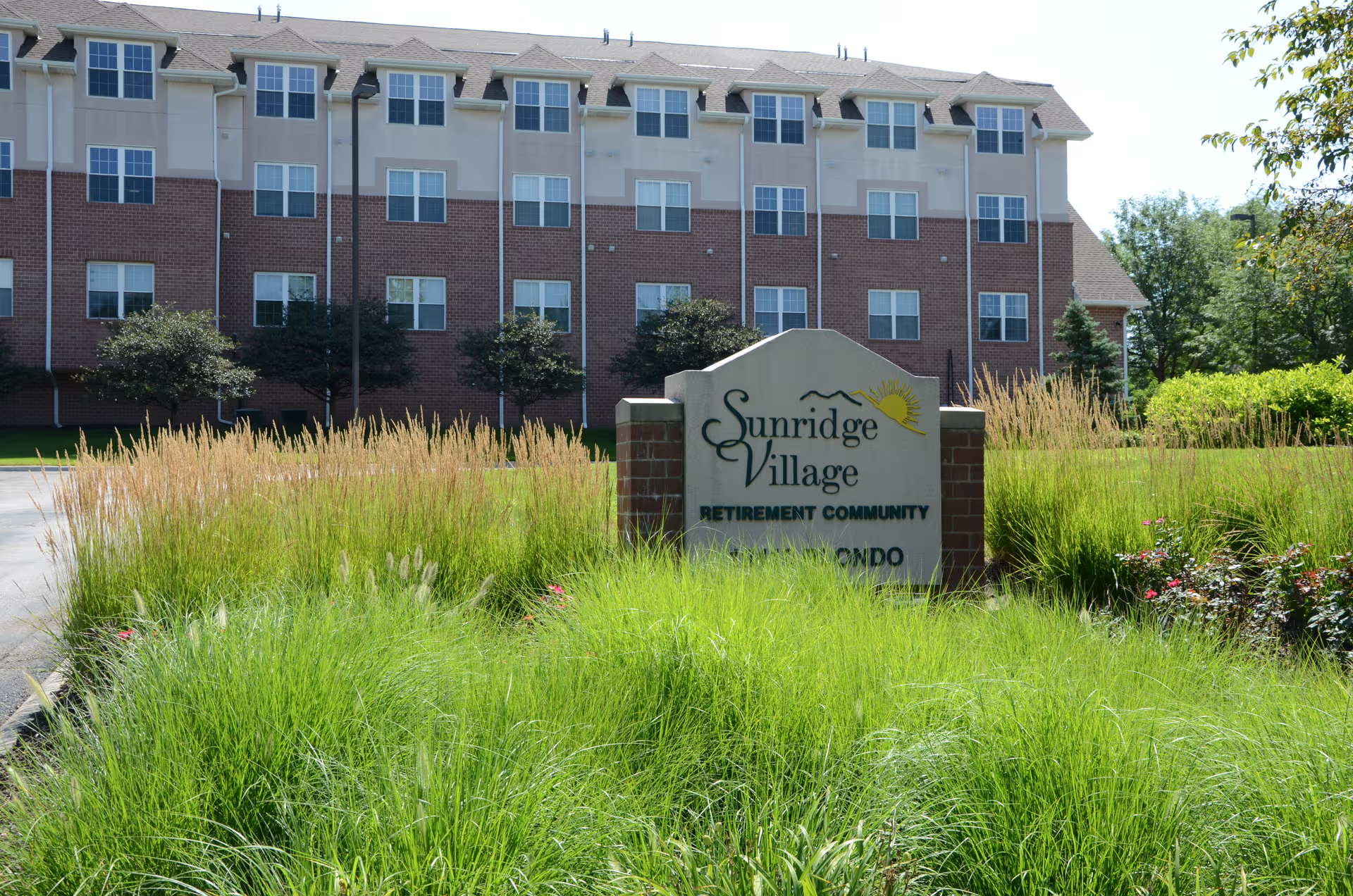
Reviews for Good Samaritan Society - Millard present a mixed picture. Many families and visitors highlight a warm, homelike atmosphere, compassionate caregiving, and strong therapy programs; others describe operational gaps that have affected resident care and family confidence. Strengths frequently cited include personable aides and therapists, a welcoming admissions experience, well-kept common areas (including a newer wing), and a program of activities that supports resident engagement.
Care quality and clinical oversight show a split pattern. Positive accounts emphasize attentive aides, effective rehabilitation and supportive activities, and long-tenured staff who know residents well. At the same time, several reviewers raised concerns about medication handling and clinical processes — for example, inconsistent medication administration practices and storage practices that could compromise safety. There are also mentions of pressure-injury concerns and examples of transfers or hospitalizations that point to variability in clinical oversight and adherence to individualized care plans. Reviewers expressed concerns following a resident's hospitalization and about end-of-life care communication in at least one case.
Staff behavior and communication receive both praise and criticism. Many describe caregivers as kind and engaged — individual staff members were named positively — and leadership efforts toward staff education and quality improvement were noted. Conversely, other families experienced delays in staff response to call lights, instances of staff responding in a brusque tone, and phone-based interactions judged as rushed or unprofessional. These mixed experiences suggest unevenness in training and enforcement of communication standards across shifts or teams.
Dining and daily living supports are similarly mixed. Several reviews praised the food quality and described helpful assistance with dressing and activities of daily living. However, there are indications of inconsistent meal-service timing and gaps in nutrition or hydration monitoring in some cases, including a report of tube-feeding management that raised safety concerns.
Facility condition and operations also vary by area. Many visitors found the environment clean, well-maintained, and welcoming, and maintenance staff were singled out positively. At the same time, other comments reference delayed repairs to equipment or furnishings and concerns about property security and missing personal items in some units. These contrasting accounts point to variability in environmental upkeep and asset management.
Management and oversight elicit polarized views. Some reviewers commend visible leadership, educational emphasis, and a culture of continuous improvement. Others describe difficulty obtaining clear responses from administration, inconsistent follow-up after incidents, and perceptions of inadequate staffing levels. Taken together, the pattern in reviews suggests that the facility has notable strengths in interpersonal care, therapy, and parts of its physical plant, but also has recurring operational weaknesses — particularly in staffing consistency, medication control, responsiveness, and communication — that prospective residents and families should investigate during visits. Recommended due diligence: ask about current staffing ratios by shift, medication-storage and administration policies, incident-communication procedures, and to tour during different times of day to confirm consistency of care and environment.