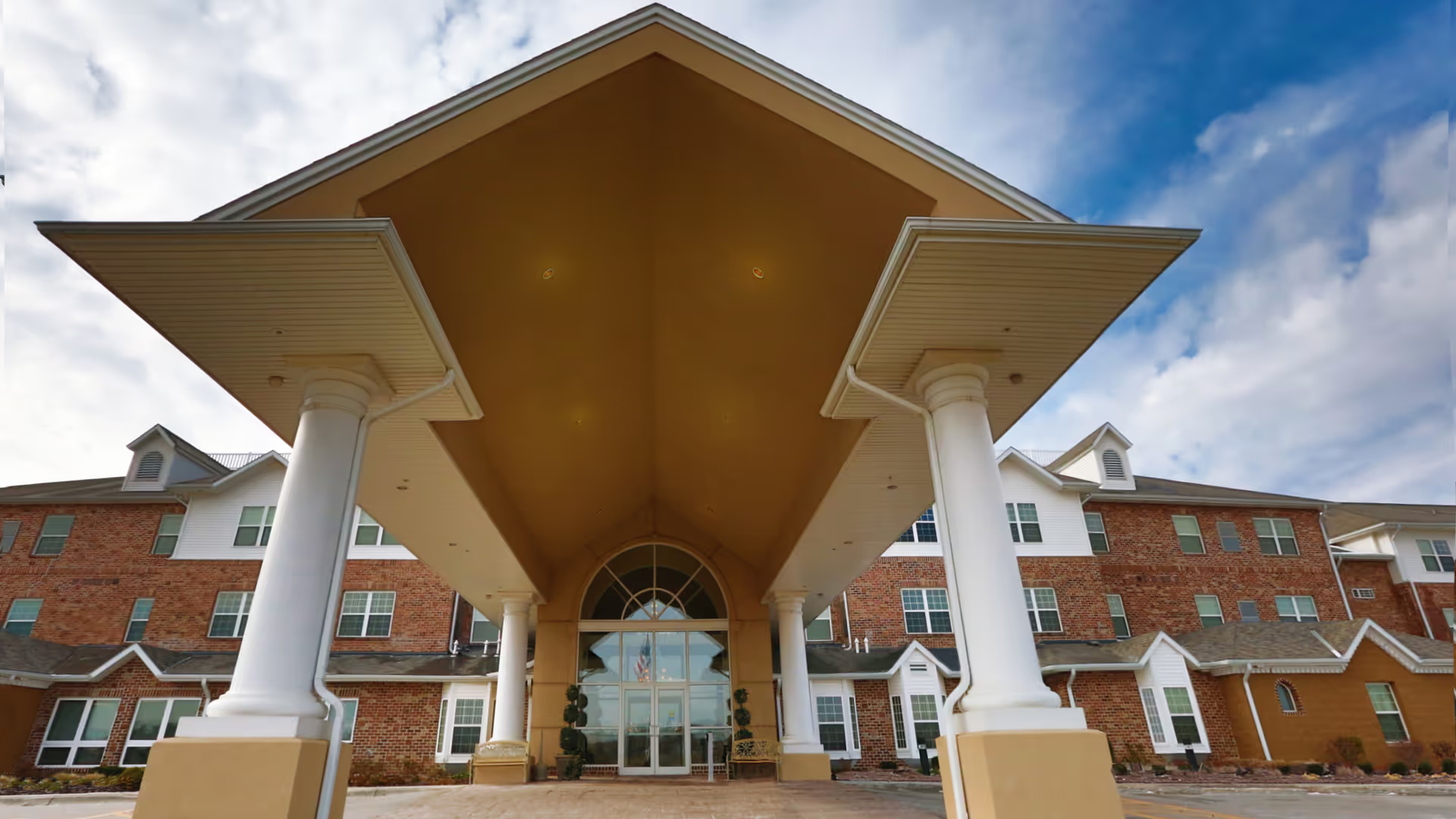
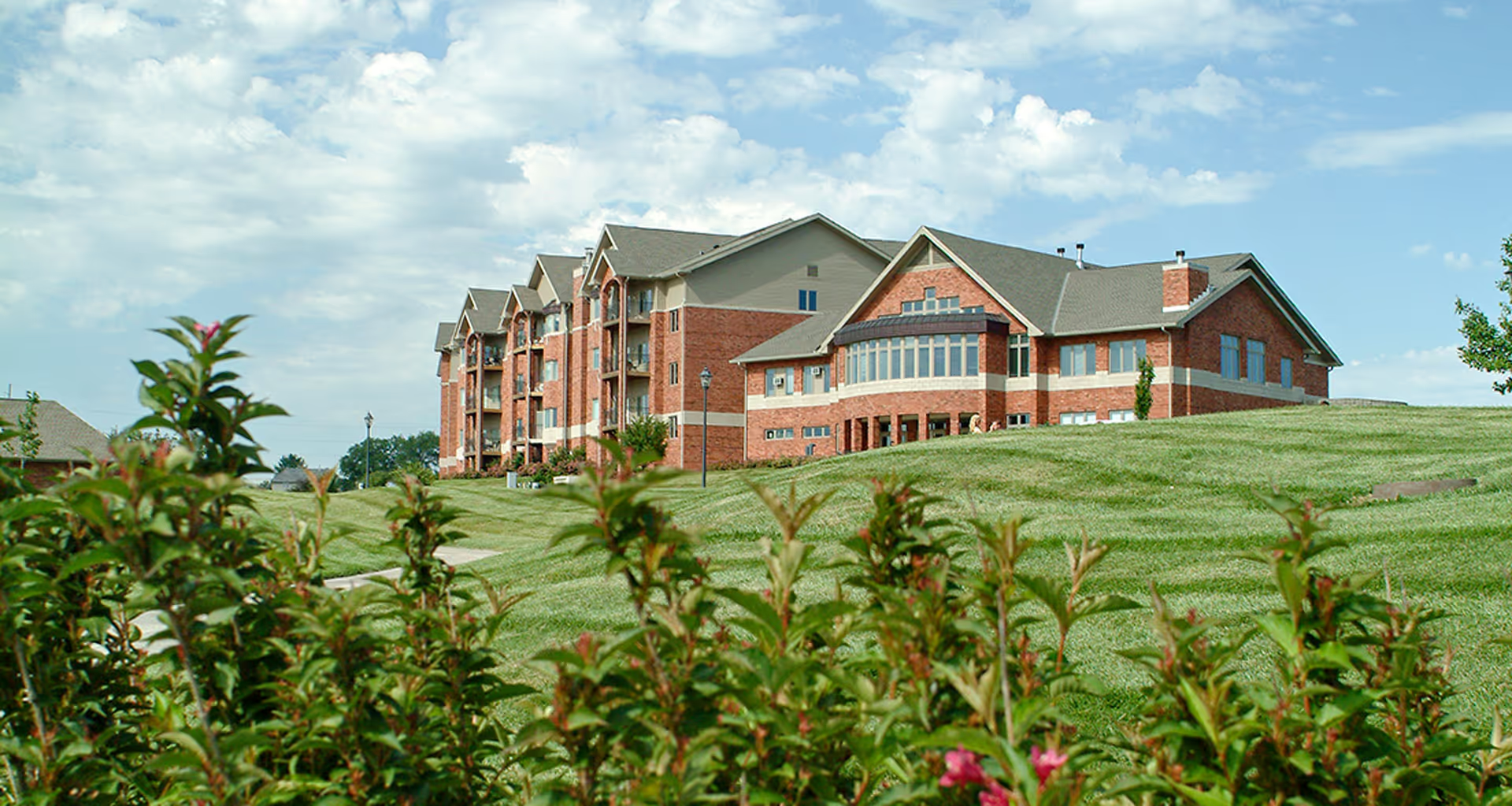
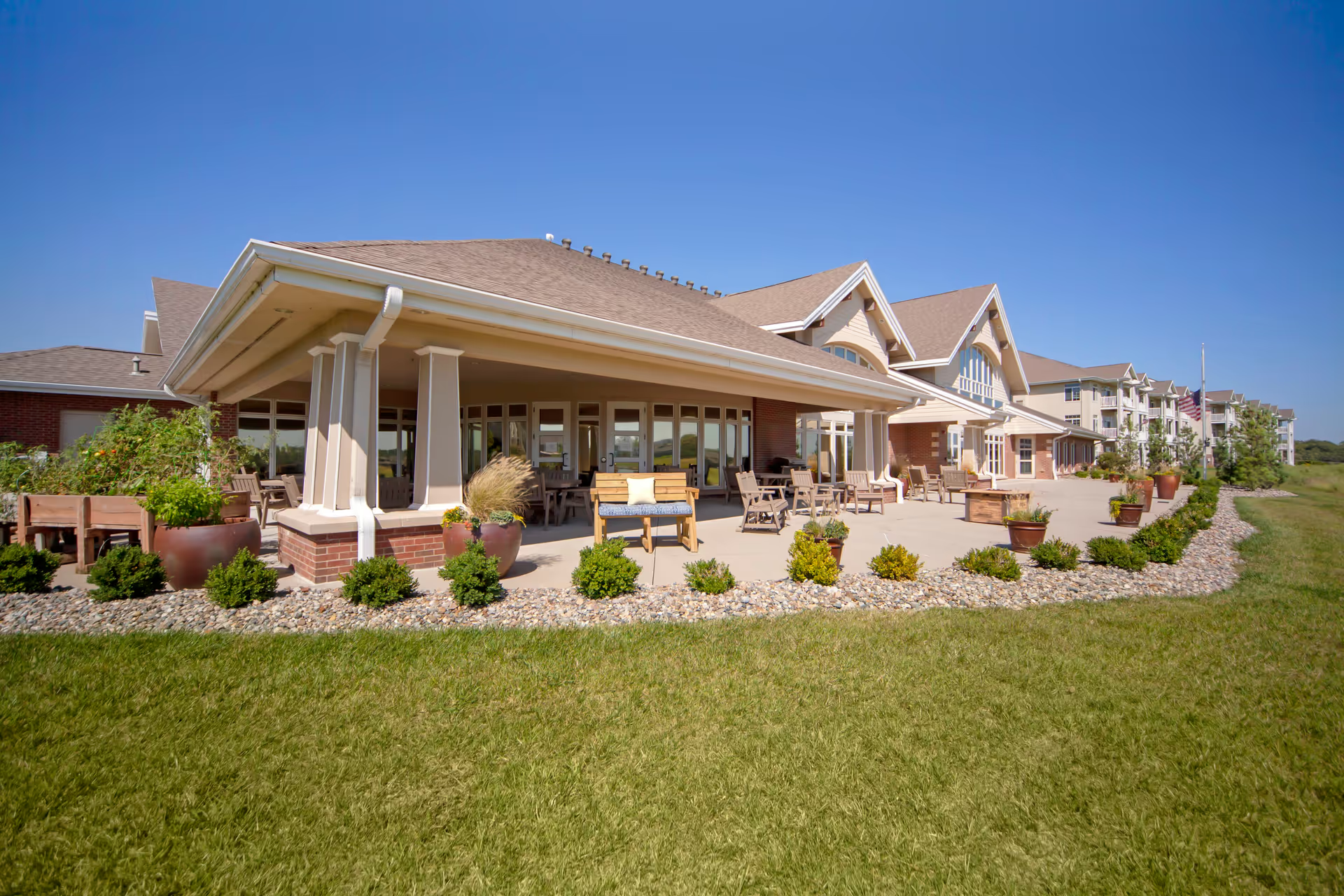
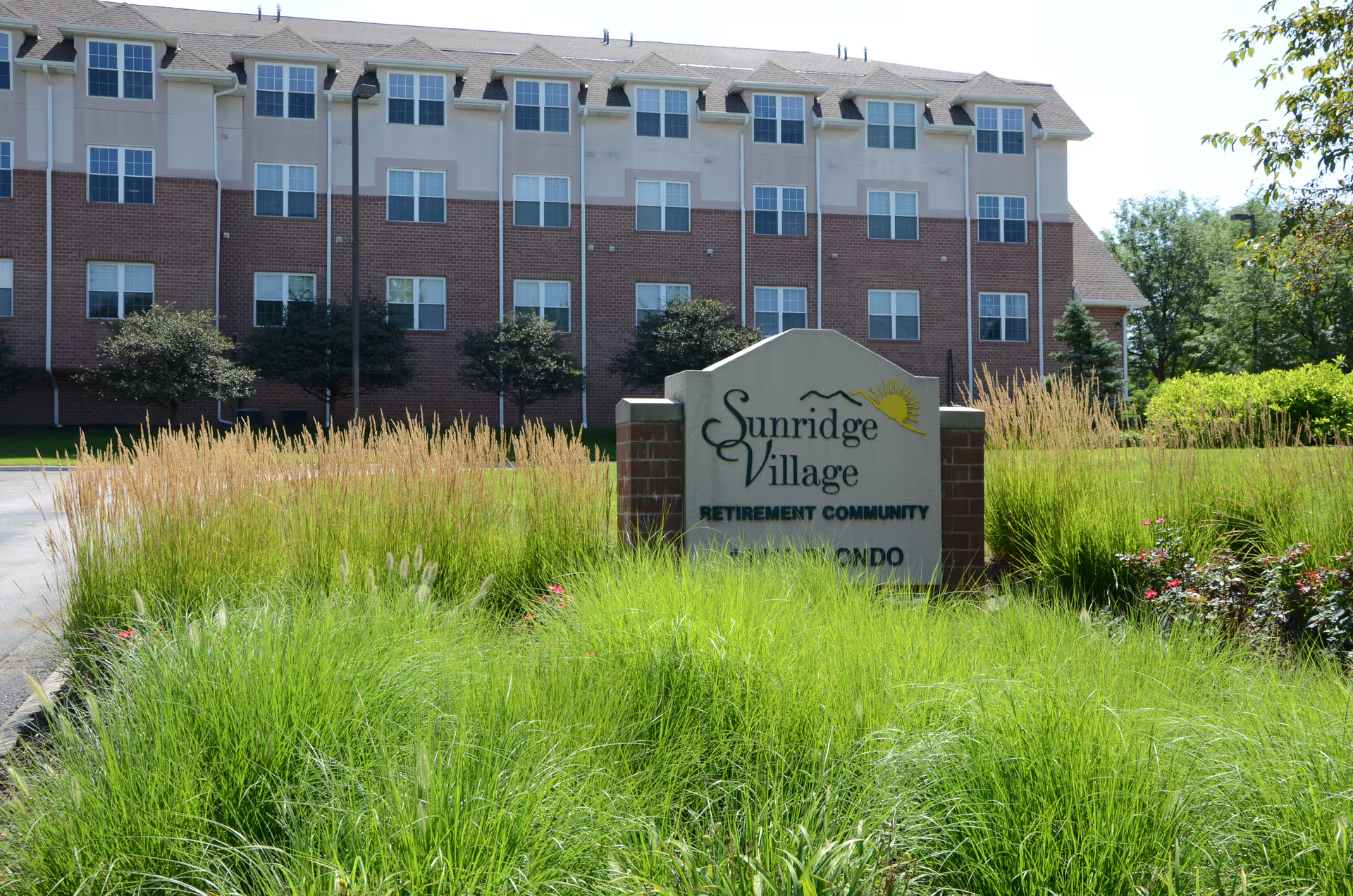
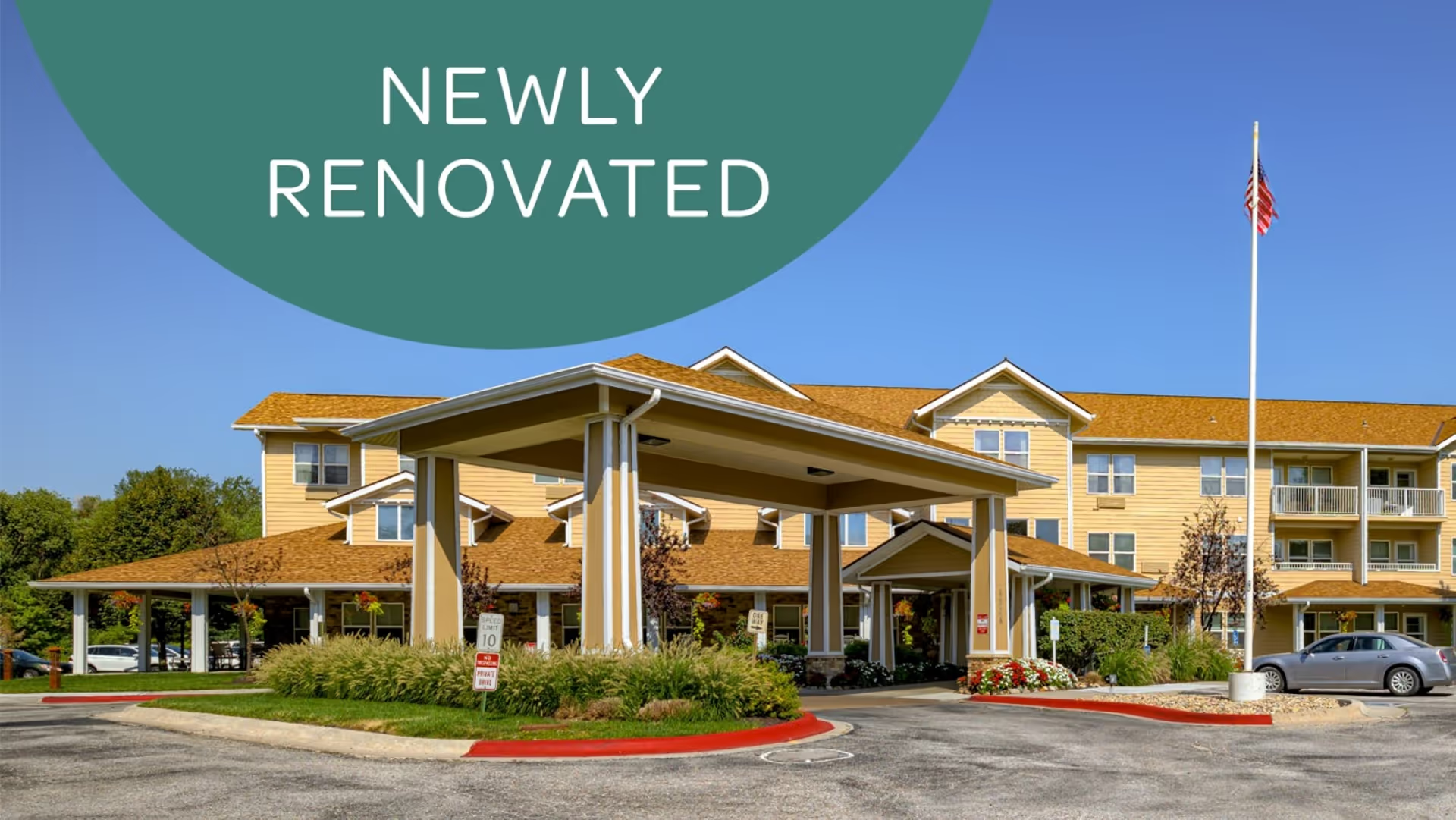
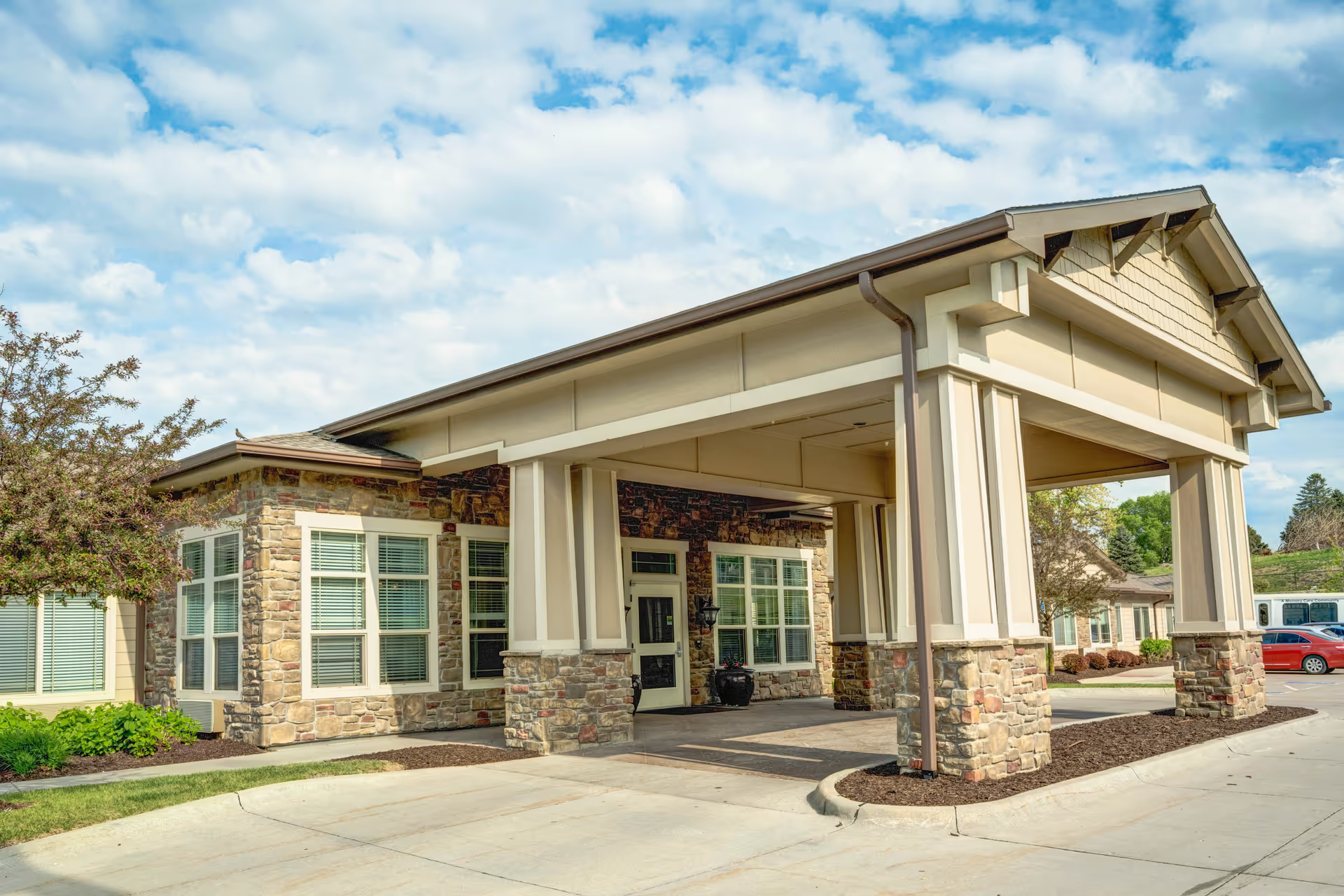
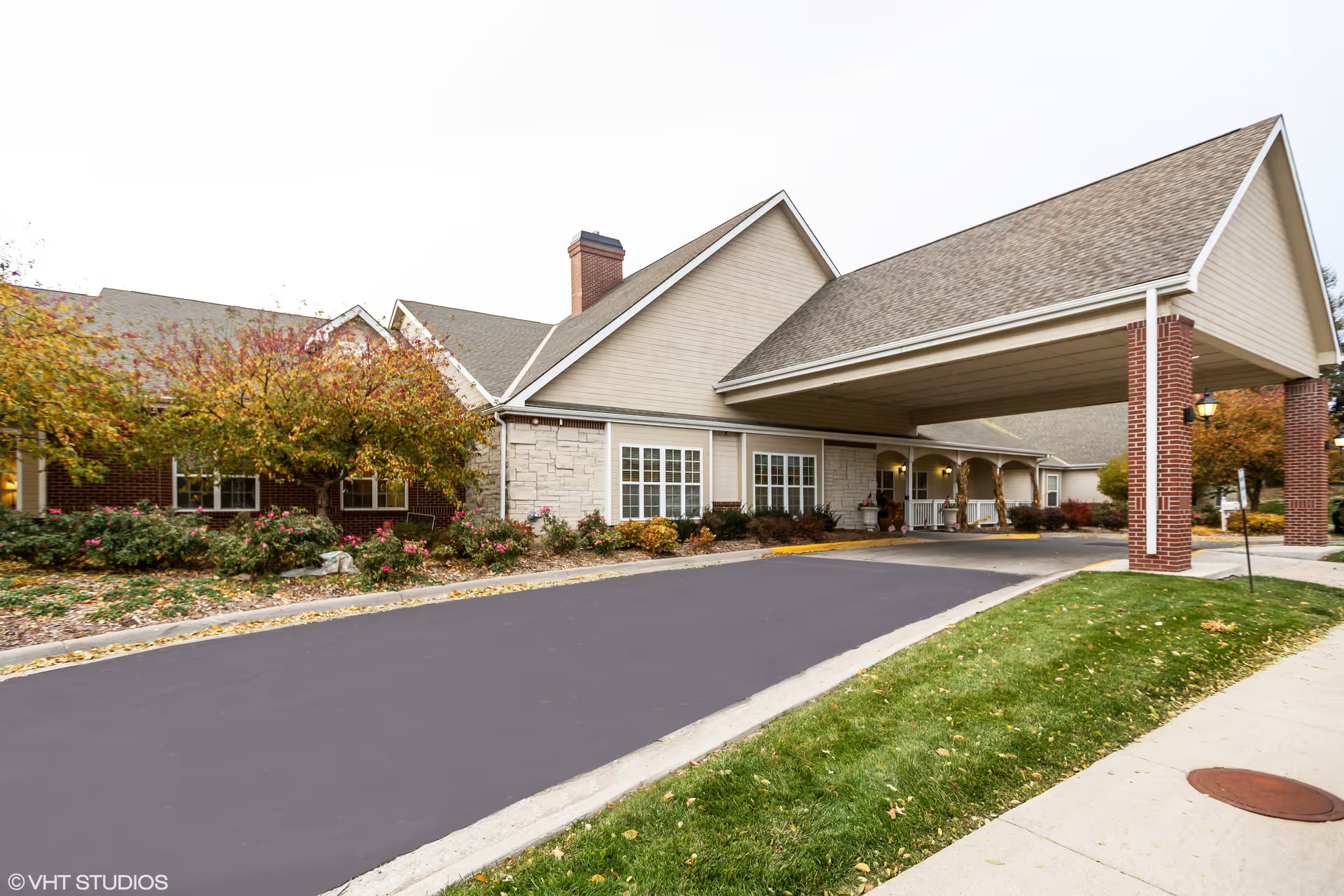
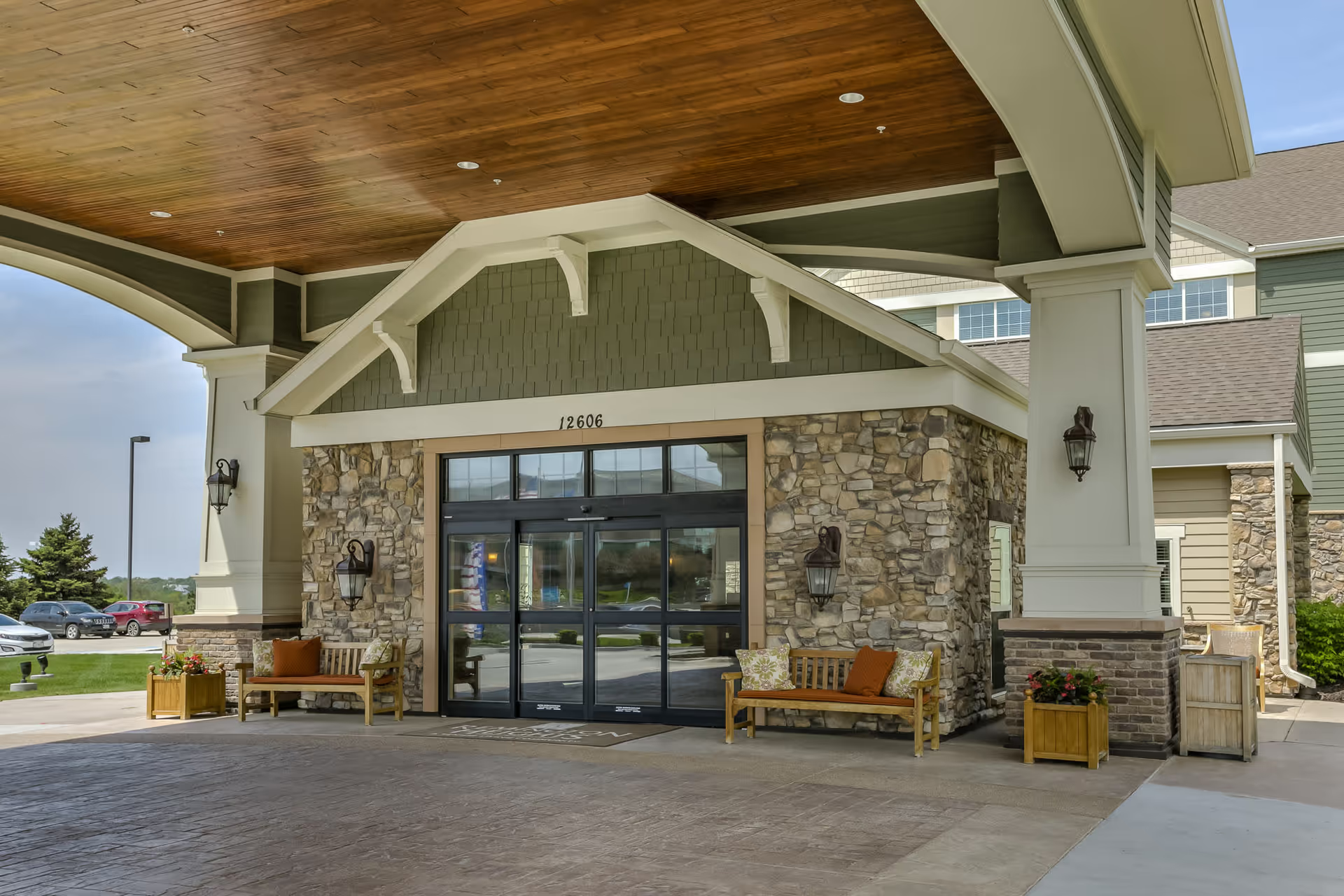
Heritage Pointe is frequently described as a well-appointed senior living community with particular strengths in memory-care design, dining, and resident-centered social programming. The community emphasizes small, purpose-built memory neighborhoods and staff with Alzheimer’s expertise; reviewers commonly note household-sized units, rooms configured for memory-care needs, and an environment that supports residents’ engagement and sense of purpose. The physical campus is consistently described as clean, bright, and attractively maintained, with a large landscaped courtyard and multiple common-area amenities (dining room, coffee bar, library, salon, movie and exercise rooms) that support socialization and activities.
Clinical and operational strengths include an RN unit manager presence, organized medication-management procedures, visible COVID/infection-control practices, and accounts of prompt emergency responses when needed. Many families highlighted helpful admissions staff, clear communication from the team, and practical supports such as transportation and insurance assistance. The dining program receives frequent praise for variety and quality, and the activity program is notable for resident-centered offerings, live entertainment, outings, and musicians visiting the community.
Alongside positives, there are recurring operational concerns to consider. The most common pattern involves variability in staff responsiveness and caregiver engagement—several families described delays getting assistance, uneven nighttime coverage, or caregivers who appeared less attentive. This variability has operational implications for residents who require frequent or timely assistance. Related themes include inconsistent activity intensity between units (some households described very active programming while others felt less engaged) and a perceived gap between marketing promises about age-in-place continuity and the facility’s ability to sustain higher-acuity medical needs over time.
Administrative and safety issues were raised by a subset of reviewers. A number of families described high-pressure admissions interactions or deposit practices they found problematic; there was also at least one allegation of theft of personal items, suggesting a need for clearer security practices and inventory/room-protection processes. Finally, unit-level differences were noted: some rooms face busy streets or have limited exterior views, and experiences in memory-care units versus assisted-living areas appear to vary. Prospective residents and families would benefit from targeted questions during a tour—ask about overnight staffing ratios and response times, documented procedures for continuity of care for residents who become higher-acuity, specifics of admissions and deposit policies, security measures for personal belongings, and which neighborhoods host the most active programming. Overall, Heritage Pointe offers many programmatic and environmental strengths for memory-care and assisted-living residents, but families should verify operational details that matter most to their situation before making a decision.