Overall impression: Reviews present a mixed but coherent picture. Many families praise Immanuel: the Lighthouse for its compassionate caregiving, strong therapy and rehabilitation focus, and attractive, clean environment. At the same time, a subset of comments highlights operational weaknesses that carry implications for safety, accessibility, and family confidence.
Care quality and clinical services: Several reviewers described high-quality, focused rehabilitation services and confident functional-recovery outcomes. Caregiving staff are frequently characterized as kind and familial, and some families felt their relatives received exceptional attention and discharge planning that integrated home-health services. However, other reviewers raised concerns that point to gaps in clinical safety practices — specifically medication-management processes, fall-prevention and transfer safety, and post-incident accountability and communication. These concerns suggest variability in clinical reliability rather than a uniform standard of performance.
Staff and management: Staff interactions are a prominent theme. Many accounts emphasize caring, helpful staff who engage well with residents and visitors and accommodate family needs (including holiday gatherings). Conversely, staffing inconsistencies were reported — understaffing and variable attentiveness — which appear to affect response times and perceived compassion. Management strengths include an ability to coordinate therapies and discharge services; management weaknesses, according to some reviewers, include perceived lapses in communication and accountability after clinical incidents.
Dining and activities: Dining impressions are polarized. Some families praised the food and meal planning, while others found meal quality inconsistent and noted higher meal costs. Menu items described range from homestyle offerings to plated meals; opinions about taste and value vary. Activity and social environment comments are generally positive: reviewers describe a serene atmosphere, good staff–resident interaction, and family-friendly policies that facilitate visitor engagement.
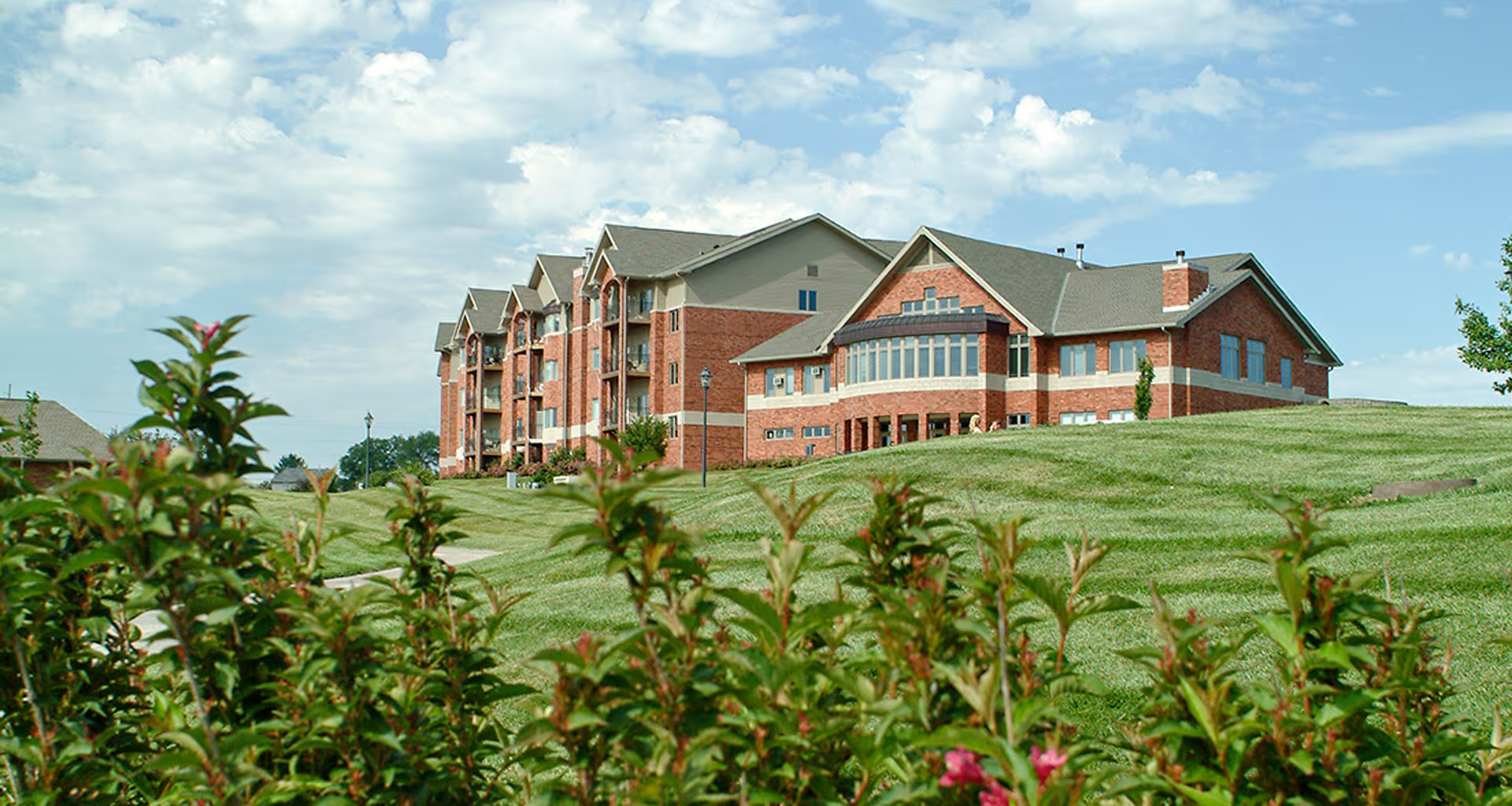
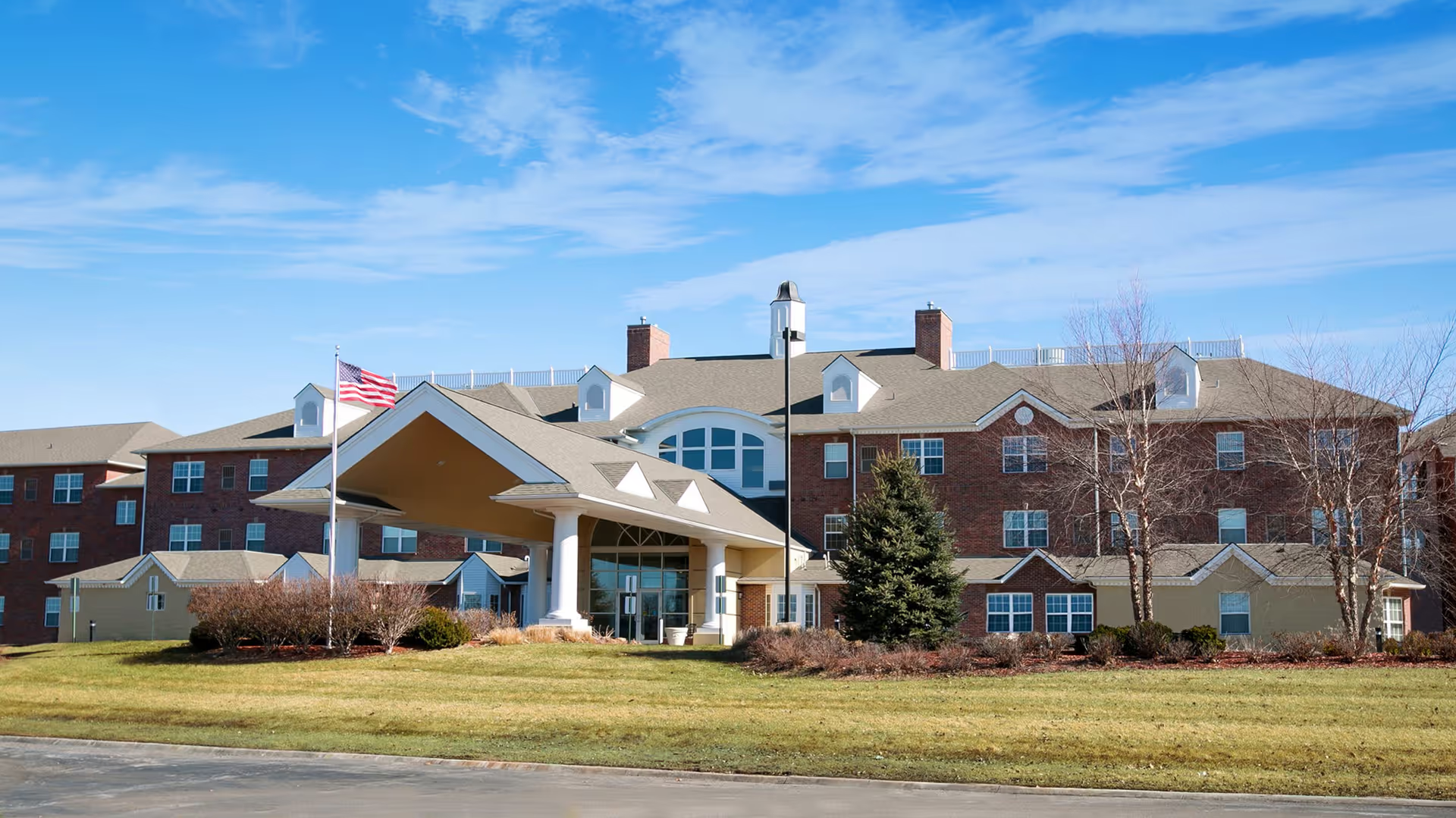
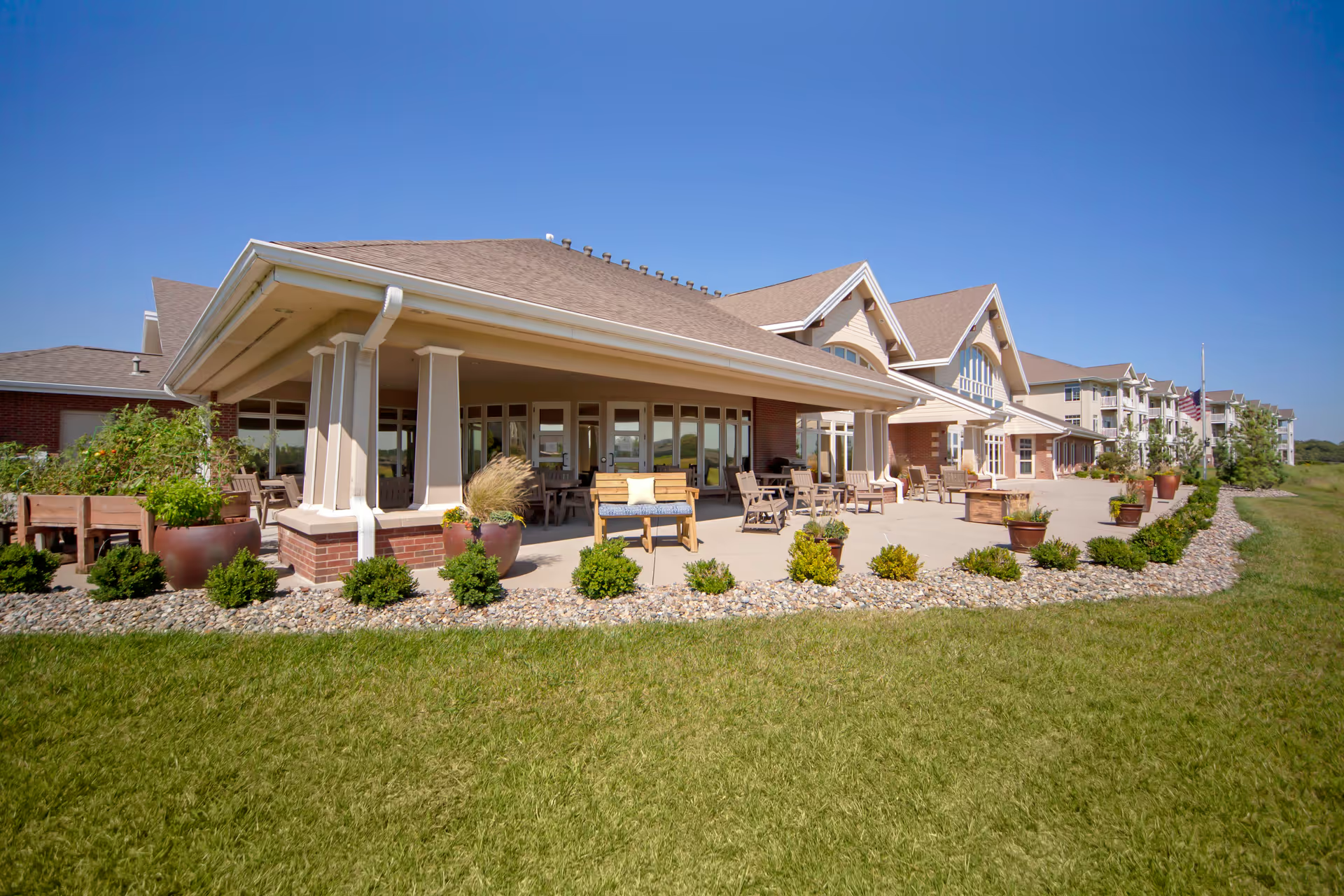
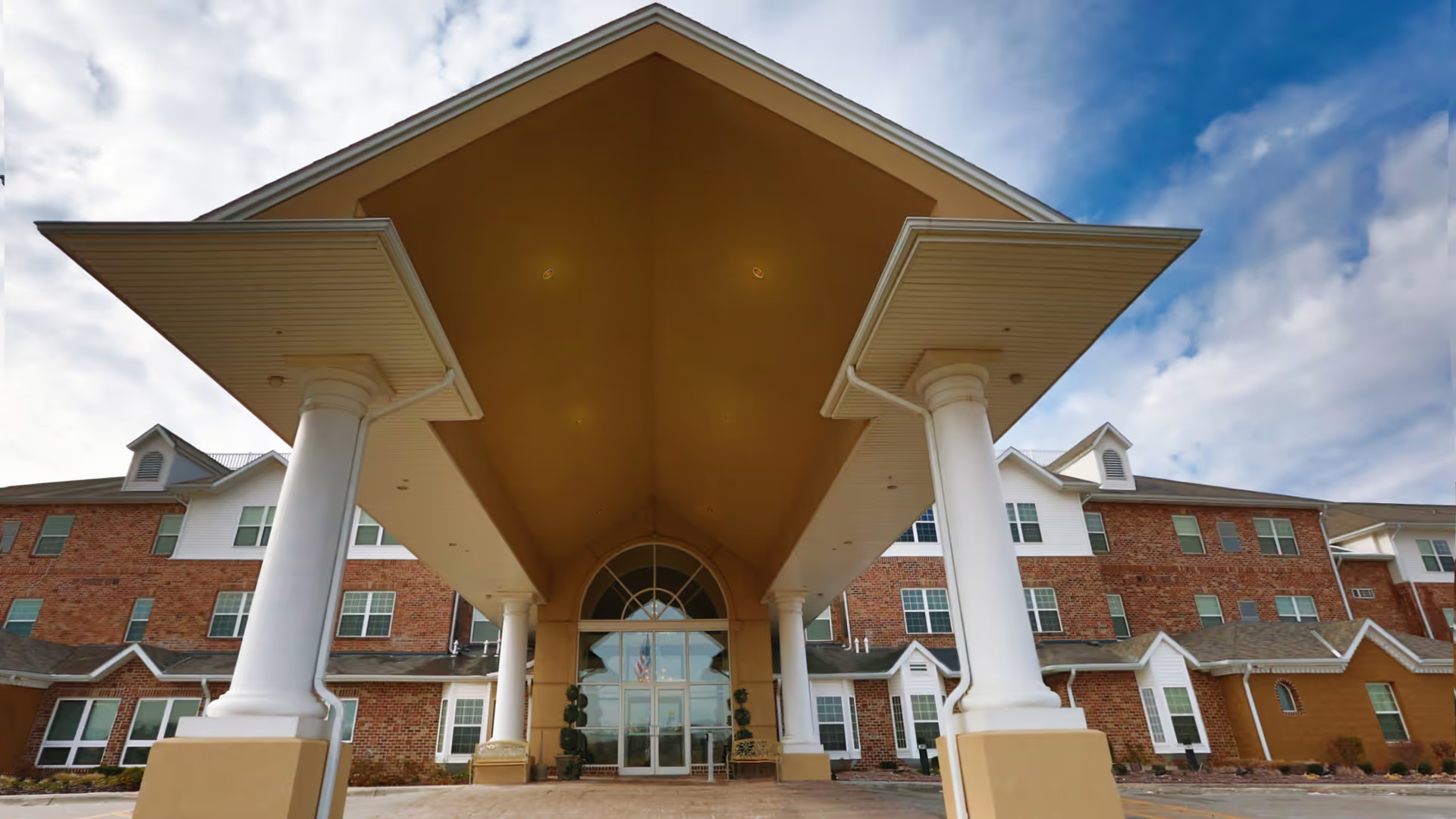
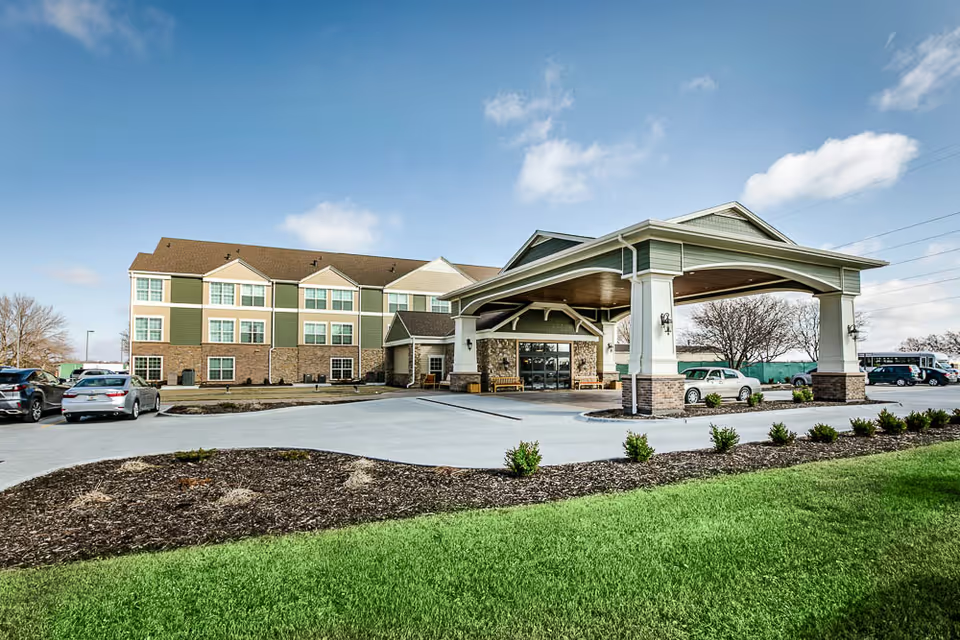
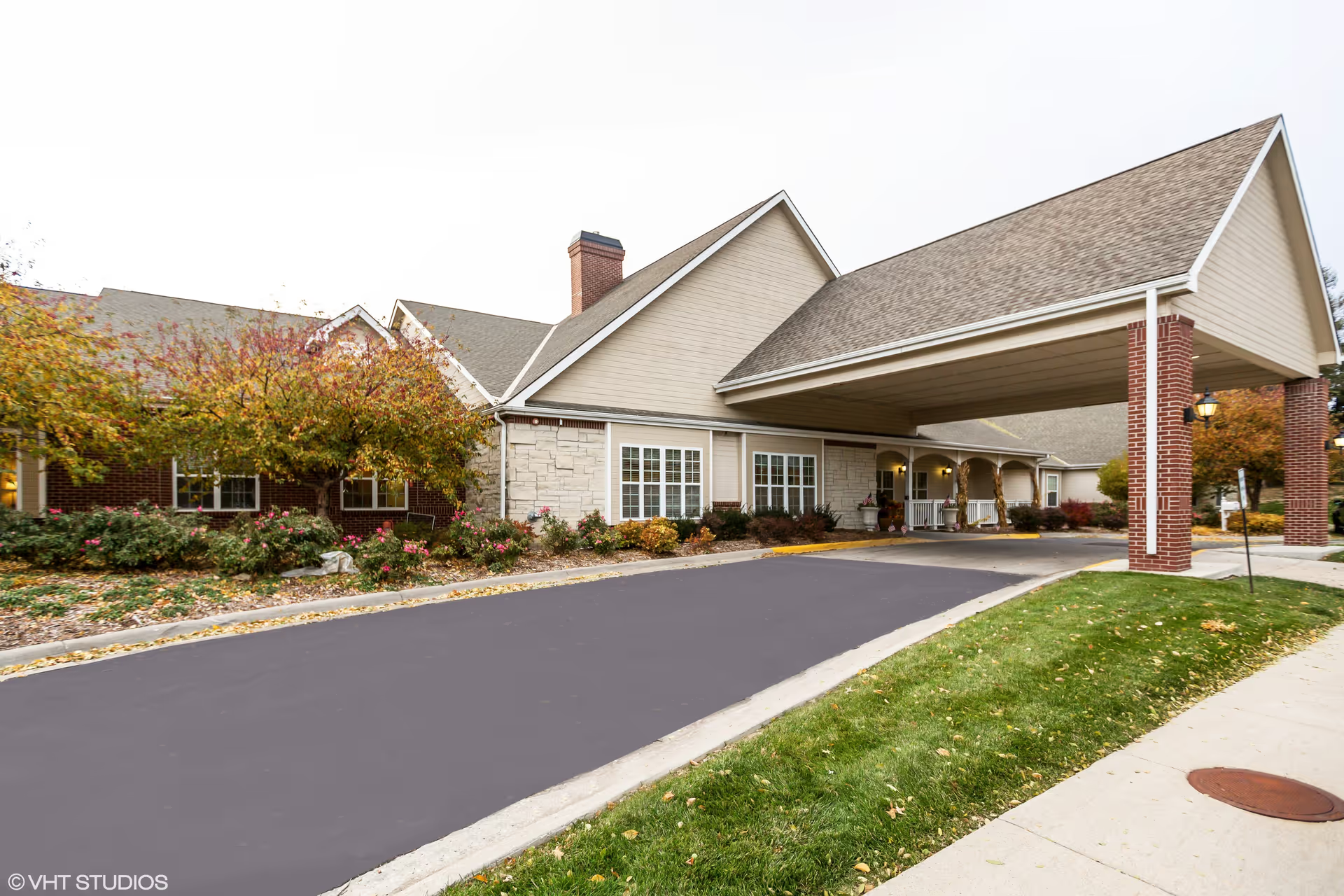
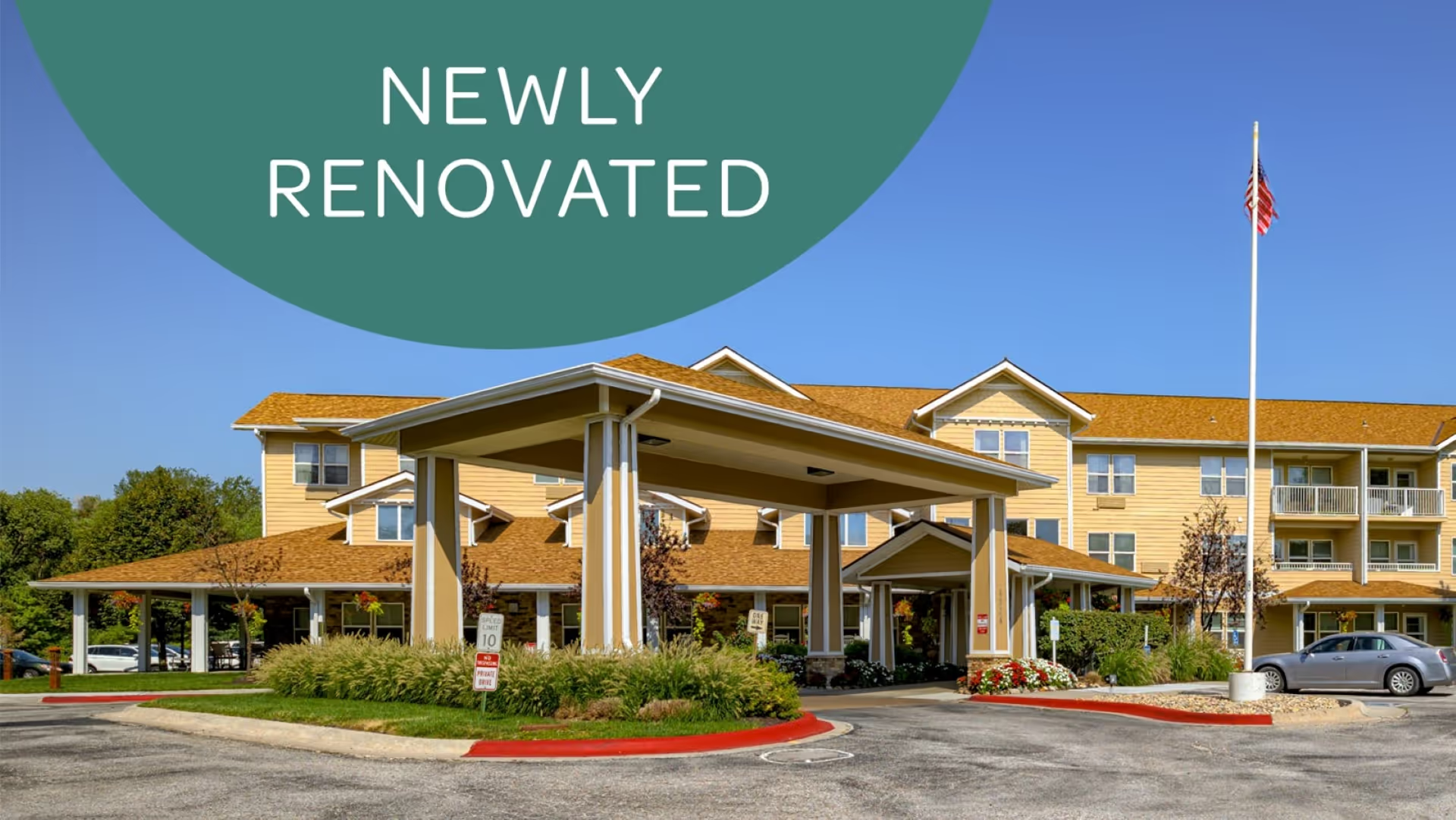
Facilities and accessibility: The building and common areas are frequently described as attractive, clean, and well-maintained, with visitor amenities such as beverage service noted positively. At the same time, reviewers identified limitations in physical accessibility for some mobility devices, indicating that certain spaces or routes may be less wheelchair-friendly.
Notable patterns and decision guidance: The overall pattern is one of contrasts: strong therapy programs, welcoming aesthetics, and many compassionate caregivers coexist with operational inconsistencies that can affect safety, accessibility, and dining satisfaction. Prospective residents and families should weigh the facility’s rehabilitation and interpersonal strengths against the documented variability in staffing, clinical-safety processes, dining quality, and accessibility. During a tour or meeting, prioritize questions and observations about staffing levels at relevant times, medication and fall-prevention protocols, wheelchair access on specific routes, dining options and pricing, and how management documents and communicates incident follow-up and corrective actions.