Maple Crest Health Center elicits strongly mixed but specific impressions. Many reviewers emphasize the facility’s core caregiving strengths: a largely compassionate and attentive frontline staff, capable nursing and physical/occupational therapy services, and an active recreational-therapy program that runs Bingo, outings and social events. Several accounts highlight effective memory-care practices such as thoughtful roommate matching and sensory/quiet spaces. The interior environment is frequently described as clean, well maintained and warm, with room options for single or shared occupancy.
At the same time, recurring operational weaknesses appear across comments. Staffing levels on nursing shifts are cited as a constraint that contributes to delays in bedside responsiveness and inconsistent attention during some shifts. Communication with families and between clinicians is uneven: there are specific concerns about medication oversight and timely physician communication, as well as gaps in outreach and bereavement communication following a resident’s death. These patterns suggest variability in clinical follow-through and family engagement depending on unit or shift.
Dining and activity programming receive mixed notes. The recreational-therapy team and scheduled outings are a clear strength for residents who benefit from structured social programming; however, some residents who expected a more independent, less structured living experience found activities infantilizing or not well matched to their goals. Food quality is described variably across accounts, ranging from acceptable to disliked, indicating inconsistency in meal experience.
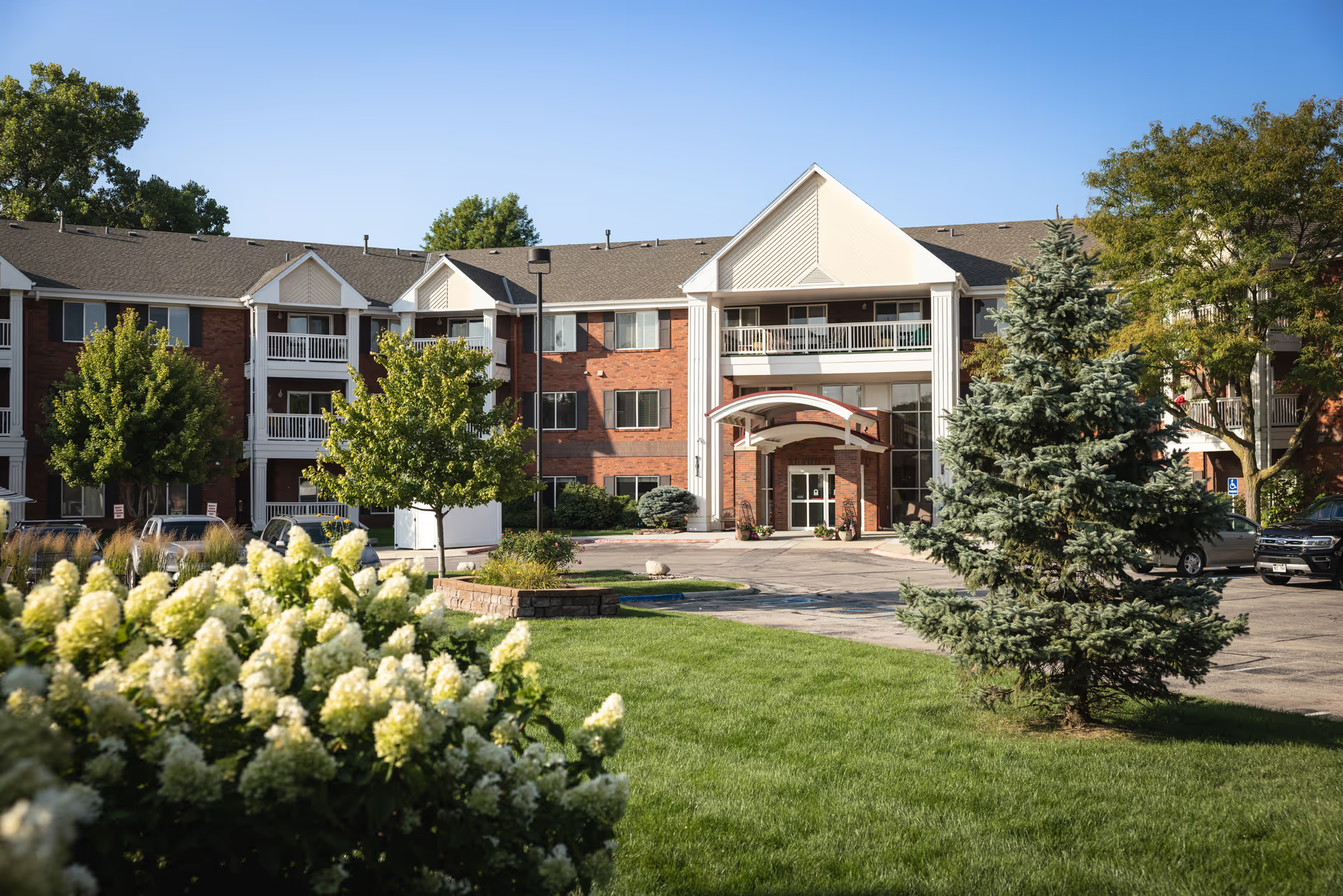
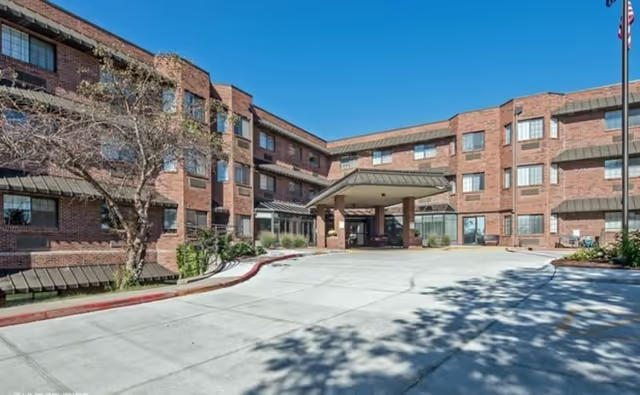
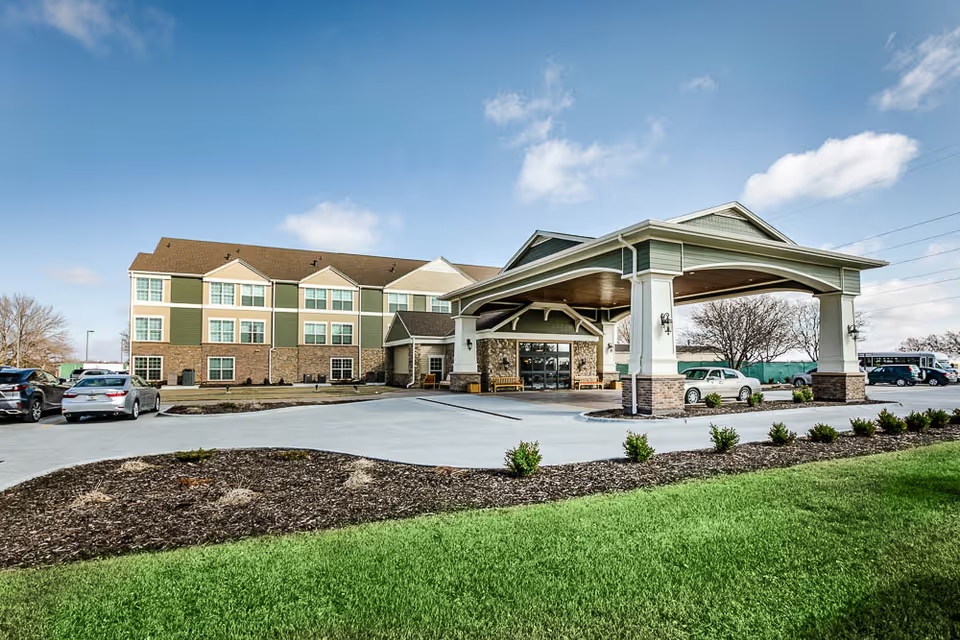
Facility condition and safety observations are similarly mixed. Inside the building many reviewers find the environment comfortable and well cared for, while others call out dated exterior architecture, smaller room sizes, limited natural light in some areas, and localized sanitation or pest-control concerns that merit investigation. A serious behavioral incident involving a resident that prompted external protective-agency involvement was mentioned; this aligns with other comments about the need for stronger safety oversight for residents with behavioral or cognitive challenges.
Management and leadership issues are a notable theme. Several remarks describe turnover among administrators, uneven staff support, and occasional payroll or staffing morale problems. Where leadership and communication are effective, families report strong collaboration and peace of mind; where leadership is strained, families describe inconsistent practices and reduced confidence.
Overall, Maple Crest appears to provide genuinely compassionate bedside care and effective therapy services for many residents, particularly those with higher dependence or memory-care needs. Prospective residents and families should weigh that clinical strength against reported variability in staffing, communication, sanitation, and management stability. Practical due diligence would include asking about current staffing ratios, medication-safety protocols, pest-control measures, activity programming fit for the prospective resident’s functional level, and the facility’s policies for family communication and end-of-life outreach.