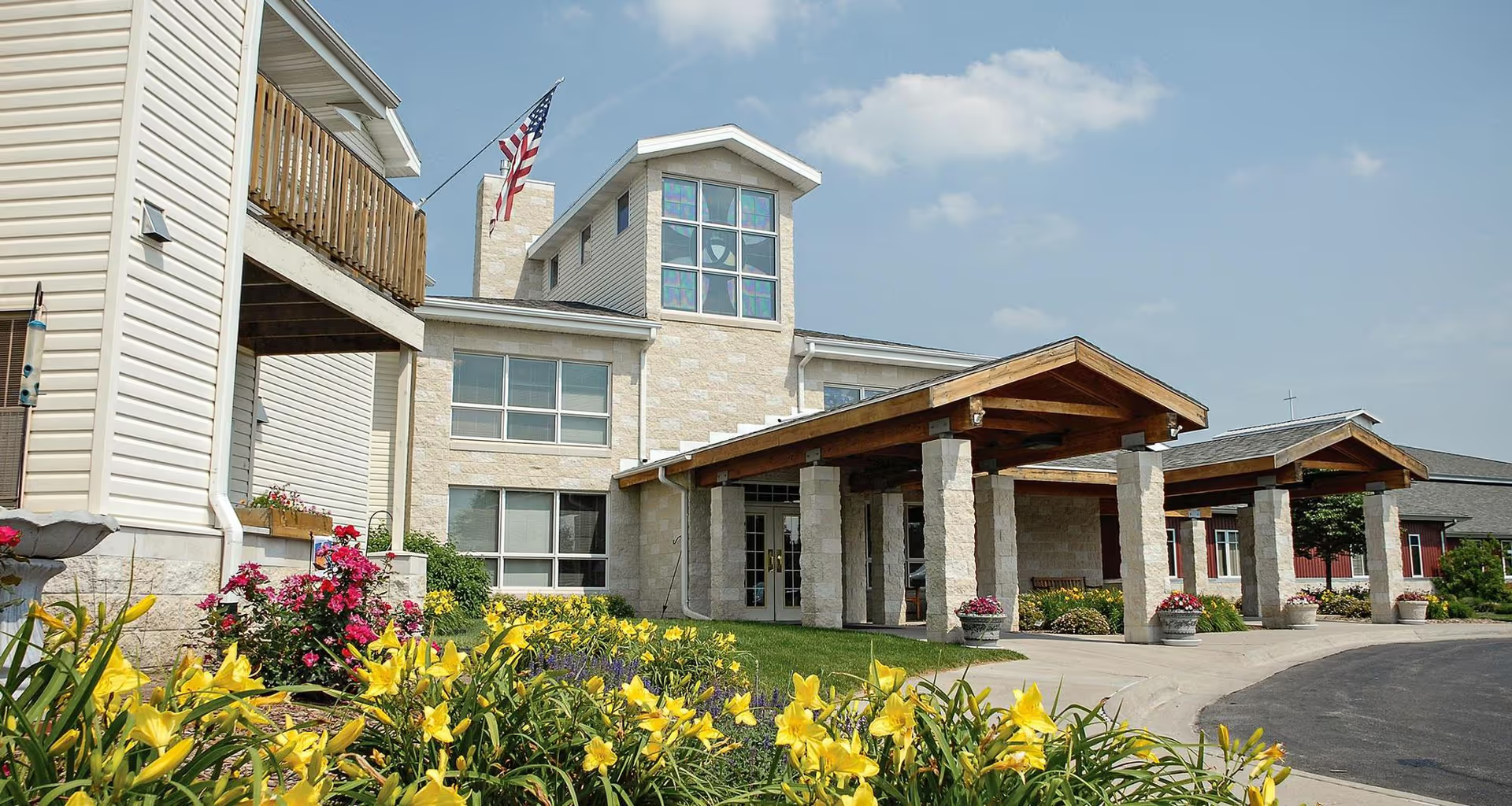
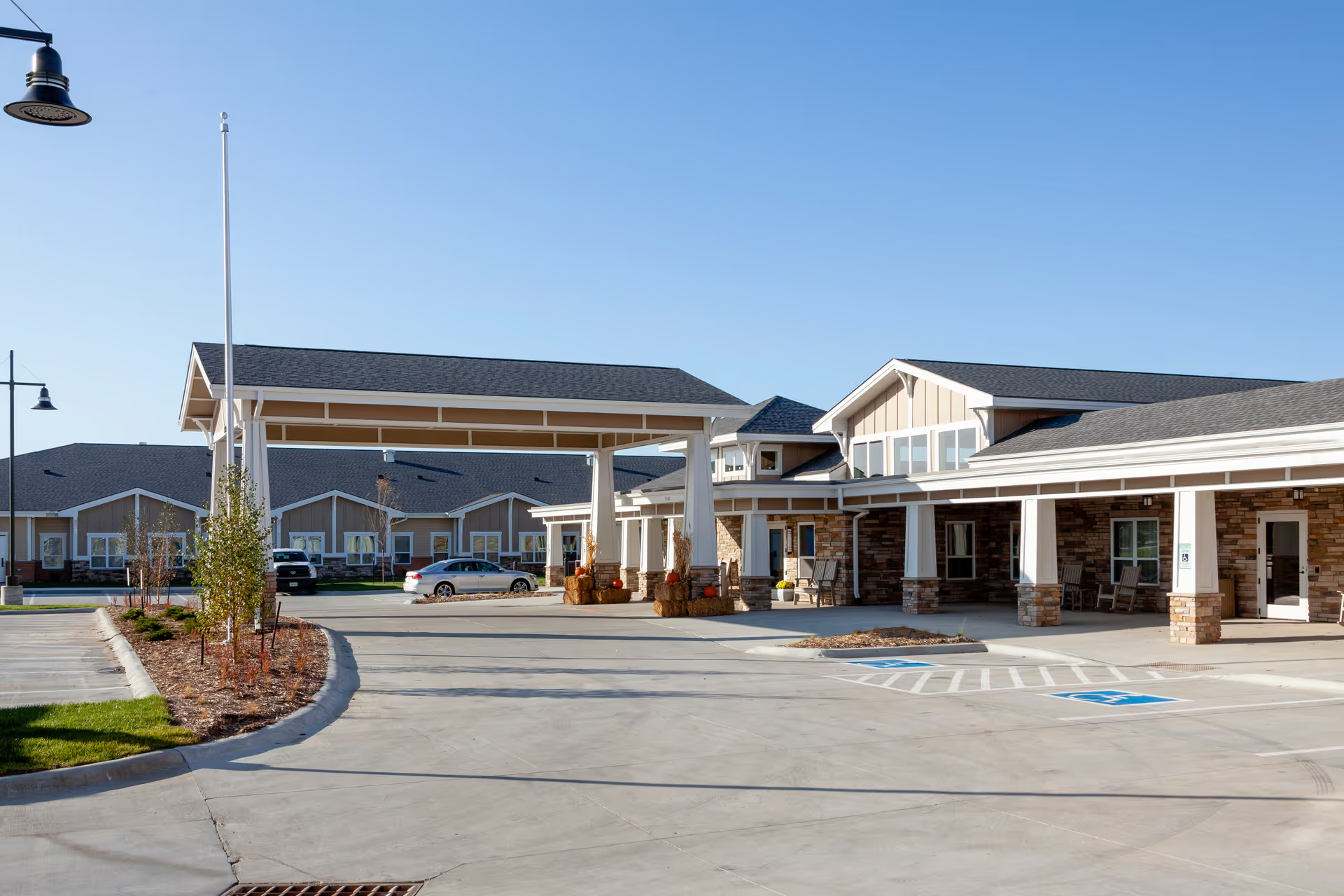
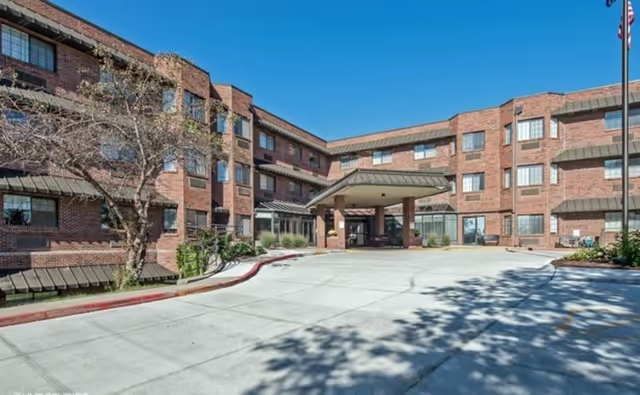
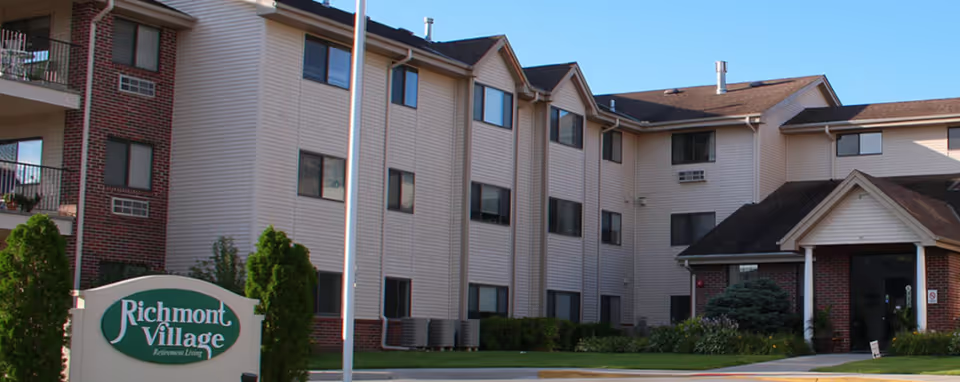
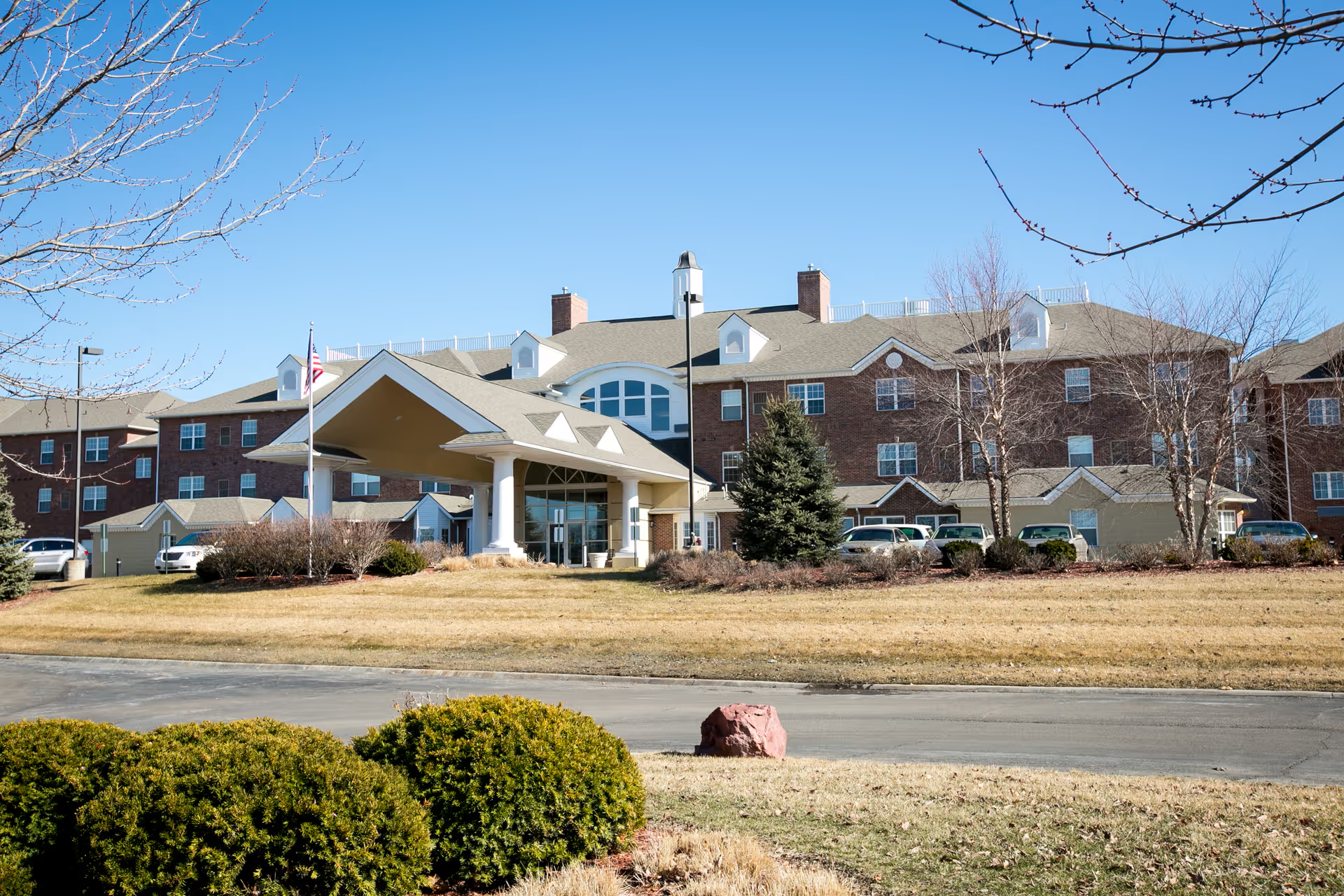
Overall impression: Brookestone of Papillion is frequently described as a clean, recently renovated facility with a homelike atmosphere and active social programming. Many families and residents praise the compassionate bedside care provided by nursing assistants and several skilled therapists, and they highlight the facility’s strength as a short-stay rehabilitation site. Private-suite-style rooms, multiple dining and sitting areas, secure storage for personal items, and a family room for celebrations are recurring positives.
Care quality and clinical services: Therapy services and the on-site rehabilitation program receive consistent positive comments; physical and occupational therapists are characterized as proficient and effective in helping residents progress. Nursing and CNA care is often described as kind and attentive, though reviewers describe variability in clinical responsiveness. Several accounts point to gaps in medication administration practices and monitoring, and there are repeated concerns about slower nurse availability during certain shifts—notably overnight. A small number of serious complaints referenced concerns following a resident’s death; these underscore the importance of asking detailed questions about staffing patterns and emergency response procedures during tours.
Staff and professionalism: Staff are widely described as friendly, personable, and family-oriented, with many families noting that caregivers remember names and build relationships. At the same time, reviewers describe inconsistent professionalism and responsiveness from some employees and leaders. There are recurring mentions of inattentive night shifts, slow call-light responses at times, and variability in how front-line and administrative staff communicate with families and physicians. Several comments also point to employee morale and internal staffing challenges that appear to affect service continuity.
Dining and activities: The facility offers multiple dining rooms and a varied menu with organized meal service; many residents found meals tasty and well prepared. However, there are repeated notes about inconsistent meal temperature and occasions when food was not served warm. Accessibility in dining areas and certain common spaces was called out as limited for residents with mobility needs. Programming is a strength—regular activities, bands, church services, games, and social events contribute to resident engagement and a community feeling.
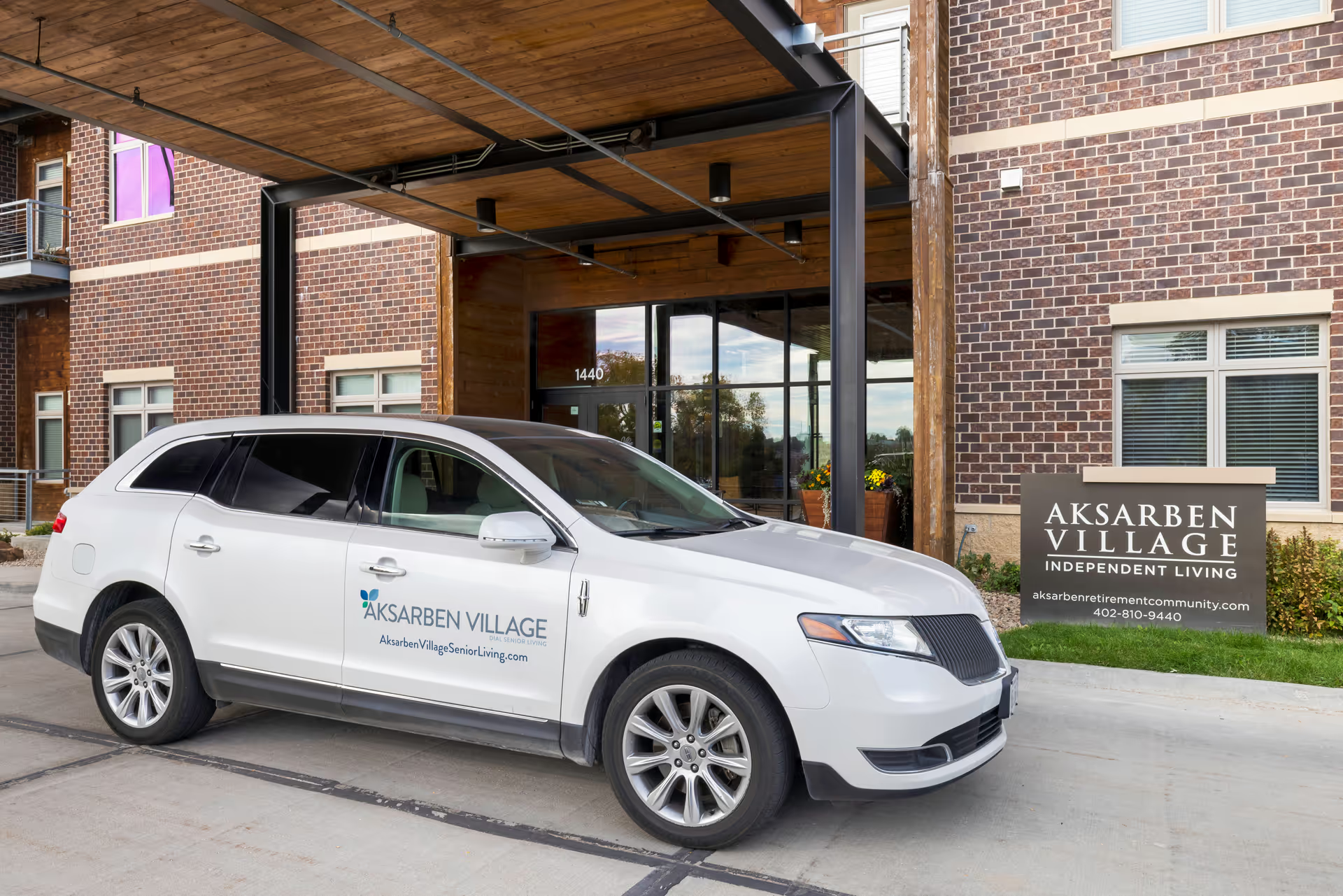
Facilities, admissions, and logistics: Physical spaces are generally described as clean, modern, and well kept. Admissions processes are often characterized as efficient, and staff have been praised for quick placement from the hospital. Transportation and scheduling logistics are an area of friction: taxi service can be difficult to arrange and may carry charges, and therapy or appointment schedules are sometimes inconsistently communicated. Families should clarify transportation arrangements and therapy schedules during intake.
Management and administrative matters: Positive comments highlight compassionate leadership, individualized care plans, and continuity of caregivers. Conversely, a number of families raised concerns about billing transparency, administrative communication, and the consistency of leadership follow-through. Privacy and process clarity around private-suite options and funding were also mentioned as topics that could benefit from clearer written explanations.
Notable patterns and recommendations: The dominant strengths are cleanliness, a strong rehabilitation program, engaged activities, and many examples of compassionate bedside care. The dominant weaknesses center on inconsistent staffing (particularly overnight), medication-administration and responsiveness issues, communication gaps with families and physicians, and some administrative/billing opacity. Prospective residents and families may benefit from focused questions during a visit: staffing ratios by shift, medication-administration protocols, examples of how the facility communicates clinical changes to families and physicians, dining accessibility, and written policies on billing, private-suite processes, and transportation. These targeted inquiries can help clarify whether Brookestone’s strengths align with an individual resident’s care priorities.