Reviews for The Mulberry at Waverly are sharply divided, with a substantial set of families describing highly positive, person-centered experiences and an overlapping set describing significant operational and clinical concerns. Positive commentary emphasizes a welcoming, family-like culture, hands-on nursing leadership, and staff who know residents personally. Conversely, several reviewers raised concerns that point to weaknesses in processes and consistency of care.
Care quality appears uneven. Many families praised attentive staff, effective issue resolution, and compassionate day-to-day care; these reviews highlight active nursing leadership, respectful staff–resident interactions, and visible attention to resident preferences. However, other accounts describe lapses that suggest systemic problems in clinical follow-through: medication-management gaps, delays in laboratory and diagnostic response, inconsistent wound and rehabilitation outcomes, and unintended weight loss or nutrition concerns. These mixed signals indicate variability in clinical performance and escalation practices that prospective families should probe further.
Staff and professionalism show a similar split. Numerous reviewers singled out individual caregivers, nurse directors, and administrators for praise — describing them as responsive, hands-on, and communicative. At the same time, other reviewers reported issues with staff conduct, tone of communication, and questions about staffing qualifications or supervision. There are also reports of payroll or workplace disputes and concerns about staff oversight; these point to potential personnel-management challenges that can affect resident experience.
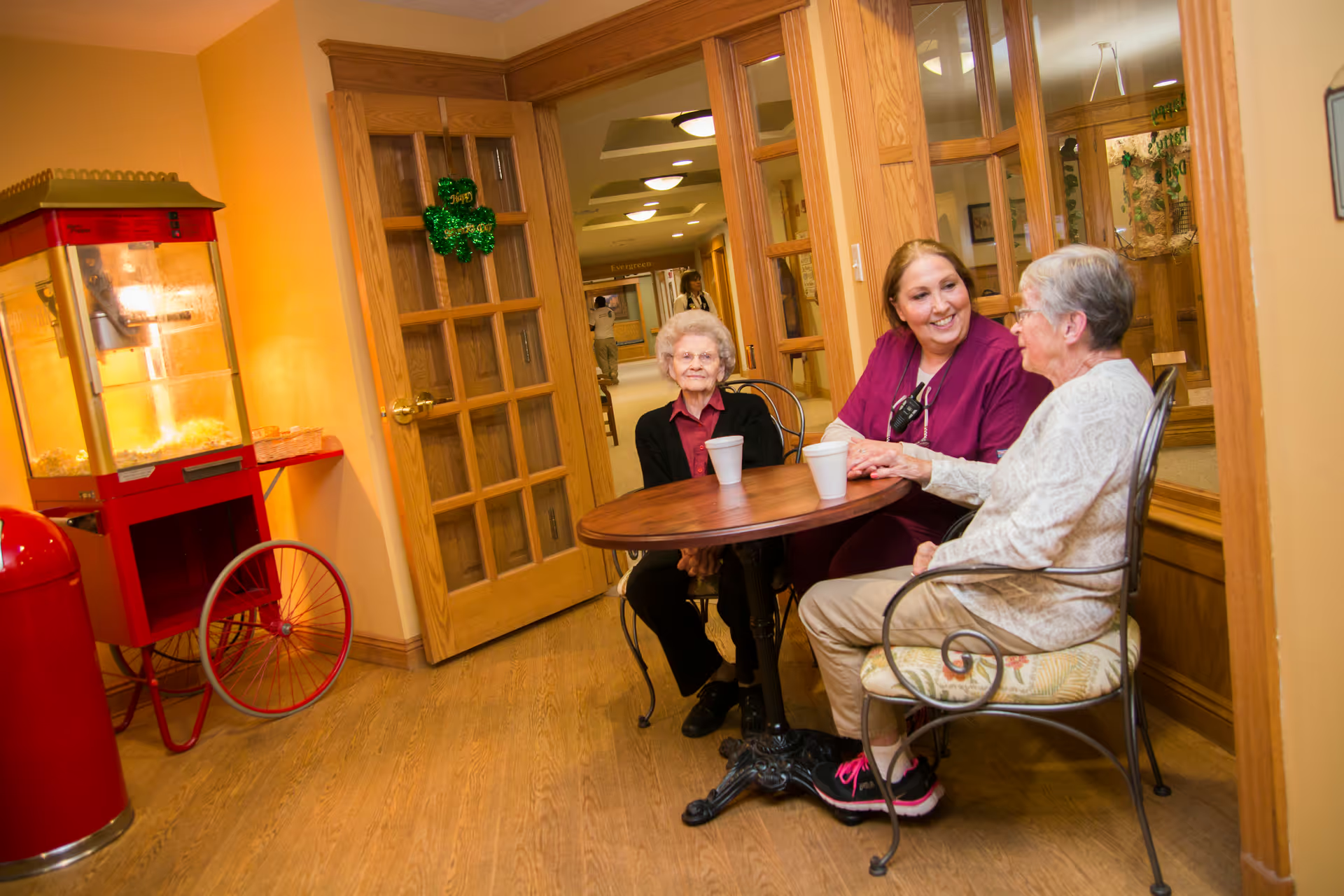
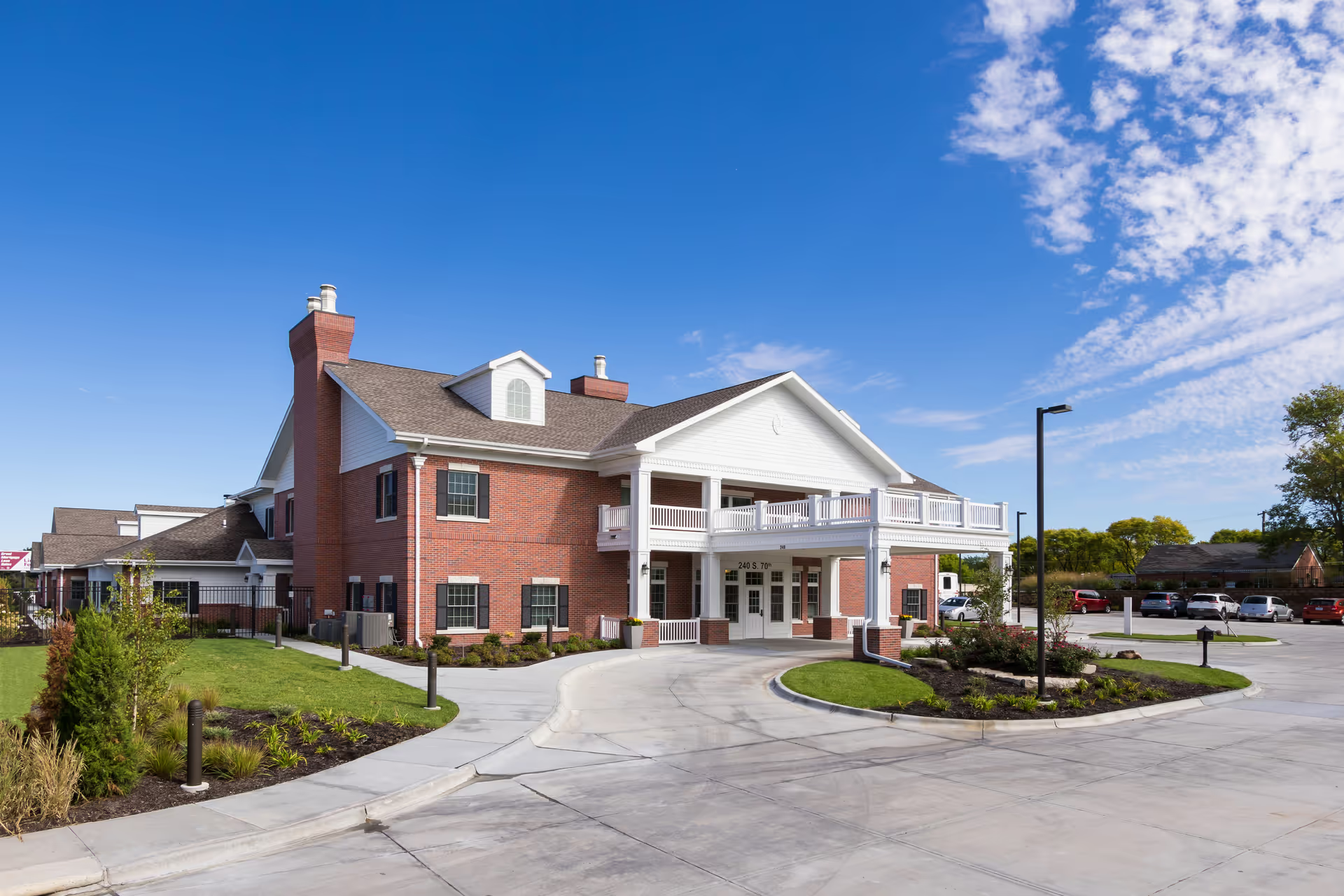
Operationally, several facility-level issues recur. Visitors reported unclear or inconsistently enforced visitation rules and conflicting information from staff and the website. There are also allegations related to property accountability and difficulties obtaining or accessing medical records; one review raises a serious claim concerning medical-records integrity. Sanitation and incontinence-care delays were cited in some accounts while others described clean, well-maintained rooms and pleasant outdoor areas, suggesting variability between units or shifts. Activity programming and community engagement are consistently described as strengths, with extensive events and holiday involvement noted.
Management impressions are mixed: some visitors praise an organized admissions process, welcoming front-desk staff, and directors who listen and resolve concerns; others describe poor responsiveness to power-of-attorney requests and communication breakdowns. Given the polarized feedback and presence of serious allegations, families touring the facility should verify current policies and practices, review recent inspection and complaint records, ask for documentation of staffing qualifications and medication-safety protocols, clarify visitation rules in writing, and request procedures for property accountability and medical-record access. A focused, in-person assessment and discussion with leadership can help determine whether the facility’s strengths align with a prospective resident’s needs and whether identified operational gaps have been addressed.