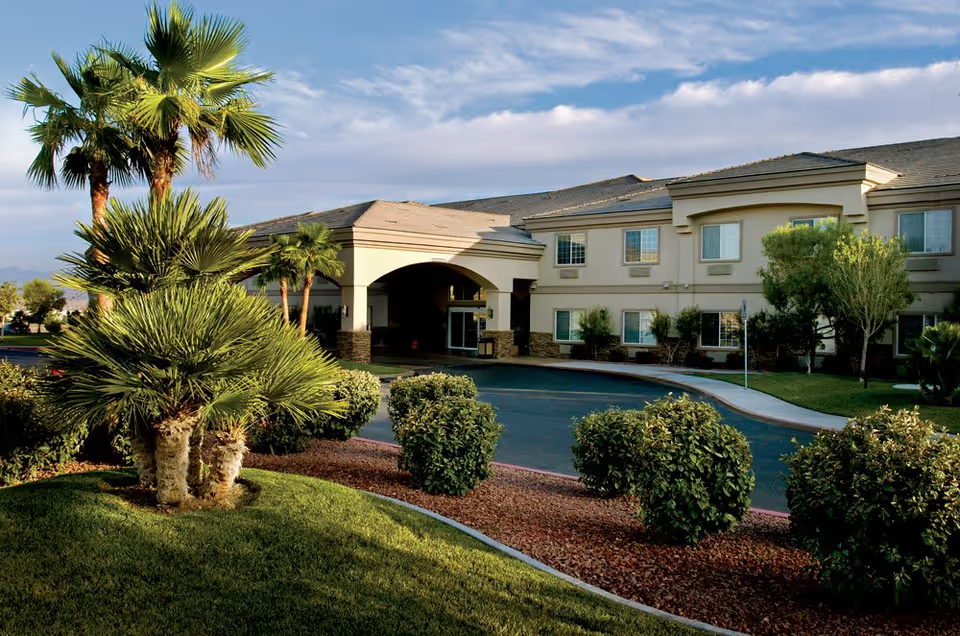
Overall, the Nevada State Veterans Home presents a mixture of clear strengths and notable operational weaknesses. Many families and residents praised the clinical side of the facility: around-the-clock nursing, on-site physician access, and a robust rehabilitation program drew frequent positive comments. Reviewers highlighted compassionate and knowledgeable staff, long-tenured caregivers, and specific clinical successes where therapy staff materially improved residents’ function. The physical environment is generally described as clean, well maintained, and hospital-like, with amenities such as a podiatry clinic, beauty salon, in-unit refrigerators, and landscaped gardens that contribute to resident comfort.
Activities and social programming are a consistent positive: scheduled events (bingo, movie nights, singing programs), outings to shopping and casinos, board games, and arts-and-crafts opportunities were repeatedly cited as engaging and beneficial for quality of life. The facility’s veteran focus, allowances for couples, and supportive groups (for example, Gold Star Parents) are additional strengths that appeal to the community served. Families also noted accessible case management and that newer administration efforts appeared to improve responsiveness in some reports.
At the same time, a pattern of operational concerns emerged. Several reviews described inconsistent responsiveness to call lights and staff communication, particularly during late hours, along with gaps in clinical-incident response and delayed or variable hospital transfer practices. Relatedly, there are recurring indications of weaknesses in fall-prevention and transfer-safety protocols. Staffing strain and uneven coverage across shifts were noted as contributing factors to these clinical and safety concerns.
There are also service-level issues that may affect resident experience: food quality and dining consistency were described as variable, and some families raised sanitation or odor concerns in particular areas despite many others describing the facility as clean. A small but serious set of reviewer statements referenced alleged mishandling of resident mail and missing funds; these claims, and mentions of regulatory attention, point to potential vulnerabilities in personal-property and financial controls that would warrant administrative follow-up.
Finally, the facility’s leadership and workplace climate were described inconsistently. Several accounts praised recent administrative responsiveness and staff going above and beyond, while others described communication breakdowns, management defensiveness, and a workplace atmosphere that inhibited staff escalation. The building’s physical layout was also mentioned as confusing in places, which can complicate supervision and navigation for residents and visitors.
In sum, the Nevada State Veterans Home offers many of the clinical and social services families expect from a full-service veterans’ nursing home, with strong rehabilitation, engaged activities, and caring staff frequently singled out for praise. Prospective residents and families should weigh these strengths against the documented operational concerns—particularly around after-hours responsiveness, fall and transfer safety, food consistency, and security of personal mail/finances—and discuss those specific areas with facility leadership during tours and care-planning conversations.