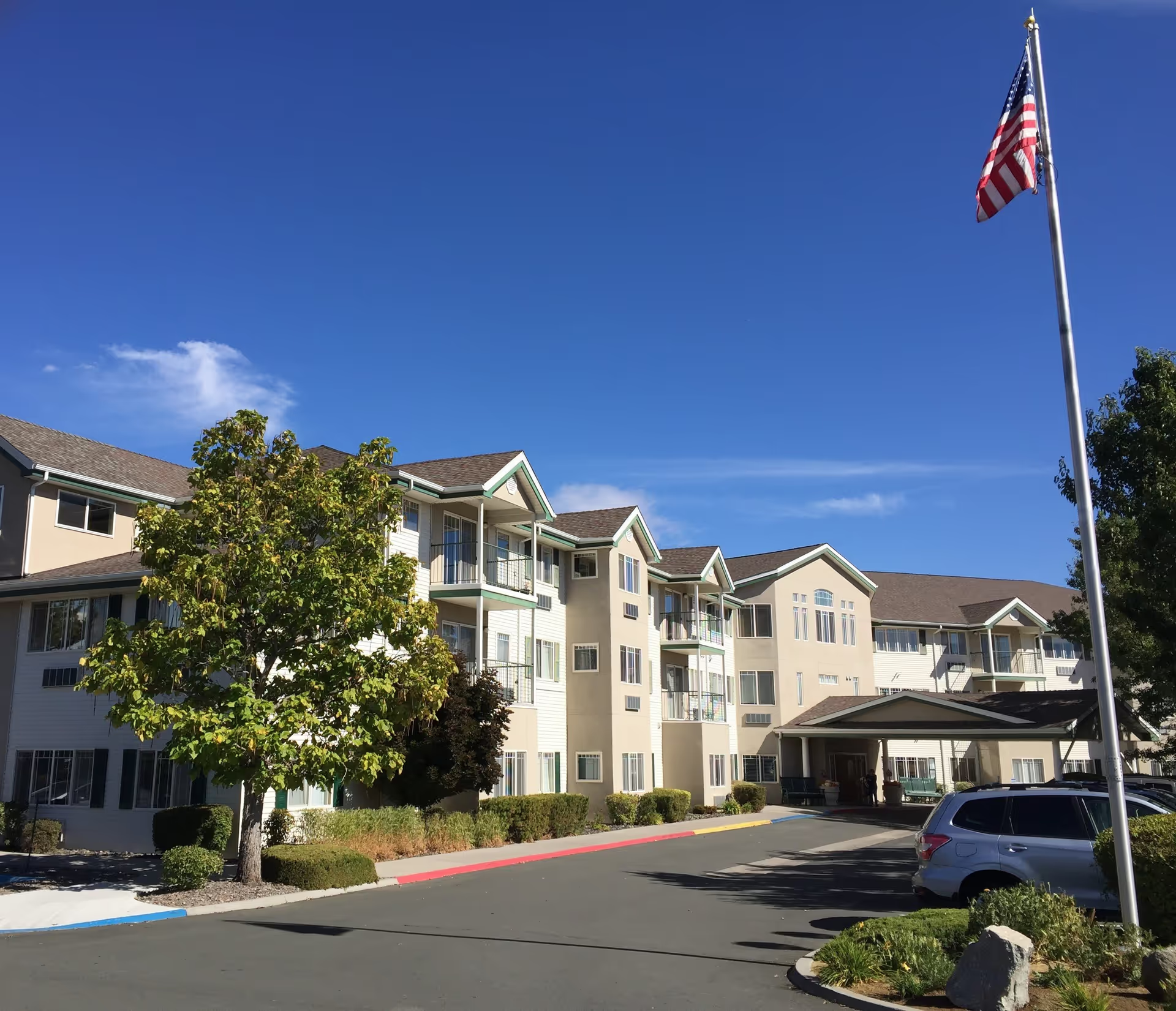
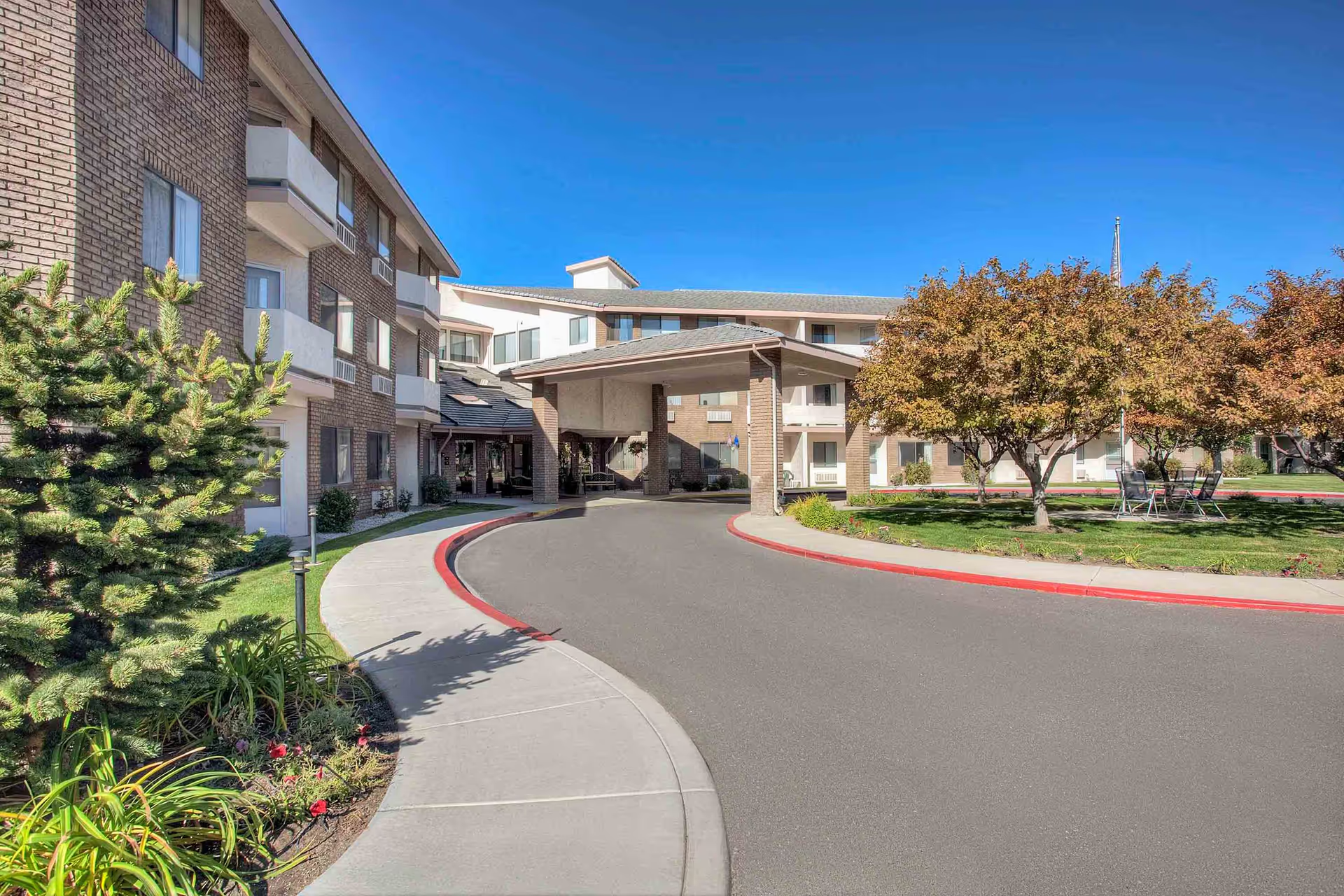
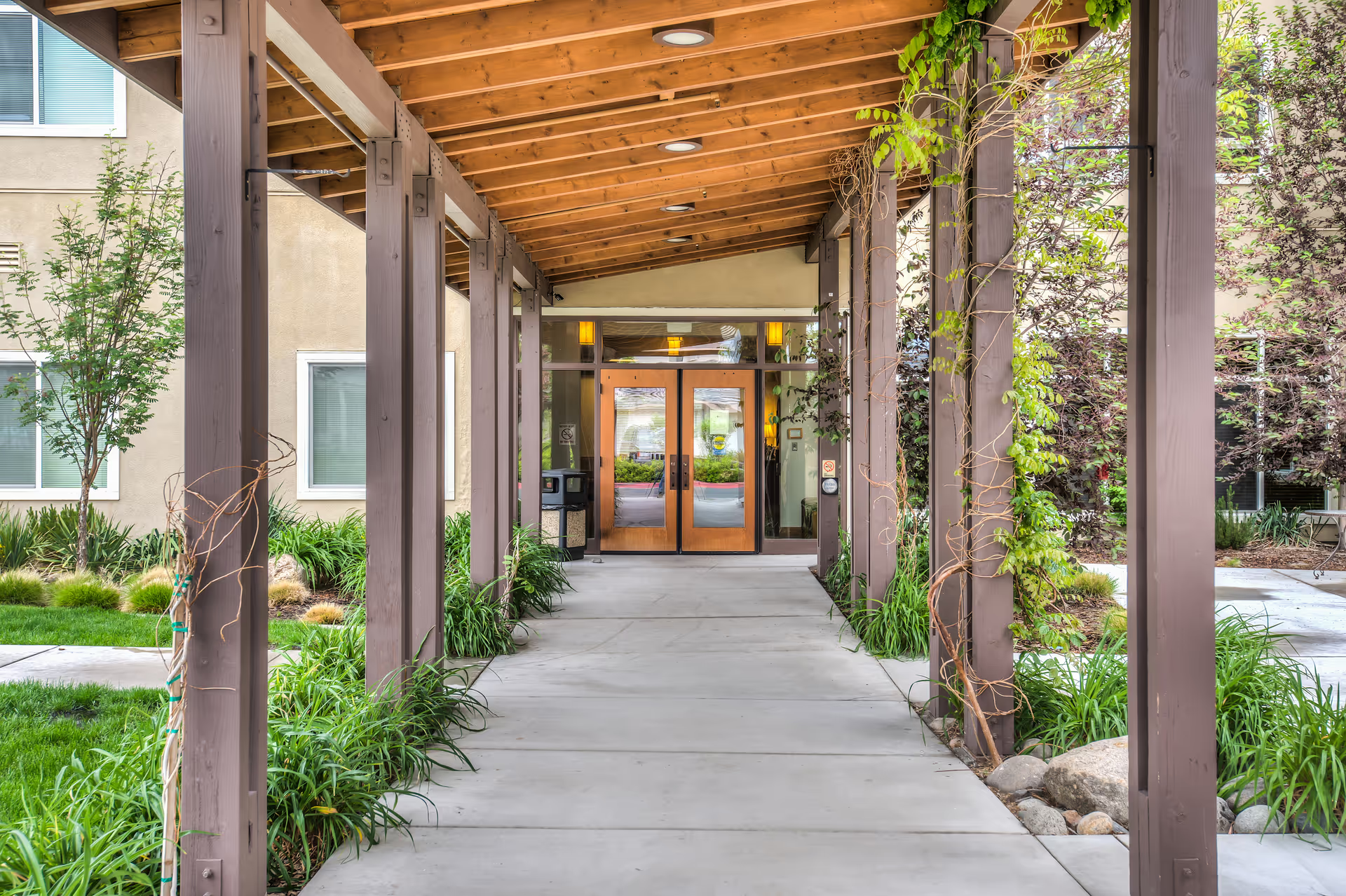
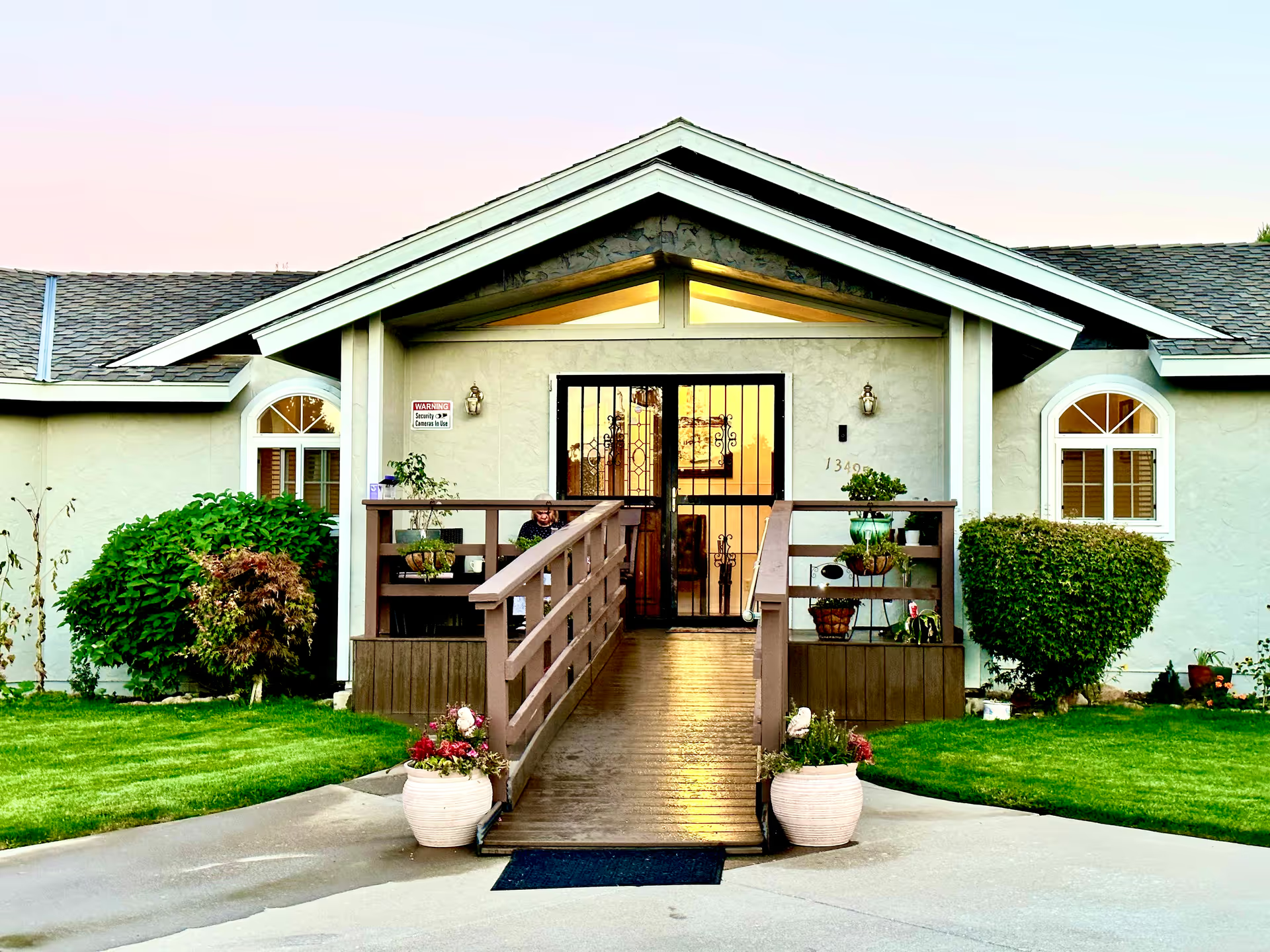
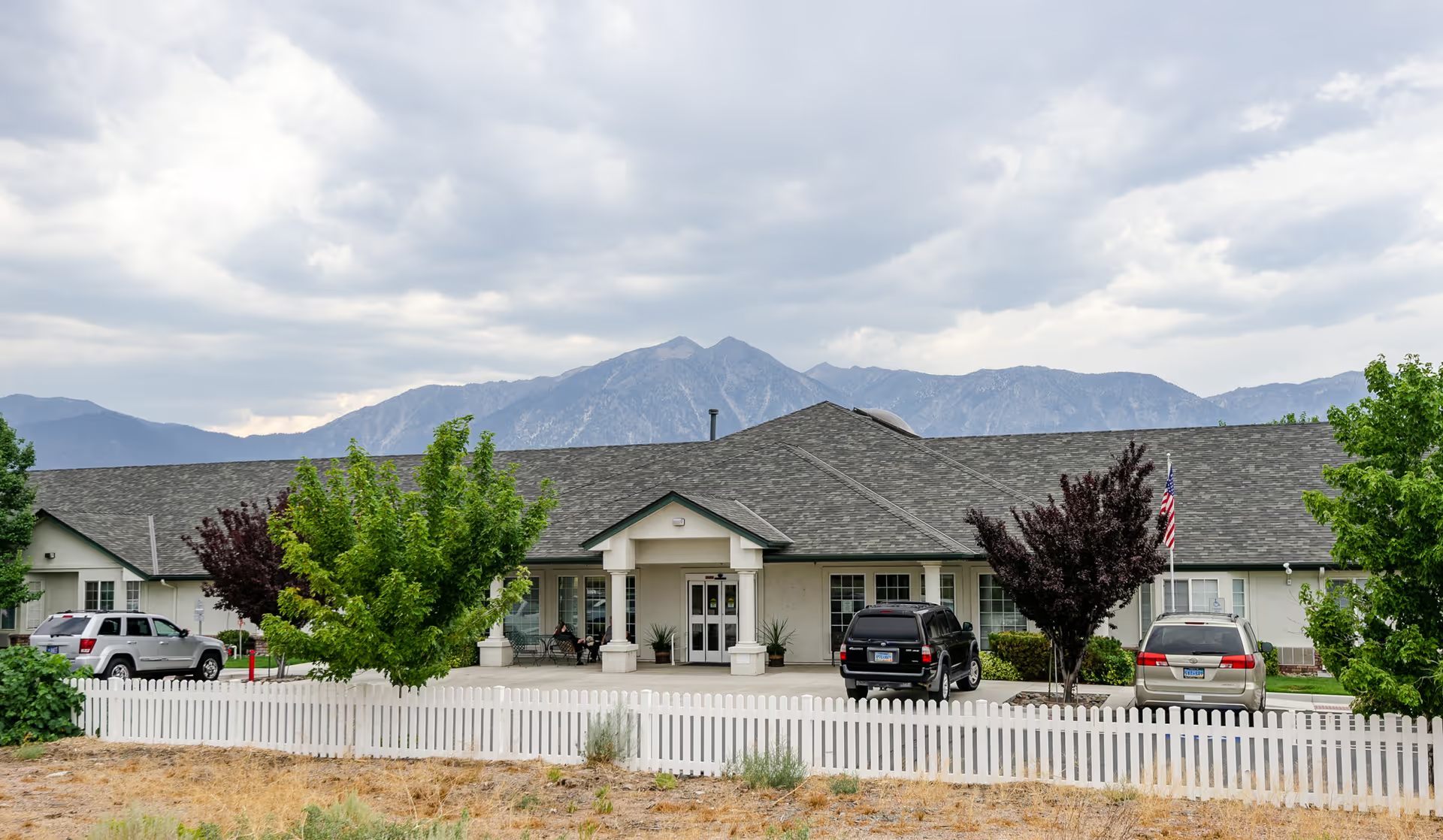
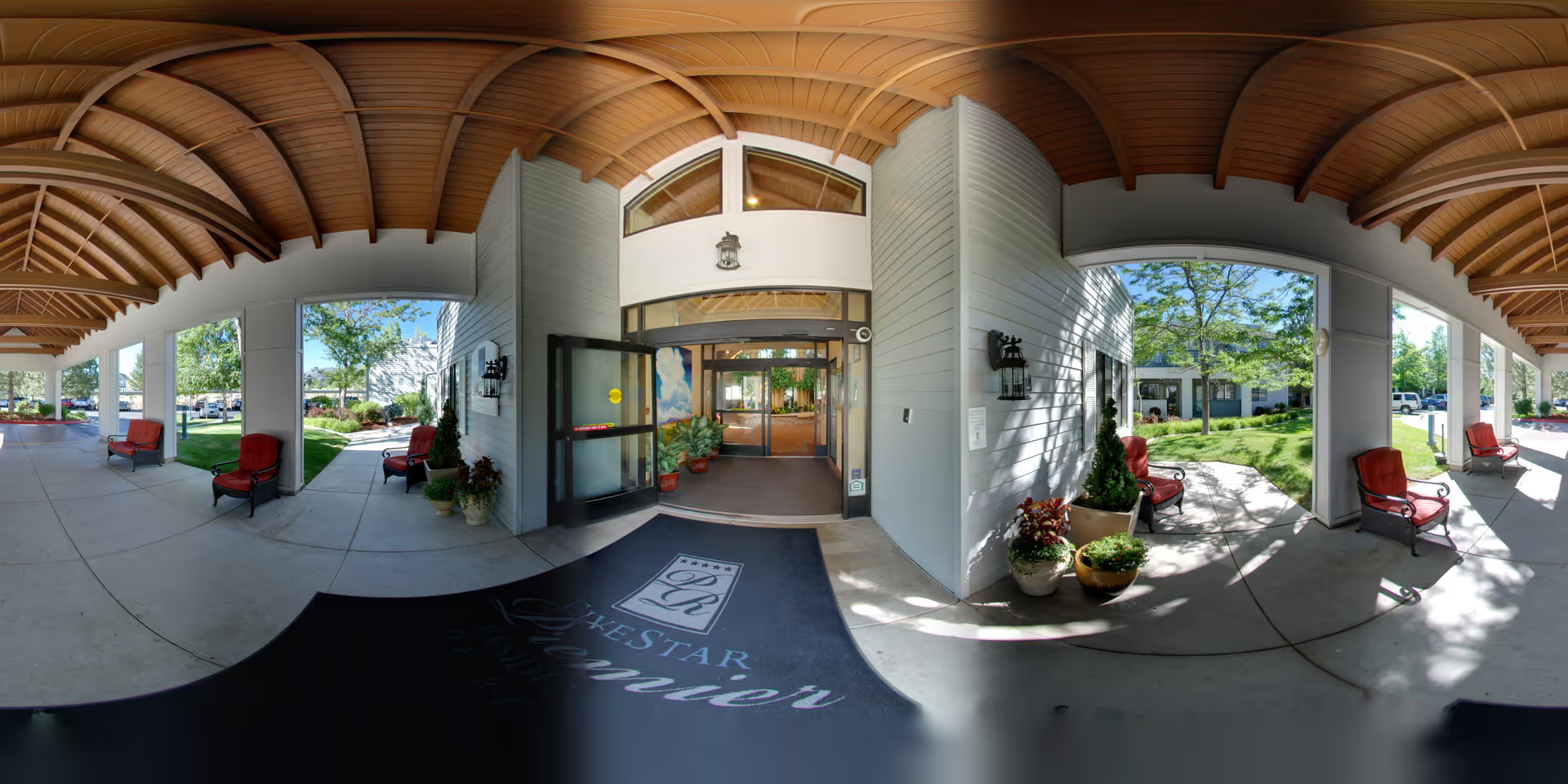
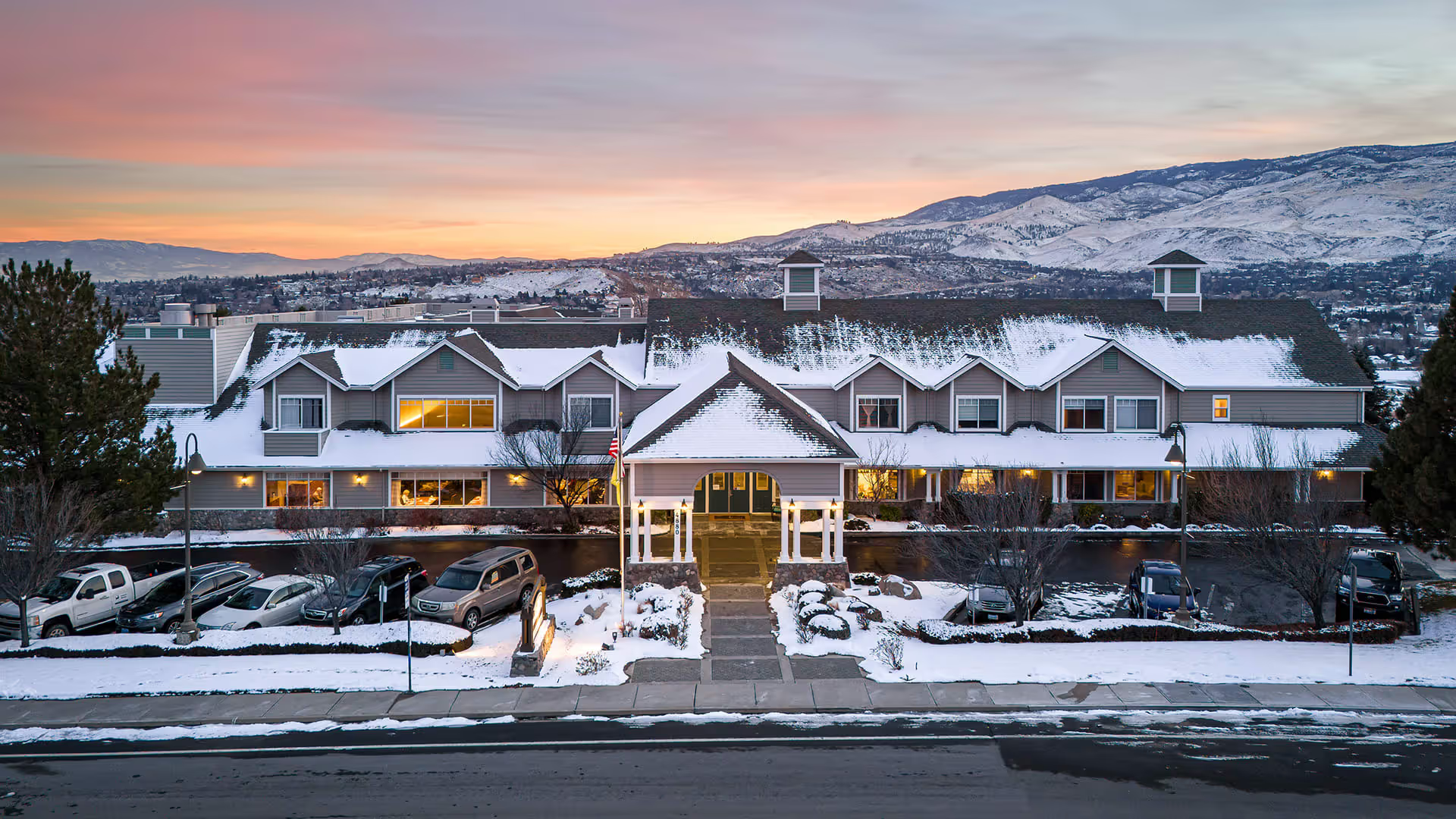
Sierra Basin Memory Care is consistently described as a new, well-appointed memory-care community with bright, clean interiors and a number of resident-focused amenities. Many families note attractive décor and local artwork, secure entry, multiple sitting rooms, a movie-theater-style space, a snack/lounge area, laundry service, and the ability to personalize apartments, including independent climate control. The physical plant and common spaces are repeatedly cited as strengths that create a calm, home-like environment for residents.
Care quality and staff performance show a clear pattern of mixed experiences. Numerous accounts praise the caregiving team as compassionate, patient, and skilled in dementia-specific approaches; reviewers highlight staff who provide gentle redirection, form strong bonds with residents, and support families during the transition into memory care. At the same time, there are repeated operational concerns about inconsistent staffing levels and delays in responsiveness. These staffing inconsistencies are linked by some families to gaps in assistance with daily living needs (mealtime and bathing assistance), unclear clinical oversight, and variable follow-through on medical or end-of-life needs. There is also at least one serious safety-related concern referenced; prospective families should inquire about recent incident responses and corrective actions.
Dining and nutrition are described unevenly. Several families praise above-average meals and an ability to accommodate dietary needs, while others describe limited menu variety, lower food quality at times, and instances where residents lost weight due to insufficient meal assistance or limited fresh produce. Clarifying dining schedules, menu cycles, and assistance protocols is advisable for those with high nutritional or feeding support needs.
Activity programming appears robust in parts of the community—offered options include crafts, manicures, music, sing-alongs, karaoke, puzzles, movies, and outdoor walks—but delivery and engagement can vary. Some residents are observed to be actively engaged in scheduled programs, whereas others are reported to spend long periods inactive or primarily watching television. This suggests variability in how programming is staffed or adapted to resident ability levels and interests.
Families describe mixed experiences with management and communication. Some reviewers describe helpful, informative, and compassionate administrative staff who provide thorough move-in support and guidance without pressure. Others report curt communication, poor follow-up, and difficulty reaching management when concerns arise. Additional operational issues cited include security and property-management gaps, inconsistent pet-policy implementation, restrictive or unclear visitation rules (including infection-control policies), limited access to phones or resident communication options, and unclear processes for medication and supplement administration.
For prospective families: an in-person tour and targeted questions will be important. Recommended topics include current staffing ratios and typical shift coverage, protocols for assistance with activities of daily living, how clinical oversight and medication administration are handled, menus and meal-assistance procedures, activity schedules and how programming is individualized, security and property-loss prevention measures, the facility's pet policy and visitation rules, and how management communicates with families about incidents and follow-up. Observing mealtimes and an activity session, meeting caregiving staff and the nurse/clinical lead, and asking for examples of recent incident follow-up will help assess how consistently the facility delivers the strengths many families praised and how it addresses the operational gaps noted by others.