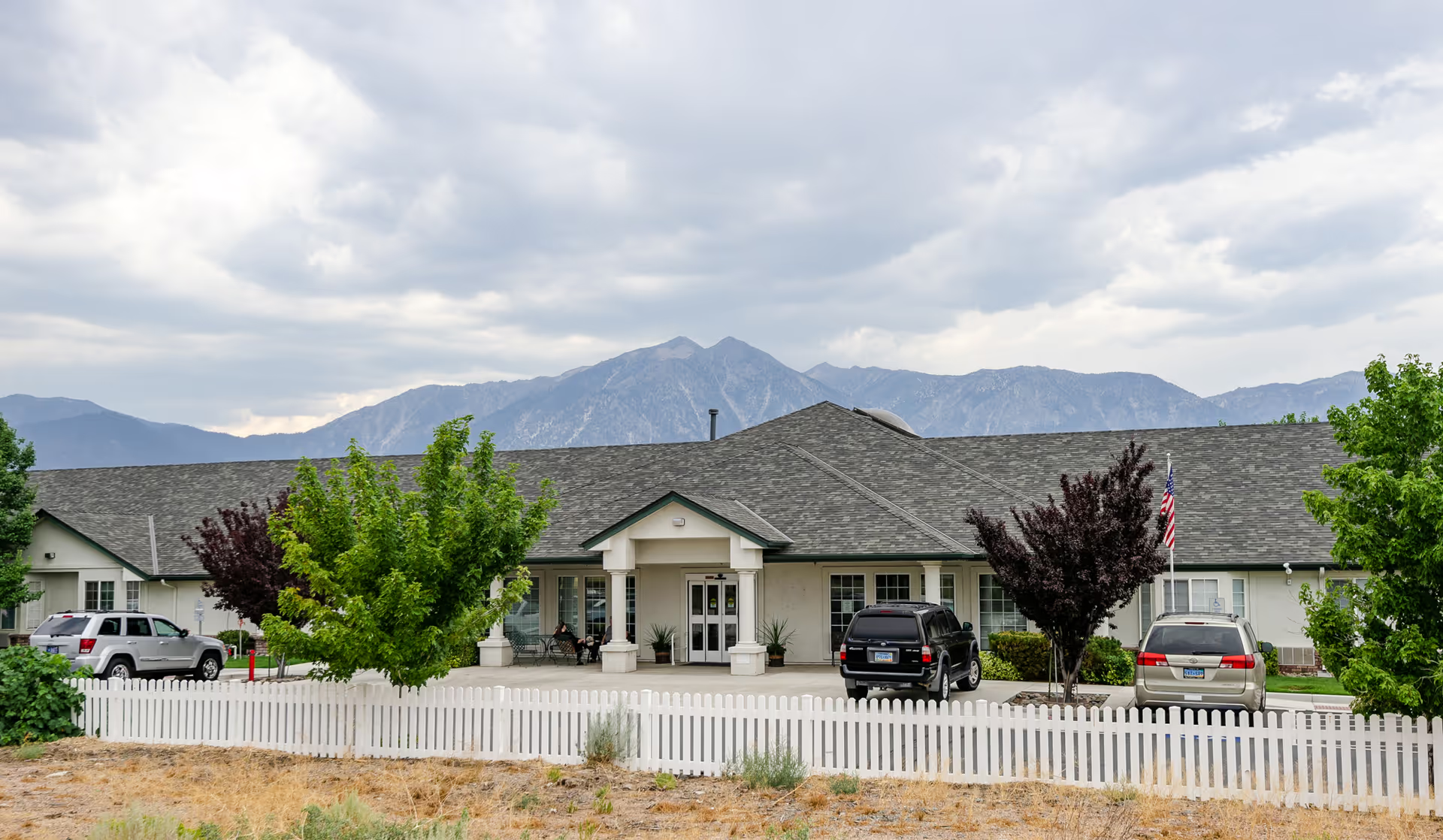
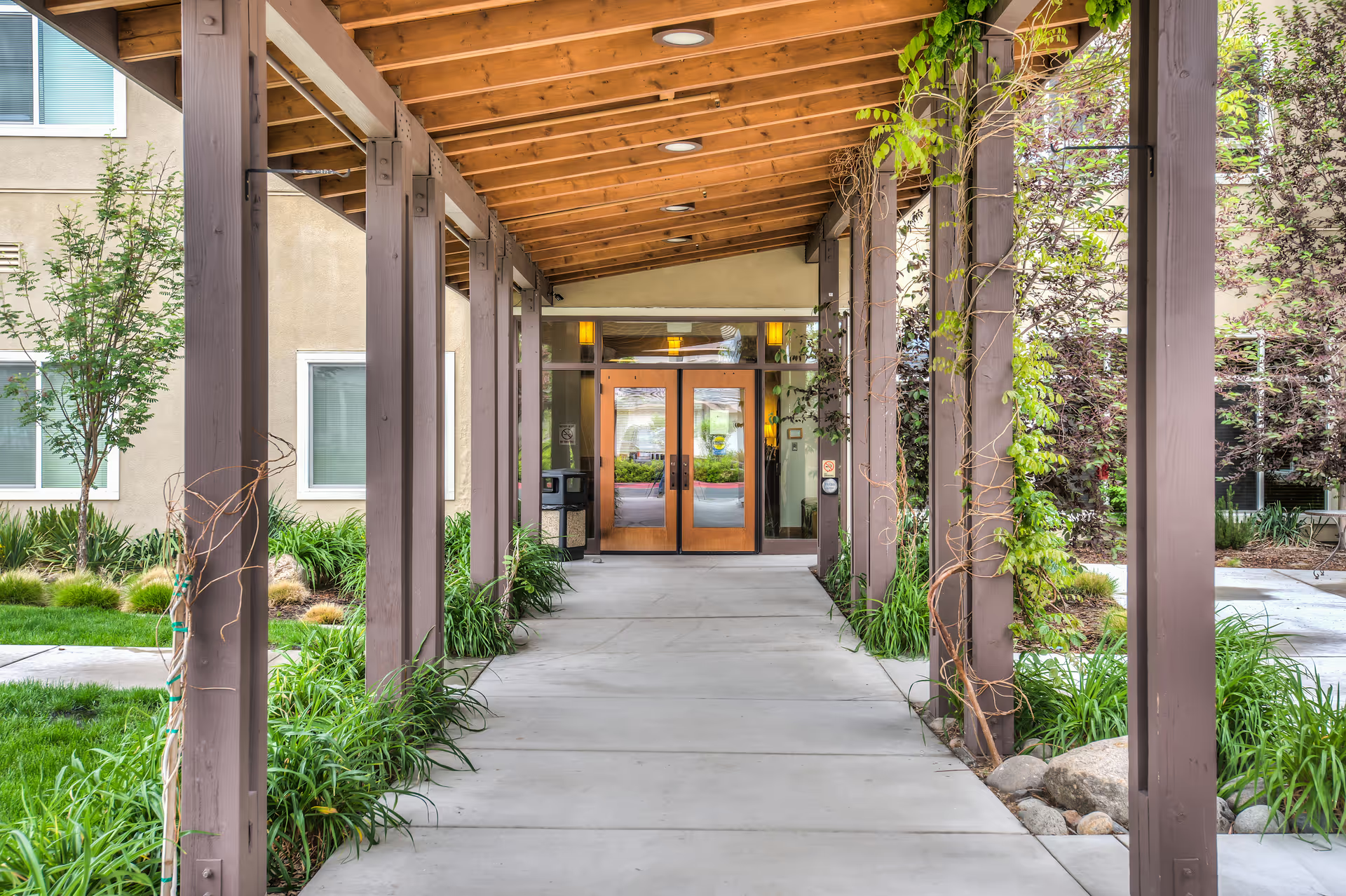
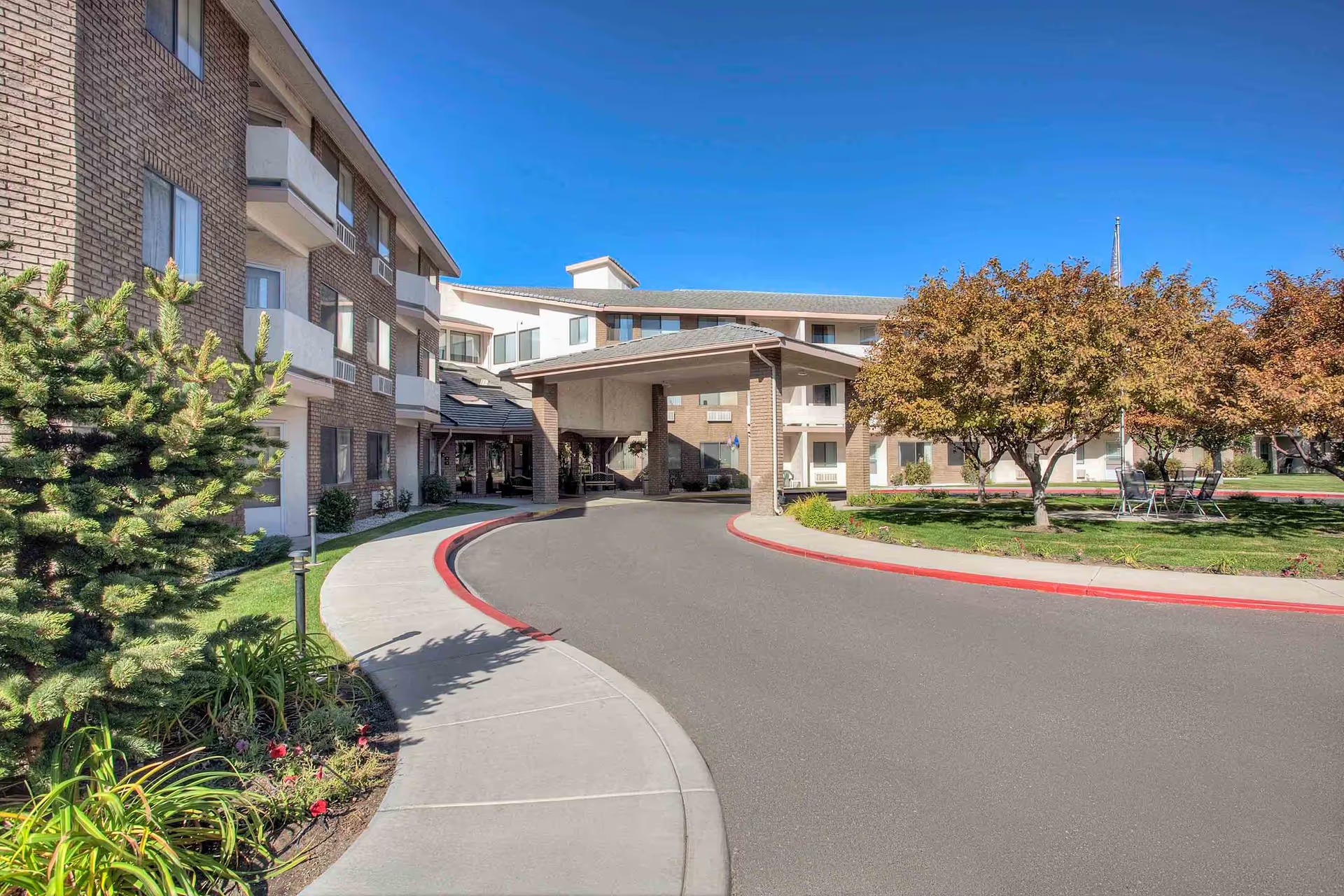
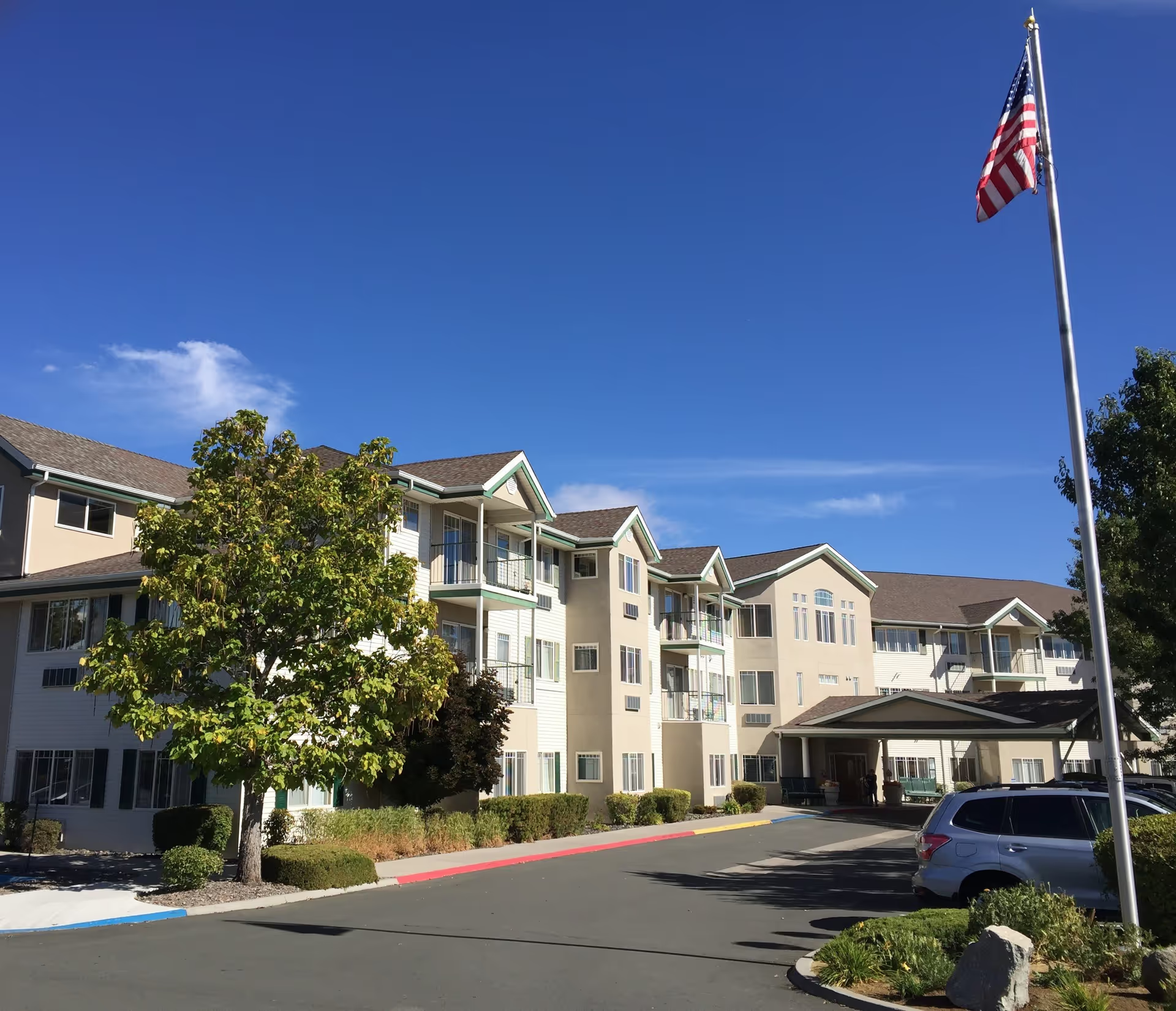
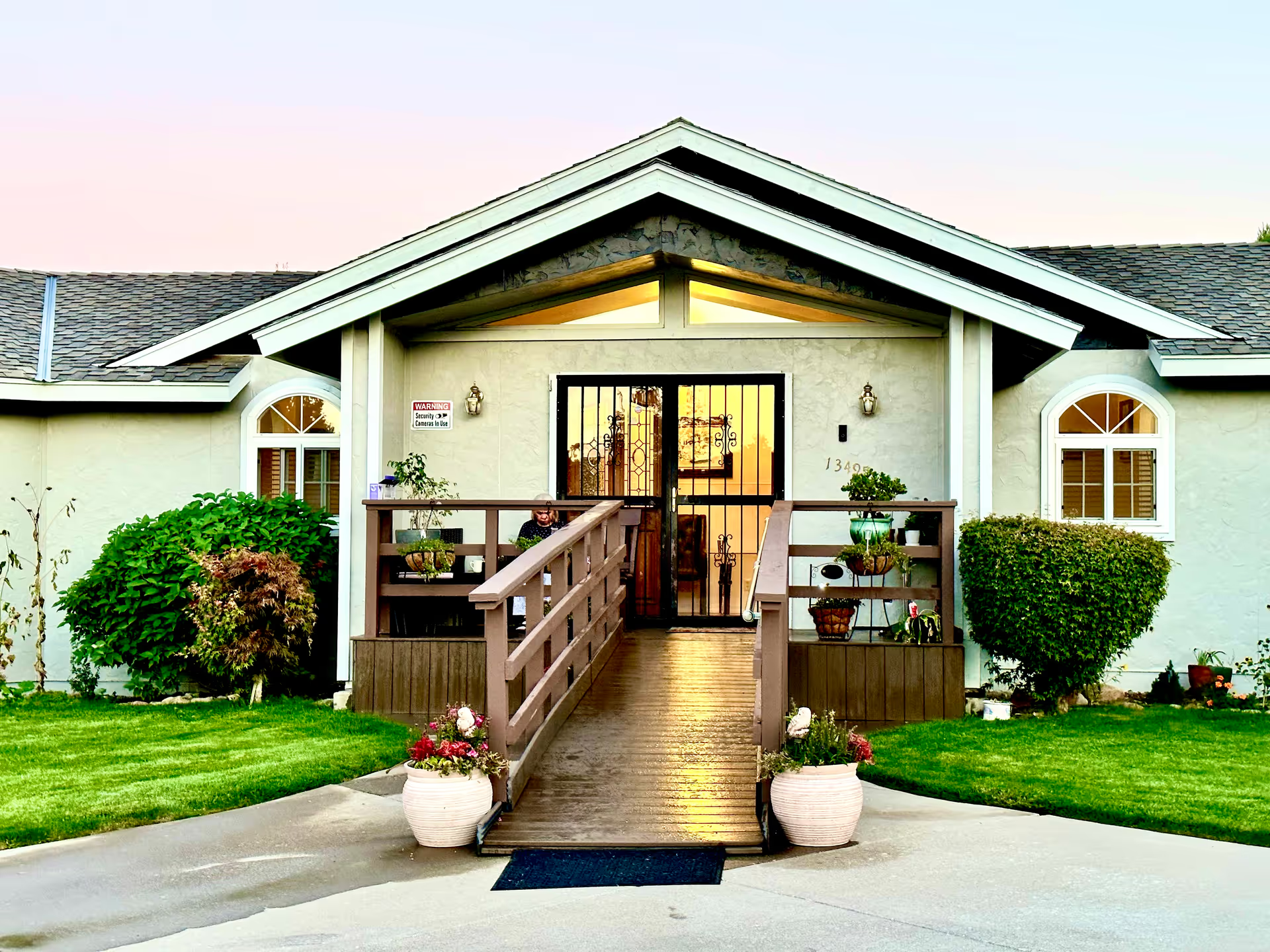
Reviews of Gardnerville Health and Rehabilitation Center present a highly mixed picture, with some families describing long-term, positive experiences and others raising serious concerns about clinical and operational reliability. Strengths cited include a clean, attractively decorated facility, an employee-owned structure, and an open visiting policy that allows family presence at most hours. The center provides on-site physical, occupational, and speech therapy and is used by some residents for effective short-term rehabilitation after surgery or hospitalization.
Care quality appears inconsistent across shifts and cases. Many families praised day staff and therapists as kind, knowledgeable, and attentive; however, a number of accounts highlight substantial variability in basic nursing care, particularly overnight. Recurring clinical concerns include missed or delayed medication administration, scheduling lapses, and gaps in following physician orders. Several reviews describe situations that point to weaknesses in fall-prevention and incident-response protocols, and there are specific mentions of delayed attention to resident needs during off-peak hours.
Staffing and communication are central themes. Positive feedback often focuses on individual staff members and therapists who are described as compassionate and competent. At the same time, reviewers indicate understaffing at certain times, slow responsiveness to call requests, and uneven nurse performance. Family-facing communication issues include phone unresponsiveness, delayed follow-up on concerns, and inconsistent explanations about care plans. Administrative concerns include billing or reimbursement delays and occasional difficulty locating or returning personal items.
Dining and facilities evoke mixed impressions. Some families found the dining experience pleasant and the rooms comfortable, with semi-private rooms of adequate size and appealing seasonal activities. Others noted inconsistent meal quality and localized sanitation or odor concerns in specific areas or situations. The facility’s environment is generally described as well-maintained and decorated, though cleanliness standards appear variable across units or shifts according to reviewers.
Management impressions are similarly mixed: several reviewers commend named administrators and specific staff for helpfulness, while others express frustration with administrative processes and escalation of serious clinical concerns. A small number of accounts reference very serious adverse outcomes and end-of-life care questions; these emphasize the need for clear communication and timely clinical oversight rather than alleging systemic intent.
Overall, the pattern suggests that prospective residents and families who are considering this facility should weigh the documented strengths in rehabilitation services, therapy staff, and a family-friendly visiting policy against recurring operational weaknesses: inconsistent nursing coverage (especially at night), medication and clinical-order adherence issues, gaps in incident response, communication shortfalls, and occasional sanitation concerns. Recommended due diligence before placement includes an in-person tour of resident areas at different times of day, direct questions about staffing ratios and night-shift coverage, clarification of medication administration protocols and fall-prevention measures, inquiry into cleaning schedules and incontinence-care procedures, review of therapy availability, and clear discussion of billing, property handling, and escalation policies for family concerns.