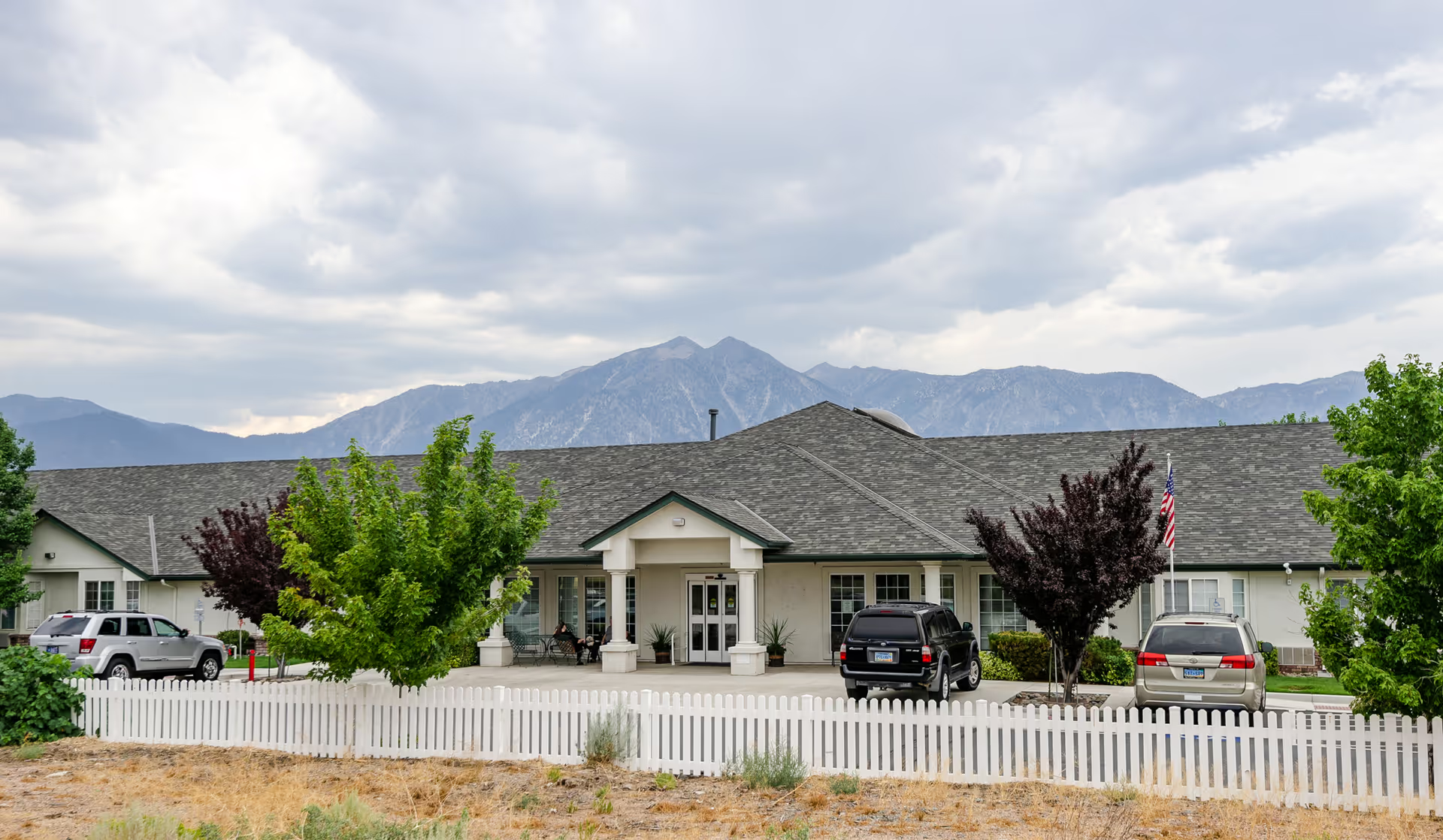
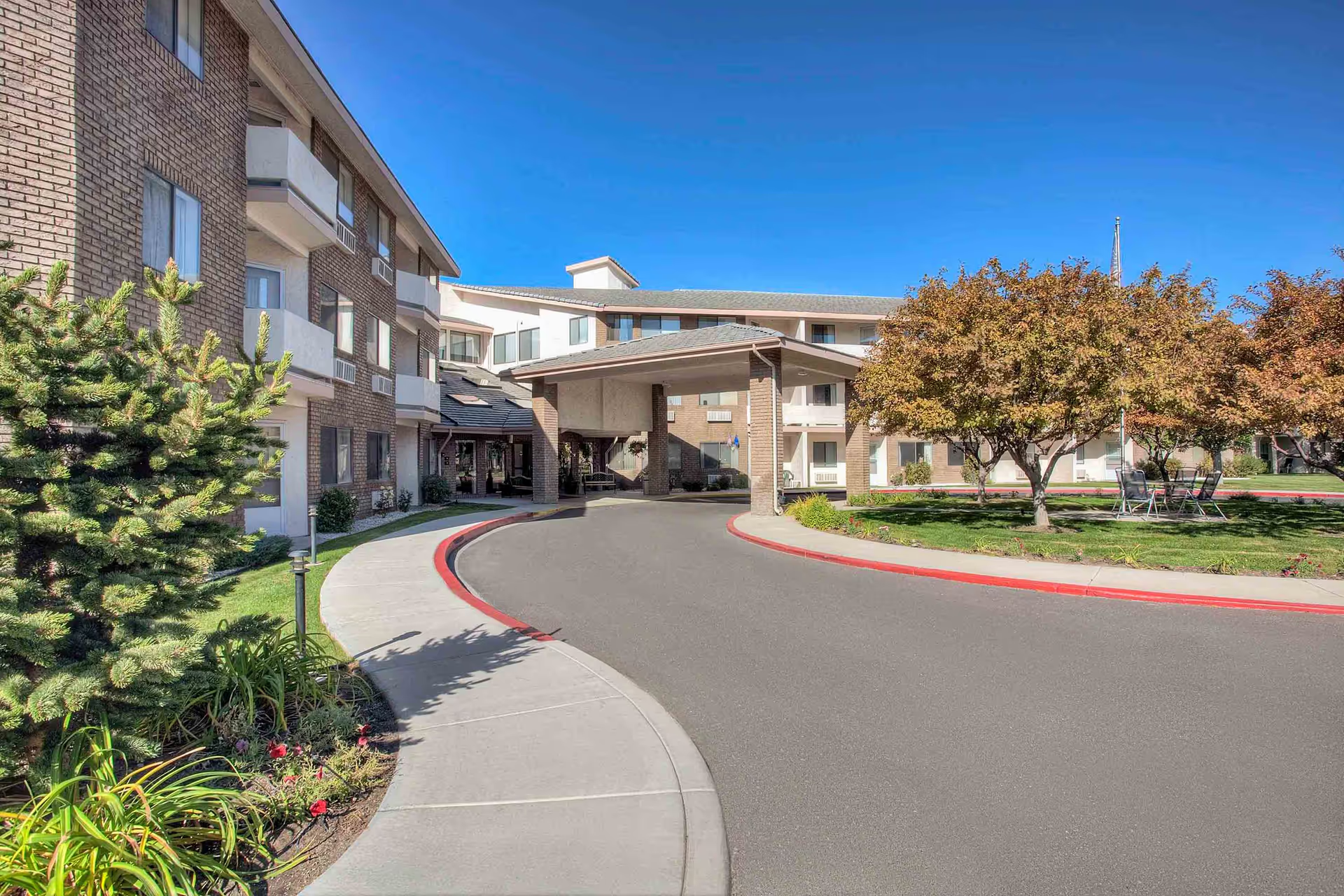
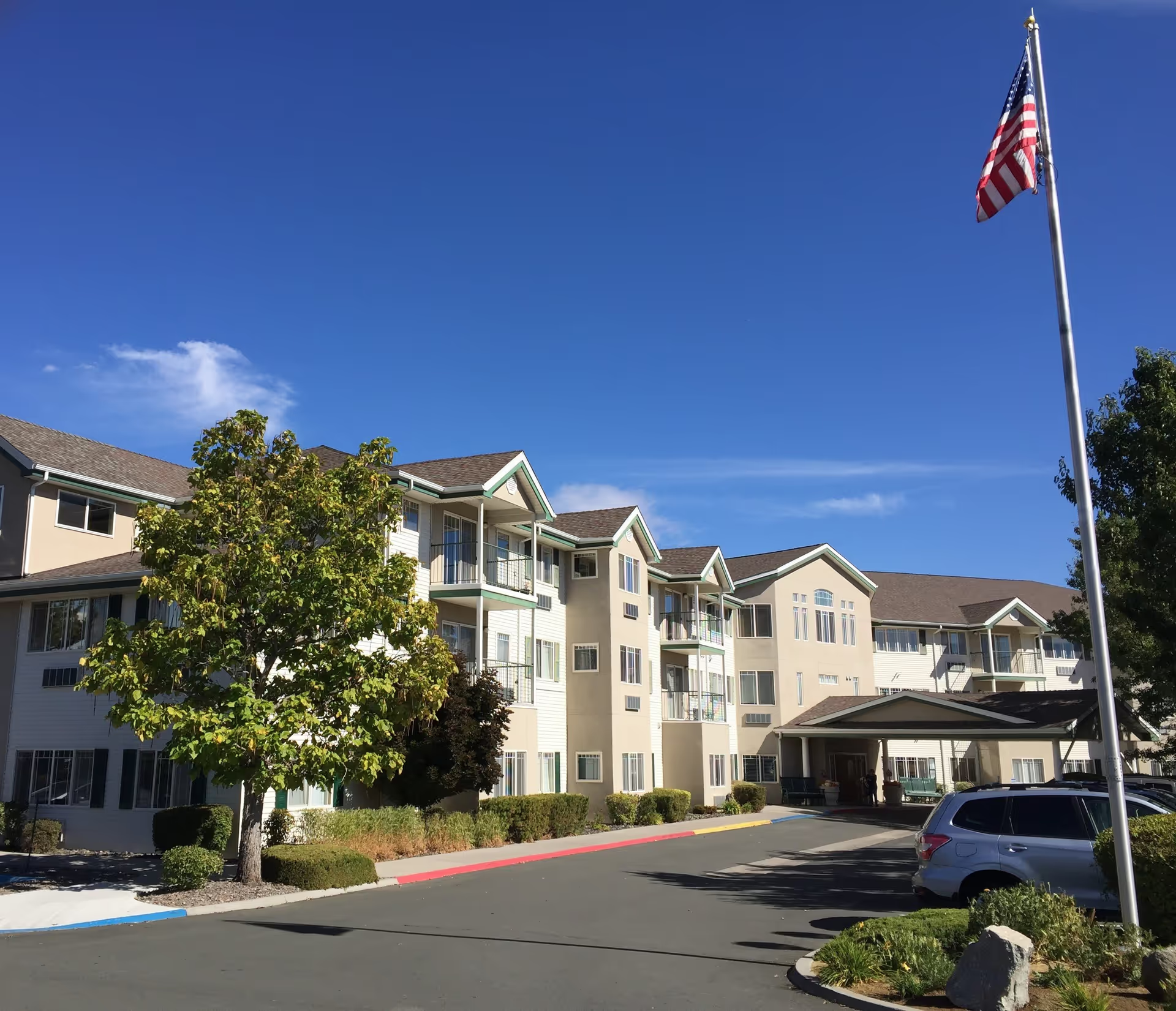
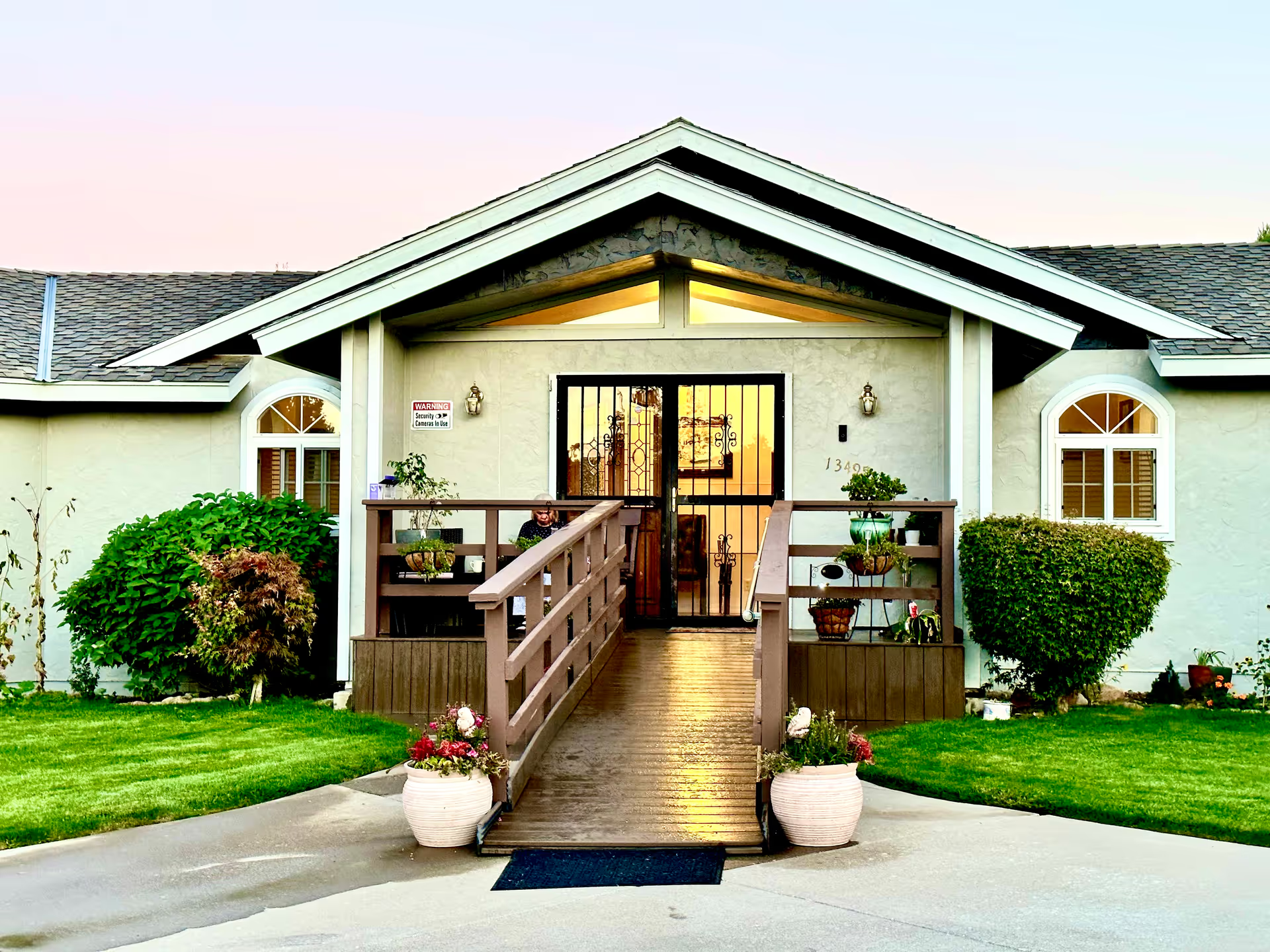
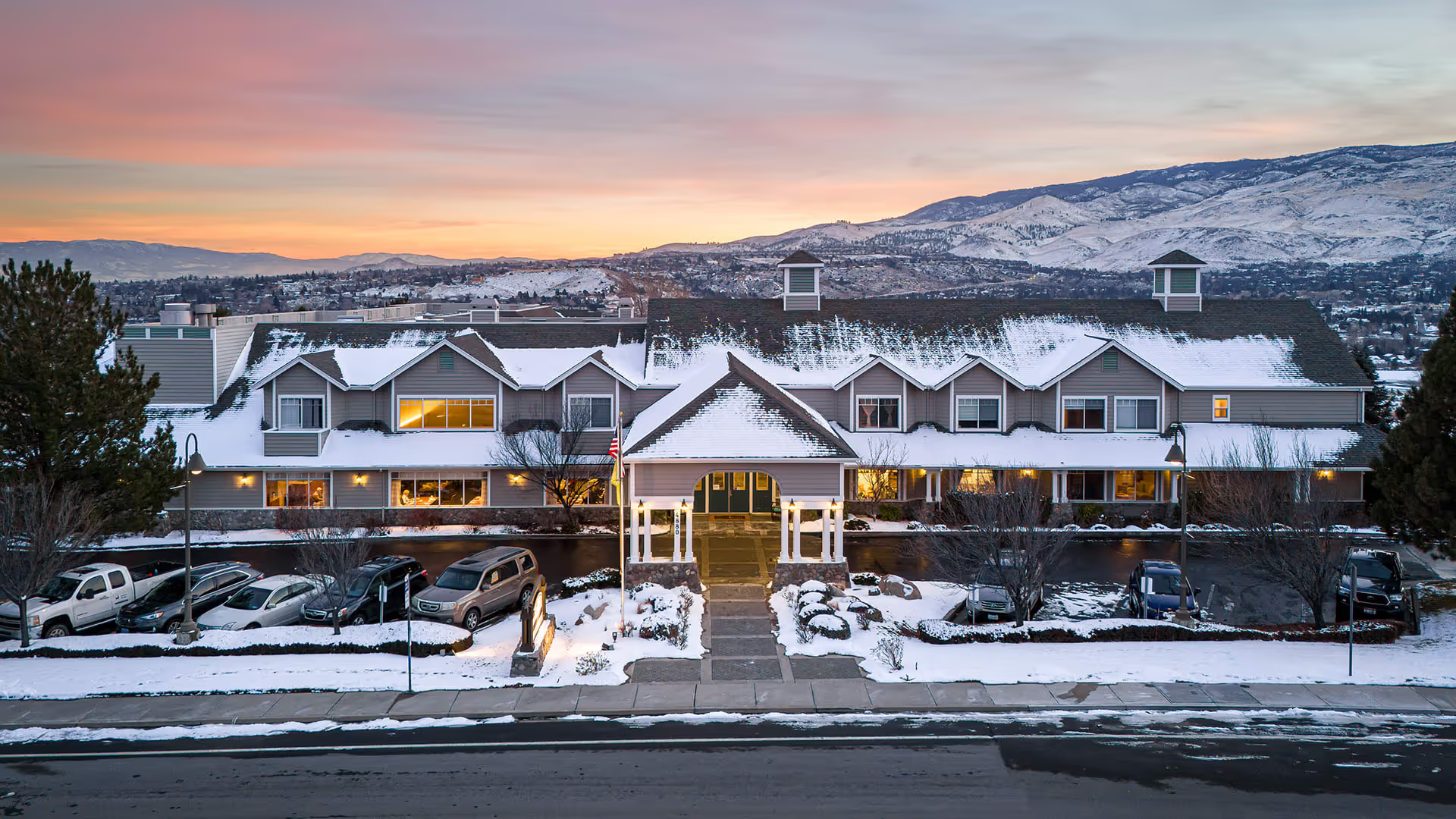
The Chateau at Gardnerville is frequently described as a well‑maintained, attractive senior community with strong amenities and an active lifestyle program. Reviewers consistently note clean, updated interiors, scenic views, and spacious apartments. The campus offers on‑site conveniences including restaurant‑style dining, salon services, a computer and movie room, transportation to medical appointments and outings, and a varied activities calendar (exercise, yoga, Tai Chi, live music, movies, arts and crafts). Many families and residents praise the overall atmosphere as warm and home‑like.
Staff and direct care are a central strength for many families: caregiving staff, dining personnel, and front‑desk employees are often described as friendly, compassionate and attentive. Several comments highlight strong nursing or medical support, individualized greetings, responsive dining accommodations, and a deliberate hospice partnership that supports end‑of‑life transitions. There are also positive references to the memory‑care program and staff members who are viewed as skilled and dedicated.
At the same time, there is a clear pattern of operational inconsistencies. Communication with families about clinical changes and incidents is an area of concern; reviewers reported delays or gaps in notifying families after falls or health declines, indicating uneven incident‑reporting and family‑notification practices. Related clinical issues raised include gaps in fall‑prevention protocols and questions about medication management and documentation. Staffing variability and turnover — particularly in evenings and within the memory‑care unit — contributes to uneven experiences.
Dining receives mixed assessments: many residents and visitors praise the dining environment, flexible hours, and accommodating dining staff, while other feedback points to inconsistent food quality, less imaginative menus, small guest portions, and perceptions of decline following ownership or management changes. Maintenance and housekeeping are mostly rated positively for cleanliness and upkeep, but there are recurring notes about delayed repairs, inconsistent housekeeping, and occasional service lapses.
Management and governance evoke divergent views. Some reviewers characterize leadership as compassionate, responsive, and mission‑driven; others point to unfriendly or inflexible administrative interactions, restrictive visitation enforcement, deposit/waitlist communication issues, and repeated fee increases that families perceive as reducing value. Several comments connect changes in ownership or management to a decline in several operational areas, including food, staffing, and overall service consistency.
Notable patterns for prospective families: experiences at the Chateau appear polarized — many families report high satisfaction with staff, programming, and the physical environment, while a distinct set describe serious concerns about clinical communication, safety protocols, and operational consistency. When evaluating the community, families may wish to ask specific questions about staffing ratios (especially evenings and memory care), incident‑reporting and family‑notification policies, medication administration and audit procedures, housekeeping and maintenance response times, the memory‑care unit layout and supervision, recent ownership or management changes, and the facility’s fee‑increase history. These targeted inquiries can help clarify whether the community’s strengths align with an individual resident’s care needs and expectations.