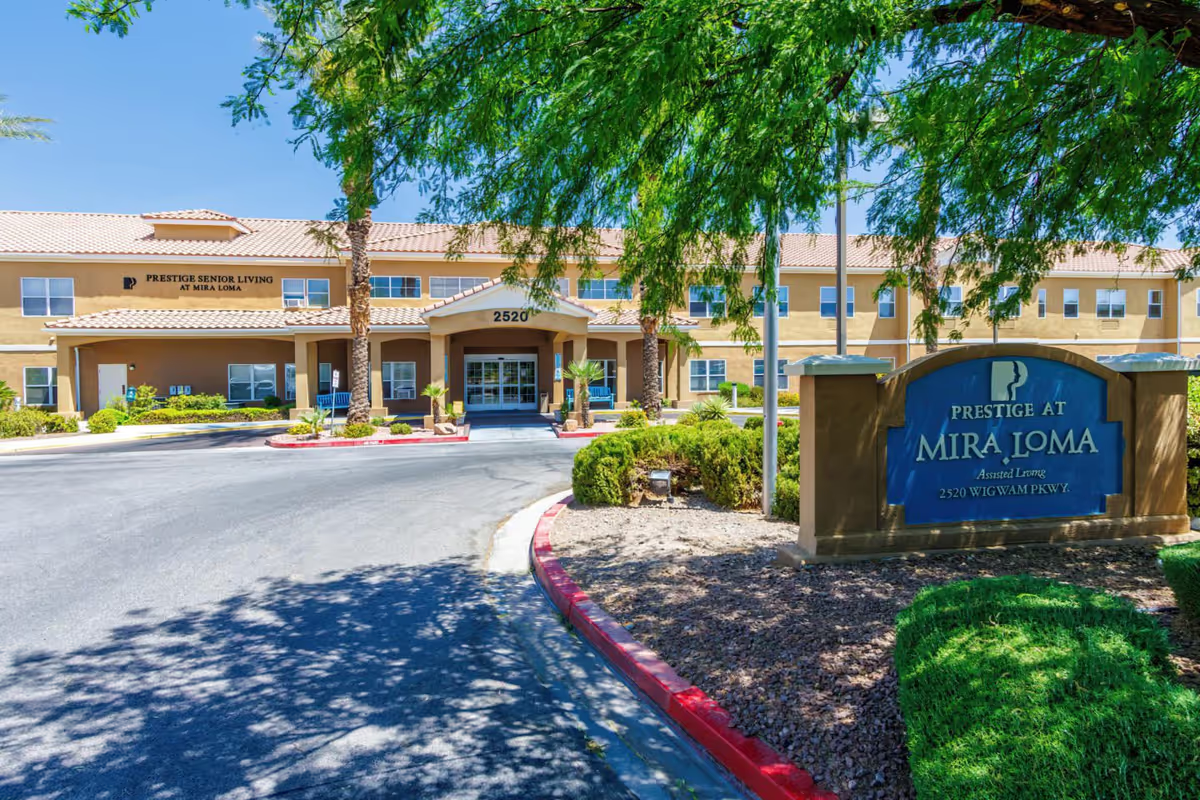
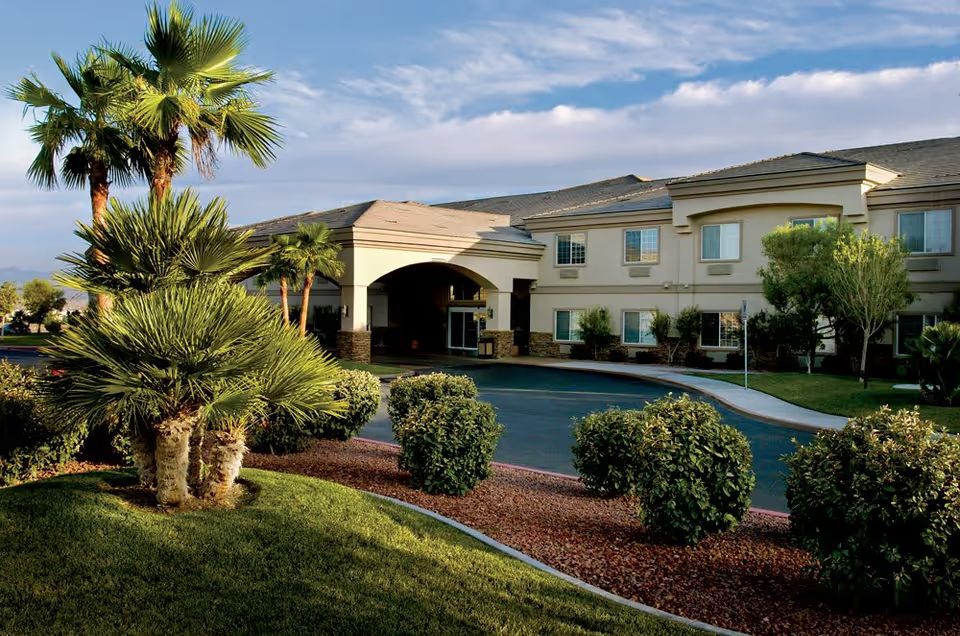
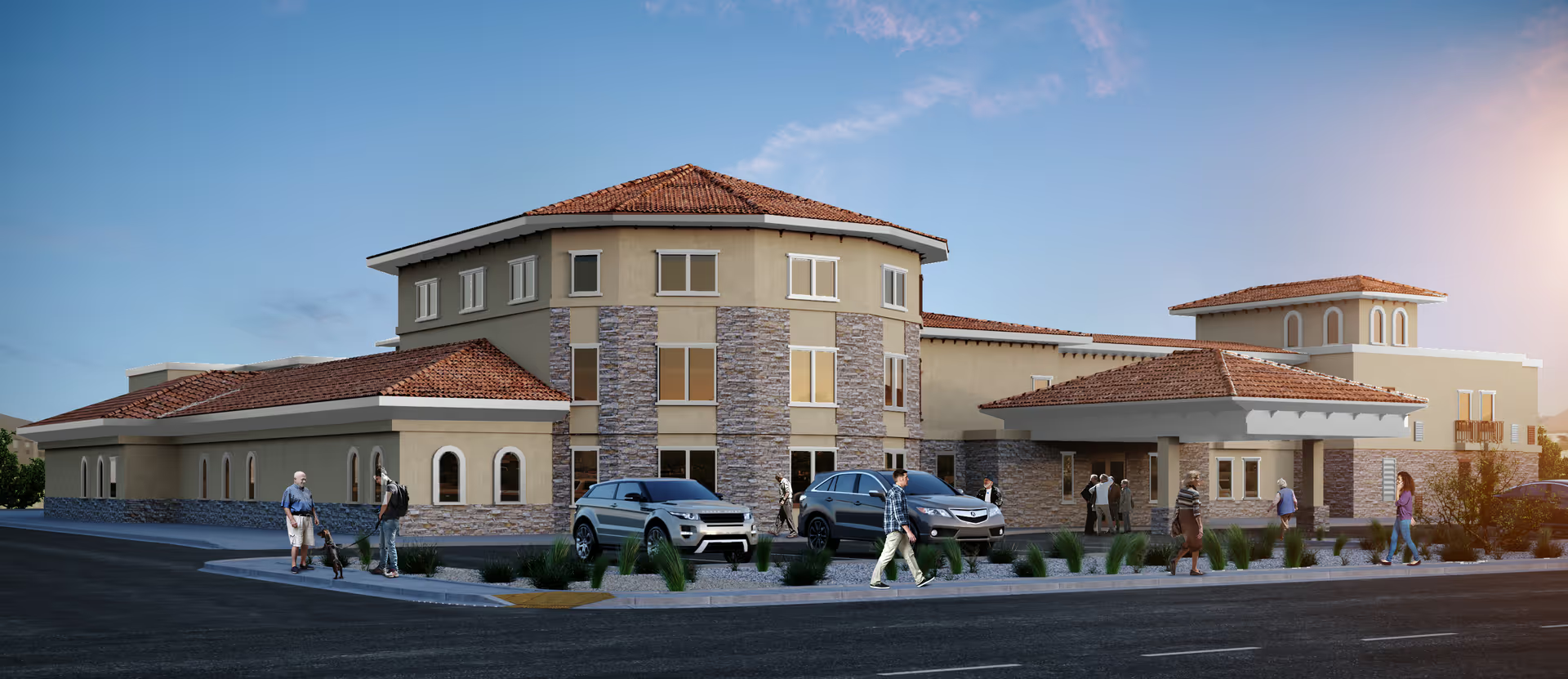
The reviews present a mixed picture of Green Valley Health & Rehabilitation. Many families and patients praise the facility’s rehabilitation capabilities, noting a strong PT/OT program, clear therapy plans, and measurable progress during stays. The campus itself is frequently described as clean, well maintained and hotel-like, with welcoming common areas and a variety of activities that support social engagement. Several individual caregivers and nurses receive consistent positive recognition for compassionate, personalized care, and some families highlight responsive admissions and attentive case management that helped transitions from hospital to rehab.
At the same time, a recurring operational pattern concerns staffing and consistency. Multiple accounts describe chronic understaffing, heavy reliance on agency or temporary personnel, and differences in coverage between daytime and nighttime shifts. These staffing gaps are linked to delayed responses to call lights and assistance requests, reported delays or inconsistencies in medication timing, and instances in which families felt communication about clinical status or emergencies was insufficient. There are also concerns that staff training and experience vary across shifts, which reviewers associate with lapses in safety practices and supervision.
Dining and daily-care experiences are uneven. Some residents and families report acceptable or good meal choices and an accommodating policy for outside food where clinically appropriate; others describe inconsistent meal quality and problems with meal-service continuity. Housekeeping and sanitation are generally praised in many comments, but a subset of reviewers raise odor concerns in common areas and inconsistencies in linen or room upkeep. Language-access limitations are also noted as a barrier for some non‑English-speaking families.
Management and administrative presence are described as inconsistent. Several reviewers commend specific administrative staff for going out of their way and providing clear coordination, while others describe limited front-desk coverage, difficulty reaching leadership, or unsatisfactory admission interactions. This variability contributes to an overall pattern in which the facility can deliver high-quality, recovery-focused care under strong staffing and management, but performance appears uneven and dependent on staffing mix, shift, and specific personnel on duty.
Notable patterns for prospective residents and families to consider include shift-to-shift variability in responsiveness, the potential presence of temporary staff, and the importance of confirming language services and medication-administration protocols. When evaluating the facility in person, families may find it useful to observe staffing levels during the hours the resident will most need assistance, ask about contingency staffing plans, review current therapy goals and schedules, and clarify communication pathways for clinical updates and emergency contact notification.