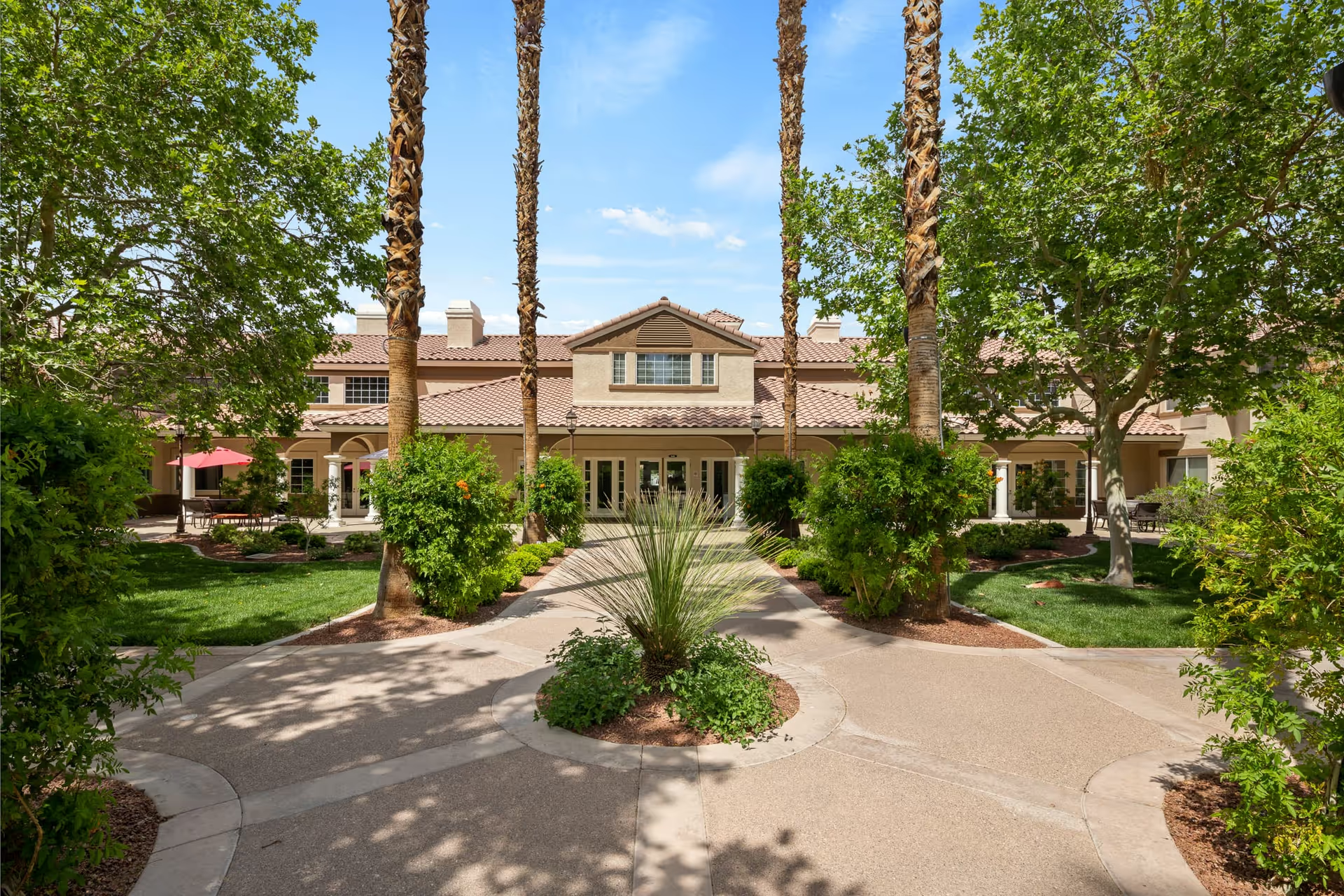
Overall impression: Reviews of Oasis Nursing & Rehab of Green Valley are polarized but yield a consistent set of operational strengths and weaknesses. Many family members and residents praise the facility for its compassionate direct-care staff, robust activities program, and well-maintained physical environment. At the same time, a number of serious operational concerns recur in the feedback, principally around staffing consistency, clinical reliability, and family communication.
Care quality and clinical operations: A substantial portion of reviewers describe strong nursing, CNA, and therapy teams who provide individualized rehab plans and effective short-term recovery. Physical and occupational therapy services, in particular, are frequently cited as skilled and helpful. However, recurring concerns relate to inconsistent staffing—including the use of agency CNAs—and variability in caregiver competency. Families noted delays in basic assistance (including incontinence-care delays), uneven medication-administration practices, and episodes that suggest gaps in surveillance and transfer safety. Infection-control practice adherence and follow-up after incidents such as falls are additional areas described as inconsistent. Prospective families should specifically ask about staffing patterns, medication-administration protocols, incident reporting, and safety-monitoring procedures during a tour.
Staff, social services, and management: Many reviewers singled out individual staff and leaders (nurses, activities directors, and administrators) as compassionate, communicative, and proactive. Social services and admissions staff are often described as helpful with insurance appeals and transitions. Conversely, other accounts point to inconsistent family communication, slow or unresponsive follow-up from management on specific concerns, and unclear admission or documentation policies (including questions about fee-for-documentation practices). These divergent perspectives suggest that management and departmental performance can vary by shift or unit; families may benefit from meeting direct supervisors and asking how grievances and incident reports are handled.
Dining and activities: The activities program is consistently a strength—reviews cite frequent events, social opportunities, creative crafts, live entertainment, pet therapy, and amenities such as an on-site ice cream parlor and outdoor courtyard. These programs contribute to a strong sense of community and socialization for many residents. Dining feedback is mixed: some families praise healthy, varied meals and accommodating alternatives, while others describe inconsistent meal quality. Asking for sample menus and observing a mealtime can help set expectations.
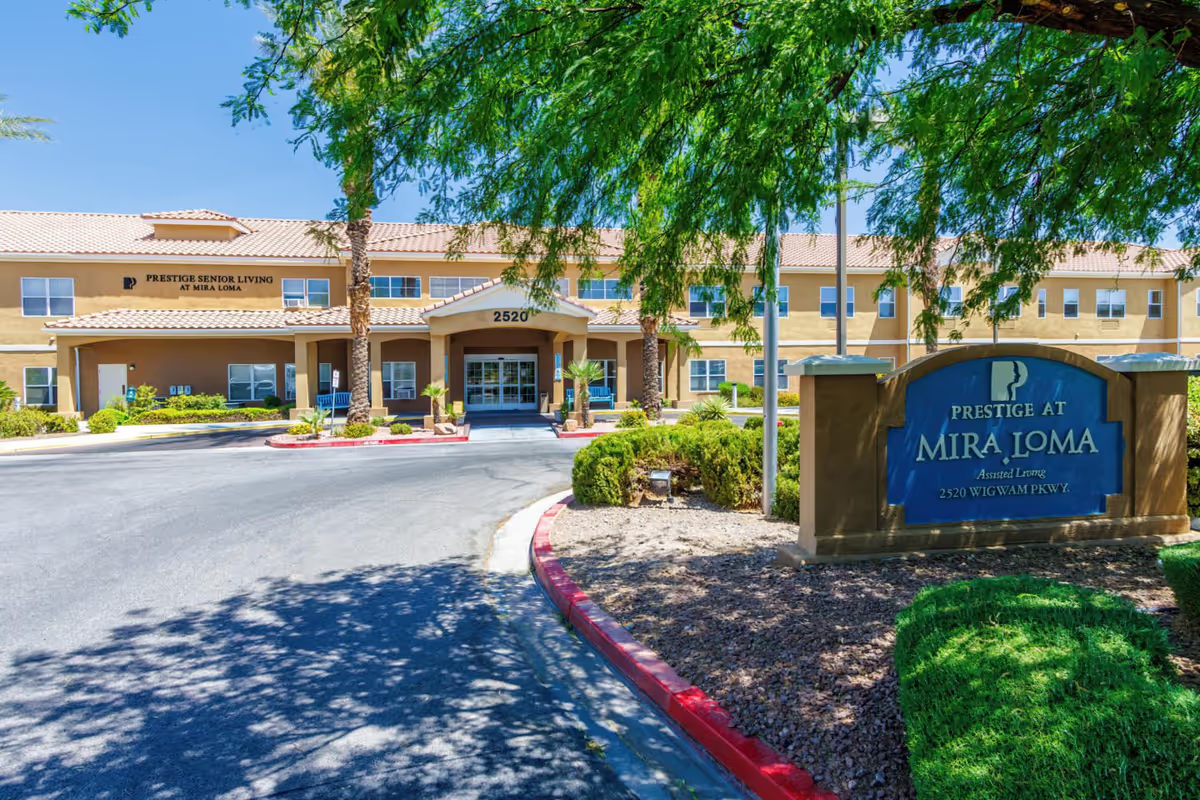
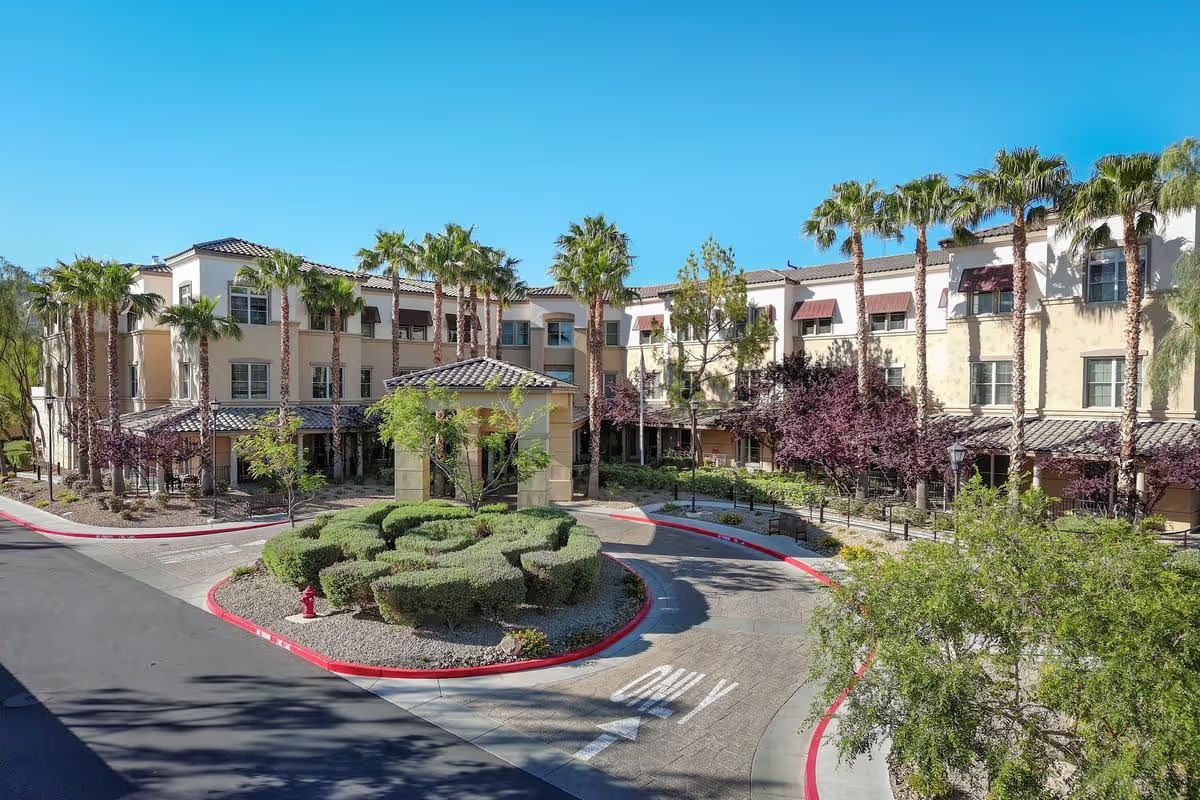
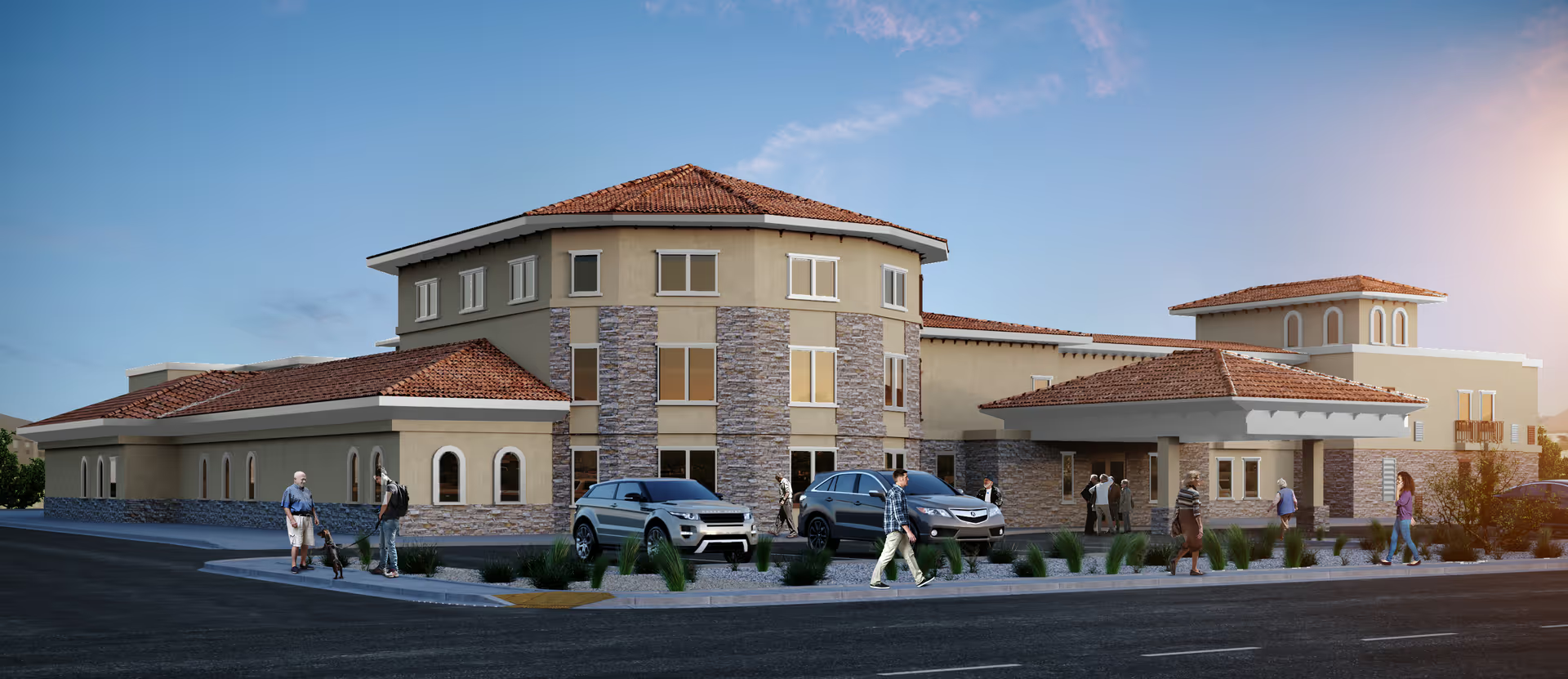
Facilities and amenities: The facility is commonly described as spacious, bright, and generally well maintained, with multiple dining areas, therapy gym, and specialized spaces. Some reviewers note dated decor in places, and a small number raised sanitation and pest-control concerns in specific areas. There are also reports of slow maintenance response for room repairs or equipment issues (for example, wheelchair repairs). A tour focused on the specific unit a prospective resident would occupy is recommended.
Notable patterns and recommendations: The dominant positive themes are compassionate staff, strong rehabilitation services, active programming, and an inviting communal environment. The dominant negative themes are operational: inconsistent staffing, variable clinical reliability, communication gaps with families, and some facility-level sanitation and safety oversight issues. Because feedback varies considerably by unit and by staff on duty, prospective residents and families should (1) request current staffing ratios and agency-staff usage, (2) review medication-administration and incident-response protocols, (3) ask about roommate-pairing policies and security for personal belongings, (4) observe a mealtime and an activities session, and (5) clarify admission and records-request policies. These targeted questions will help determine whether the facility’s strengths align with the prospective resident’s needs and whether the management’s operational controls address the concerns that have been raised.