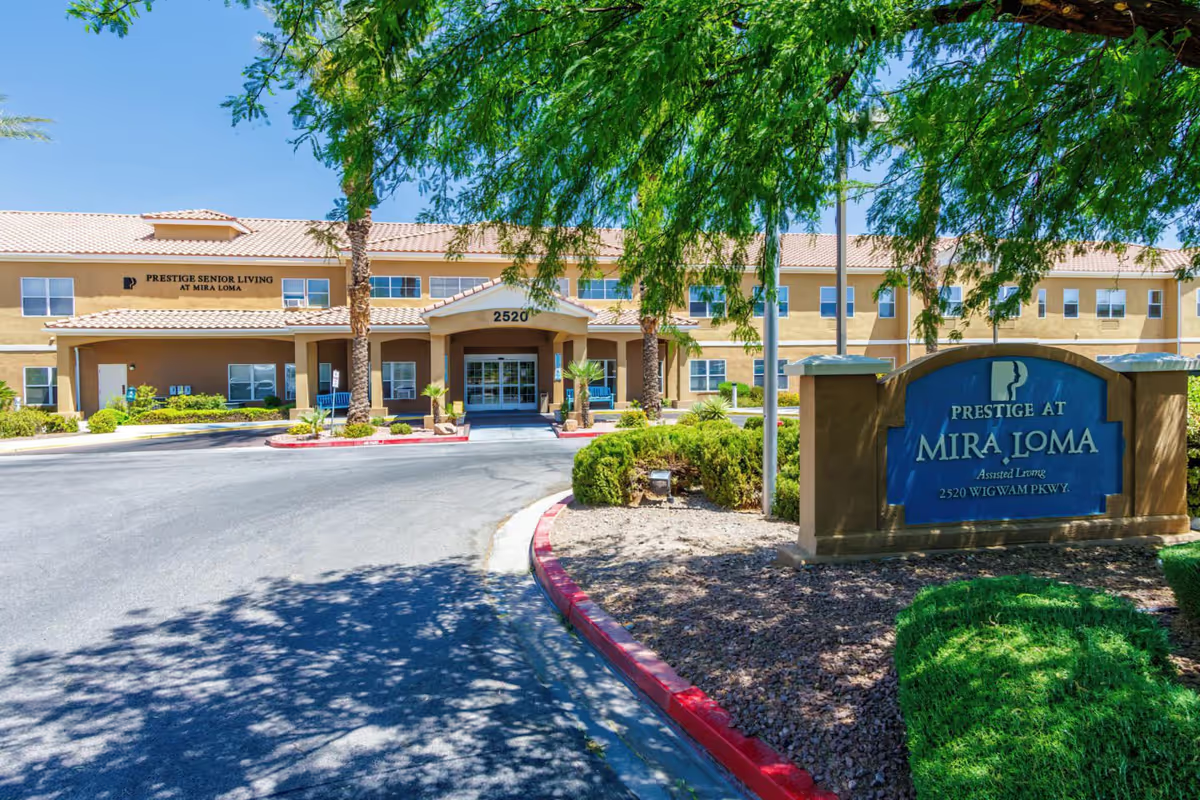
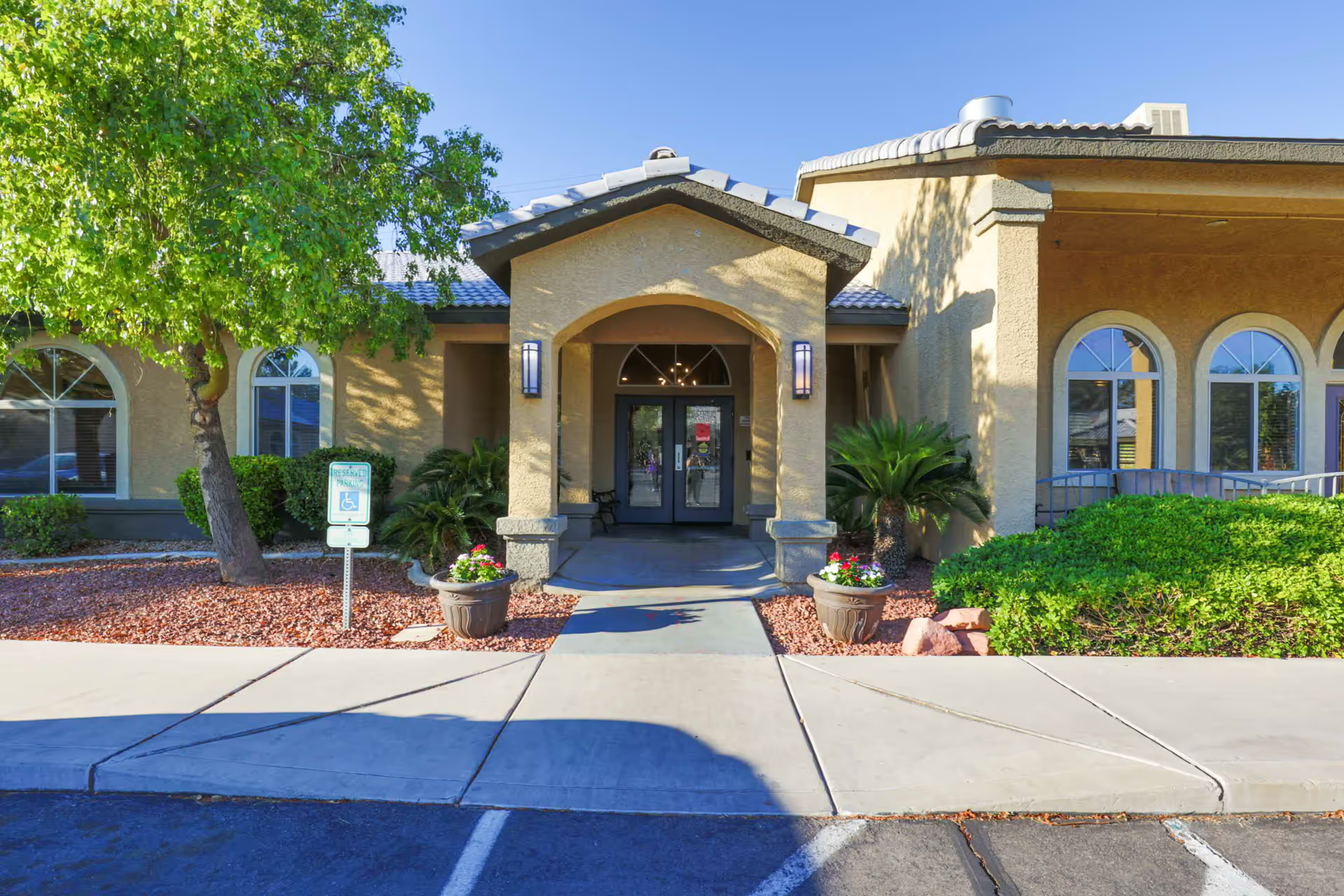
The reviews describe a facility with clear strengths in rehabilitation services and pockets of strong bedside care, paired with recurring operational weaknesses. The rehabilitation team (physical, occupational and respiratory therapy) receives consistent praise for clinical competence, individualized plans and measurable functional gains. Many families and residents also describe dedicated CNAs and a number of nurses who provide attentive, compassionate care. Public spaces such as the lobby and some common areas are frequently described as clean and welcoming, and case management and social-work staff are often recognized for effective discharge planning and family coordination.
At the same time, reviews reveal significant variability in day‑to‑day clinical operations. Staffing levels — particularly overnight and on certain shifts — are a recurring concern, and families describe slower response times during those periods. Nursing quality and responsiveness are described as uneven: some nurses and aides are singled out for excellent care while others are perceived as inattentive or slow to respond to call lights. Several accounts point to medication administration and documentation problems, including delays, missed doses, and inconsistent wound or treatment follow‑up. These issues translate into caregiver anxiety about reliability of clinical processes.
Dining and dietary management are mixed. Many reviewers complimented meals, portion sizes and accommodation of preferences; others described inconsistent food quality, cold trays, and failures to observe specific dietary restrictions. Activity programming and social engagement are generally reported positively, with organized events and therapy‑linked activities providing meaningful stimulation and helping with recovery for many residents.
Facility maintenance and housekeeping present a divided picture. While some units and public areas are described as well maintained and freshly renovated, other wings are characterized by older finishes, localized odor concerns and lapses in cleaning or linen change frequency. Equipment reliability and furniture maintenance (for example, broken beds or aging chairs) were mentioned as operational gaps that affect comfort and safety. Personal‑property handling and occasional missing items were raised in enough instances to be a notable pattern; a few reviews went further and requested external oversight.
Management and communication also show variability. Several families praised proactive case managers and clear, regular updates; others experienced difficulty reaching nursing staff or administrators, delayed complaint resolution, and inconsistent follow‑through. Taken together, the pattern suggests that quality at the facility is uneven across units and shifts: strong clinical and rehabilitative resources exist, but they are not always matched by consistent execution of basic care routines, maintenance, and family communication.
For prospective residents and families: consider an in‑person tour focused on the specific unit and shift patterns where the resident would be placed, ask about night staffing ratios and overtime coverage, review medication‑administration and wound‑care protocols, confirm dietary accommodation procedures, and request the names and contact process for primary nurses and case managers. These targeted questions can help determine whether the strengths that align with your priorities (notably therapy and engaged caregivers) will be reliably available for your loved one.