Advanced Health Care of Las Vegas elicits a strongly mixed but largely polarized set of impressions: many families and patients describe an upscale, rehab-focused facility with excellent therapy and consistently compassionate frontline caregivers, while other accounts describe operational gaps that materially affected clinical comfort and family confidence.
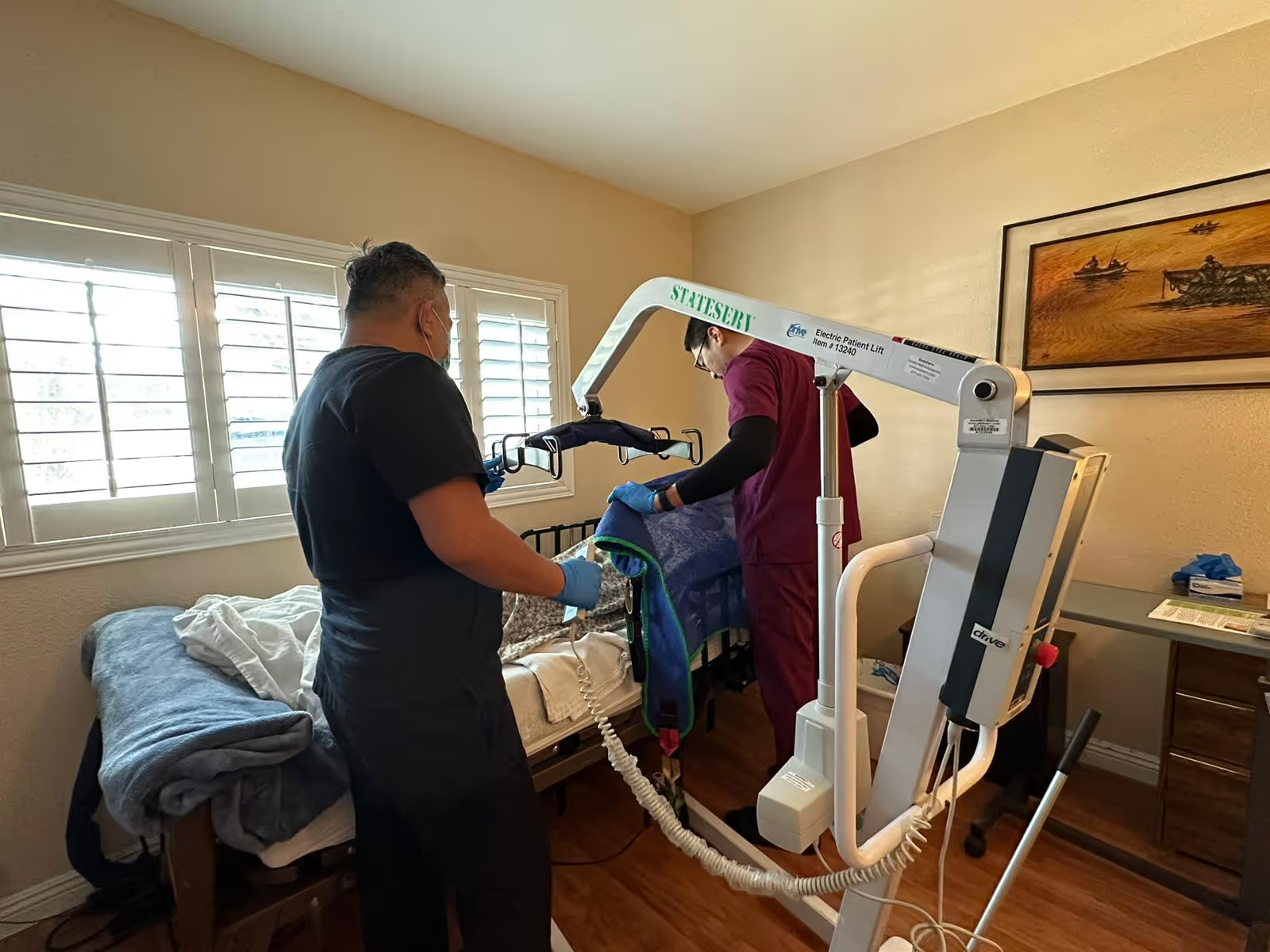
Care and clinical services: The facility is frequently praised for its physical and occupational therapy programs, rehabilitation gym, and therapy-driven outcomes; several reviewers recounted meaningful functional gains and proactive therapy planning. Nursing assistants and many RNs receive high marks for bedside care, dignity-preserving interactions, and assistance with activities of daily living. At the same time, there are recurring concerns about inconsistent nursing competency and staff training, slow responses to call lights, and uneven medication administration or pain-management timing. A number of families described delayed physician availability or limited medical oversight during certain shifts, and isolated accounts raised serious concerns about wound care and feeding assistance; these items suggest variability in clinical consistency rather than uniform system performance.
Staff and management: Individual staff members across roles—CNAs, therapists, case managers, and front-desk personnel—are frequently singled out for professionalism, warmth, and effective communication. Case management and specific clinicians were noted as proactive and helpful in care coordination. Conversely, reviews also describe incidents of unprofessional or insensitive conduct, inconsistent family communication, and tensions around administrative interactions. Billing and reimbursement conflicts, including upfront payment and follow-up reimbursement difficulties, were raised multiple times and represent an operational area families should clarify in advance.
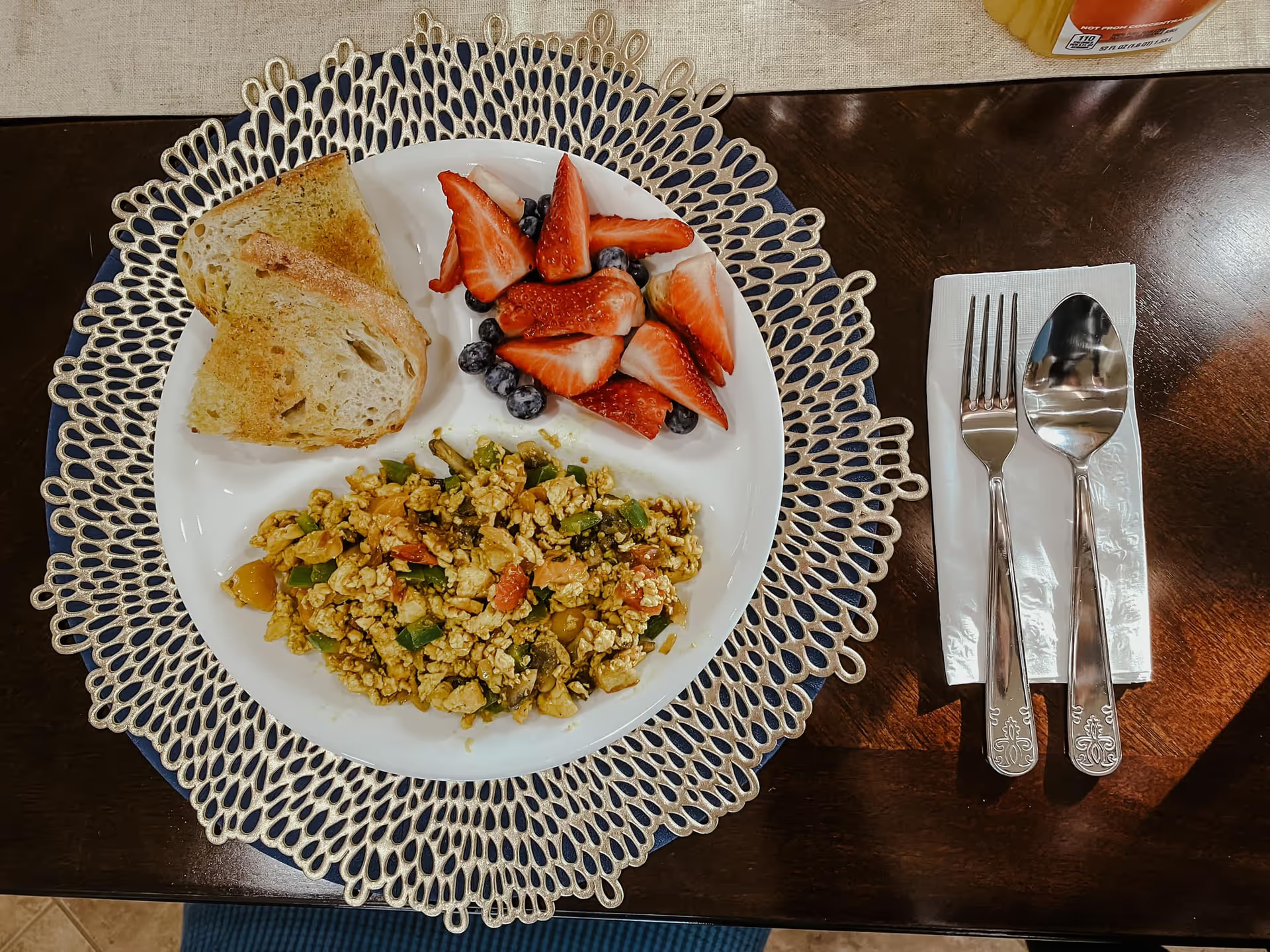
Dining and activities: Dining is a clear strength for many residents: reviewers consistently highlight varied menus, appealing presentation, accommodating special-diet requests, and a pleasant communal dining environment. Some reviewers, however, experienced inconsistent meal delivery, temperature control issues, and occasional small-portion concerns. Activities and social programming—crafts, group engagements, and peer connections—were positively described and contributed to a home-like atmosphere for many guests.
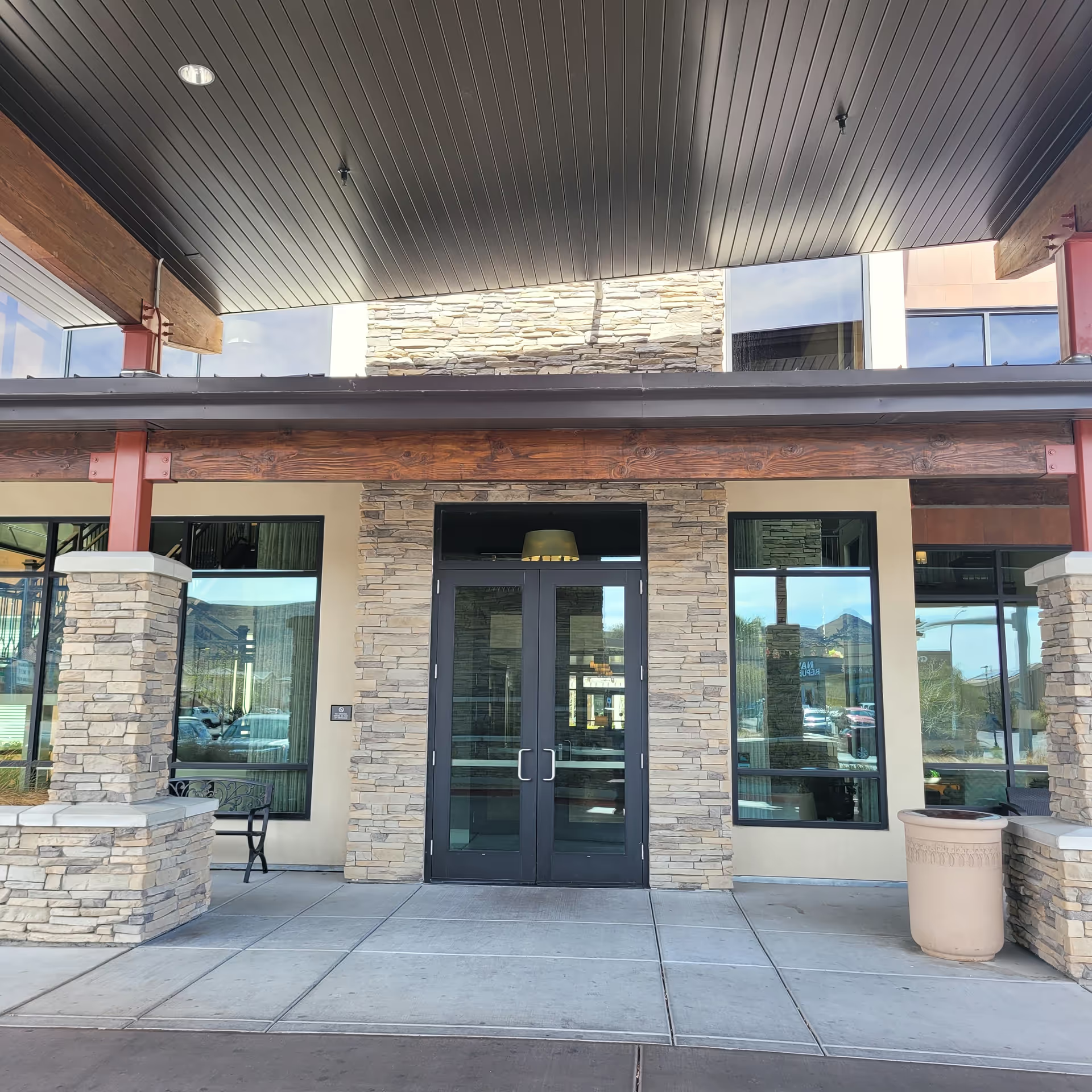
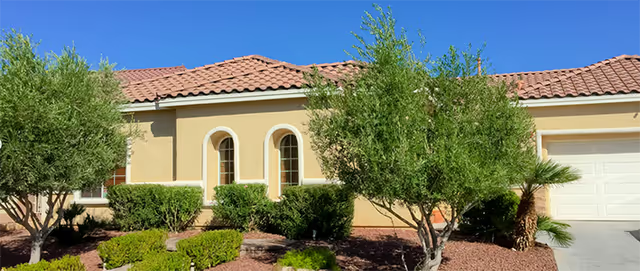
Facilities and environment: The setting is often described as clean, bright, and hotel-like, with private, roomy rooms and accessible amenities. That perception is tempered by reports of intermittent sanitation and incontinence-care concerns in particular areas, occasional supply shortages (linens, personal-care items), and HVAC/room-comfort gaps at night. These suggest the physical plant and housekeeping protocols are generally strong but not uniformly executed across all units or shifts.
Patterns and recommendations: The overall pattern is one of high potential and many exemplary staff, counterbalanced by operational inconsistency. Prospective residents and families would be best served by verifying specific operational matters during the admission process: staffing ratios and training, medication administration policies and escalation procedures, physician coverage hours, supply-management practices, billing and reimbursement protocols, and how the facility documents and responds to family concerns. Visiting during different times of day and speaking directly with therapy, nursing leadership, and the case manager can help assess whether the strengths highlighted by many families align with the care needs of a particular resident.