Heritage Springs presents as a small, well-appointed assisted living and memory-care community with many consistent strengths and some recurring operational weaknesses. Families and residents frequently highlight the caregiving culture: staff are described as warm, attentive, and personally engaged, with many individuals praised by name for going above and beyond. The community benefits from on-site clinical resources (nursing presence and weekly physician visits), med-tech capabilities that include diabetes/insulin management, and generally effective hospice transition support.
Dining and activities are prominent positives. The facility offers a restaurant-style dining room, menu variety, and meal flexibility (order-off-menu and extended dining hours). Many reviewers described balanced meals and a strong culinary presentation, though the execution of service can be uneven on busy days. Activity programming is broad and active: music, crafts, exercise, game sessions, and frequent off-site excursions are regular components, and activity leadership and an engaged resident council are noted as assets.
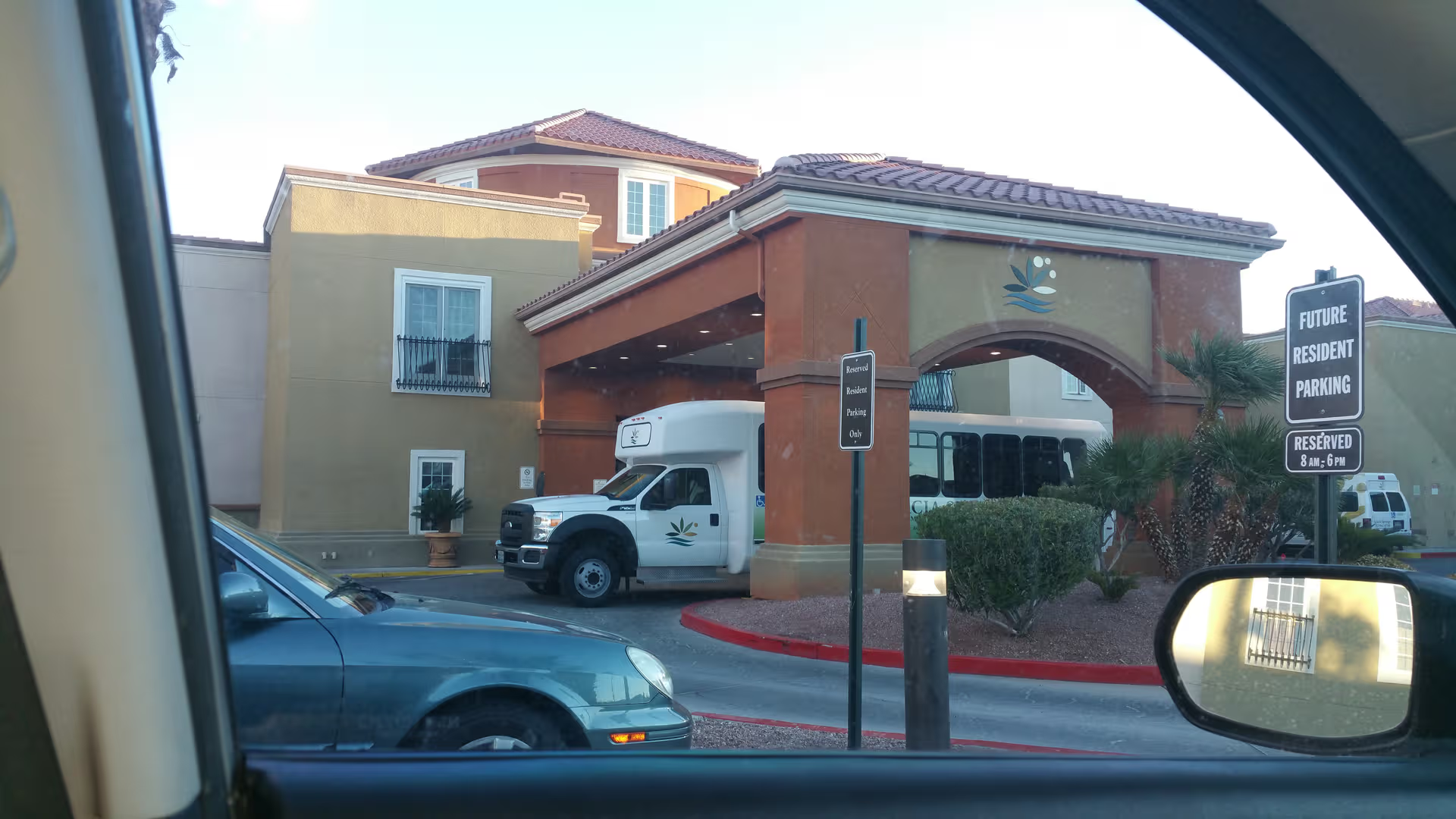
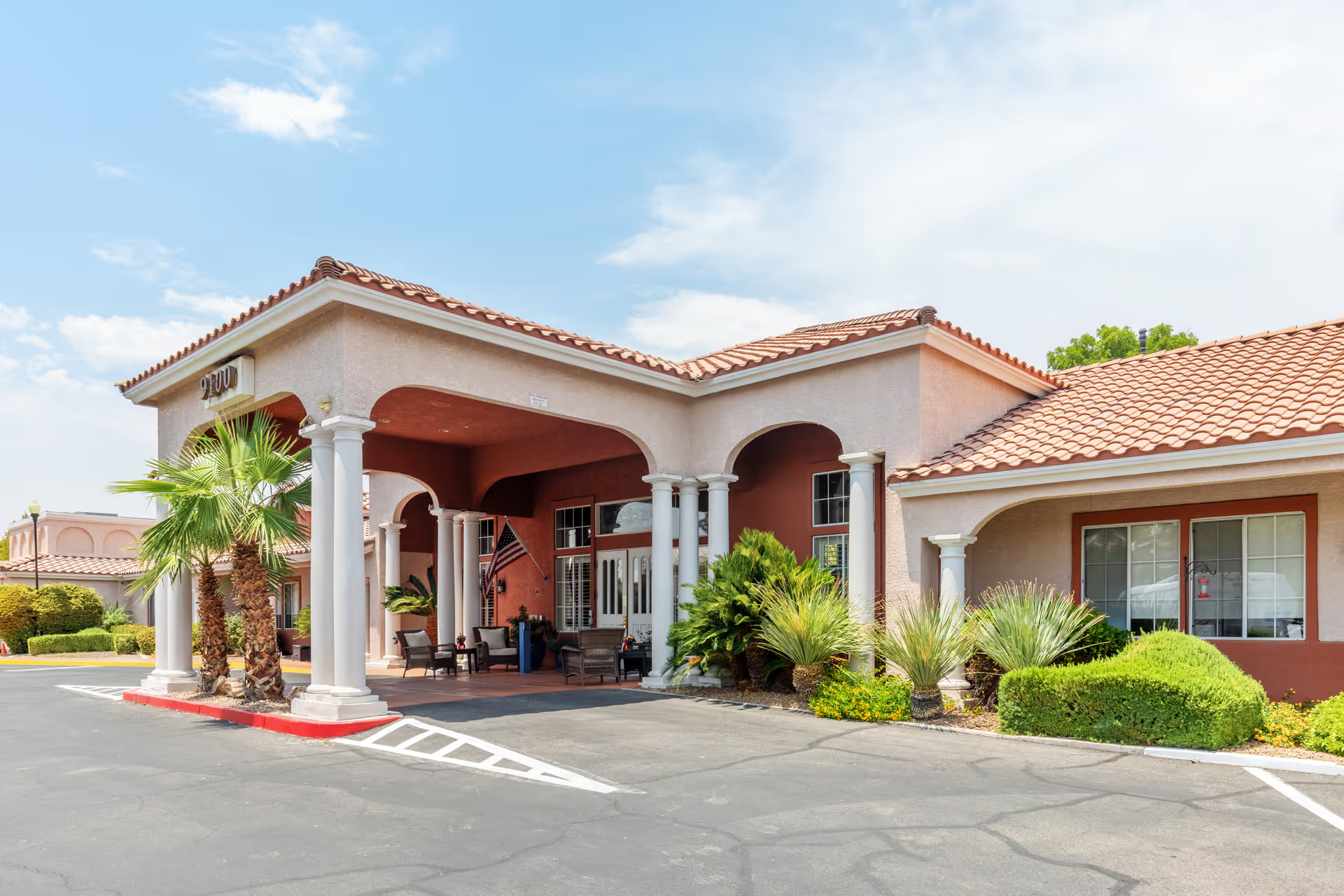
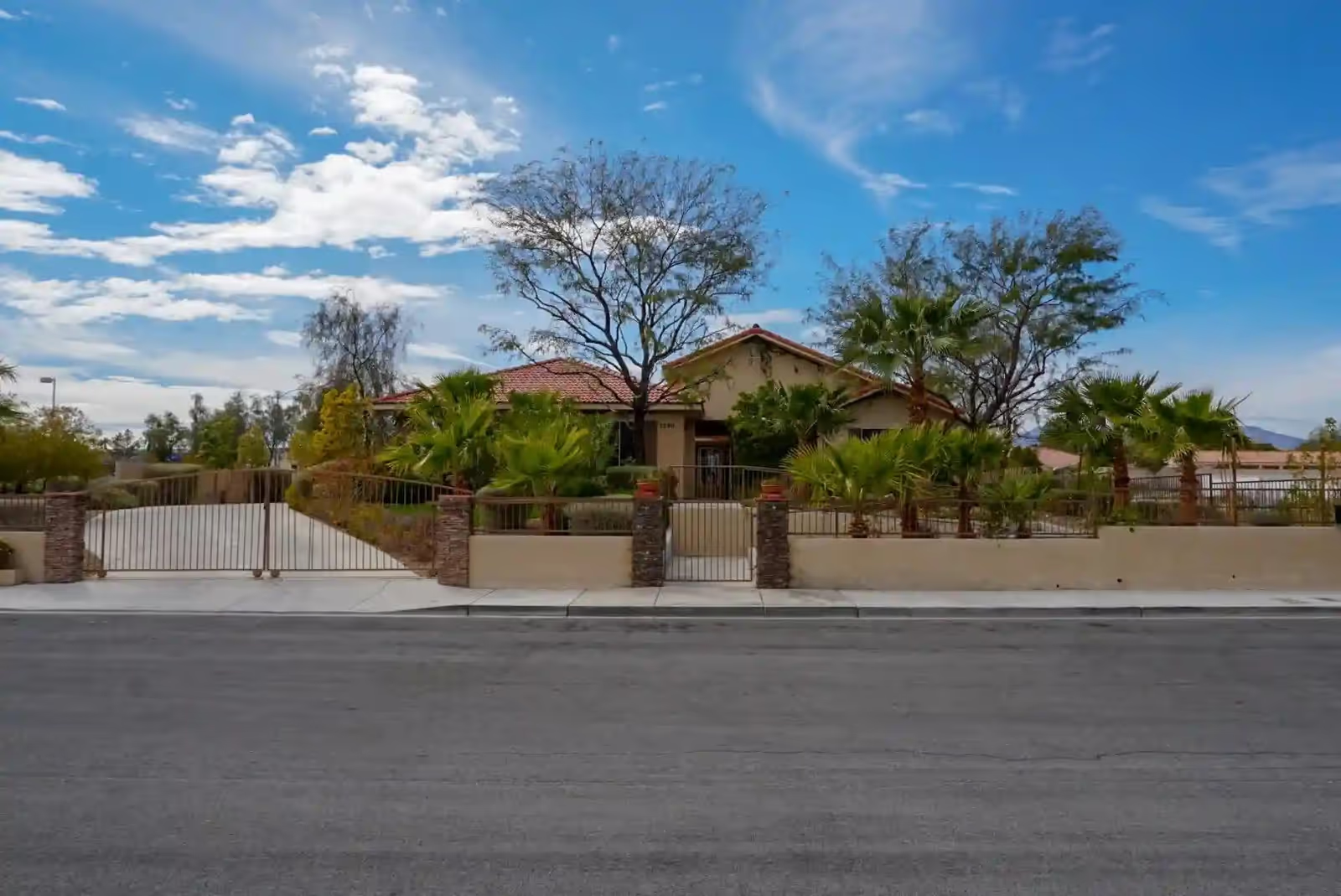
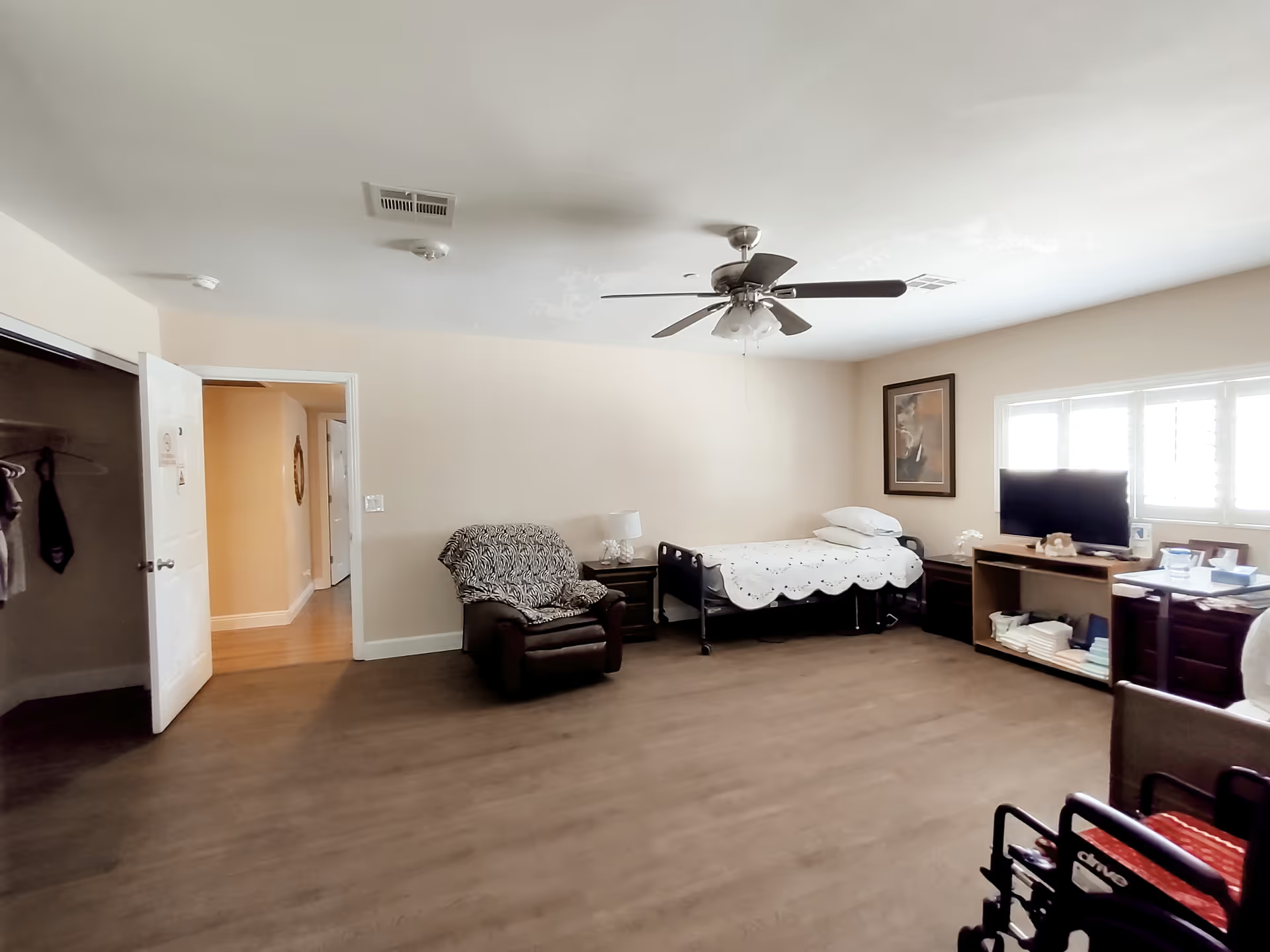
Physical environment is generally described as clean, recently refreshed, and comfortable, with options ranging from larger studios to one-bedroom apartments, a courtyard with bird feeders, pet-friendly policies, and small-community scale that many find home-like. The secure memory-care unit and private family dining options are additional facility strengths. The community’s accessible location and transportation services also support resident participation and family visits.
Repeated operational concerns center on staffing, communication, and service consistency. Multiple reviewers described understaffing, staff turnover, and slow caregiver response times; these workforce issues correlate with delays in assistance, longer wait times in dining and care tasks, and variable follow-up from supervisors. Communication gaps with management and families were cited—examples include delayed or inadequate updates, difficulty reaching supervisors, and disagreements about placement or program availability. Relatedly, some families described instances where memory-care placement or program access was not clearly communicated in advance, suggesting room for improvement in placement consent and disclosure processes.
Service-level inconsistencies extend to dining and personal-care routines: while the menu and presentation are frequently praised, reviewers also described occasions of cold or delayed meals and limited availability of therapeutic-diet options (notably low-salt/low-sugar). There are references to sanitation and odor concerns in specific areas and to variability in incontinence and hygiene management and bathing schedules, indicating inconsistent execution of standard caregiving tasks. Communal spaces such as activity rooms were sometimes described as small or crowded during popular events, and maintenance/cleanliness experiences varied across reports.
Management perception is mixed: some reviewers commend professional, transparent leadership and seamless admissions, while others describe a decline in consistency following staff or leadership turnover and express concerns about billing transparency and unexpected rent increases. Prospective families should weigh the strong person-centered care culture, active programming, and clinical supports against documented variability in staffing, communication, and service consistency.
Recommendations for prospective families: during a tour, ask for current staffing ratios and turnover history, examples of supervision and family-communication protocols, written policies on memory-care placement and consent, specifics about therapeutic-diet accommodations, routines for hygiene and incontinence care, and recent dining-service quality controls. Many families find Heritage Springs a good fit when personalized attention, active programming, and a home-like atmosphere are priorities; however, those requiring consistently high staffing reliability or specialized higher-functioning memory-care programming should confirm operational details in person.