TLC Memory Care & Nursing Home Las Vegas is consistently described as a small, homelike memory-care setting with a strong clinical focus. Families emphasize the presence of geriatric medical oversight and nursing expertise; clinicians at the facility are credited with attentive medication management and clinical adjustments that contributed to improved dementia-related symptoms for some residents. The combination of licensed medical personnel and responsive clinical decision-making appears to be a central strength that provides families with a sense of safety and peace of mind.
Staff culture is a prominent positive across accounts. Caregivers, administrators, and owners are repeatedly characterized as compassionate, attentive, and accessible. Reviewers describe individualized attention, personal grooming services, and daily care practices that reinforce dignity and resident comfort. Communication with families is portrayed as responsive and open, and infection-control measures (including pandemic-era precautions) are noted as effective, which contributes to perceptions of safety.
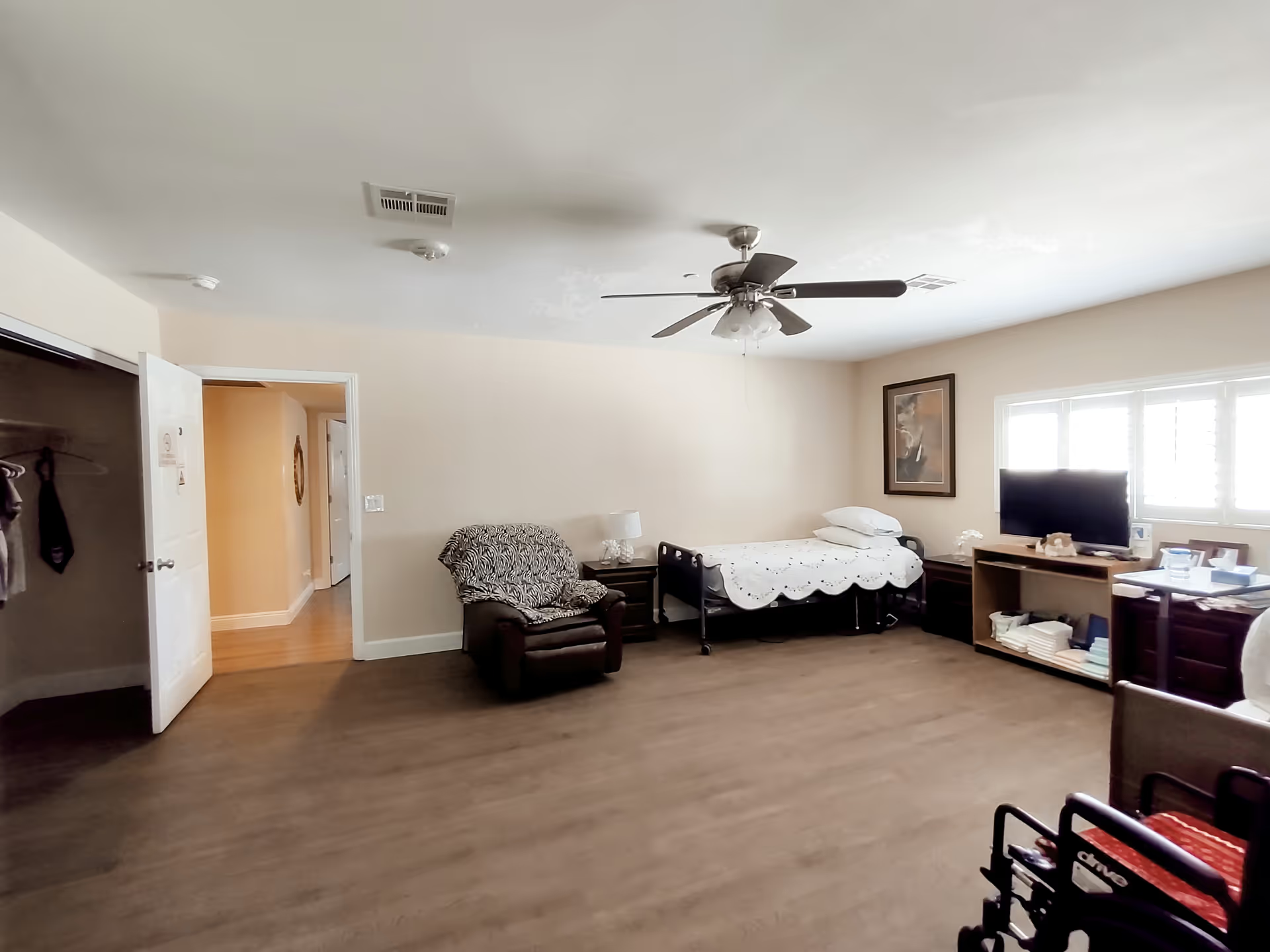
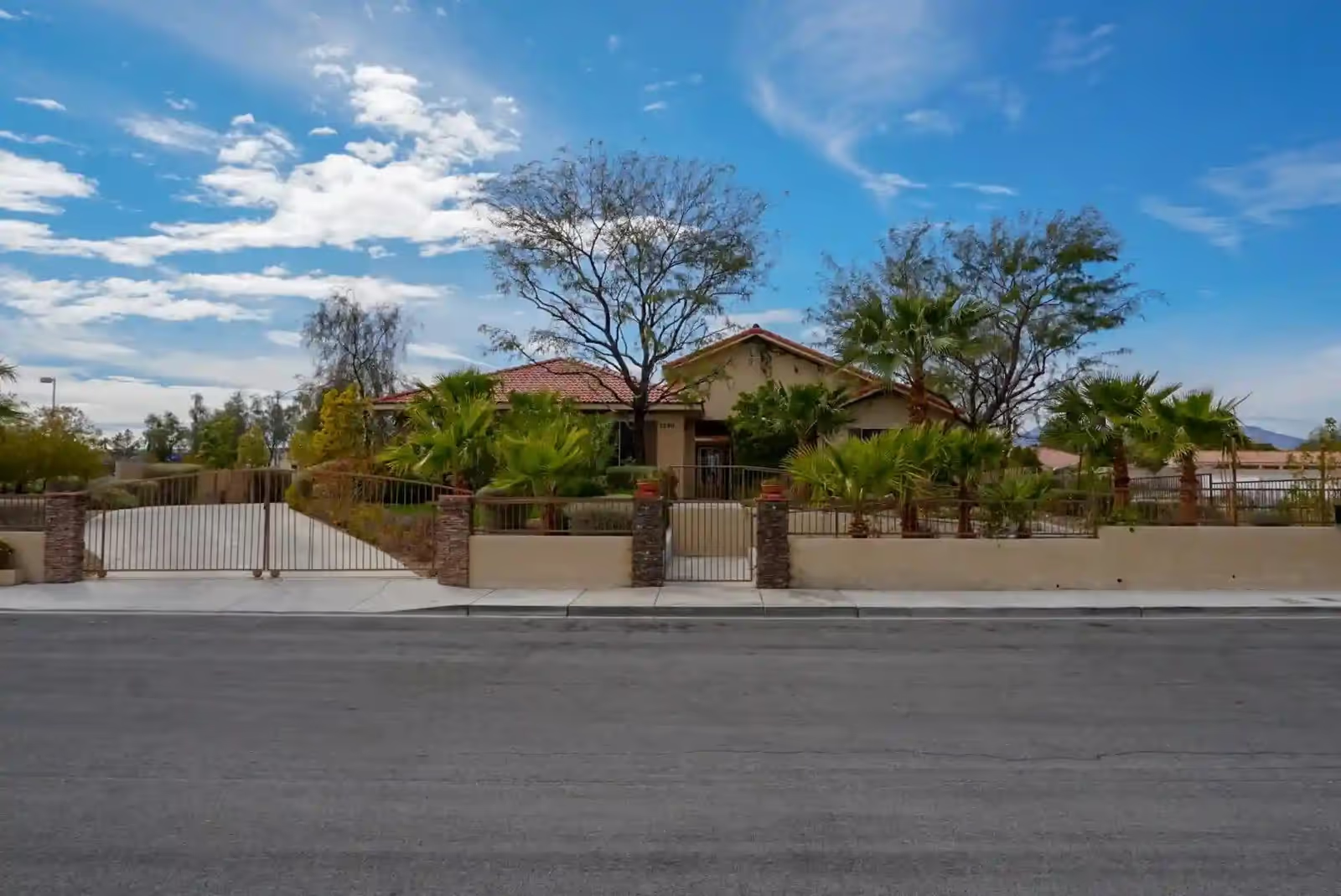
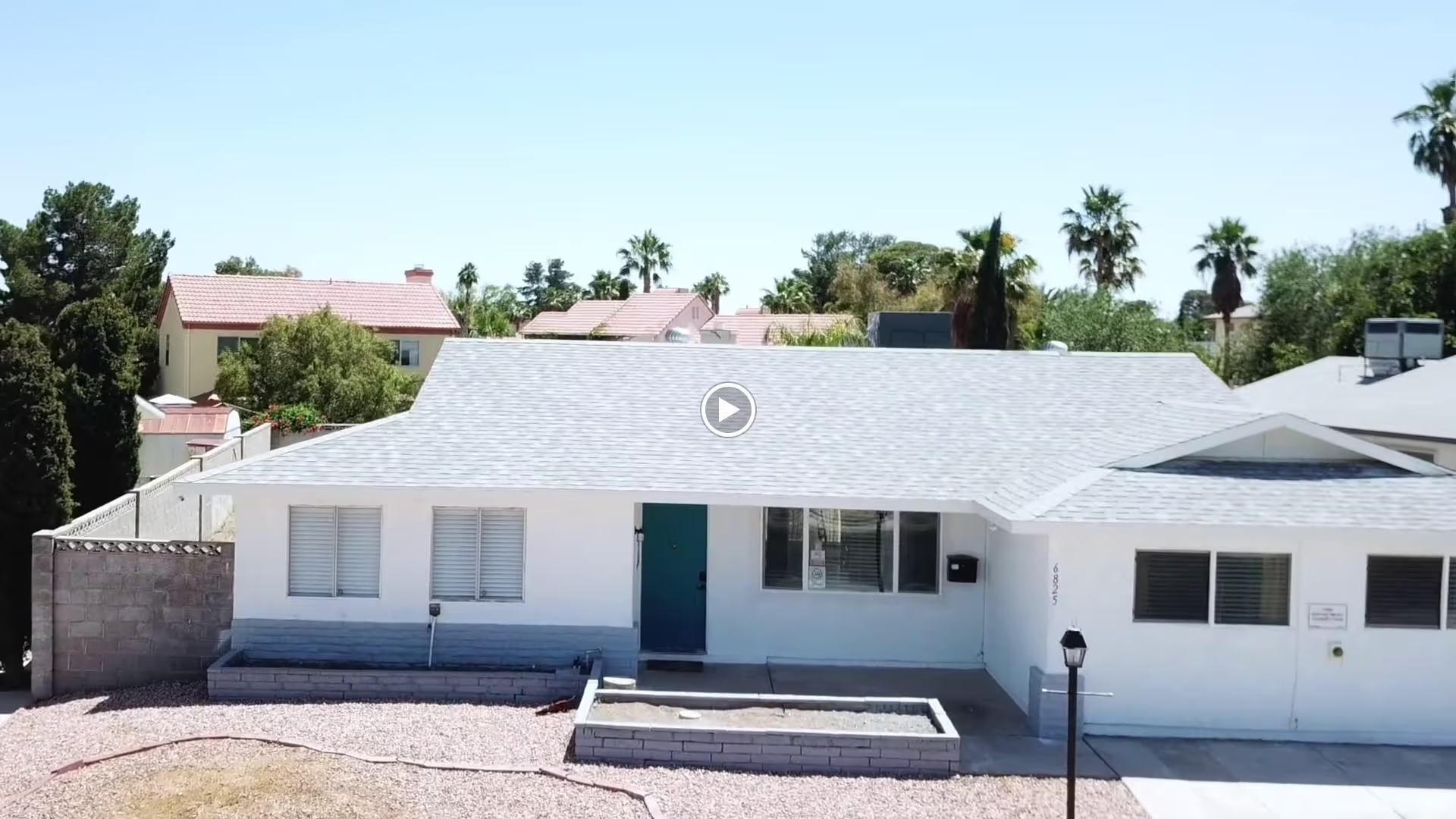
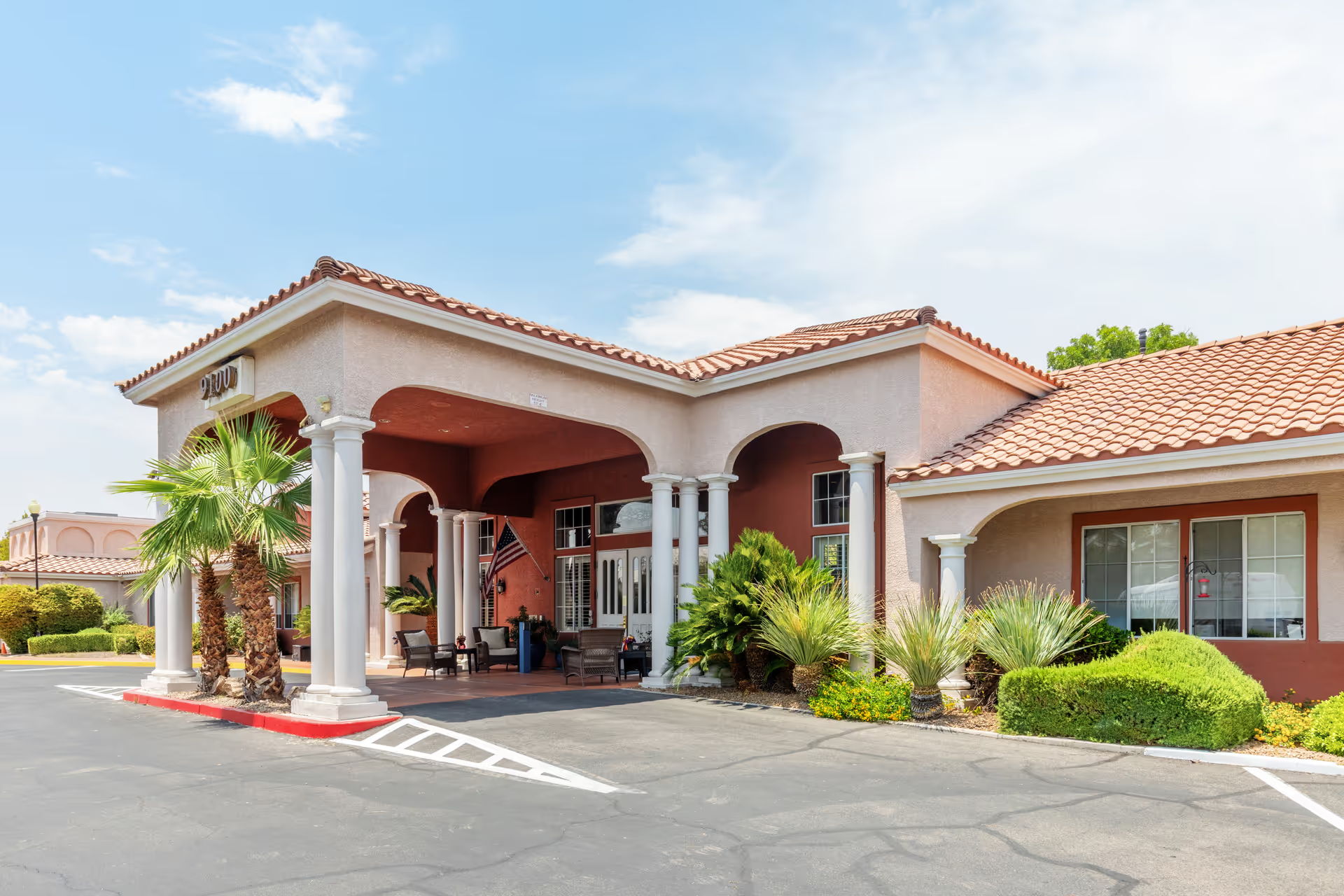
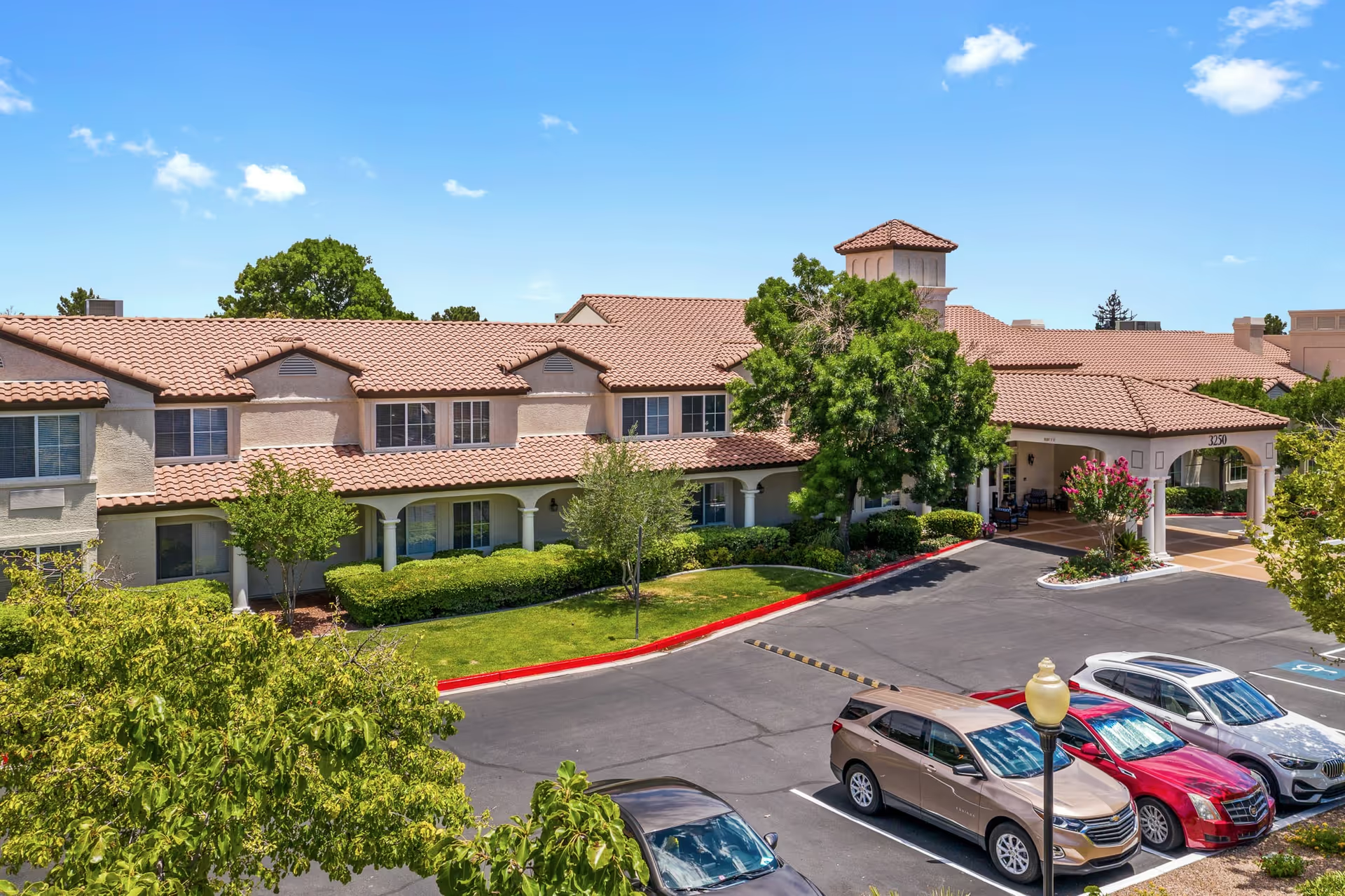
The physical environment is consistently described as clean, well maintained, and aesthetically pleasant — a small, beautifully appointed home rather than an institutional setting. This small-house model supports personalized care and close staff–resident relationships. Home-cooked meals and a home-like atmosphere are cited as positives that reinforce the facility’s residential approach.
Patterns of concern are relatively limited but notable. Dining quality and variety are singled out as an area needing improvement; while meals are often described as home-cooked, there are comments about inconsistent food quality and choices. The very features that create the facility’s homelike character—its small size and close staffing—also bring operational trade-offs: limited capacity, fewer on-site amenity and activity options compared with larger communities, and a dependence on specific staff members and owners for continuity of care. Those operational dependencies can be a vulnerability if key personnel are unavailable.
Overall, TLC appears to offer robust, personalized memory-care with strong clinical oversight and a caring staff culture, making it a good fit for families seeking a small, home-like environment and hands-on clinical attention. Prospective residents and families should weigh the benefits of individualized care and a closely knit staff against potential limitations in dining variety, activity breadth, and capacity associated with a small-home model.