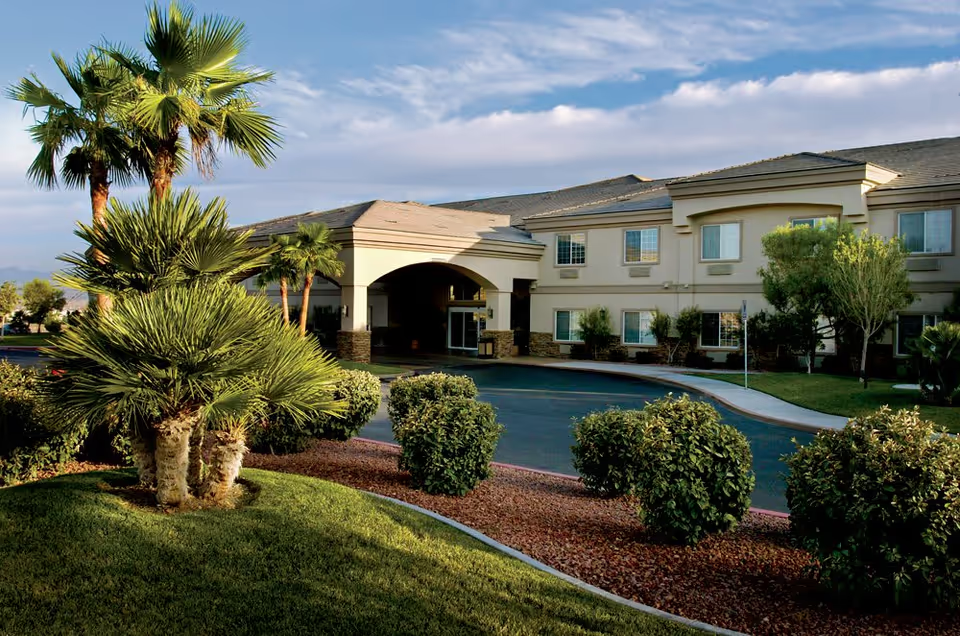
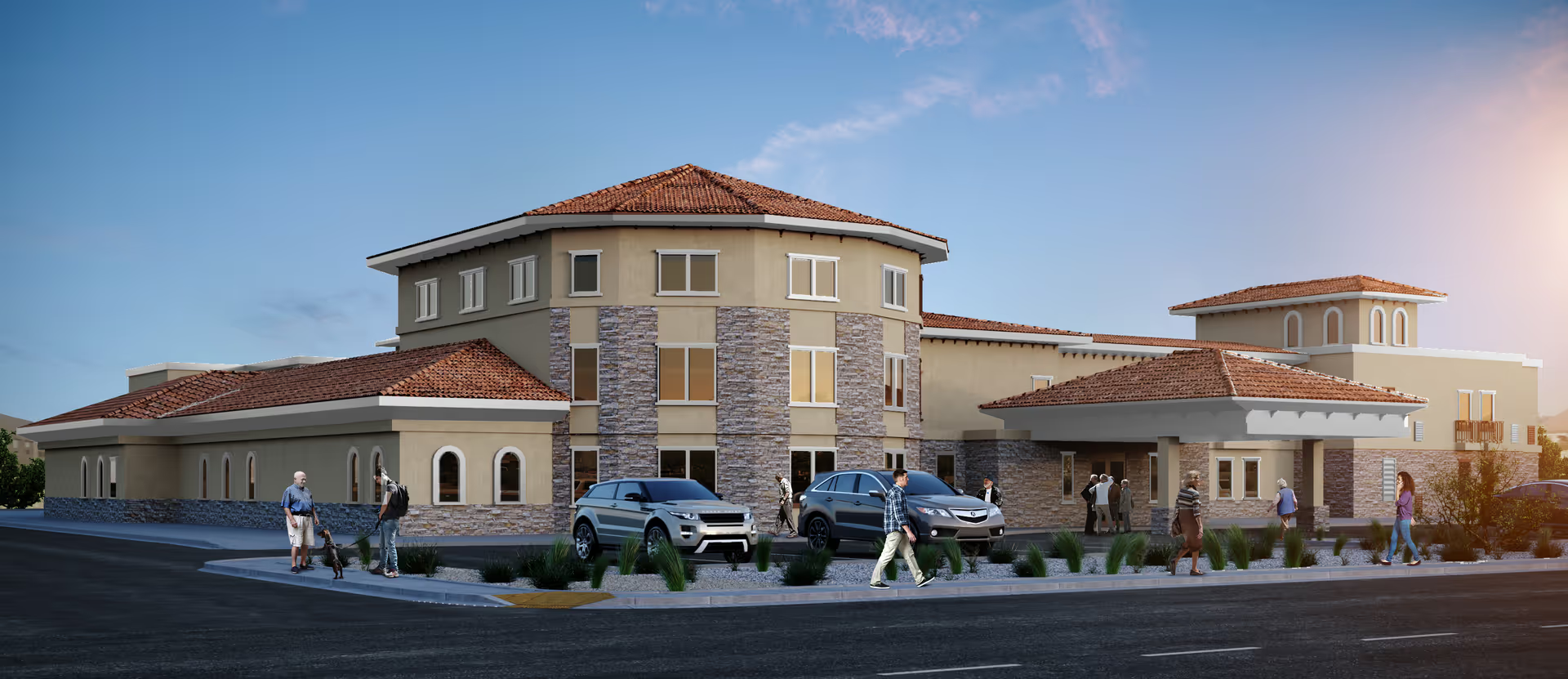
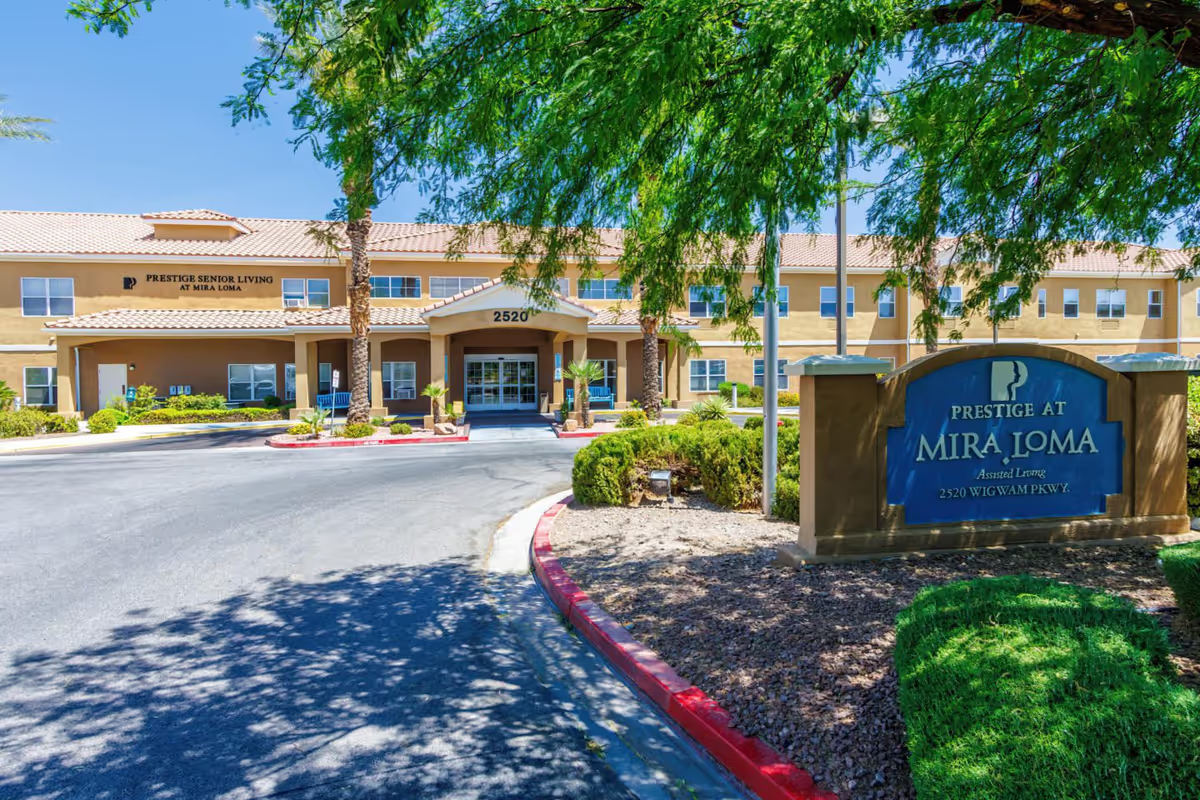
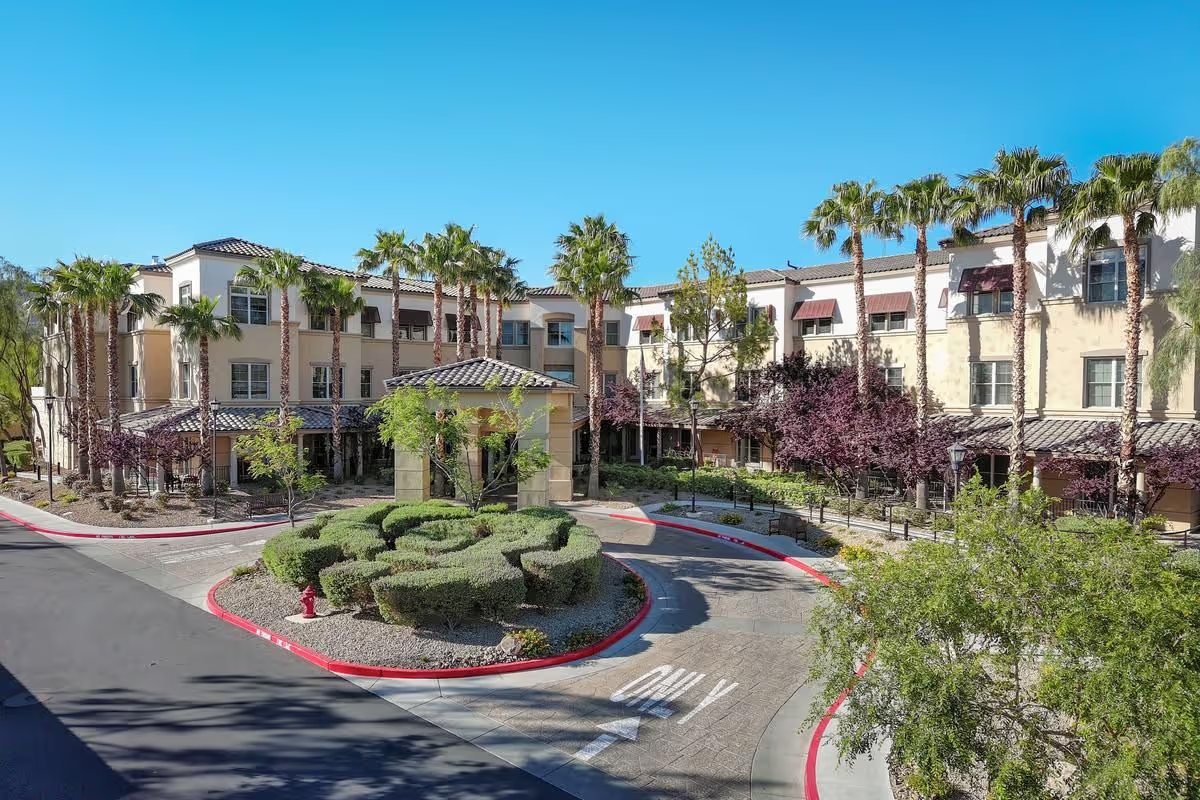
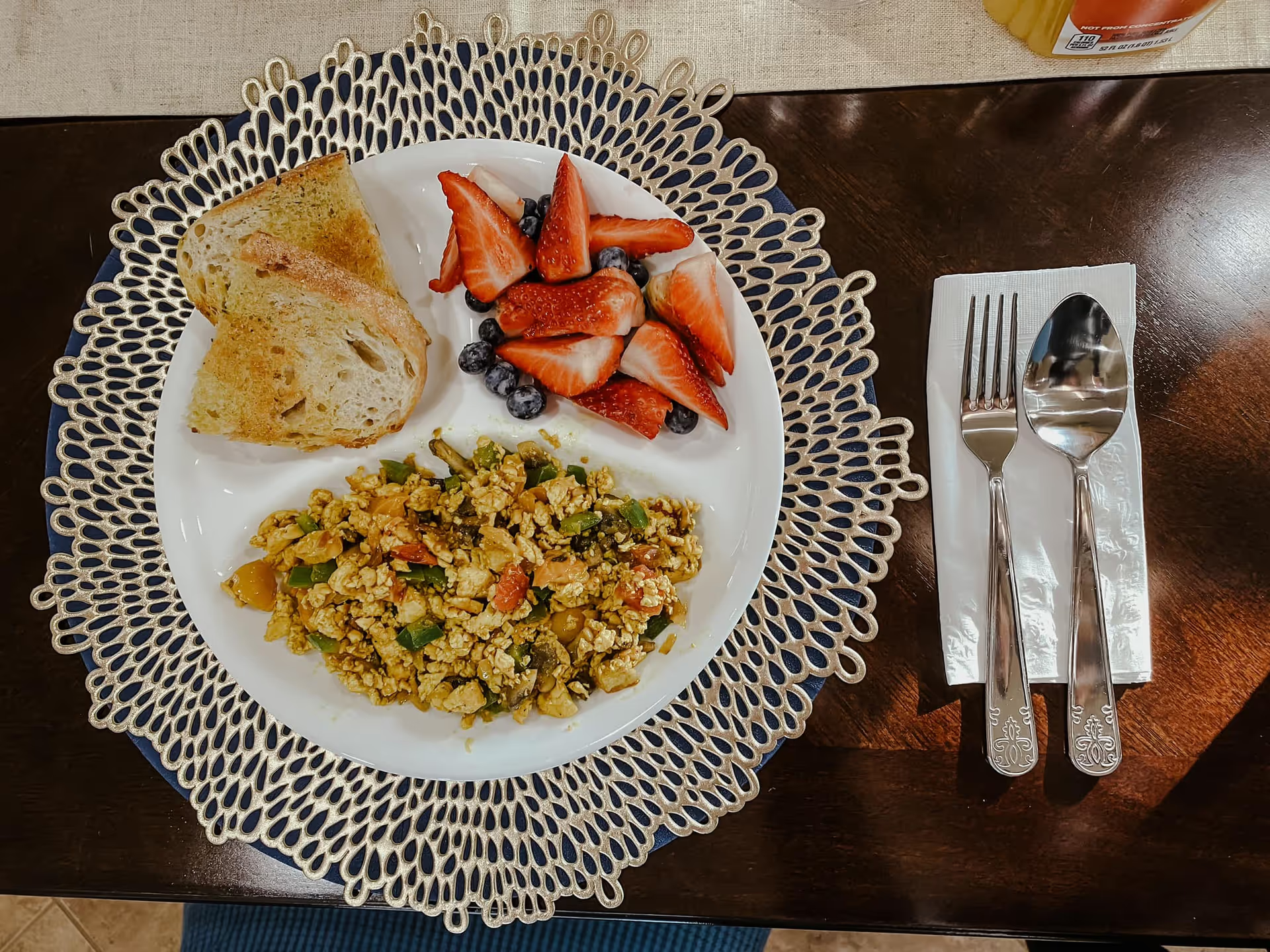
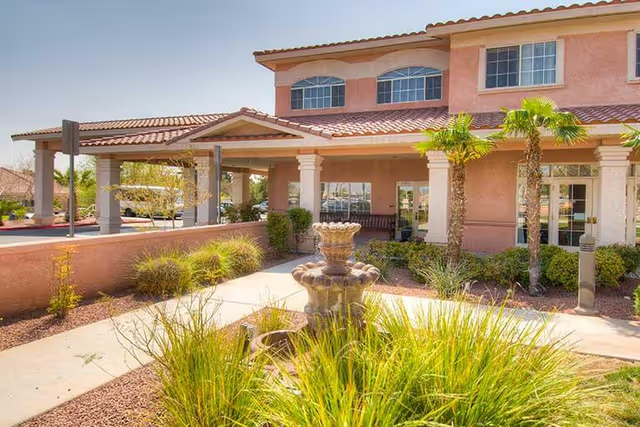
Overall impression: Volante of Las Vegas (now operating under the Inspired Senior Living name in some references) receives consistently positive feedback for its physical environment, dining program, and many front‑line staff members. Reviewers frequently praise the facility’s appearance — a modern, well‑maintained building with bright common areas, landscaped courtyard and water feature — and amenities such as a salon, movie theater, and onsite rehabilitation services. The dining program, led by an on‑site chef, is a recurring strength: varied menus, accommodations for special diets, and a hotel‑style dining experience are regularly highlighted.
Care quality and staffing: There is a mixed picture regarding clinical care. Numerous families and residents describe compassionate, attentive caregivers and continuity where long‑tenured staff remain. At the same time, recurring operational issues are described: high turnover, inexperienced new staff, and inconsistent shift coverage. These staffing patterns are associated with delays in assistance for ADLs, missed scheduled care tasks, and concerns about adherence to clinical orders. The presence of an on‑site physical therapist and available rehab services is a positive counterbalance, but reviewers express concern about gaps in clinical oversight and the absence of consistent on‑site nursing supervision.
Staff and leadership: Front‑line employees, concierge personnel, and select leaders (for example, a noted Wellness Director and Sales Director) receive strong praise for warmth, helpfulness, and individualized attention. However, several accounts point to strained leadership/administrative practices, including perceptions of corporate‑level decisions that disrupt local staffing continuity. Administrative areas such as billing, business‑office responsiveness, and documentation are highlighted as pain points; families are advised to verify policies and request clear written explanations during tours.
Dining and activities: The facility’s dining experience is a clear strength — chef‑led menus, alternative menu options, and polite service staff are commonly noted. Activities programming is robust in the general community, featuring music, dancing, games, arts and crafts, bus outings, and an engaged Life Engagement function. Conversely, memory‑care programming and the memory‑care environment are described as less engaging and darker in tone; this points to a difference in program quality between the general community and secured memory‑care units.
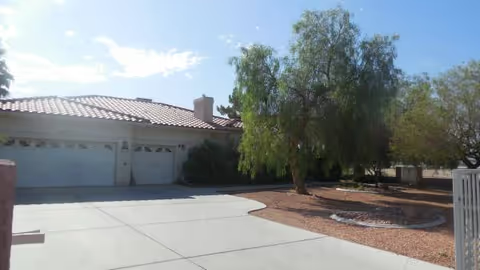
Facilities and living units: The building and grounds are generally viewed positively: clean, modern, and well‑kept with pet‑friendly policies and outdoor spaces. Apartment offerings range from small studios to spacious two‑bedroom units with high ceilings; reviewers note variability in unit size, storage, refrigeration capacity, and views. Prospective residents should confirm unit dimensions and storage options during visits.
Management patterns and notable risks: A consistent pattern emerges around operational reliability — turnover, uneven staff experience, and administrative friction create variability in day‑to‑day resident experience. There are also specific concerns about family communication during critical events and end‑of‑life situations. While many families report excellent day‑to‑day care, the described lapses in communication, documentation, and clinical oversight represent areas families should probe directly.
Practical guidance for prospective families: Tour the community during active program hours to observe engagement in both the general community and memory‑care areas; ask for current staffing ratios, on‑site nursing coverage, and examples of how clinical orders are managed and audited. Request a clear written explanation of billing practices, collections procedures, and administrative contacts. Verify unit size, storage, and appliance specifications for the apartment you are considering. Finally, meet with people responsible for life‑engagement and clinical oversight to evaluate continuity of caregivers and the responsiveness processes for clinical and emergency situations.
In summary, the community offers strong physical amenities, an accomplished dining program, and many dedicated front‑line staff, but prospective residents and families should carefully evaluate staffing consistency, clinical supervision, memory‑care programming, and administrative transparency to ensure the community meets their care and communication expectations.