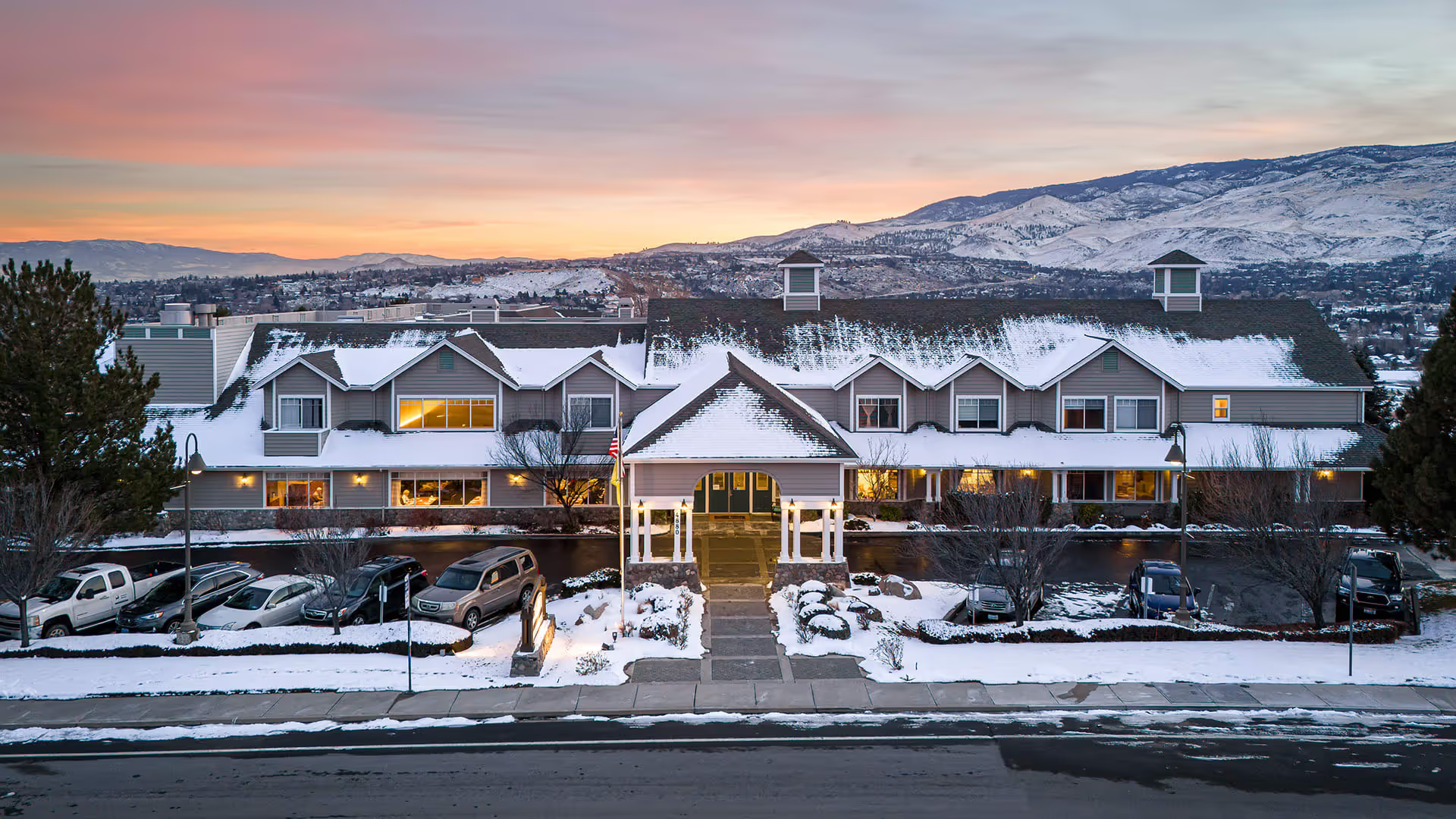
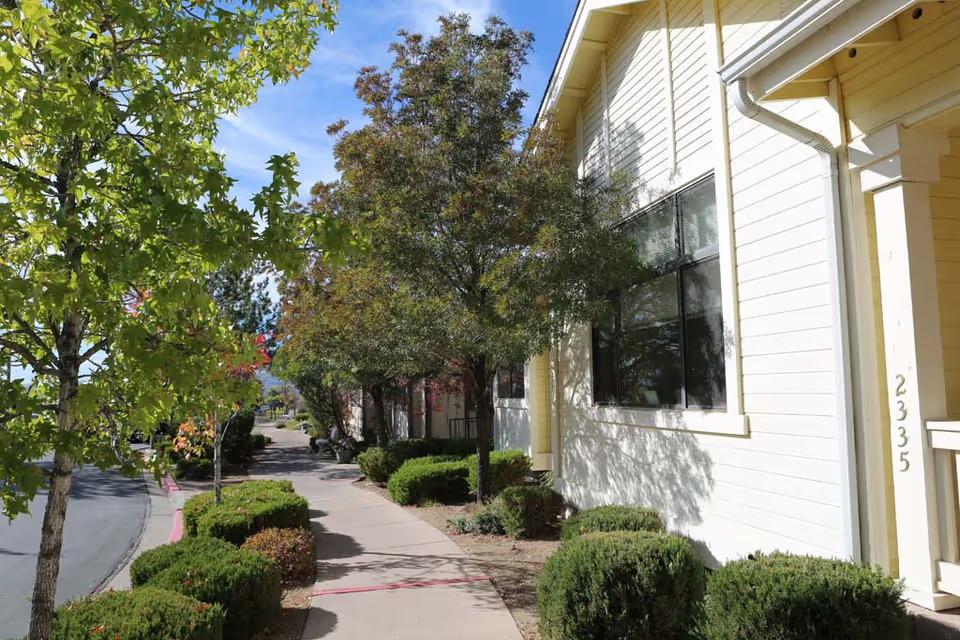
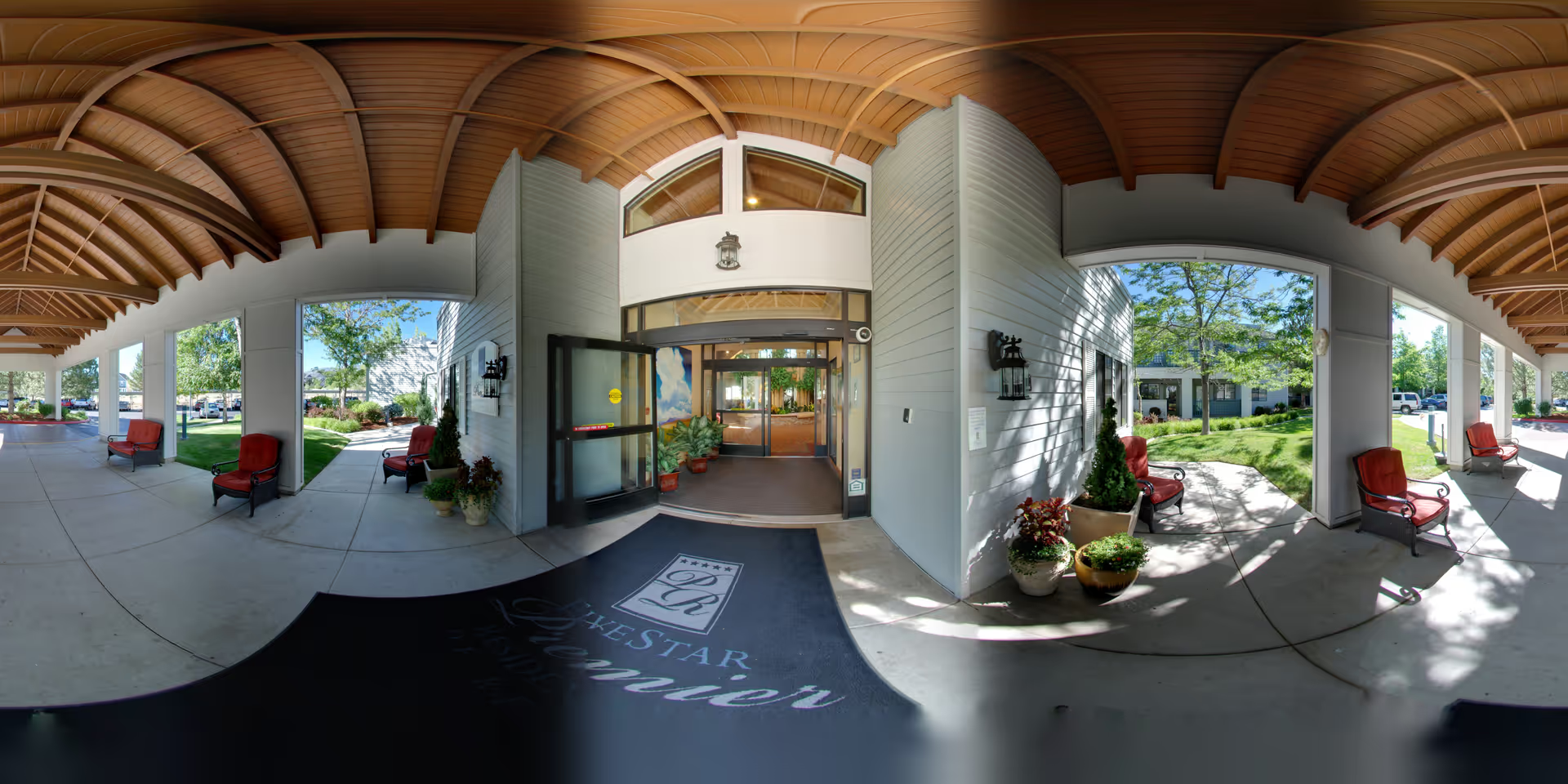
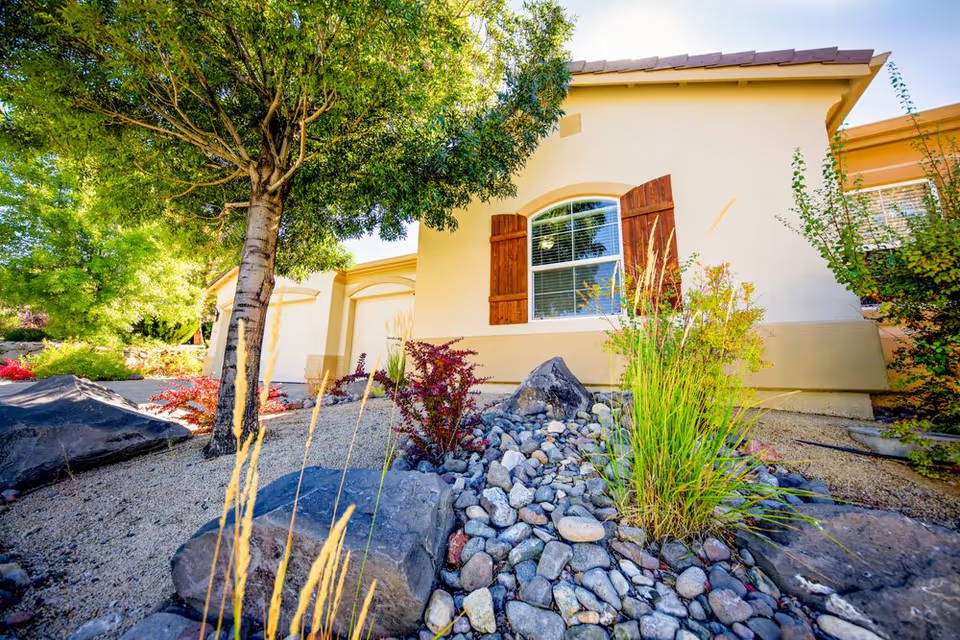
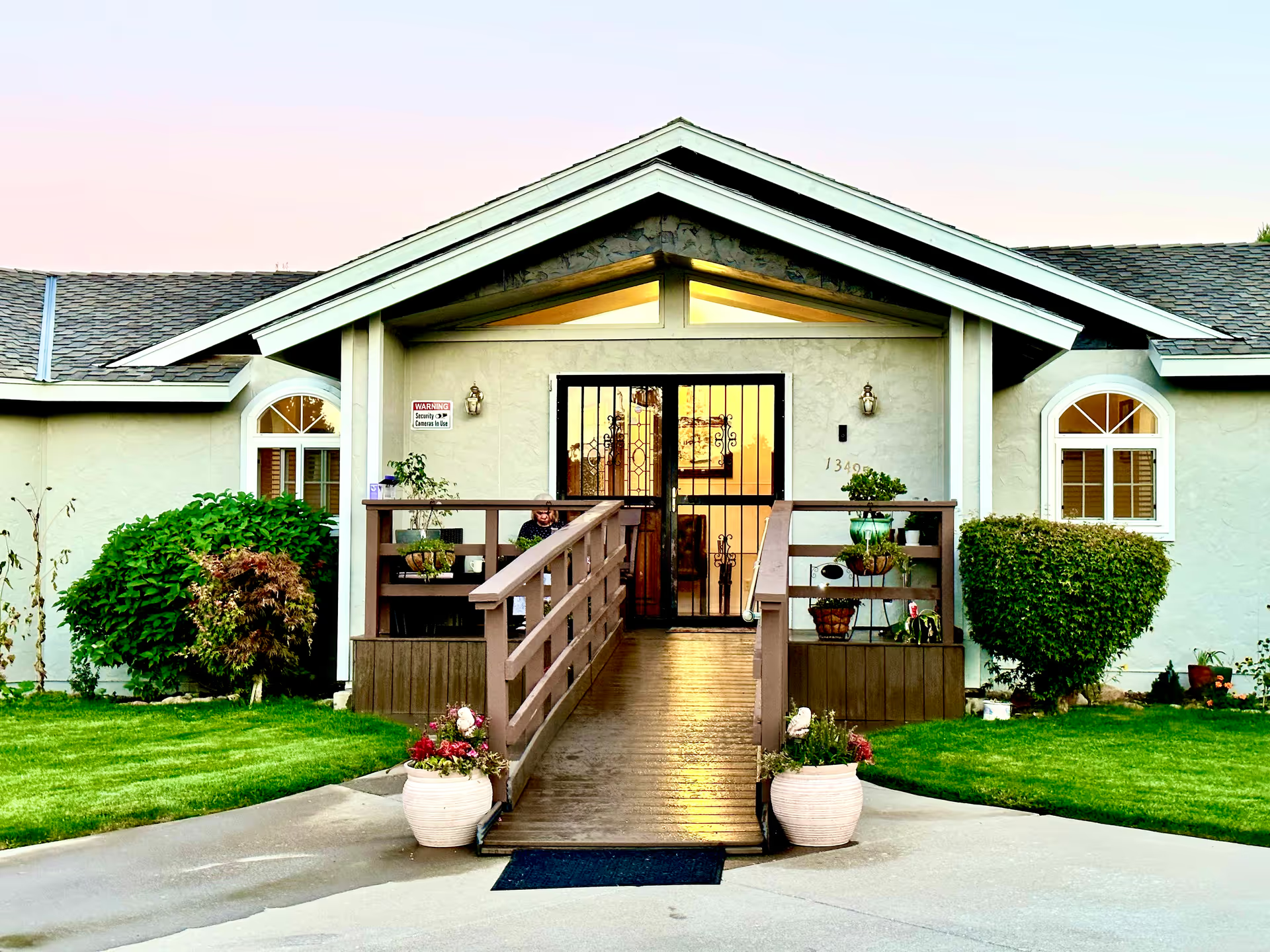
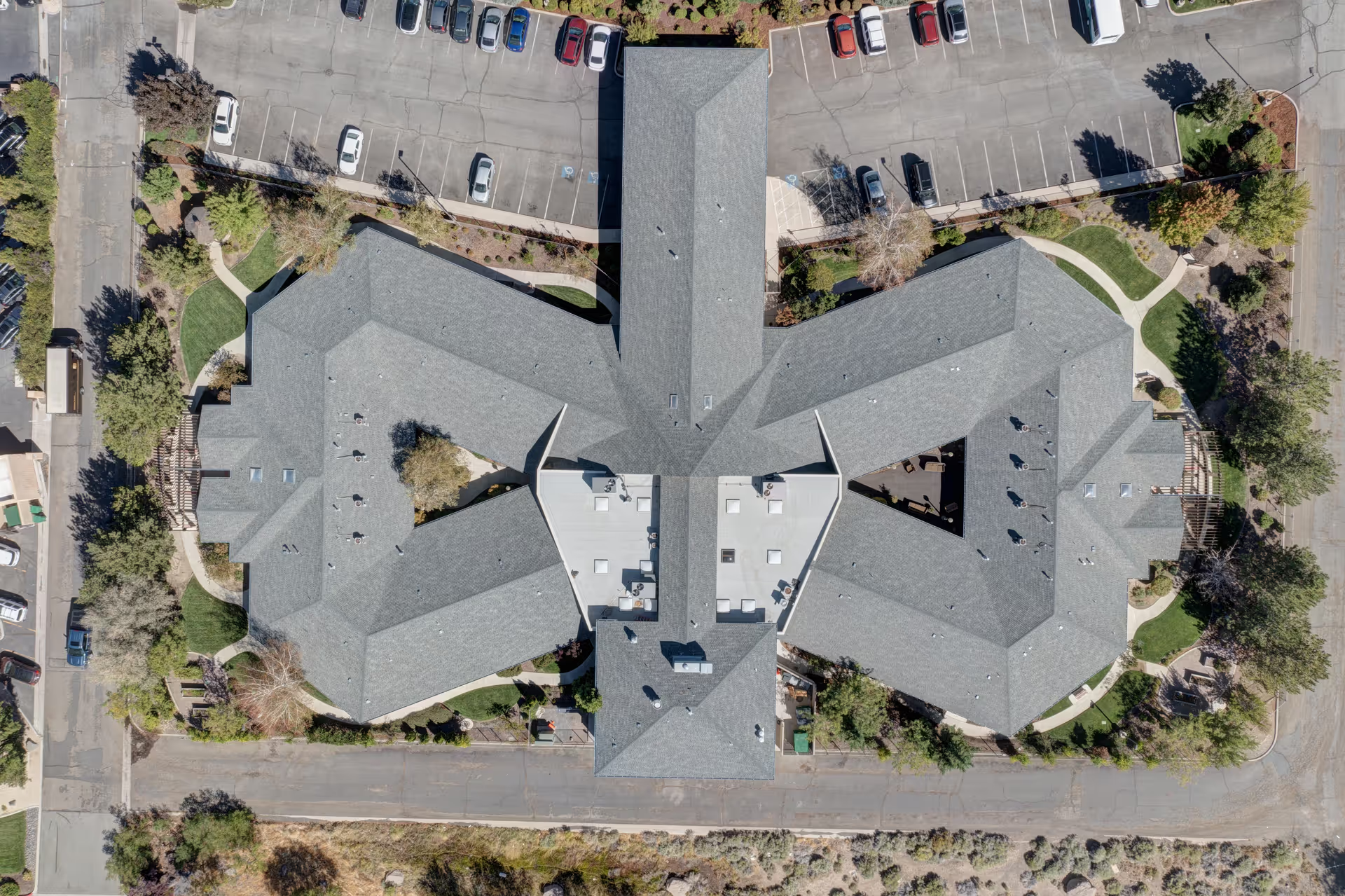
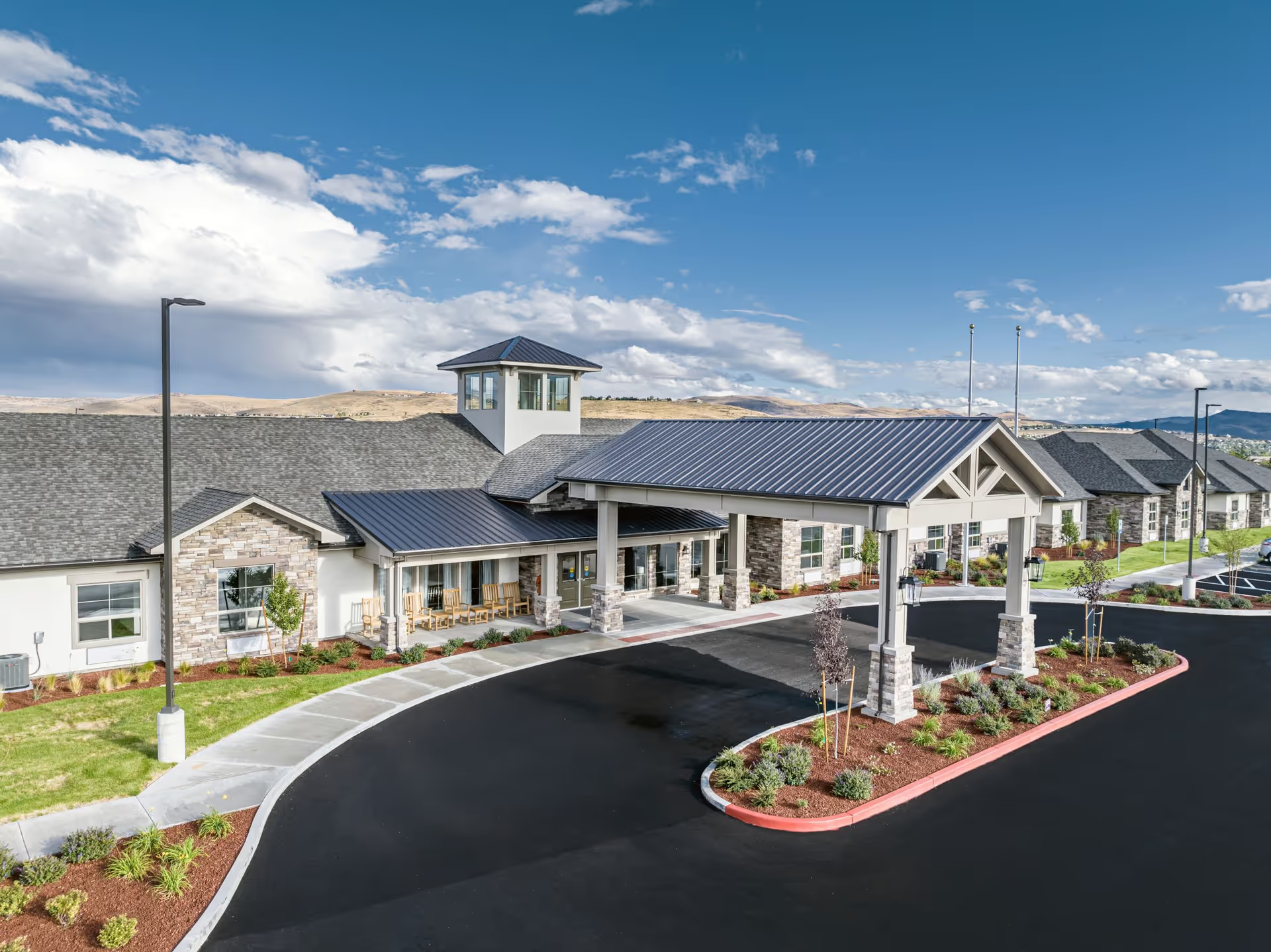
Stone Valley presents as a modern, well-appointed assisted living and memory care community with strengths in physical environment, dining, and programming. The building is frequently described as bright, hotel-like and attractively furnished, with multiple landscaped courtyards, family-room style common areas, an art room, and accessible entertainment spaces. Room configurations are flexible (private or shared), and many reviewers highlighted cleanliness and thoughtful layout that supports social interaction for residents with cognitive impairment.
Caregiving staff and day-to-day resident support receive consistently positive mentions: families and visitors commonly describe compassionate, attentive caregivers, a person-centered approach in the memory unit, and engaged activities staff who run arts-and-crafts, old-movie viewings, spiritual programming and outdoor gardening. The community emphasizes safety and structure in memory care (motion detectors, door identifiers) and many reviewers praised transition support and individualized attention from named staff members.
Dining and programming are clear strengths. The community employs an on-site chef and provides scratch-made meals, multiple entrée choices at each meal, and two daily snacks. Reviewers noted fresh-ingredient menus, adaptations for special diets, and a social, family-style dining experience that supports hydration and mealtime engagement for memory-care residents.
Despite these strengths, several operational patterns warrant attention. There are repeated concerns about medication-administration controls and inconsistent adherence to prescribed medication schedules. Staffing consistency and daytime supervision were described as variable — reports range from high caregiver-to-resident ratios in memory care to periods when staffing appeared inadequate or inattentive. Families also described gaps in communication and care coordination (for example delayed notifications of changes, questions about quarantine/visitation processes), as well as isolated but consequential operational issues such as laundry and personal-item management.
Management stability and regulatory issues emerged as another pattern: some families praised responsive directors and helpful transition staff, while others cited turnover in leadership, inconsistent managerial oversight, and mentions of licensing or compliance concerns. These contrasting impressions suggest variability in the visitor/resident experience depending on staffing and leadership at the time of interaction.
For prospective residents and families, the facility offers strong on-site amenities, active programming, and many examples of caring, skilled frontline staff. At the same time, due diligence is advisable regarding current staffing levels, medication-administration protocols, family-communication processes, and recent regulatory status. Clarifying those operational details during a visit will help align expectations with the community’s strengths and the operational areas that families have identified as inconsistent.