The reviews present a mixed but recurrent profile: many families and residents emphasize warm, engaged staff and a broad activity program, while several operational concerns appear repeatedly and should be evaluated on a tour or via references.
Care and staff: Strengths center on staff demeanor and individualized attention. Reviewers commonly describe caregivers and management as compassionate, communicative, and willing to build personal connections; families note active outreach, scheduling support, and follow-up. At the same time, there are repeated comments about staffing shortages and turnover that correlate with slower response times to call systems and variable bedside care. These patterns suggest generally strong person-centered intent among staff but occasional capacity gaps that can affect timeliness and consistency of assistance.
Dining: Dining experiences are inconsistent across accounts. Many reviewers praise varied menus, community dining with two entrée choices, and generally acceptable meals on good days. Other comments cite cold meals, long waits at mealtime, and limited options for special diets, indicating variability in food quality and service continuity. Prospective families should sample meals and ask about dietary accommodations and meal-delivery protocols.
Activities and community life: The facility offers a robust activity roster — daily/weekly/monthly schedules, live music, games, gardening clubs, field trips, and shuttle service — and several reviewers credit these programs with helping residents socialize and regain function. However, some residents appear to remain mostly room-bound or choose not to participate; accessibility and staff facilitation for less-mobile residents may be inconsistent. Confirm how activities are adapted and how residents are escorted to participate.
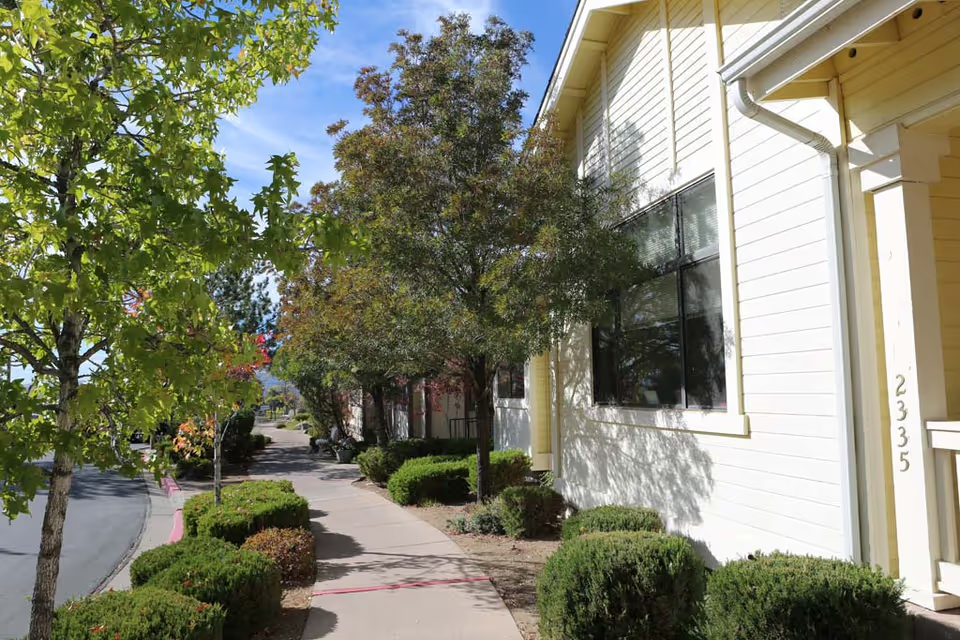
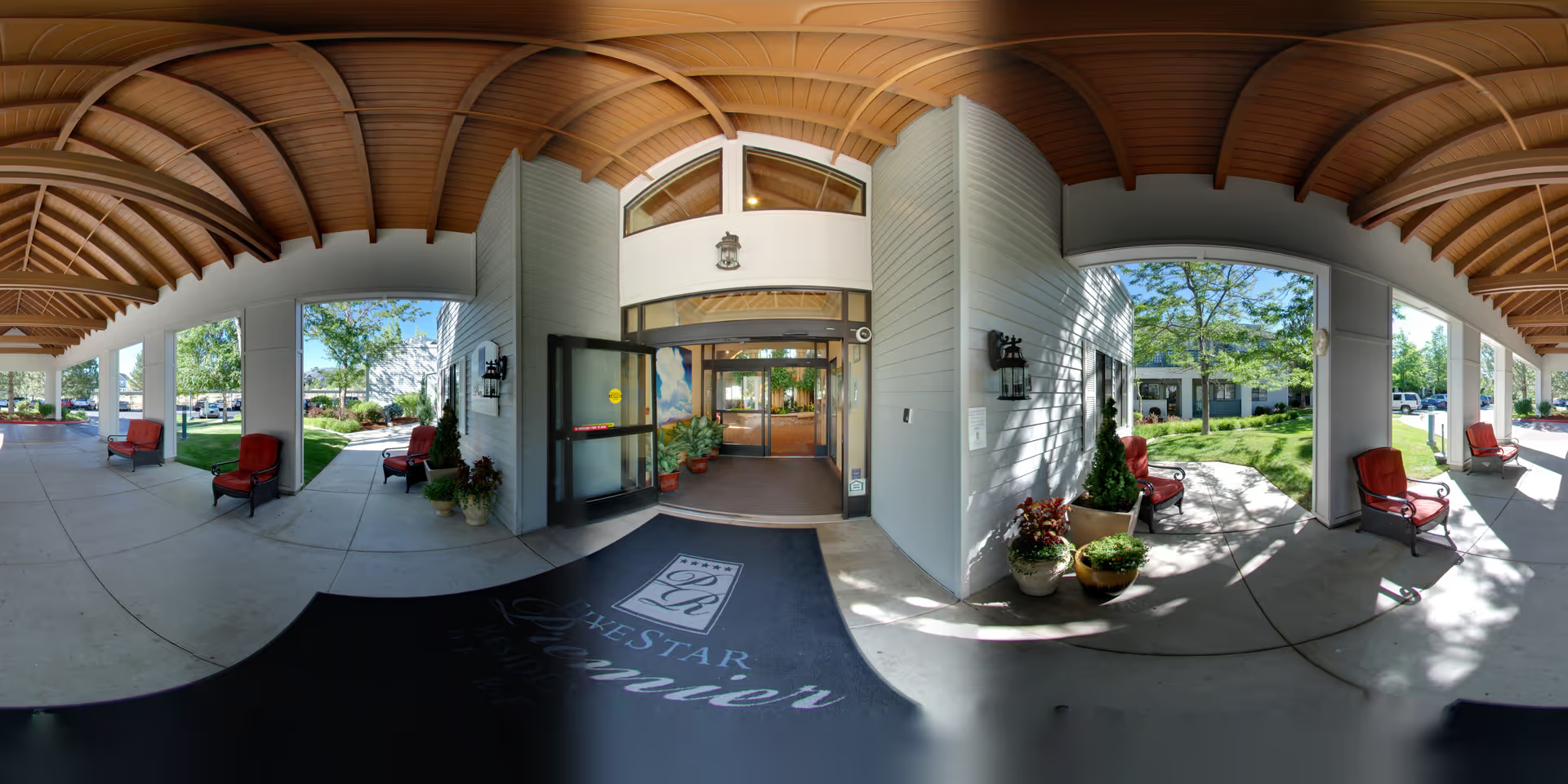
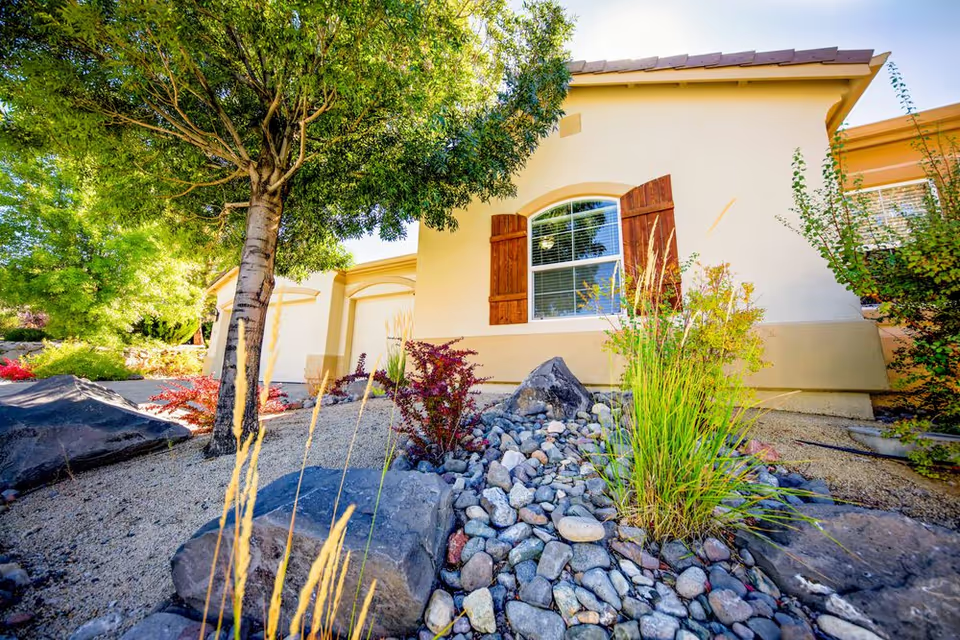
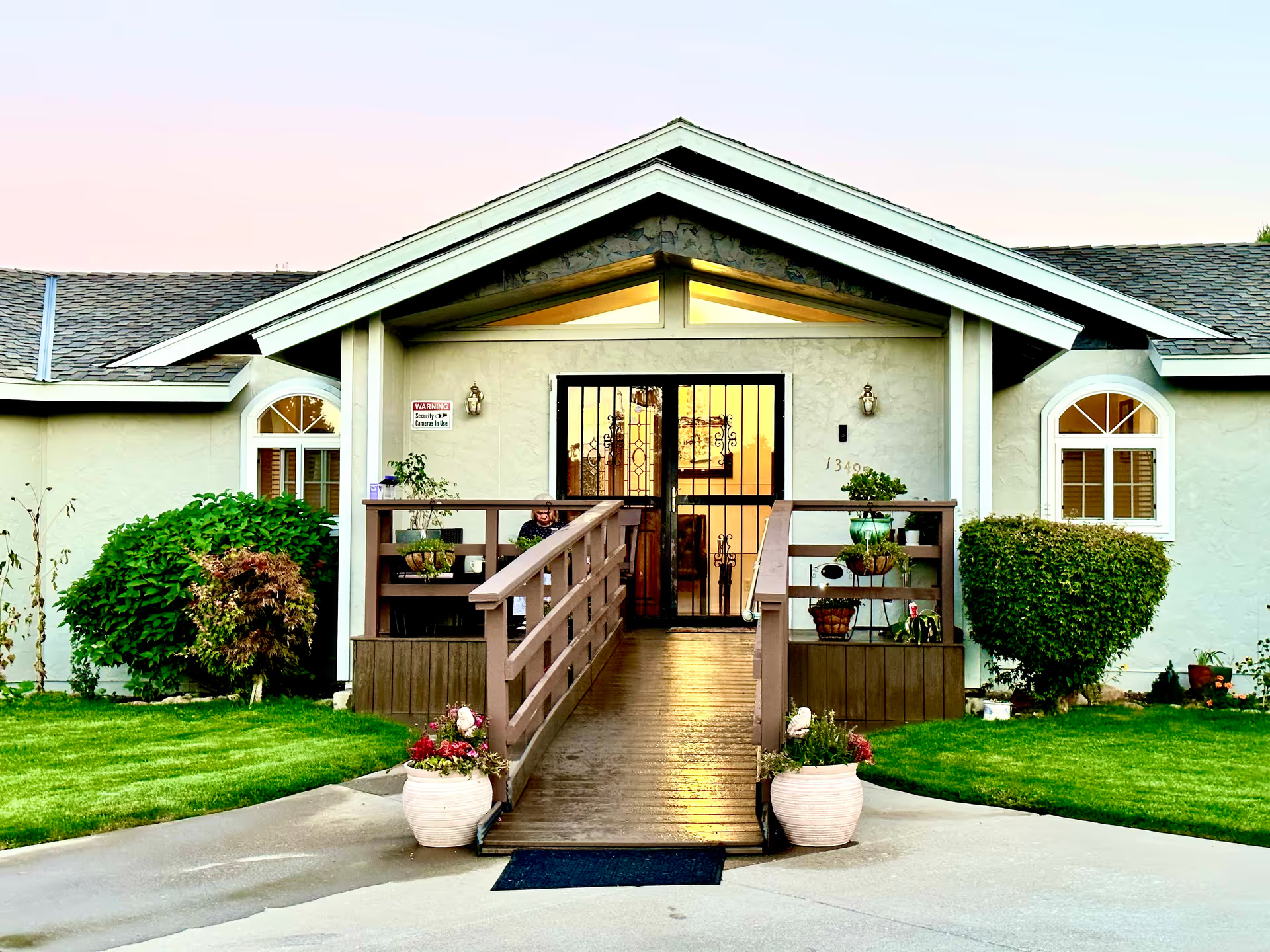
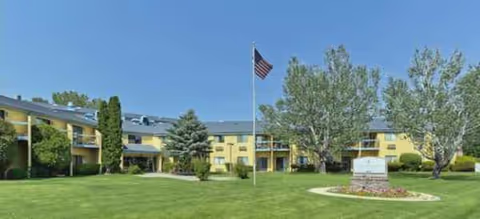
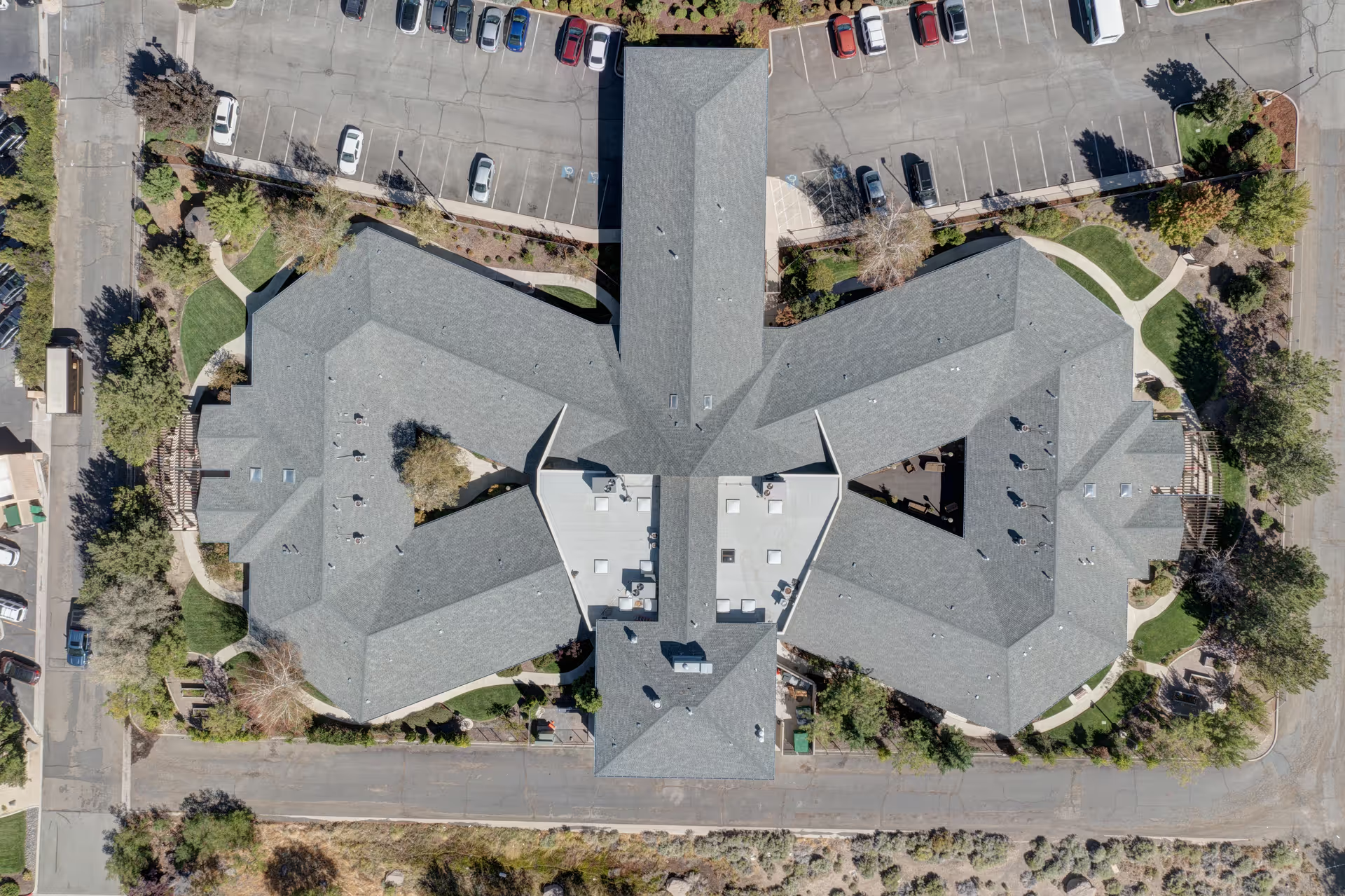
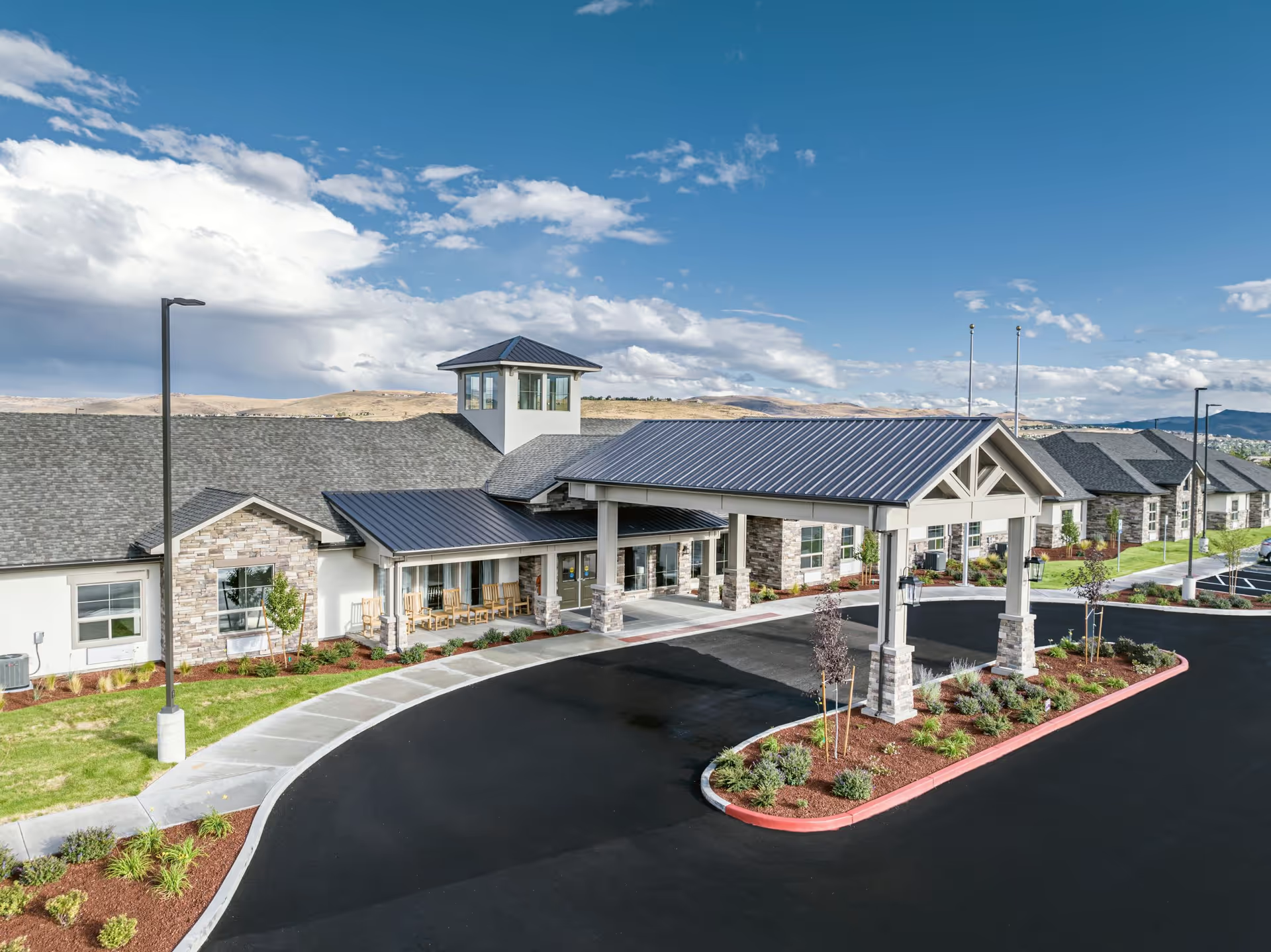
Facilities and maintenance: Positive notes include attractive landscaping, a pleasant courtyard, an elevator, and a variety of apartment sizes, including mobility-friendly layouts. Conversely, there are recurring comments about maintenance issues such as paint and carpet wear, occasional odor or cleanliness concerns in parts of the building, and a perception that the multi-story layout can feel large or closed-in. These observations point to generally well-kept common areas with intermittent unit-level maintenance and wayfinding challenges.
Management and safety patterns: Several reviewers highlight proactive management presence, good family communication, and assistance with outings and medical transportation. Conversely, more serious operational concerns are raised by a subset of reviewers — including infection-control and illness-prevention gaps, safety and fall-risk management issues, and at least one notable post-visit illness and a resident death that prompted family concerns. These are significant items to investigate directly with administration, licensing records, and family references.
Notable patterns and recommendations: The facility appears to be polarized — strong person-focused care and active programming offset by episodic operational weaknesses (staffing levels, meal consistency, maintenance, and infection-control). Cost/value impressions also vary; some families find the pricing reasonable for care and amenities, while others view it as expensive relative to perceived service gaps. Prospective residents and families should tour the community during meal and activity times, request staffing and turnover data, inquire about infection-control protocols and recent incident follow-ups, sample food, and speak with current families in both assisted- and memory-care areas to assess fit for their specific needs.