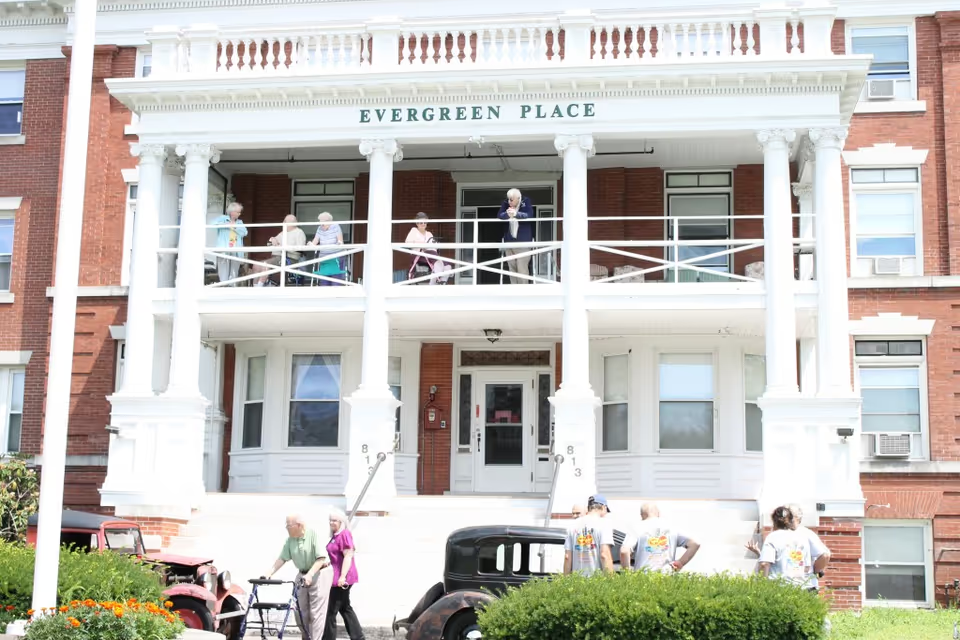
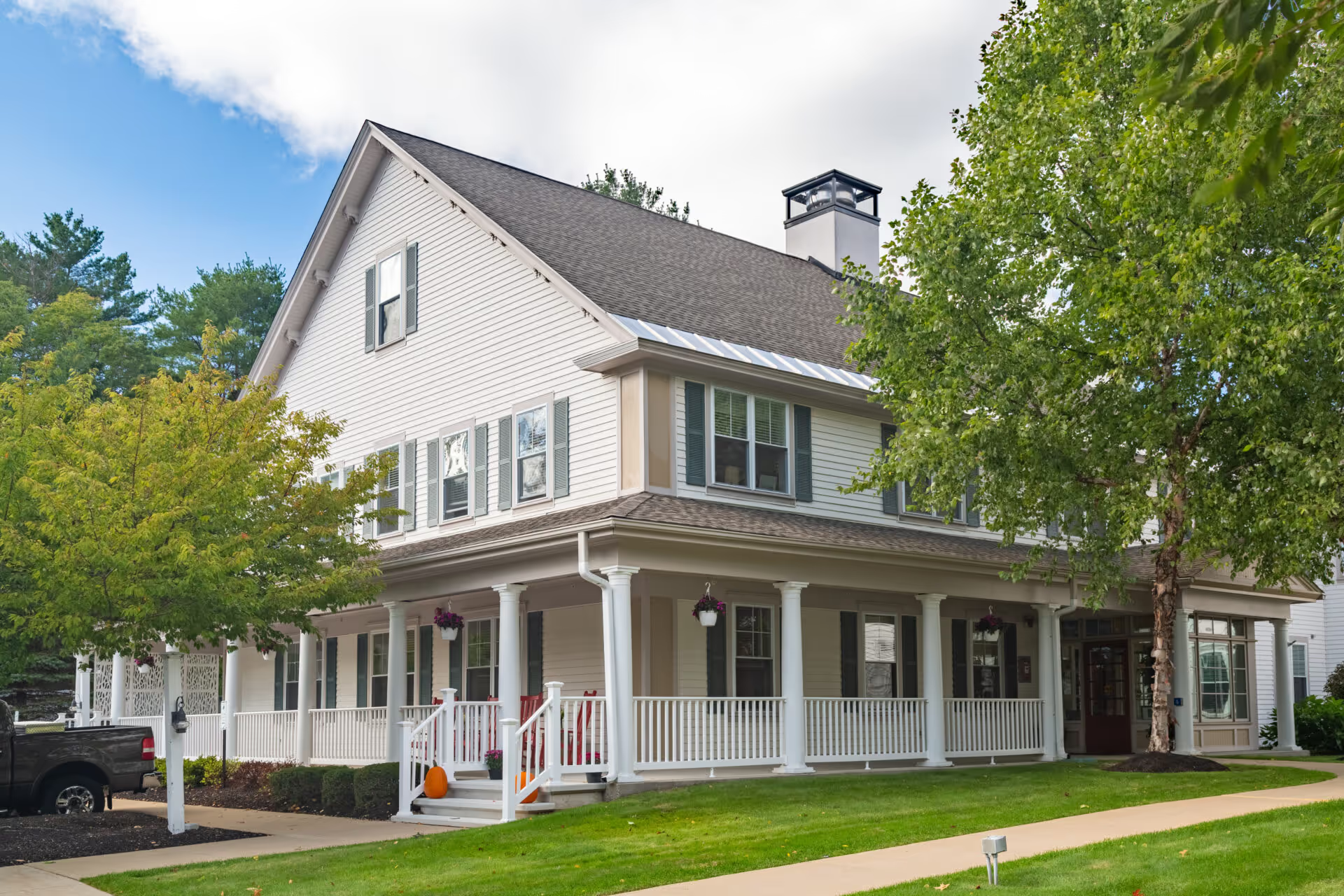
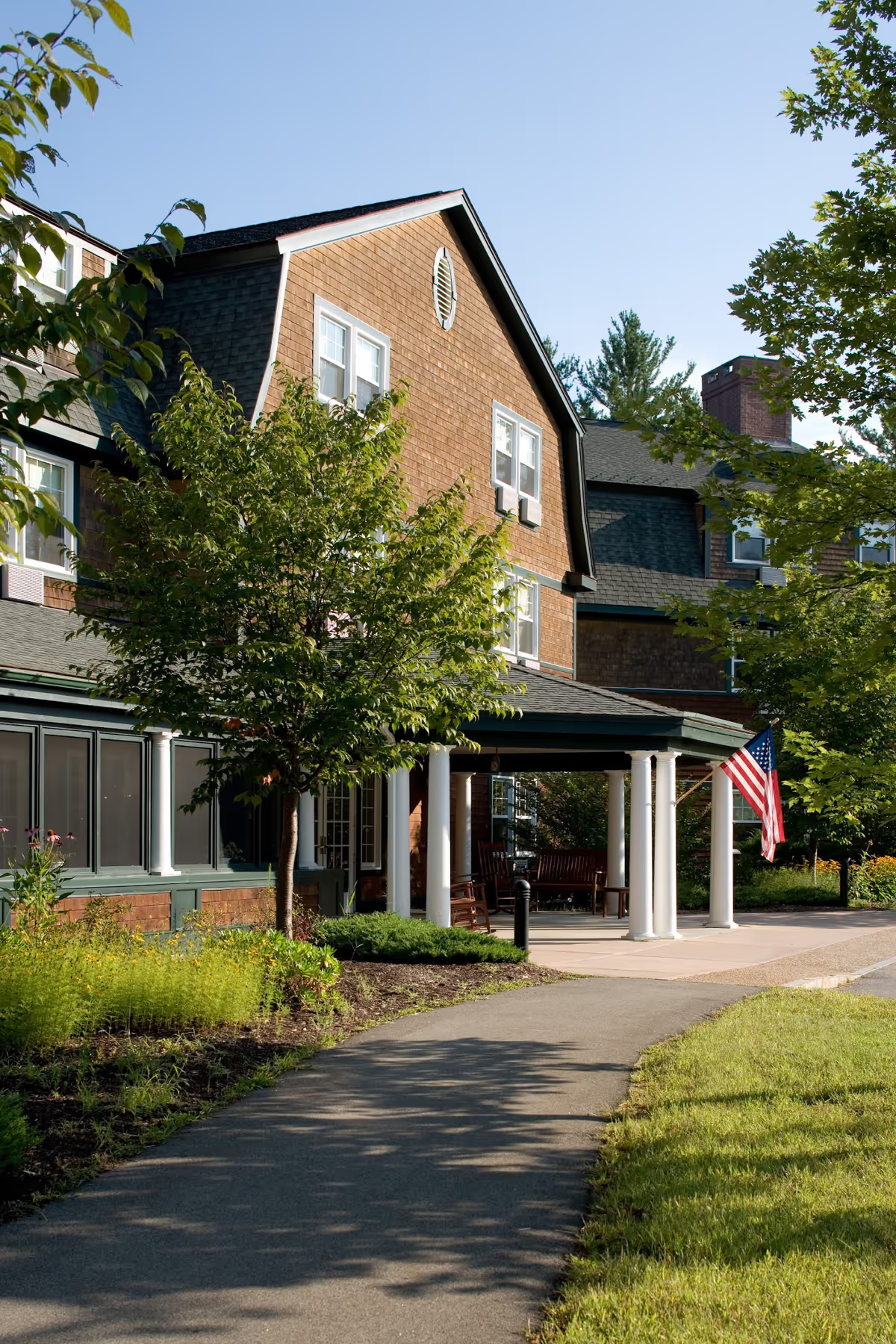
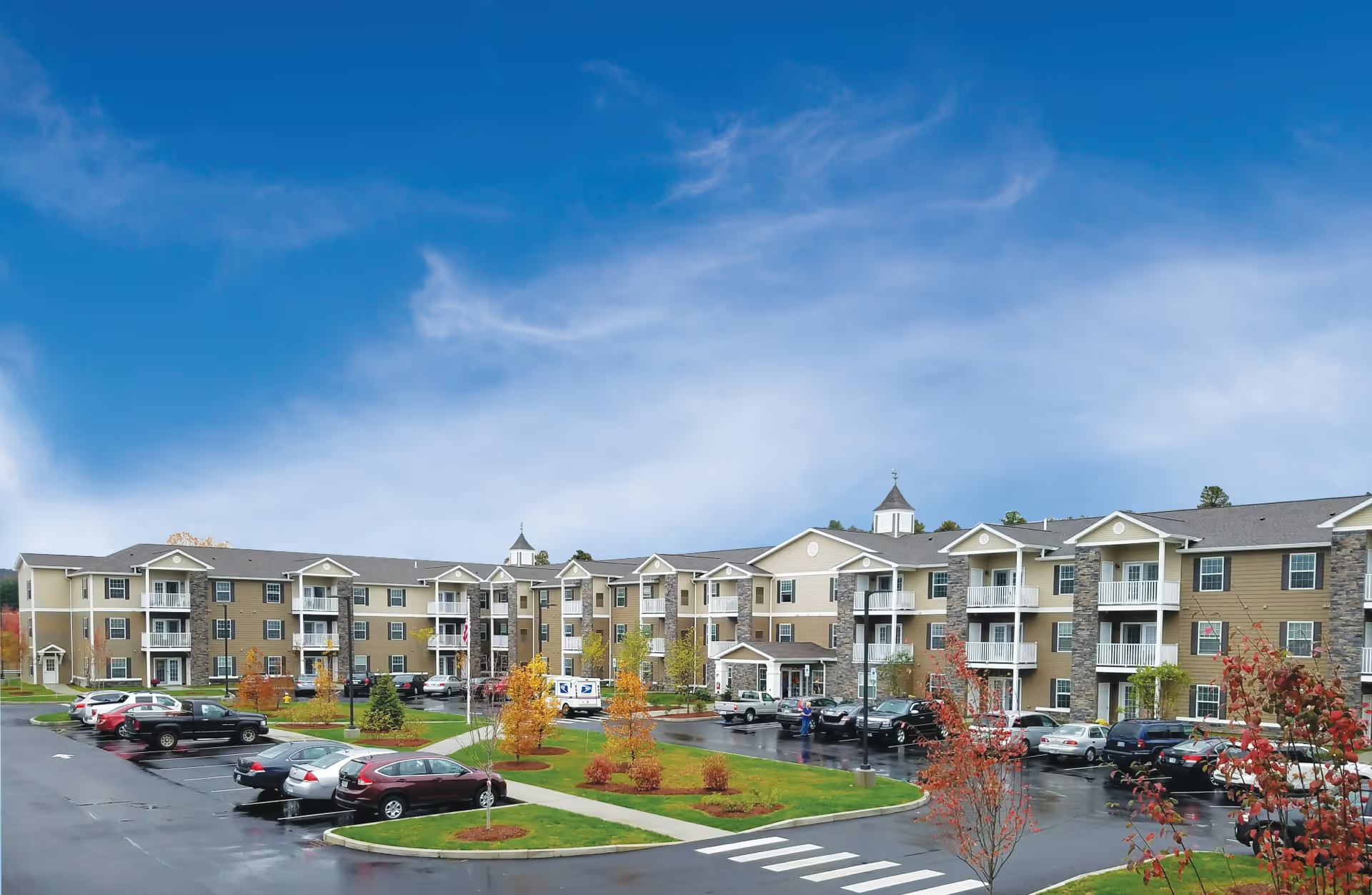
The Villager Assisted Living is described consistently as a small, residential-style assisted living option housed in a well‑kept historic Victorian home. Reviewers emphasize a home-like atmosphere, a wrap‑around porch and orderly common spaces that contribute to a warm, familiar environment. The facility’s modest scale (approximately 16 beds) is frequently cited as a defining characteristic that shapes the resident experience.
Care and staff interactions are portrayed positively. Families and visitors describe staff as caring and attentive, with owner involvement cited as a reinforcing element of oversight and encouragement. Several accounts indicate consistent interpersonal engagement between staff and residents, and some families reported that the level of attention exceeded expectations. At the same time, the small size that enables individualized attention can create tradeoffs in capacity and the variety of in‑house clinical supports available.
Dining and activities receive favorable remarks. Meal service is characterized as pleasant, with at least one mention of a "lovely lunch." The activity program and social life are frequently highlighted: residents are described as active, "out and about," and participating in engaging programming. The owner and staff are noted to encourage resident involvement, contributing to the community feel and social interaction.
Facilities and accommodations align with the home‑like positioning: rooms and common areas are reported as nice and well‑kept, and the historic architecture is a positive factor for many visitors. Conversely, the facility operates some shared-bedroom arrangements and has limited space for personal furnishings, which may restrict personalization for residents used to more space or private rooms.
Management and suitability considerations: overall impressions lean strongly positive, with several recommendations and comments that the facility "exceeded expectations." Owner involvement is viewed as a management strength that supports the small, intimate model. Prospective residents and families should weigh that model’s advantages against its constraints — limited overall capacity, potential roommate arrangements, and correspondingly limited on‑site clinical services when compared with larger assisted living or memory care campuses. Fit and timing were also noted: some visitors appreciated the community but determined it was not their preferred placement at that moment.
Notable patterns: consistent themes are strong interpersonal care, active programming, and an attractive historic setting offered at an affordable price point. The primary operational tradeoffs are the small scale — which can limit private‑room availability and personalization — and the resulting boundaries on clinical resources. For families prioritizing personalized attention, social engagement, and a homelike environment, The Villager appears to be a good match; families requiring more private space or more comprehensive on‑site clinical services should probe room availability and clinical offerings during a tour.