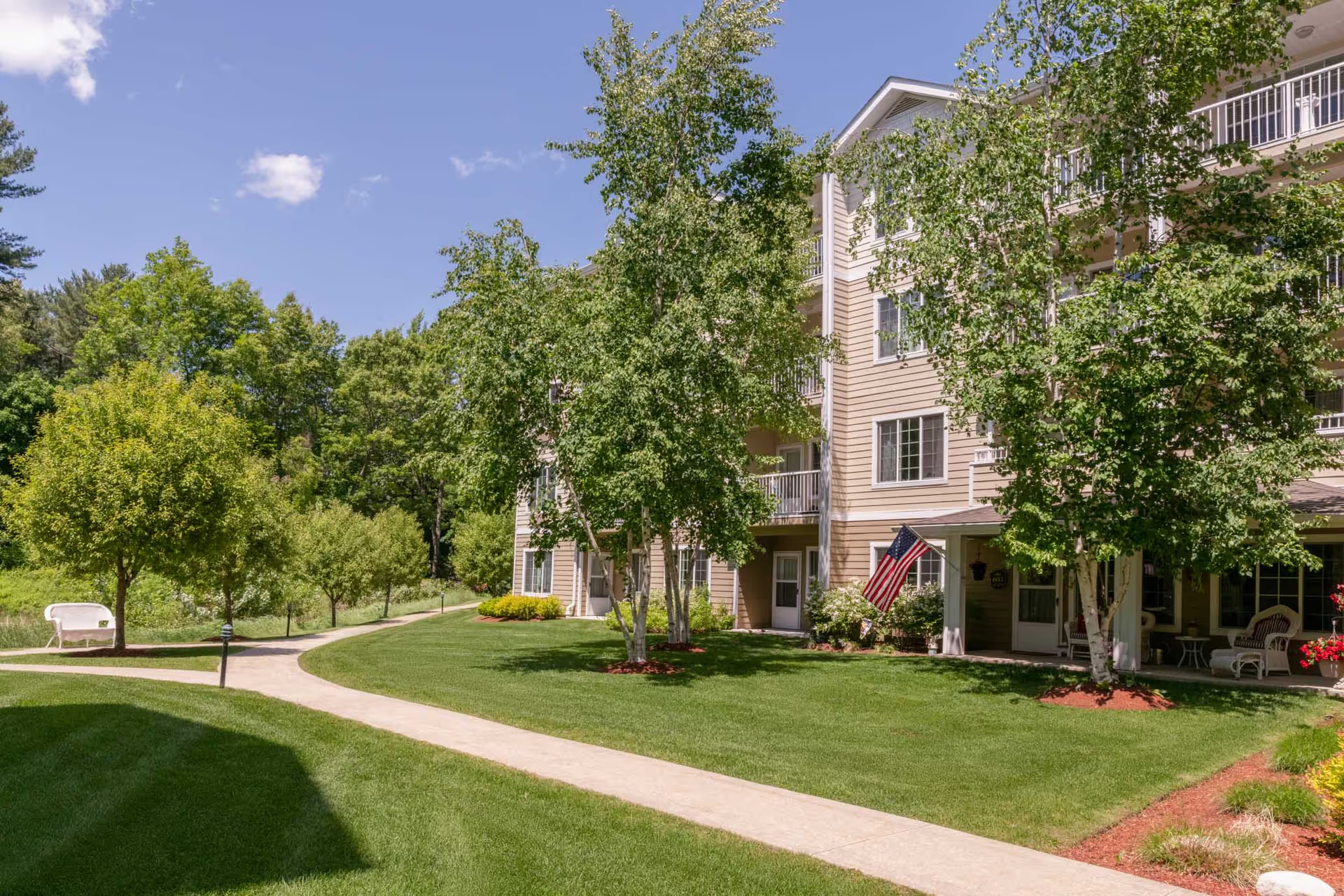
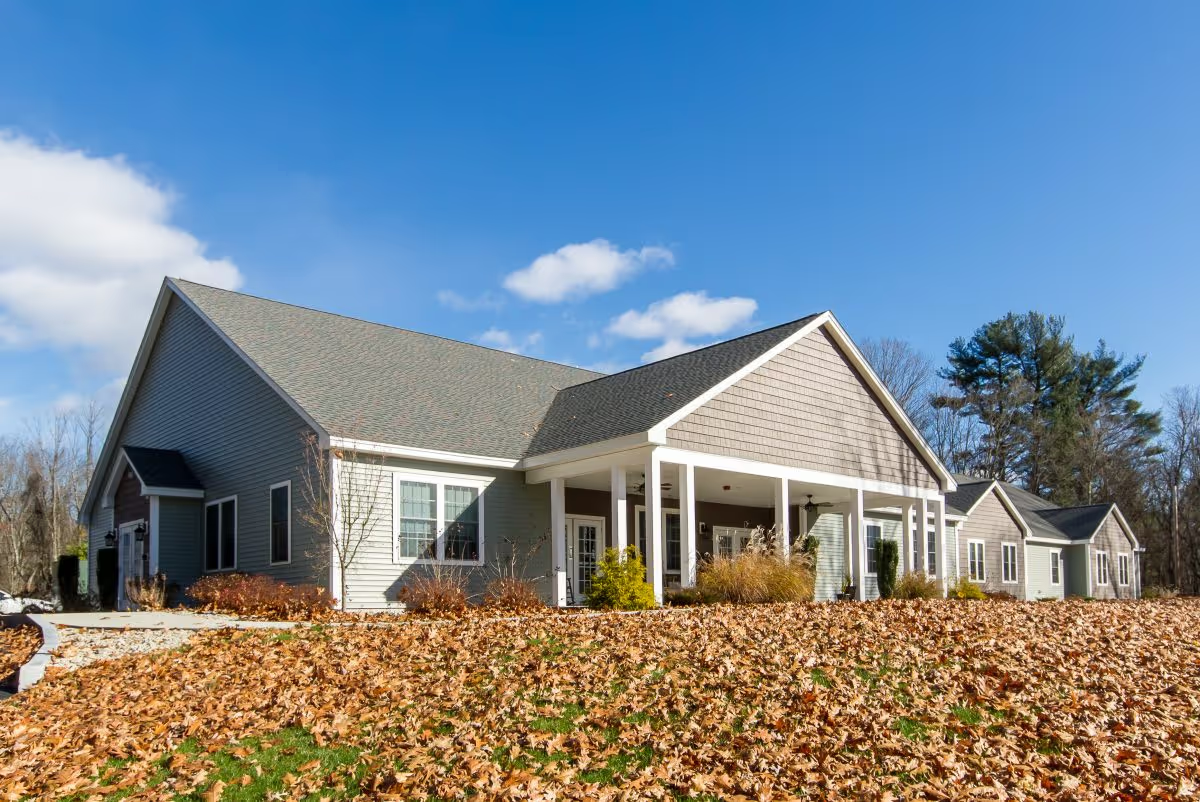
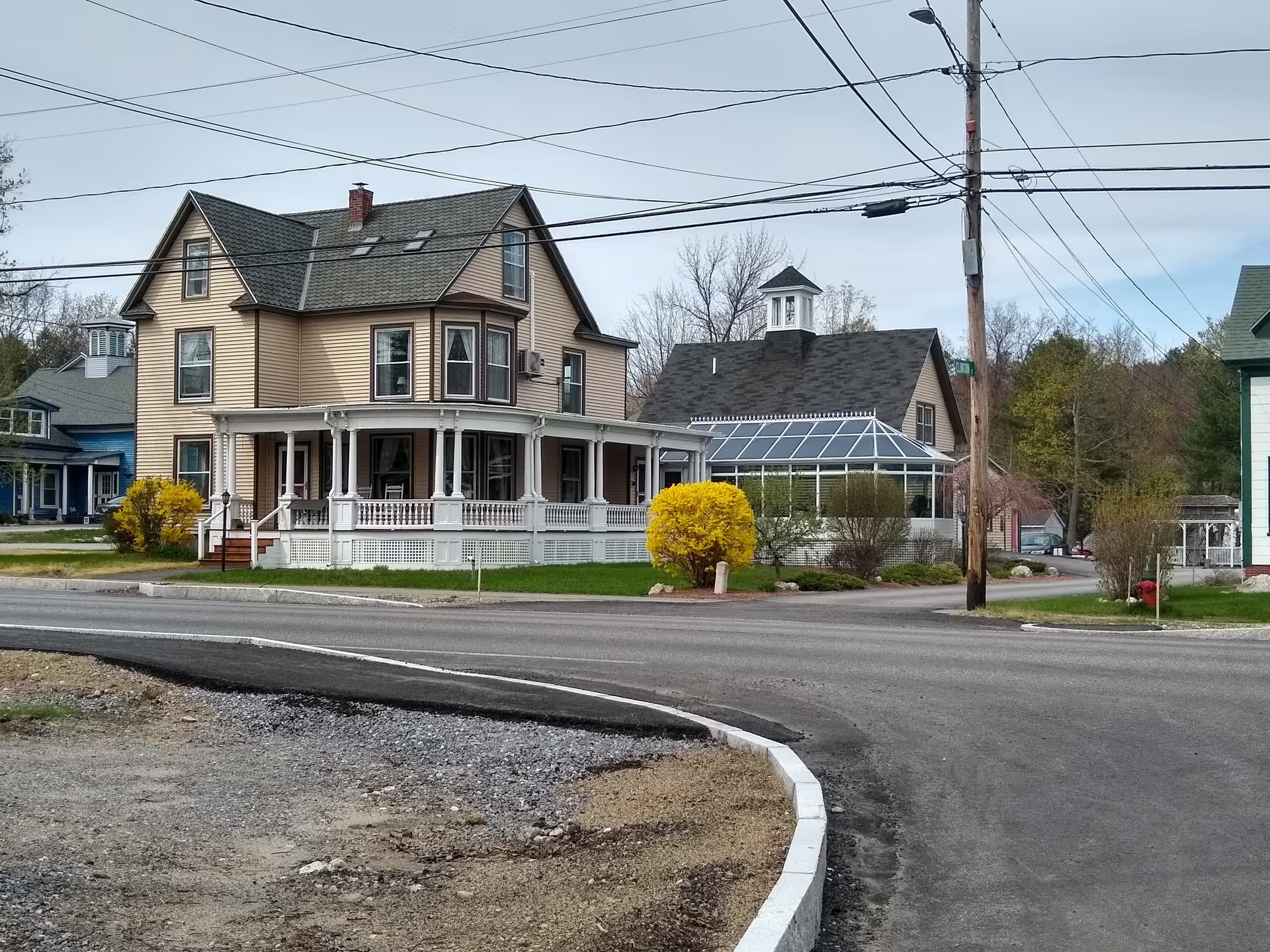
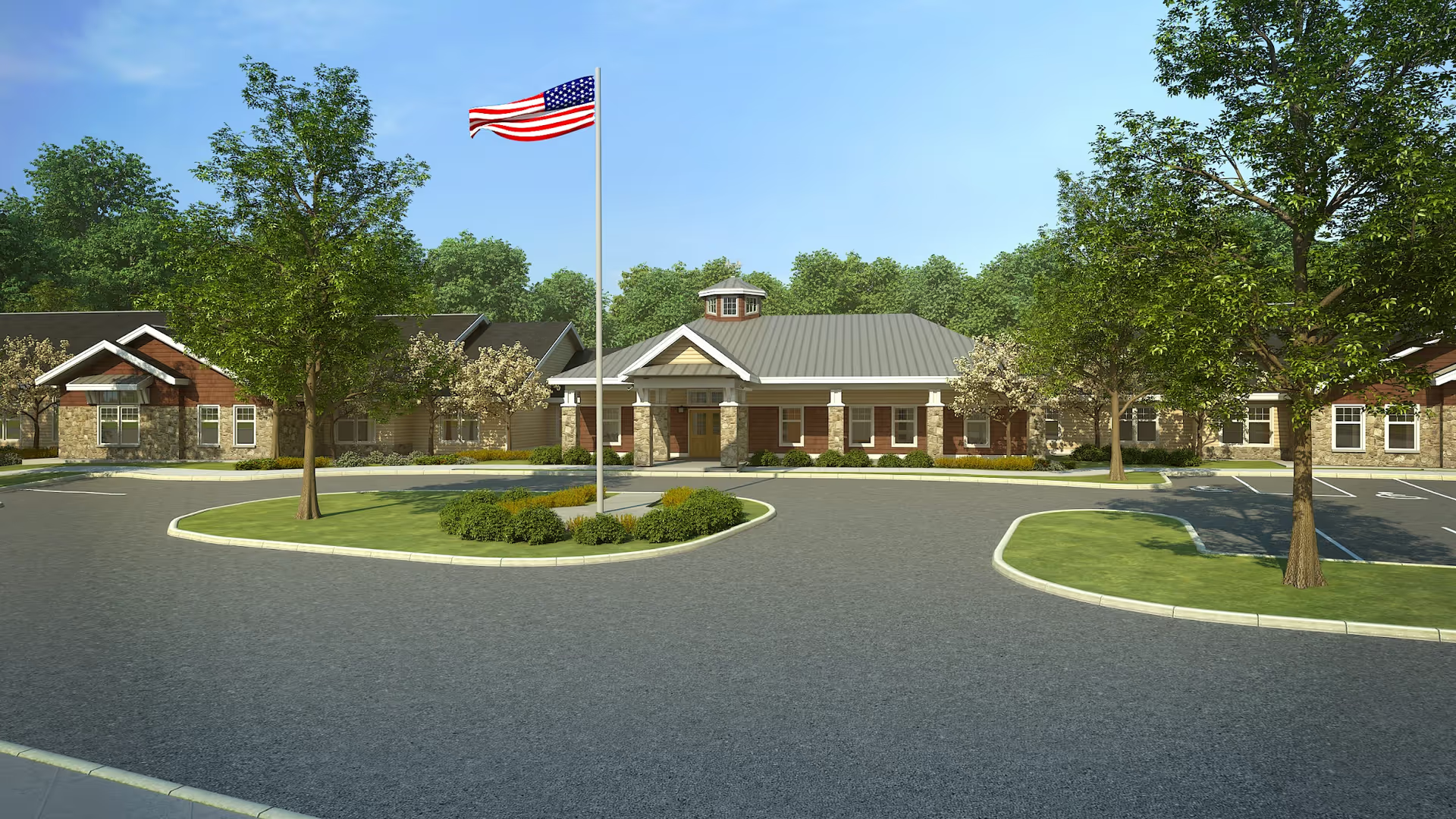
The Arbors of Bedford elicits strongly polarized impressions. Many families describe a warm, family‑like culture delivered by compassionate direct‑care staff and activity teams who know residents by name and provide individualized engagement, particularly in memory care neighborhoods. The community’s physical environment and programming draw consistent praise: bright common areas, large rooms, attractive courtyards, pet visits, and an active calendar of social and therapeutic offerings are commonly cited as strengths. Several reviewers also highlight experienced nurses and long‑tenured aides, 24/7 nursing availability in some units, and thoughtful admissions and move‑in support that ease transitions.
Alongside these positives there are recurring operational weaknesses. Staffing consistency emerges as a central concern: families describe chronic understaffing, signs of caregiver burnout, and frequent turnover in both frontline roles and leadership positions. These workforce challenges are associated with variable training (including dementia‑care competencies), inconsistent documentation practices, and lapses in medication‑management workflows — all of which erode reliability of day‑to‑day clinical care for some residents.
Dining and environmental systems are another mixed area. Some residents and families find the food adequate and appreciate choice at meals, while others point to inconsistent meal temperature and quality, repetitive menus heavy on processed items, and limited fresh produce. The physical plant also shows signs of aging: reviewers cite unreliable HVAC and temperature control, intermittent phone/cable/Internet outages, and occasional maintenance delays. Housekeeping and sanitation practices are uneven across the community; odor concerns and variable cleaning frequency in certain rooms or bathrooms were described.
Management and corporate oversight receive divergent assessments. Several onsite leaders and executive directors are praised for hands‑on involvement and good communication, yet there are frequent notes about corporate unresponsiveness, leadership turnover, contractor coordination problems (pharmacy and outside services), and questions around billing transparency. Serious, individual allegations — including loss or unauthorized disposal of personal property, and concerns following resident deaths and infection‑control events — appear in reviews and have contributed to family distress; these items suggest families should ask pointed questions about property safeguards, incident escalation, and infection‑control protocols.
For prospective families: the Arbors offers clear strengths in memory‑care programming, a welcoming physical environment, and many dedicated caregivers who deliver compassionate daily support. At the same time, variability in staffing, training, clinical documentation, housekeeping, and building systems suggests due diligence is important. During a visit, consider asking about current staffing ratios and turnover, dementia‑care training, medication‑management and incident‑reporting protocols, housekeeping schedules, HVAC maintenance plans, menu cycles and sourcing of fresh produce, security/safety checks for rooms and outdoor areas, pharmacy and contractor relationships, and a detailed summary of fees and billing practices. Observing a mealtime and an activity, and requesting recent state inspection or deficiency information, can help families weigh the community’s strengths against the operational concerns described here.