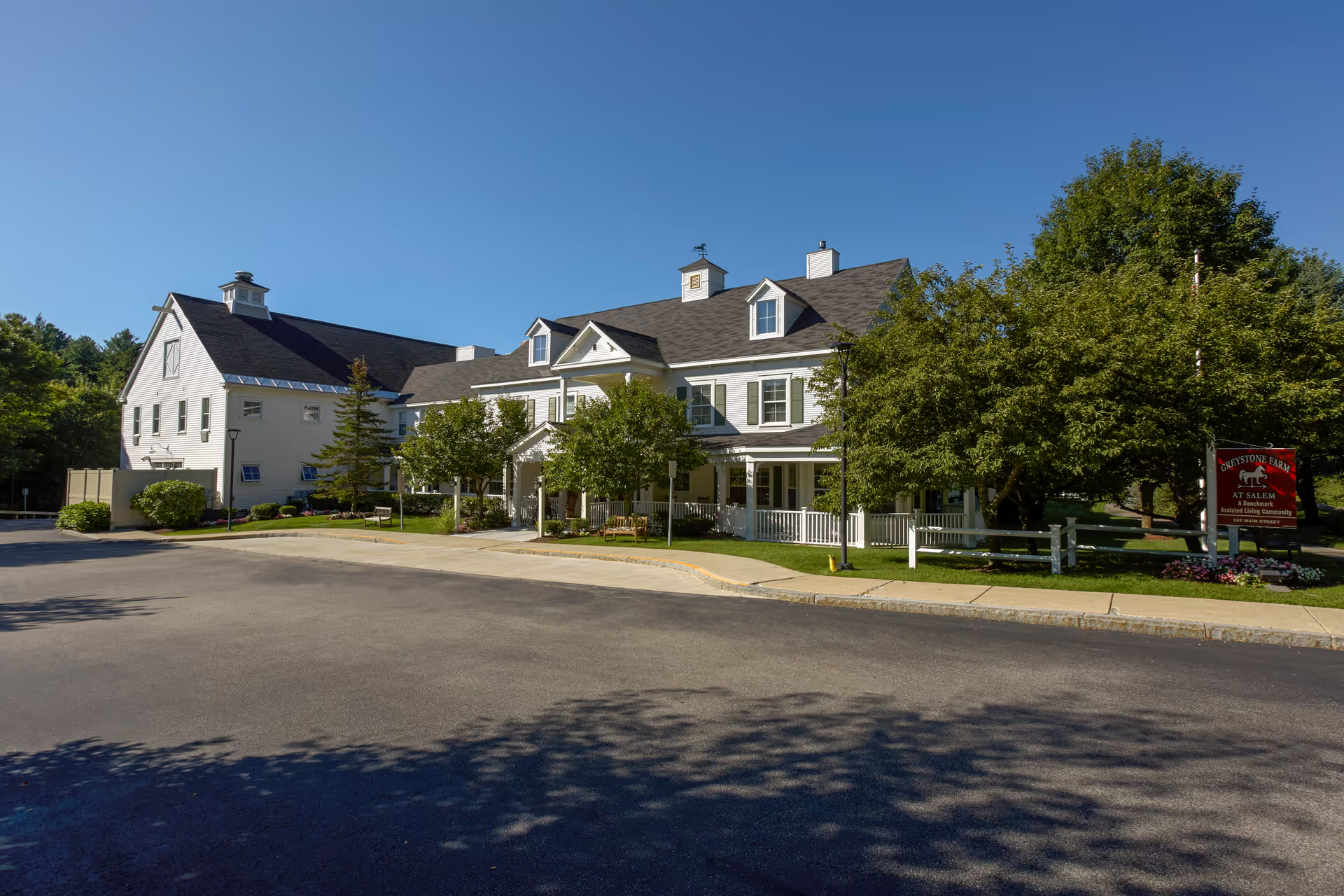
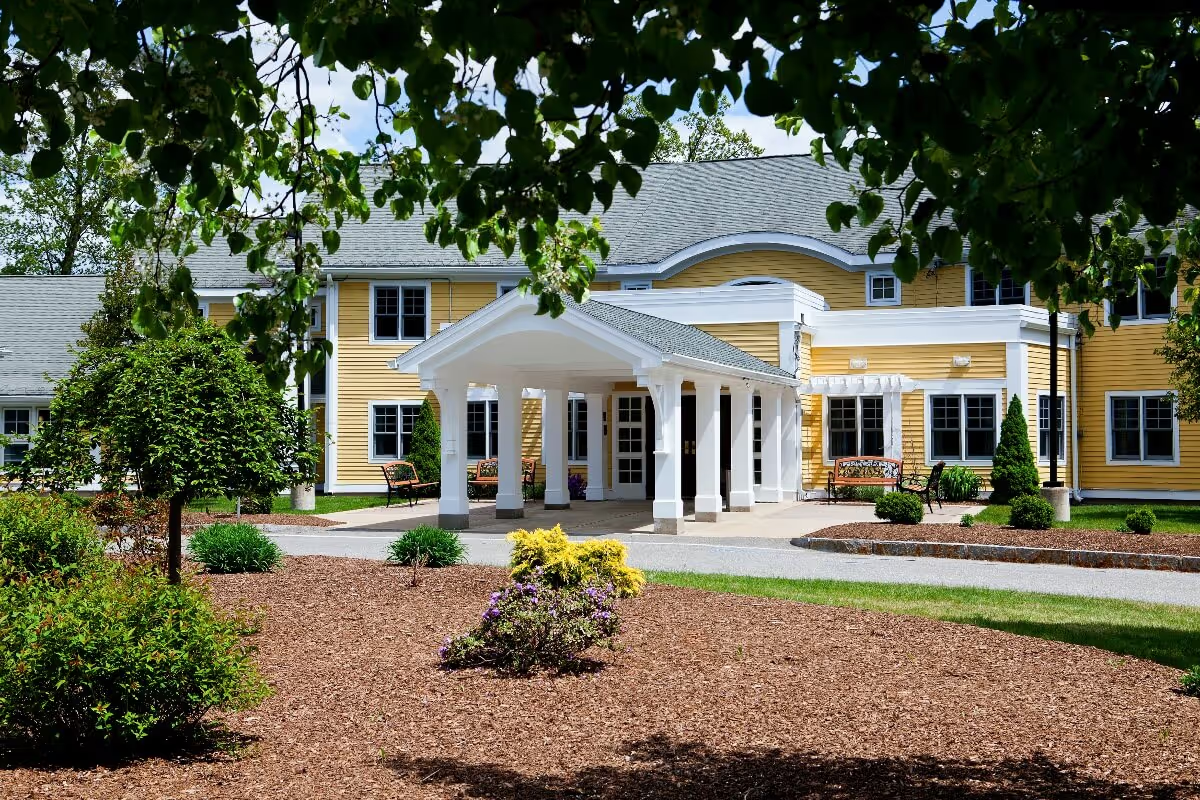
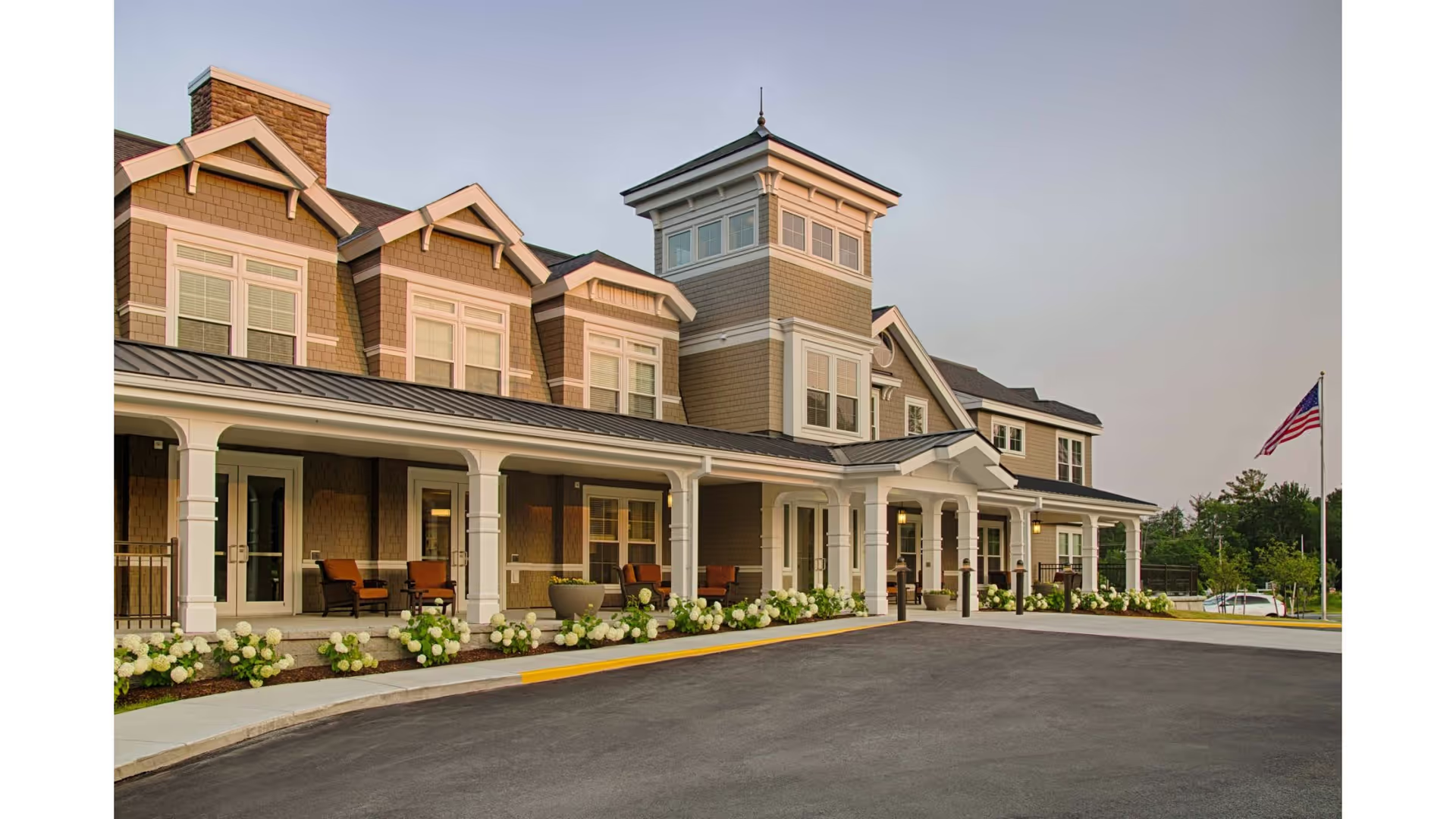
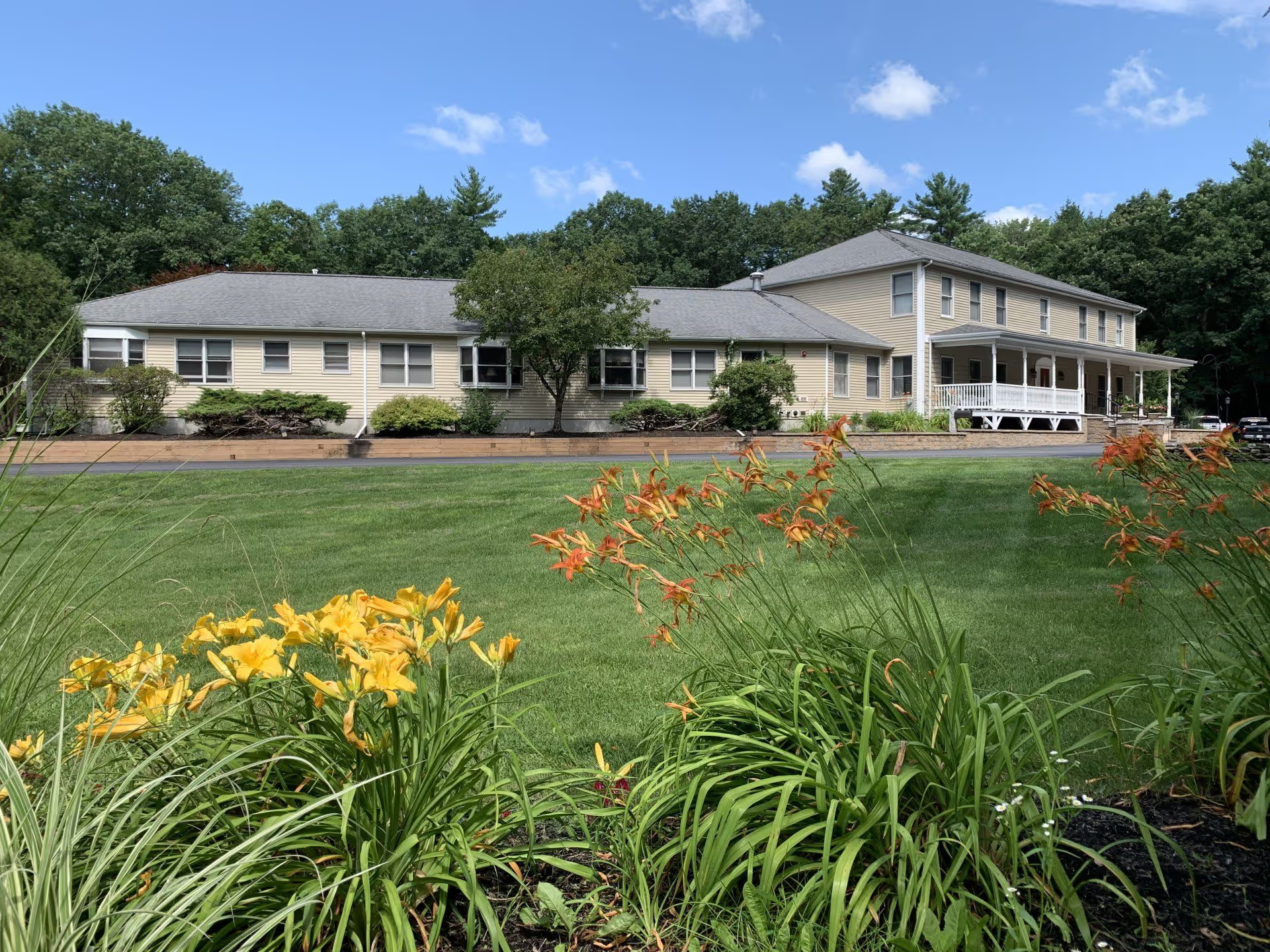
Holiday Birch Heights presents as an independent‑living community with many operational strengths alongside recurring organizational weaknesses. Strengths most often cited include an engaged local staff, bright and updated apartments, well‑maintained grounds, and a broad set of on‑site amenities (salon, library, game rooms, chapel, exercise spaces). The facility offers a mix of apartment types (studios through two‑bedrooms), balconies or courtyard views in many units, and included services such as weekly housekeeping, laundry, Wi‑Fi/cable, and regular shuttle transportation that support independent residents.
Staff and care: Local staff consistently receive strong praise for being attentive, friendly and responsive; families and residents describe individualized attention, helpful move‑in support, and active outreach from front‑desk and activities personnel. At the same time, reviewers identify operational staffing shortages and turnover as recurring problems that affect service consistency. Clinically, Birch Heights positions itself as independent living rather than an assisted‑care provider — on‑site clinical resources such as rehab coordination and occasional wound‑care support are available, but there is no sustained nursing presence. Prospective residents with progressive care needs should plan to arrange private caregiving or consider a higher‑acuity setting; reviewers expressed concerns about medication‑management processes and limited in‑house clinical staffing for residents who require more assistance.
Dining: Dining is a focal point of resident life. Many describe the dining room as attractive and restaurant‑style, with chef‑prepared meals, three regular meals a day, and an active social atmosphere. Others note inconsistency: food quality and portion sizes vary, therapeutic options (for example, diabetic or lower‑sodium menus) are sometimes limited, and meal service can be slow or constrained during staffing shortages or lockdowns. Several reviews also flagged extra fees tied to meal delivery and limitations on bringing meals to rooms. Families should verify current menu variety, accommodation of special diets, and any meal‑related fees during the tour.
Activities and social life: The activities program is widely regarded as robust and varied. Residents have access to daily programs (exercise classes, arts and crafts, games, movie nights), frequent outings, religious services, and specialty events. Many reviewers highlight strong opportunities for socialization and a real sense of community, though a few noted a cliquey social environment that may not suit every incoming resident. Activity staffing and program delivery have, at times, been affected by pandemic restrictions and staffing levels; prospective residents should ask about current scheduling and resident involvement opportunities.
Facilities and operations: The property is generally described as clean and well kept, with attractive landscaping and walkways. However, architectural and operational constraints recur in feedback: a single small elevator serves multiple floors and is frequently cited as a mobility and convenience bottleneck, particularly at mealtimes or during elevator outages. Parking capacity—especially covered garage parking—appears limited and waitlisted, with winter outdoor parking required for some. Housekeeping consistency varies; while common areas receive positive remarks, some units and bathrooms have experienced sanitation and odor concerns. Maintenance responsiveness is uneven in some reviews, and renovation or remodeling projects have affected certain shared spaces (for example, changes to chapel access).
Management and financial patterns: Local staff and on‑site managers are often praised for their compassion and hands‑on support. At the organizational level, reviewers point to corporate communication and billing friction: rent increases, perceived bait‑and‑switch pricing, deposit refund delays, and unclear fee disclosures have emerged as consistent concerns. Families advised exercising due diligence on contract terms, refund policies, and any additional fees for care or services that may be billed separately.
Overall impression and recommendations: For independently mobile seniors who value a social community, varied activities, and convenience services (dining, transportation, housekeeping), Birch Heights offers many positive features and a welcoming daily environment. However, prospective residents with progressive care needs, complex dietary requirements, or high dependency on prompt maintenance and clinical staffing should evaluate whether the facility’s independent‑living model and current staffing levels meet those needs. During a visit, focus questions on elevator reliability and contingency plans, therapeutic‑diet accommodations, staffing ratios and turnover, parking availability, fee disclosures, and the procedures for arranging private care or medication assistance. These checks will help families balance the strong local staff and amenities against the operational limitations noted across resident experiences.