Assisted Living at Pine Hill Retirement Home is consistently described as a small, home-like facility with a strong emphasis on personalized care. Families and residents highlight a caregiving team that is attentive, emotionally engaged, and willing to accommodate individual needs; reviewers frequently cite staff who provide close bedside support, coordinate medications, and remain involved during end-of-life and hospice periods. Management and owners are portrayed as hands-on and responsive, contributing to a sense of continuity and peace of mind for families.
Dining and daily life are presented as strengths. Meals are prepared on-site in a family-style manner and are commonly called out as enjoyable; food quality and the kitchen setup support a homelike dining experience. Activities programming appears active for the facility’s size, including games, regular exercise, library visits, and outings, which foster social bonds and meaningful interactions among the small resident population.
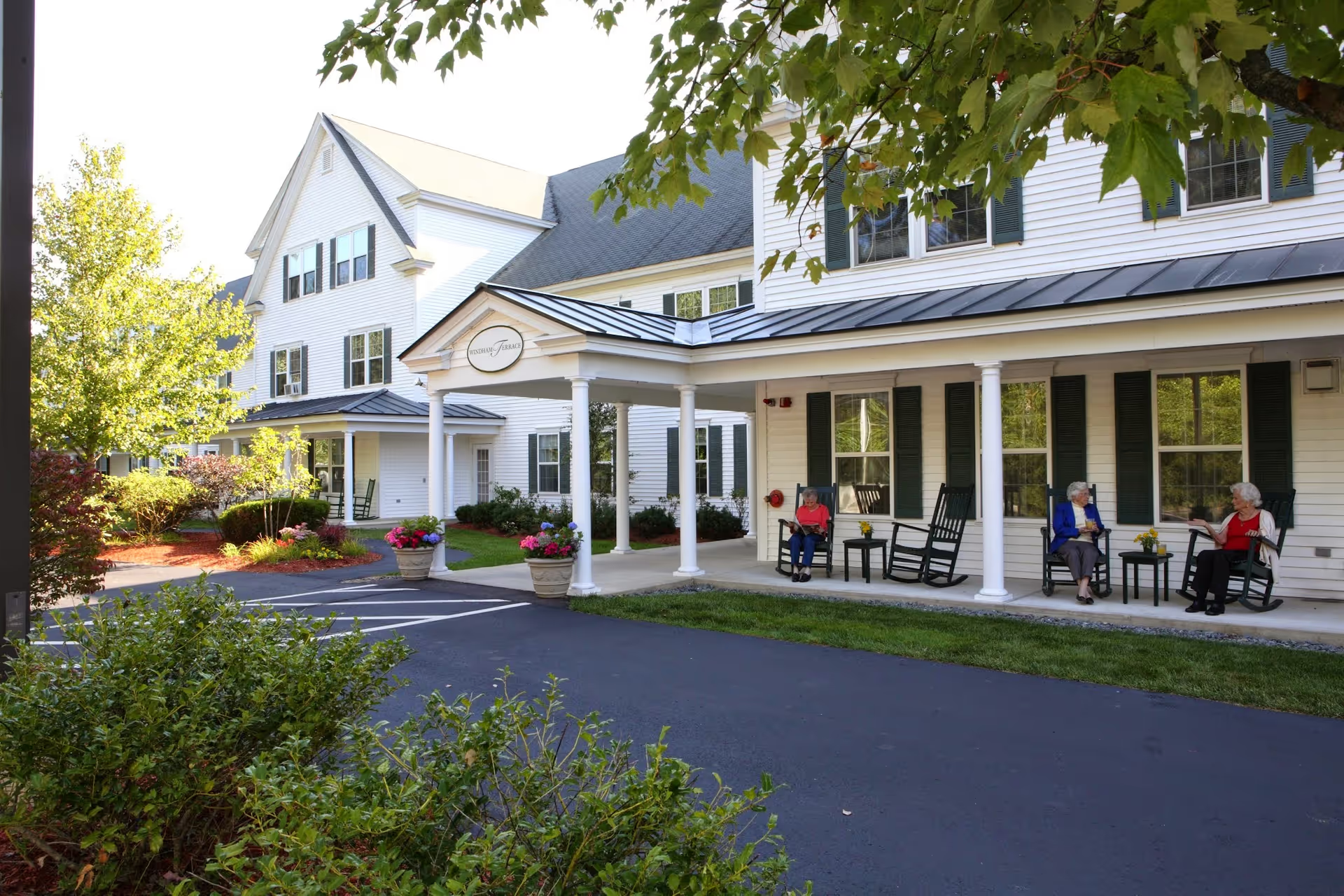
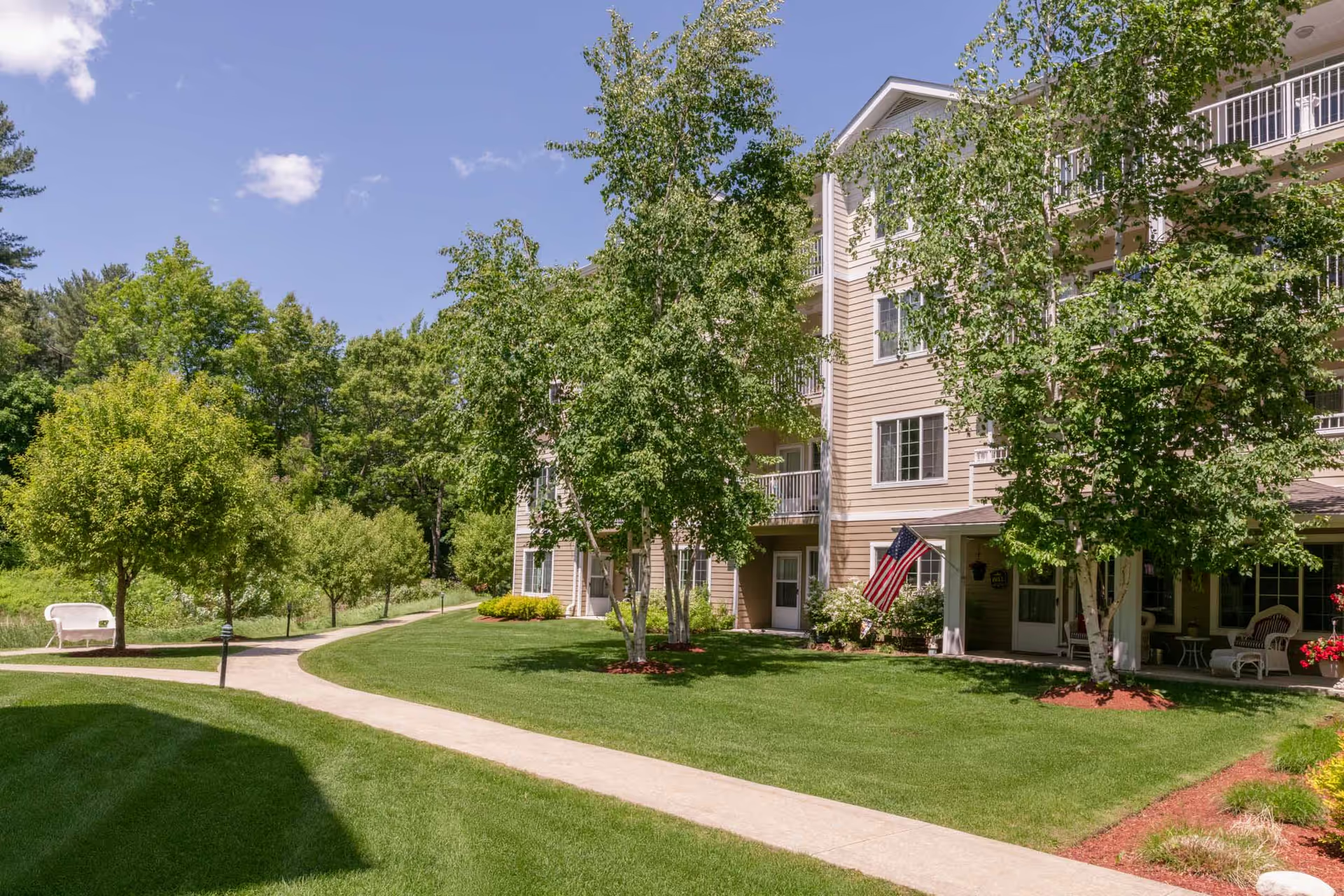
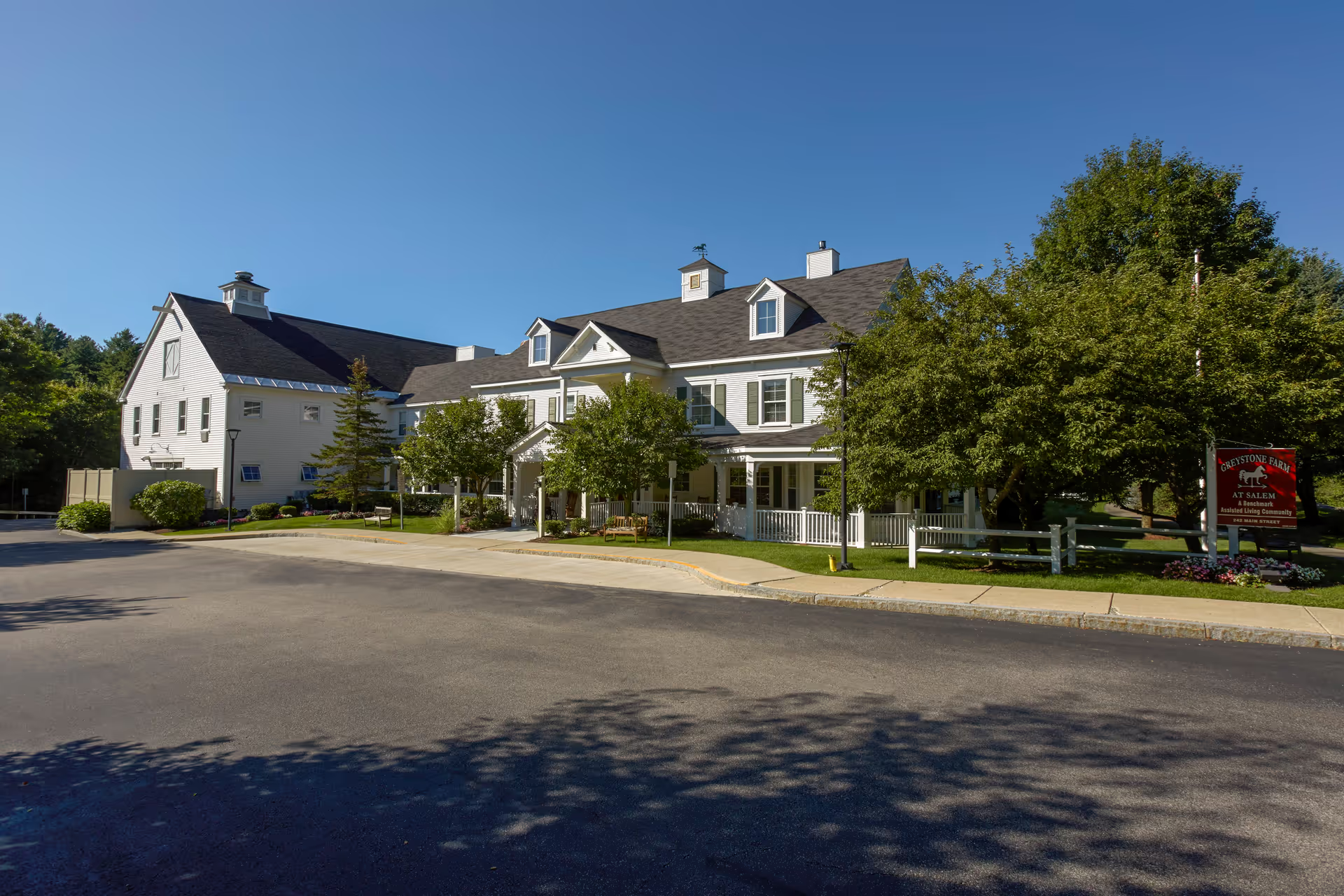
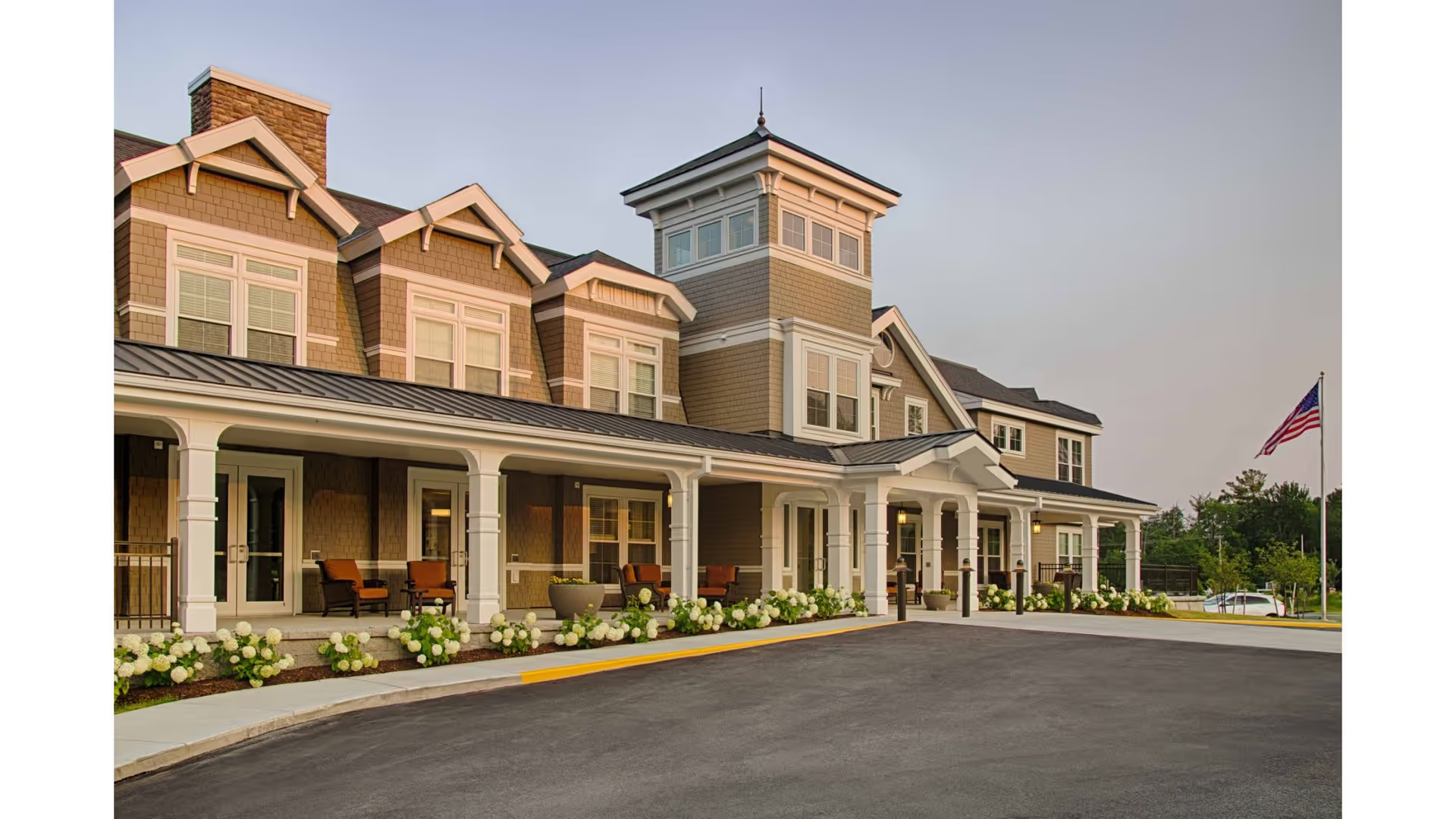
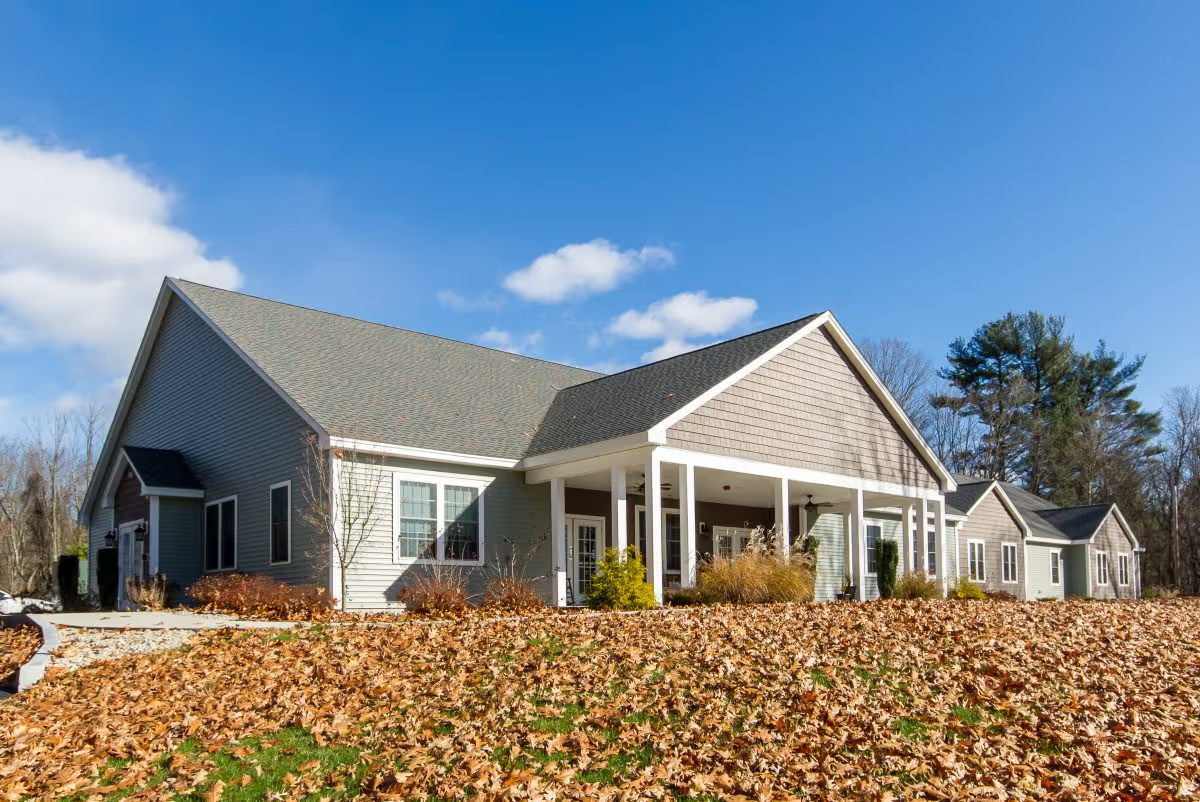
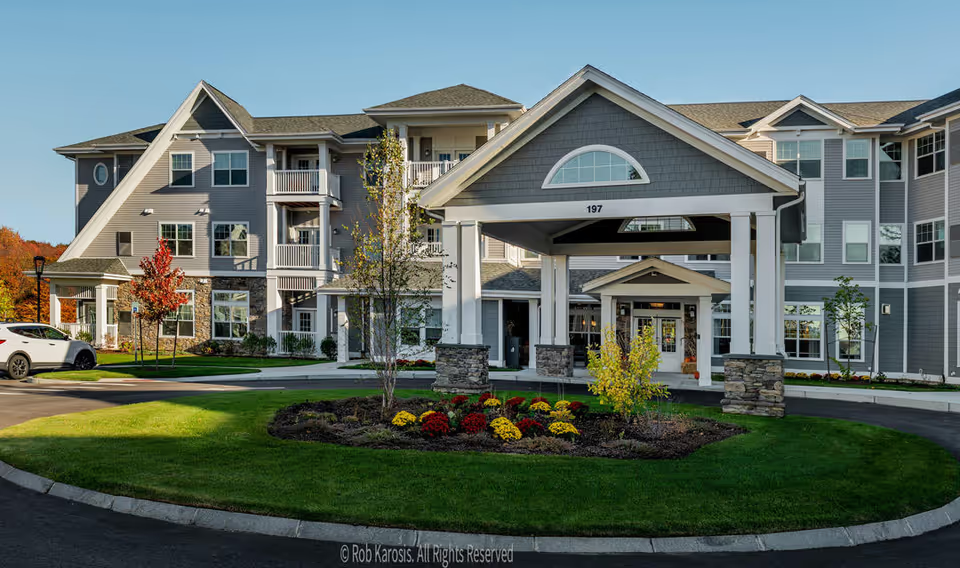
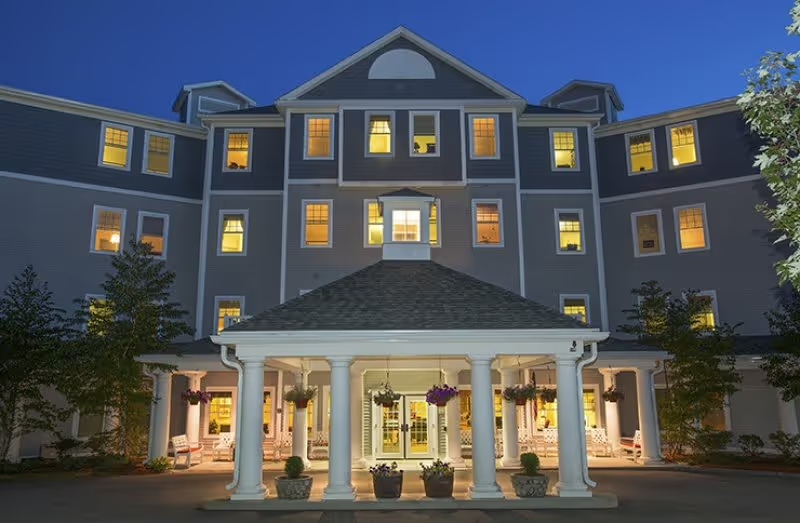
The facility’s scale and setting define much of its character. Pine Hill is described as a close-knit community with landscaped, wooded grounds and private, often spacious rooms that reinforce a residential rather than institutional feel. Reviewers value the intimate environment and the personal relationships that develop among residents and staff. Cleanliness and recent interior refreshes are noted, and low staff turnover is repeatedly cited as a stabilizing factor.
Operational limitations are consistent with the facility’s older, small-house model. The building is described as dated in places and lacking full climate control, which may affect comfort during warm periods. Physical accessibility is constrained by stairs and a compact layout; while adaptations such as a riding chair are present, the environment may not meet the needs of residents requiring extensive mobility accommodations or frequent outdoor wheelchair excursions. Some room types have shared bathroom arrangements rather than ensuite facilities. Reviewers also mention the absence of standardized staff identification (no uniforms or name tags), which can make it harder for visitors and new residents to distinguish staff. Ancillary costs—especially transportation—are noted as an extra expense, and the facility’s gender-specific residency model may limit suitability for some applicants.
Overall, Pine Hill appears well suited for prospective residents who prioritize personalized, family-style caregiving, home-cooked meals, and a quiet, wooded setting at a reasonable cost. Prospective residents and families should weigh those strengths against infrastructure and accessibility limitations, climate-control considerations, and the facility’s small scale when determining fit for higher-dependency care needs or preferences for more modern amenities.