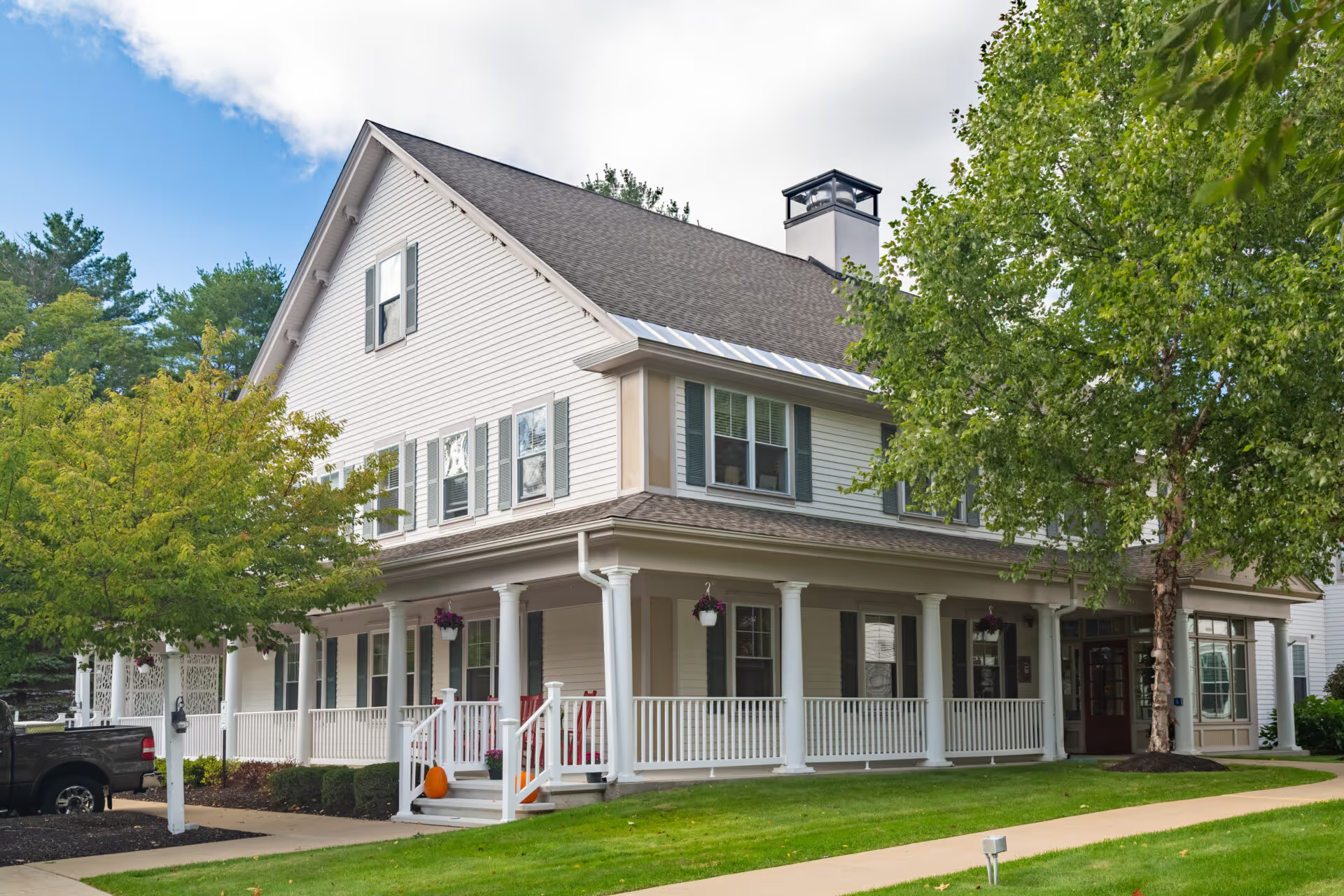
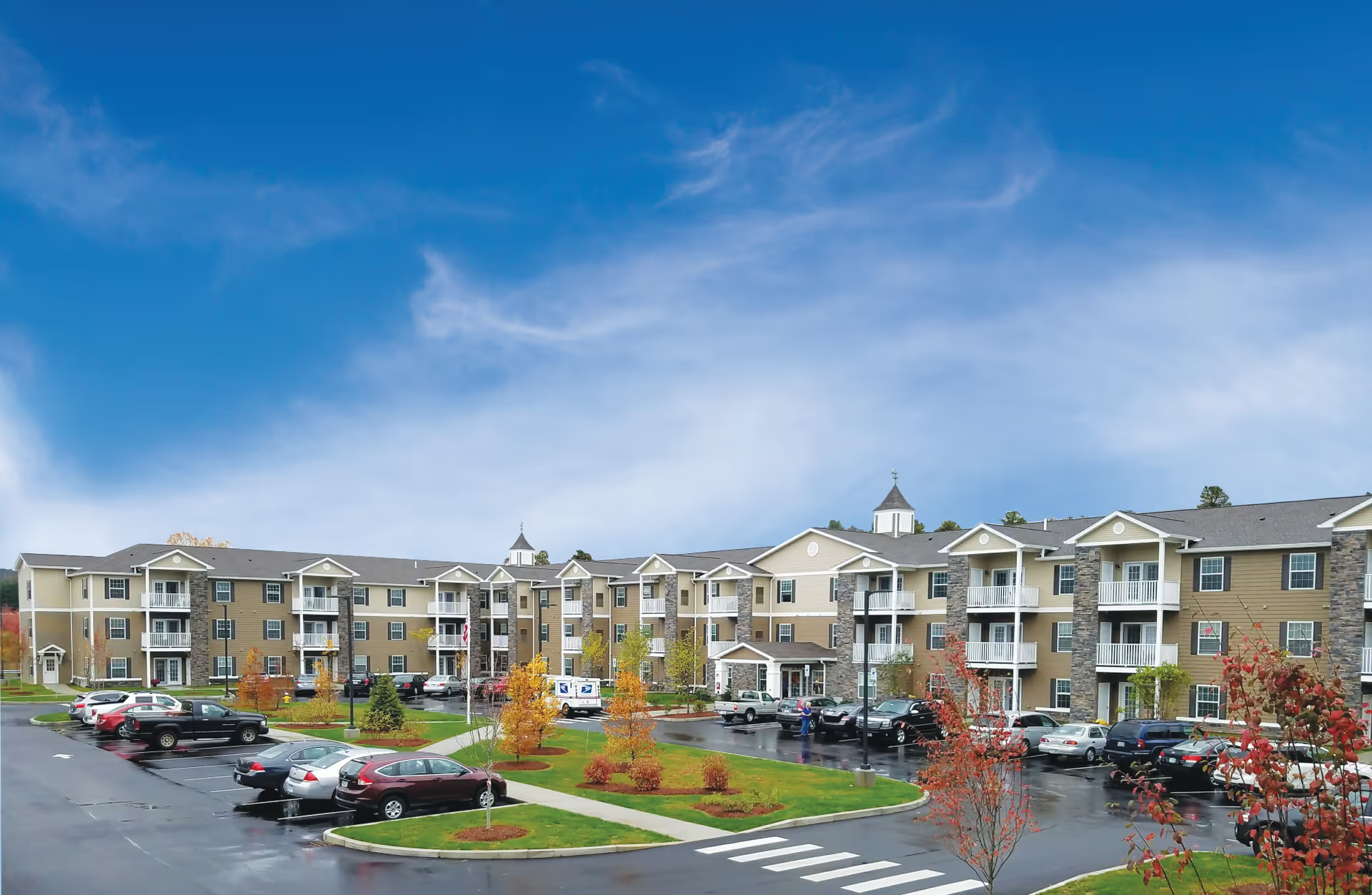
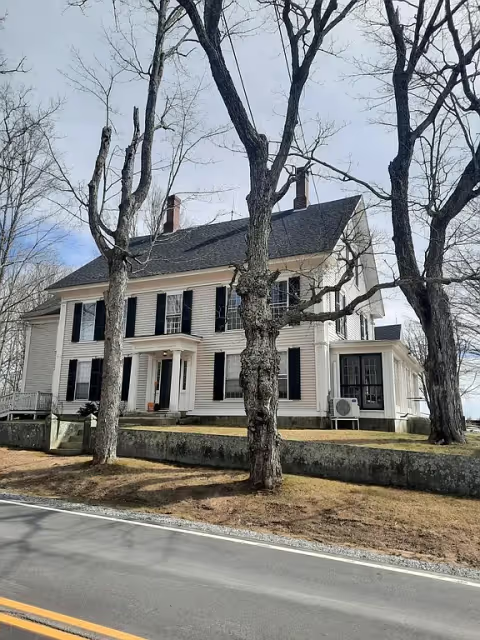
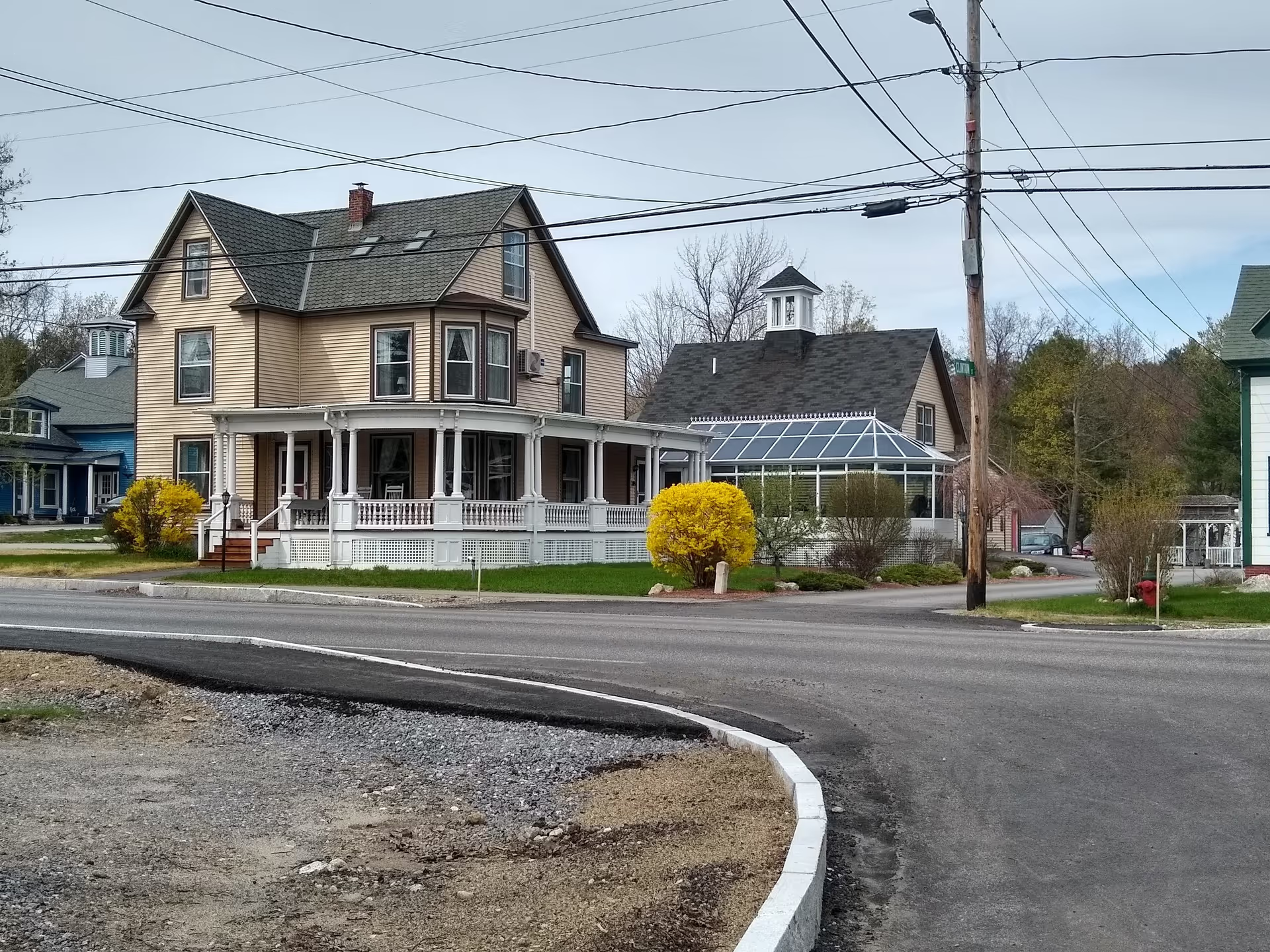
Overall impression: Granite Ledges of Concord is frequently described as a warm, homelike assisted‑living community with strengths in staff engagement, dining, and activity programming. Many family members and residents describe staff as kind, humorous, and attentive, and highlight clear, proactive communication from the team—particularly during the COVID period. The facility’s location on a hospital campus, attractive interior and exterior spaces, and private apartment layouts contribute to a reassuring, small‑community feel that many residents find comforting.
Care and staff: The dominant theme across feedback is that staff are caring and invested in residents’ wellbeing. Reviewers emphasize individualized attention, staff who take time to know residents, and responsive family communication. These strengths appear to support positive transitions, social connection, and caregiver peace of mind. At the same time, reviews indicate variability in staff conduct and performance: examples include concerns about tone with dementia residents, occasional delays in clinical responsiveness, and uneven adherence to medication protocols. These observations point to operational inconsistencies rather than a uniform standard of care; families considering the community should ask about staffing ratios, training for dementia care, and medication-administration procedures during tours.
Dining and nutrition: Dining is widely cited as a positive—restaurant-style service, diverse menus, in-house baked desserts, and an upgrade in meal quality compared with other local options. The program appears to emphasize social dining and choice. Conversely, there are indications that dietary accommodations are not always consistently honored and that family-style dining or communal kitchen access promised at move-in have at times been restricted. Prospective residents should confirm specific dietary and communal-meal arrangements and how special diets are managed.
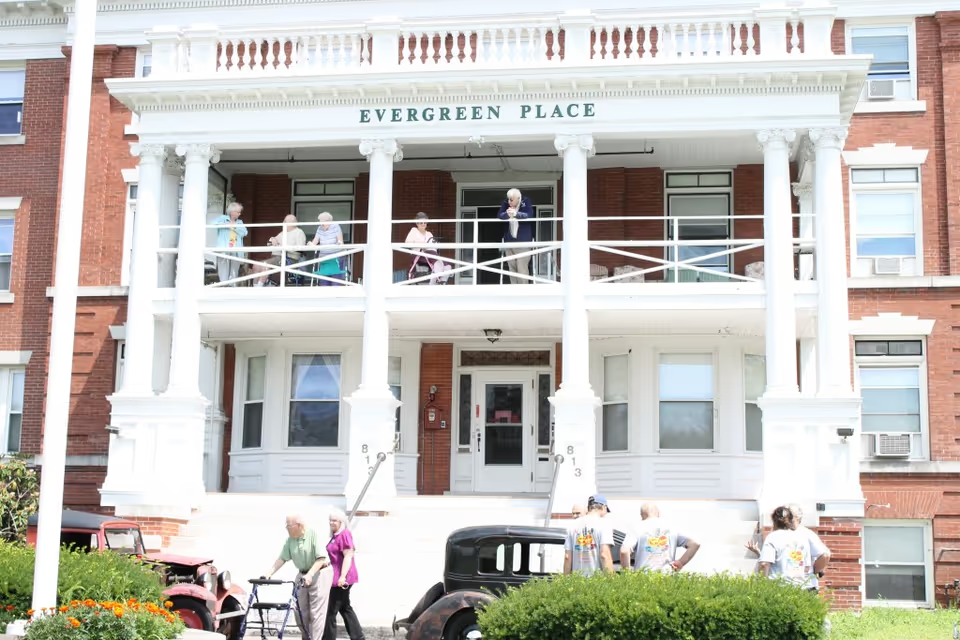
Activities and social life: Activity offerings are a clear strength: live music, gardening, exercise classes, Bingo, outings, and volunteer-friendly roles for residents create many engagement opportunities. The community’s raised beds, walking trails, and themed events reinforce a lively social environment. However, activity quality and perceived enrichment appear to vary; some families experienced highly meaningful programming while others described limited stimulation. Ask about the weekly activity calendar, frequency of off-site trips, and how activities are adapted for cognitive impairment.
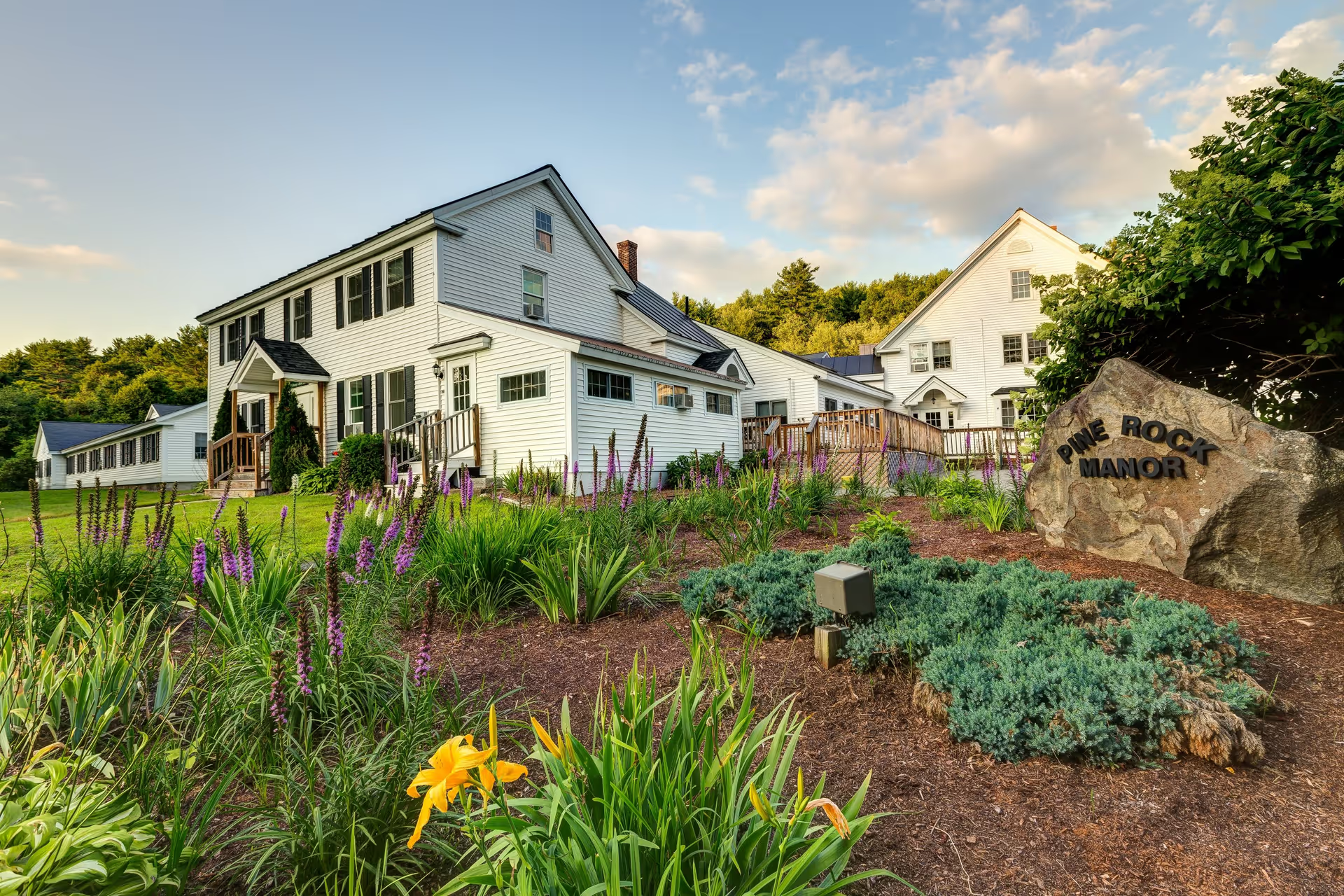
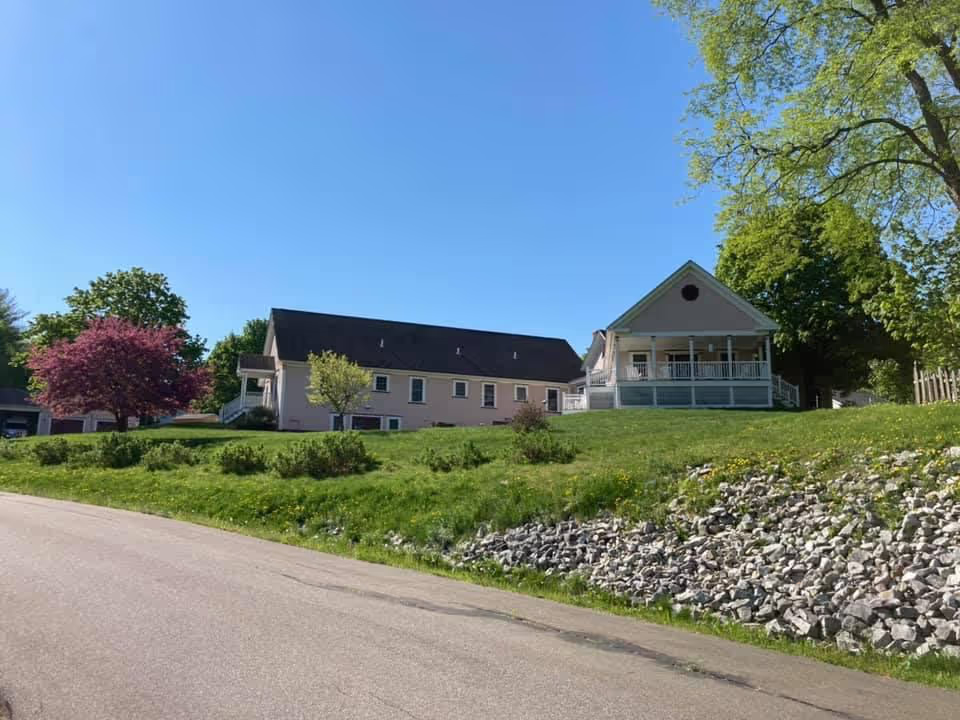
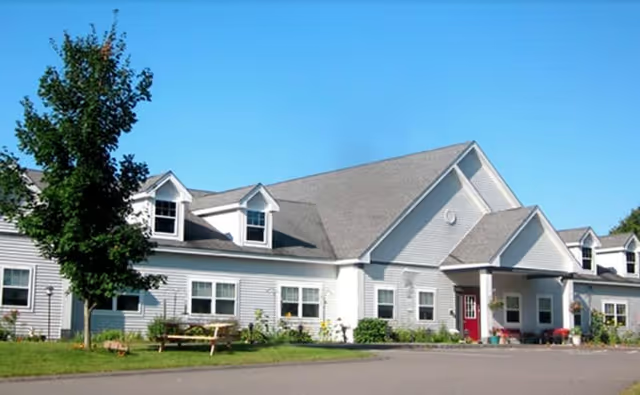
Facilities and amenities: The facility’s aesthetics, cleanliness, and grounds are repeatedly praised—people note bright common areas, sizable dining spaces, library and salon amenities, and accessibility for medical appointments. The small-community scale and pet policy are additional draws. Practical considerations include parking constraints and the size of some rooms; visitors should evaluate unit layouts and parking access relative to their needs.
Management and operational patterns: Communication from leadership is often described as clear and helpful, with examples of staff going above and beyond and proactive updates to families. Nonetheless, reviews highlight operational weaknesses: administrative/documentation lapses, inconsistent follow-through on promised services, and challenges with medication-management procedures. There are also mentions of serious, isolated allegations concerning care for vulnerable residents; these claims merit targeted questions about oversight, incident investigation processes, and regulatory history during a family’s evaluation of the community.
Bottom line: Granite Ledges presents many attributes that appeal to families seeking a small, activity-rich assisted‑living setting with strong dining and a caring staff. The most important due diligence for prospective residents is to probe operational consistency—specifically staffing stability and training, medication and dietary protocols, administrative reliability, and safeguards for residents with higher acuity or advanced dementia—to ensure the community’s strengths are consistently applied to an individual’s care needs.