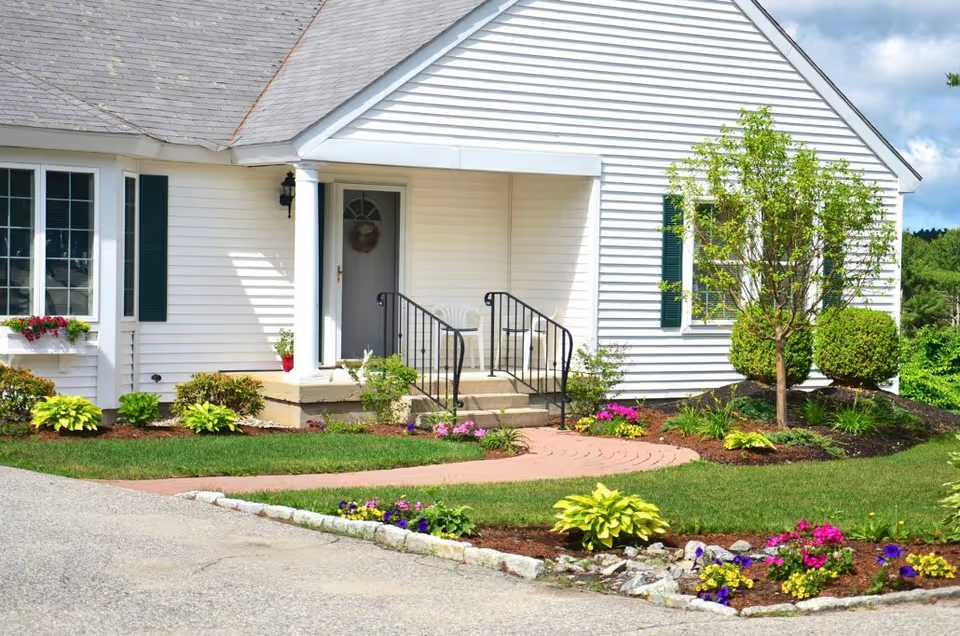
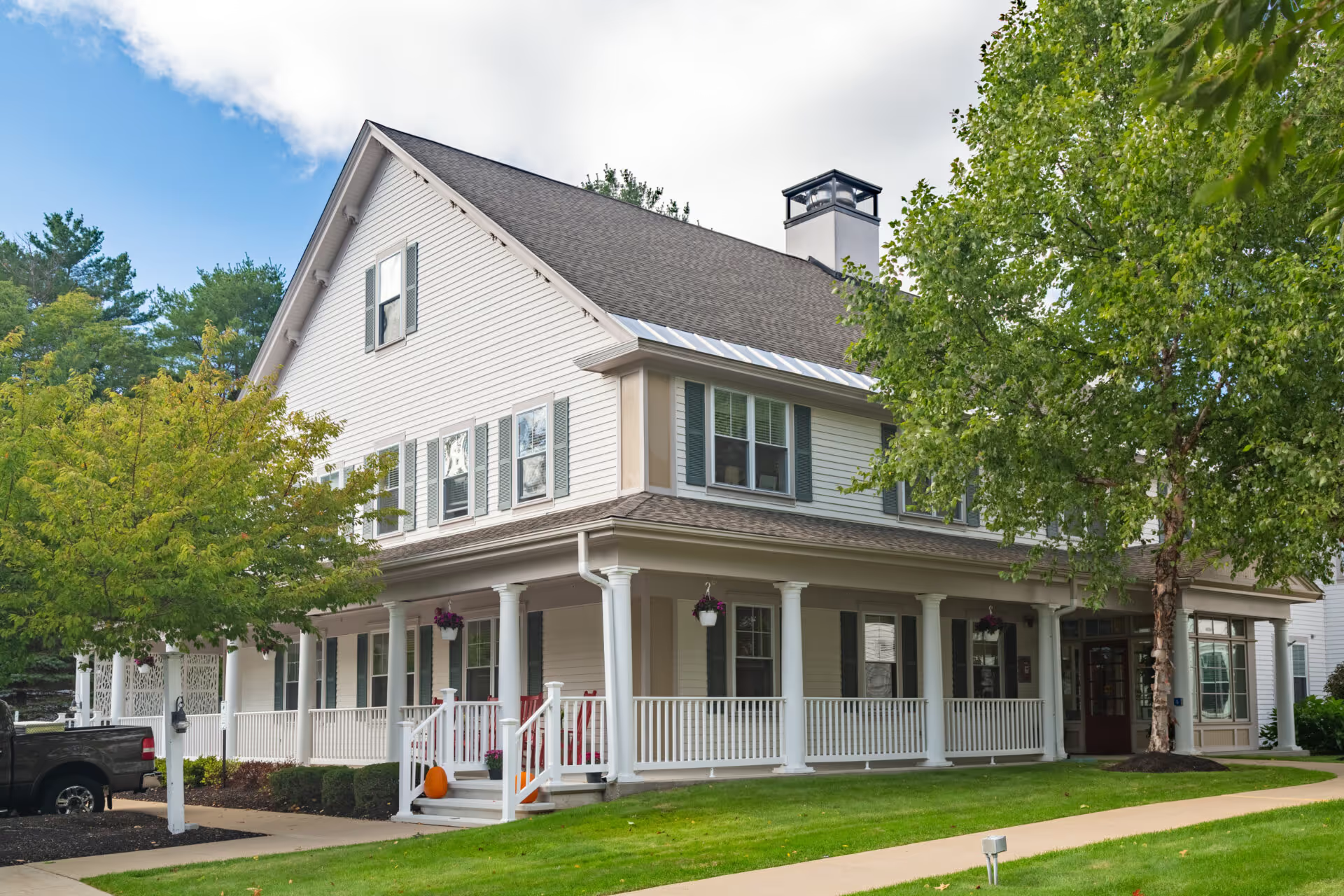
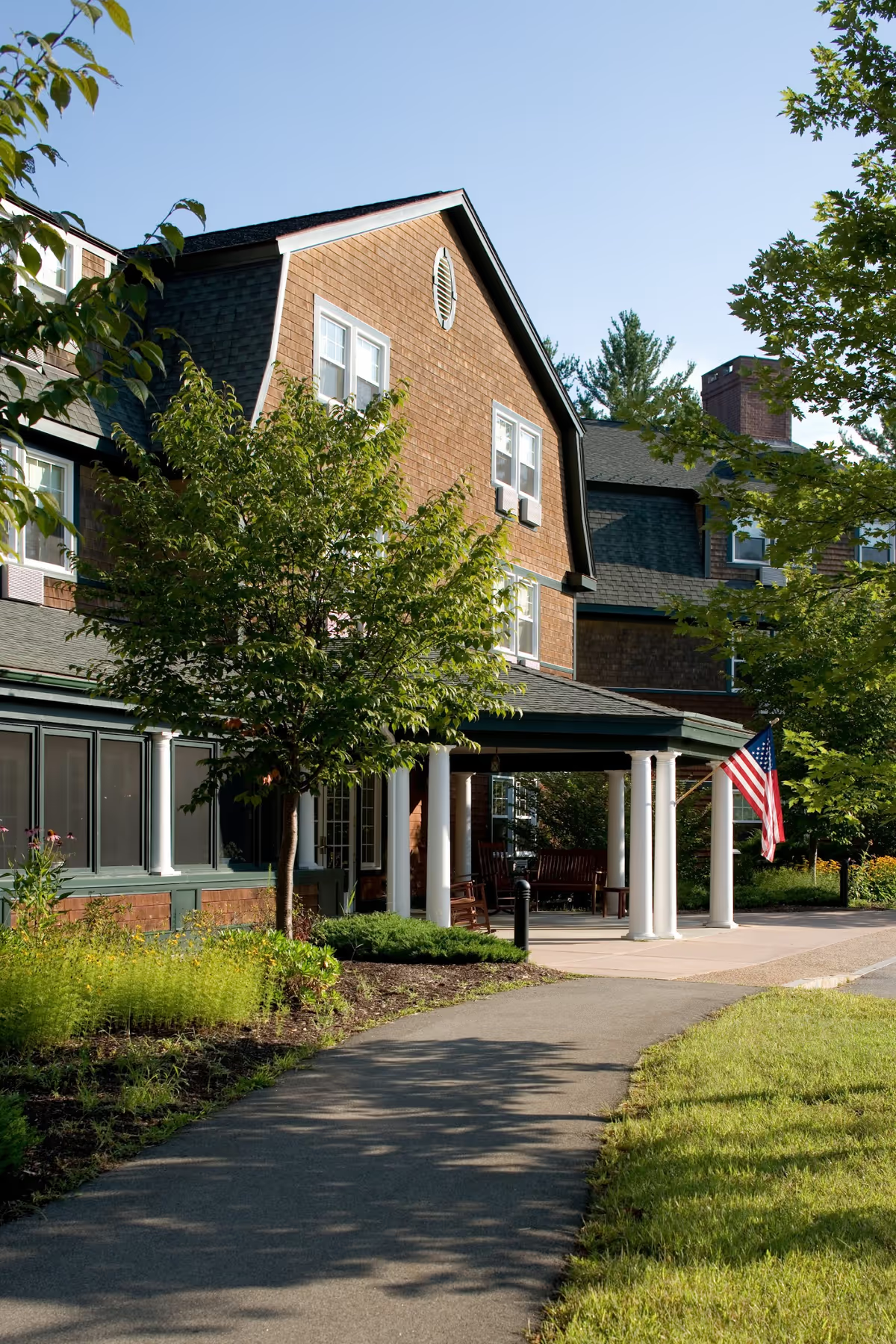
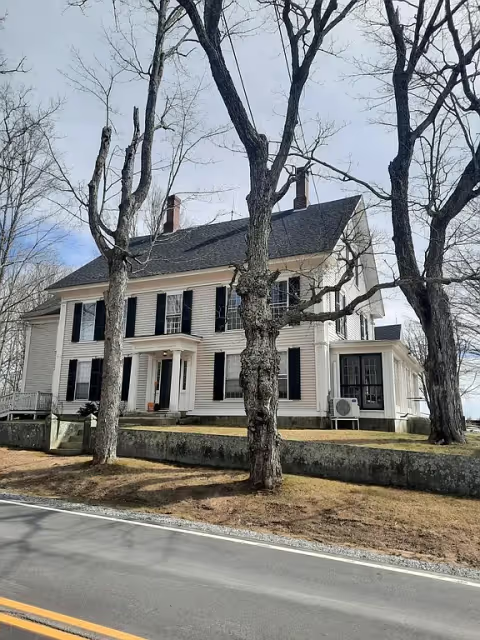
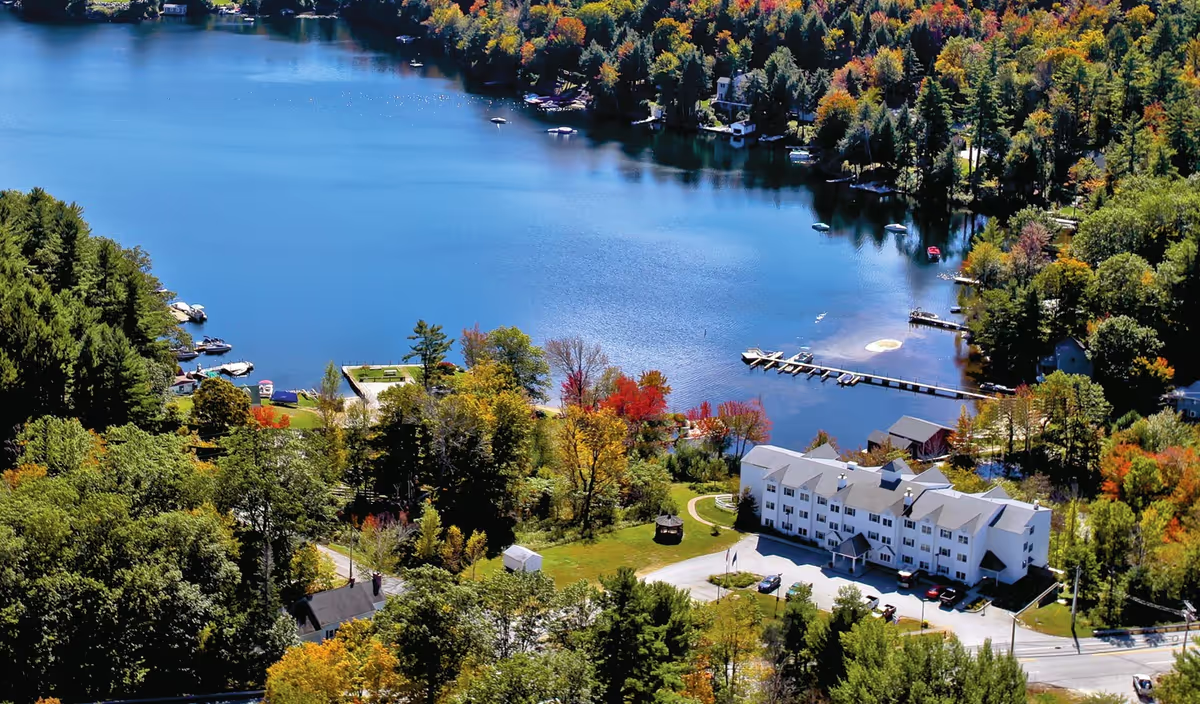
Pine Rock Manor presents a mixed but largely community-oriented picture. Many families describe a warm, home-like environment supported by staff who are compassionate and engaged; the property’s colonial, rural setting and multiple common spaces (including a central courtyard, large living rooms, and music/activity areas) contribute to a noninstitutional atmosphere. The facility is frequently praised for its memory-care programming, structured activities, music and worship offerings, and daily opportunities for outdoor walks. Dining receives generally positive feedback for quality and aroma, and residents are commonly described as well groomed and socially engaged.
Staff strengths are a recurrent theme: reviewers note respectful, attentive caregivers, accessible nursing leadership, and staff who learn residents’ names and histories. Management and admissions staff receive positive mention in many accounts for responsiveness and hands-on problem solving. The level-based care model and personalization of care plans are viewed as beneficial, particularly for residents with dementia. Several accounts emphasize affordability and perceived value, along with a sense of safety provided by locked memory-care areas and secure outdoor spaces.
At the same time, several operational concerns recur across reviews. Staffing consistency is a notable issue: families describe uneven coverage, particularly on weekends, and practical gaps in caregiver continuity. These workforce variabilities link to broader clinical-process concerns, including examples of delayed wound and incontinence follow-up and difficulty reaching physicians in some cases. Reviewers also raised sanitation and odor concerns in particular areas, and noted that some bedrooms and corridors reflect the limitations of an older building—narrow, dim hallways, high thresholds, and some bedrooms with small or no windows. Ancillary services and room provisioning (for example, consistent stocking of in-room supplies and laundry/housekeeping responsiveness) are described as inconsistent.
Safety and incident handling emerge as another pattern: accounts reference resident-on-resident behavioral incidents and at least one occasion where staff response and family communication appeared insufficient. These descriptions suggest gaps in incident-prevention protocols and in post-incident communication. A few reviewers also questioned management transparency and review-handling practices; one review included an allegation about incentives for positive reviews, which raises concerns about public-facing transparency. Visitation procedures during infection-control events were described as confusing or restrictive by some families.
Taken together, Pine Rock Manor appears to offer strong social programming, a homelike setting, and many committed caregivers, making it a reasonable option for families prioritizing memory-care programming and an active community atmosphere. Prospective residents and families should tour the facility, observe staffing levels (including weekend coverage), inquire about clinical oversight (wound care, physician access, medication management), ask for details on incident-prevention and response protocols, and confirm housekeeping, laundry, and room provisioning practices. Clarifying management policies on visitor access and review/feedback practices may also help set expectations prior to placement.