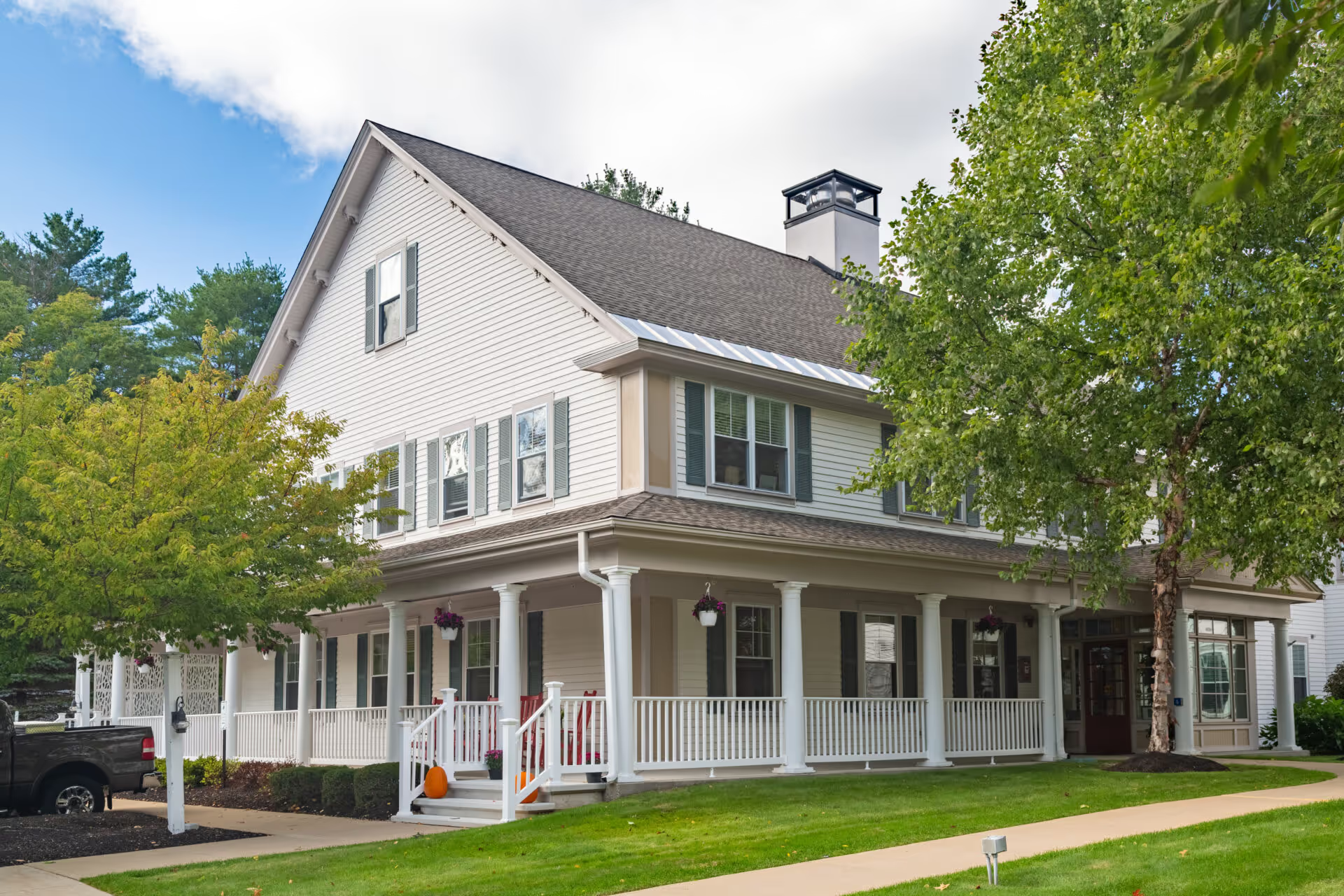
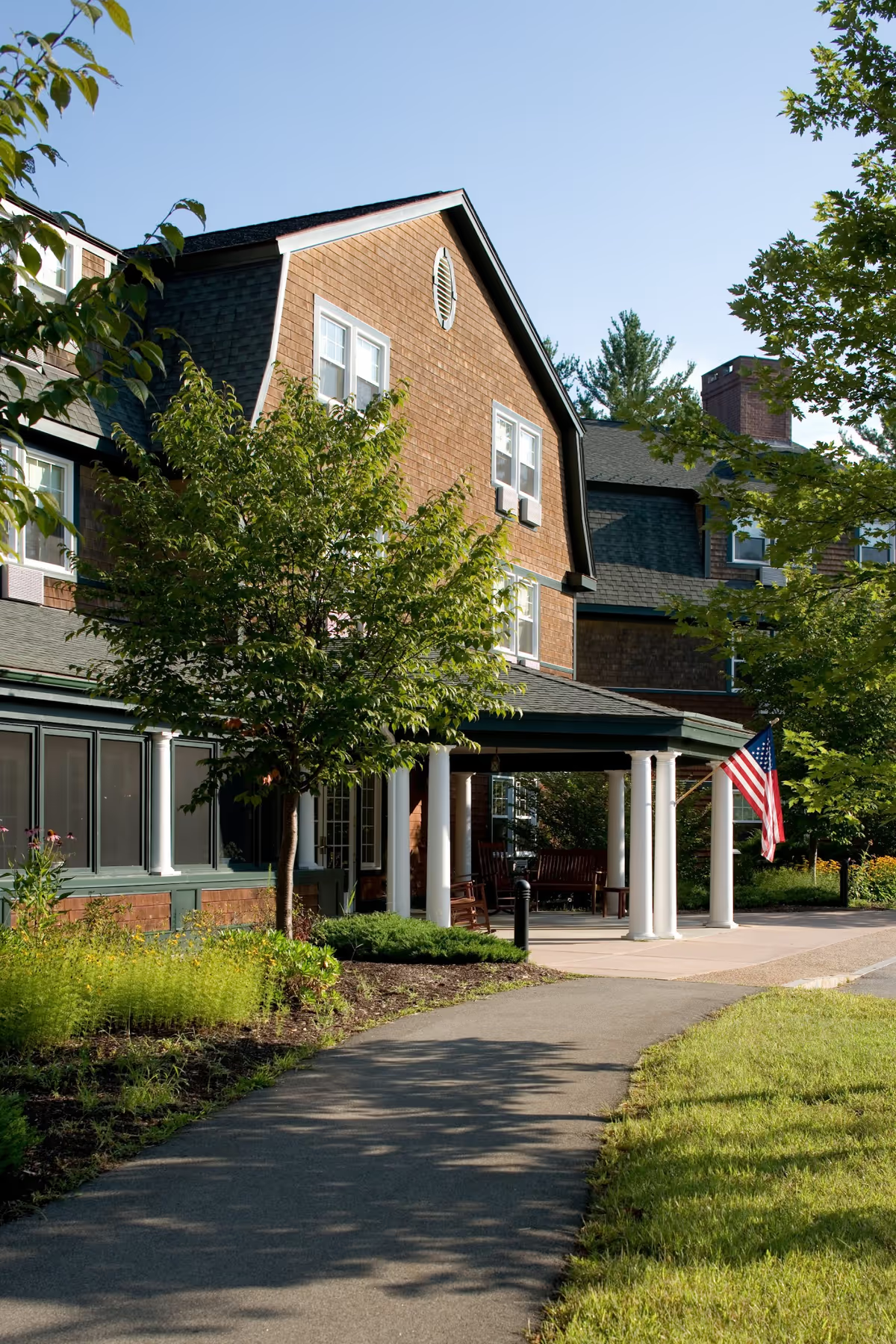
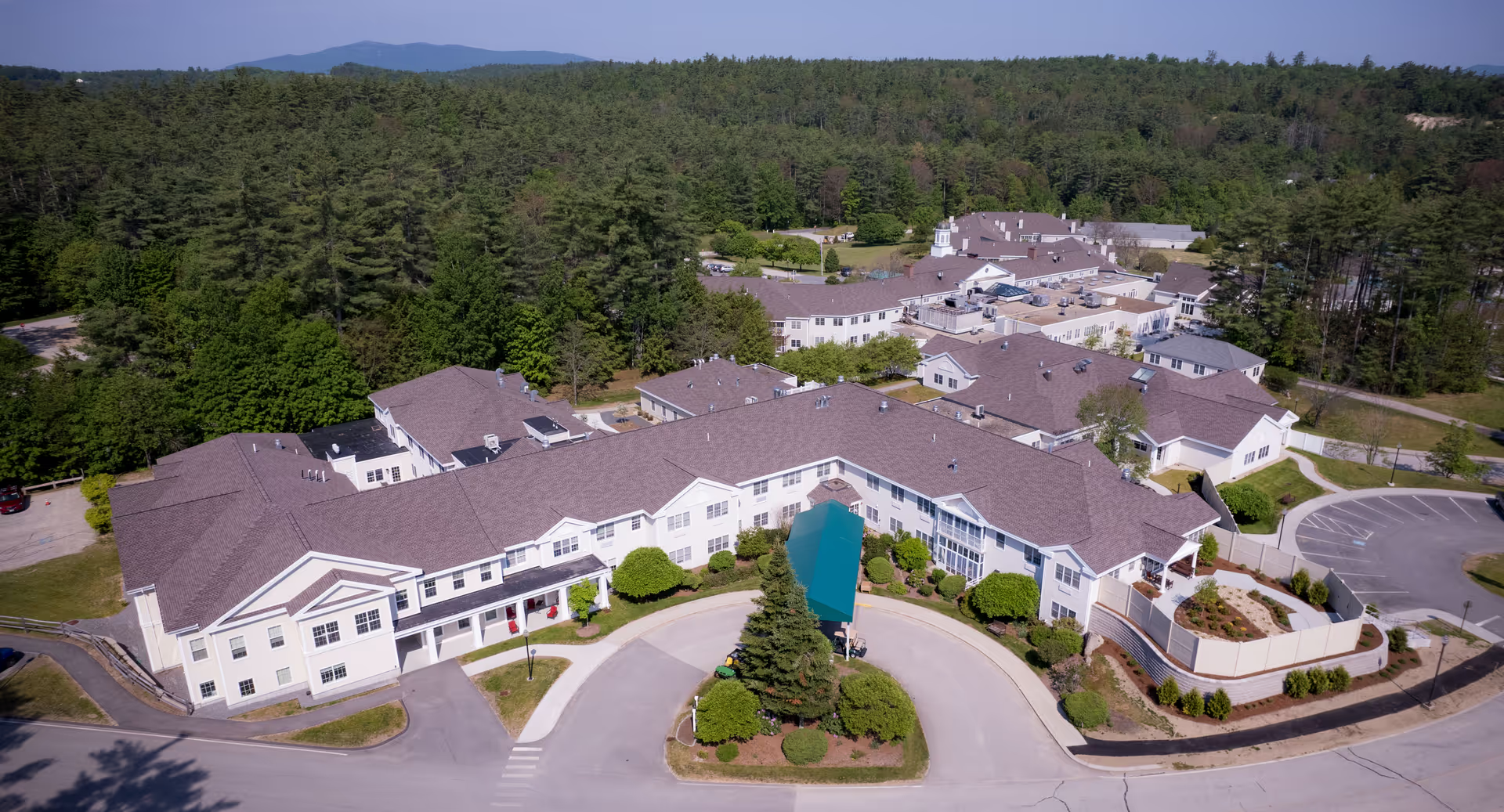
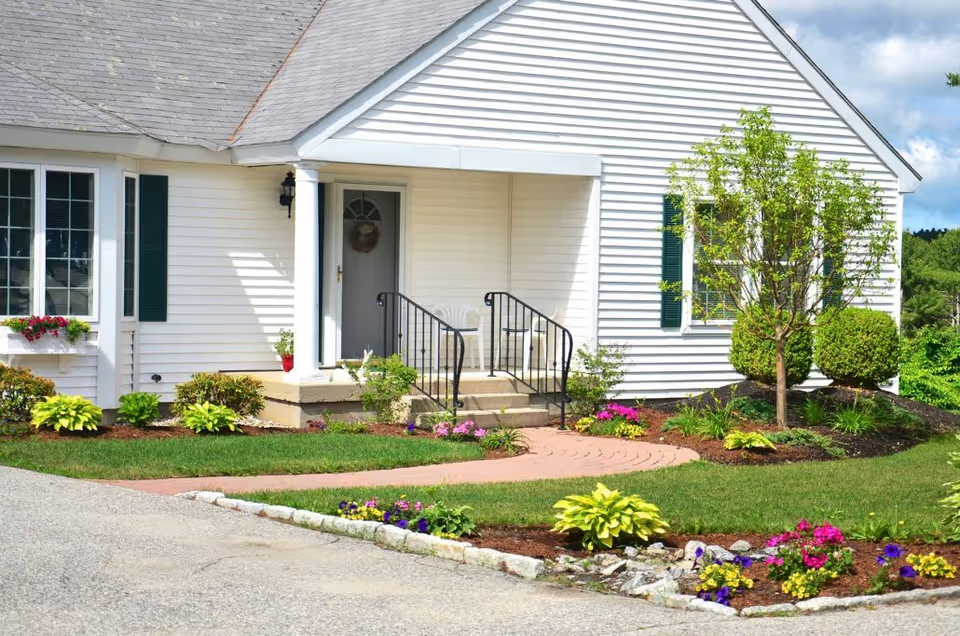
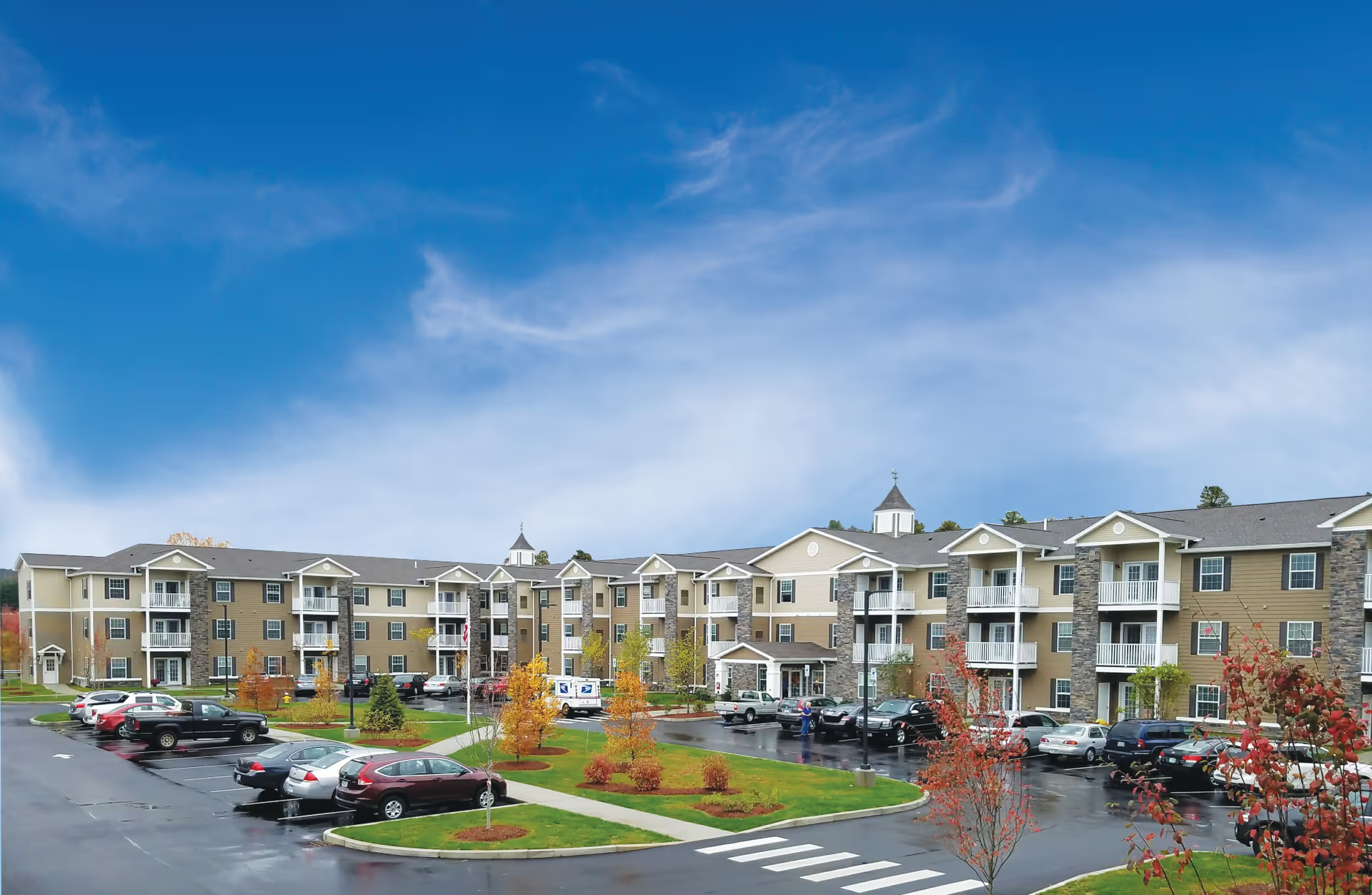
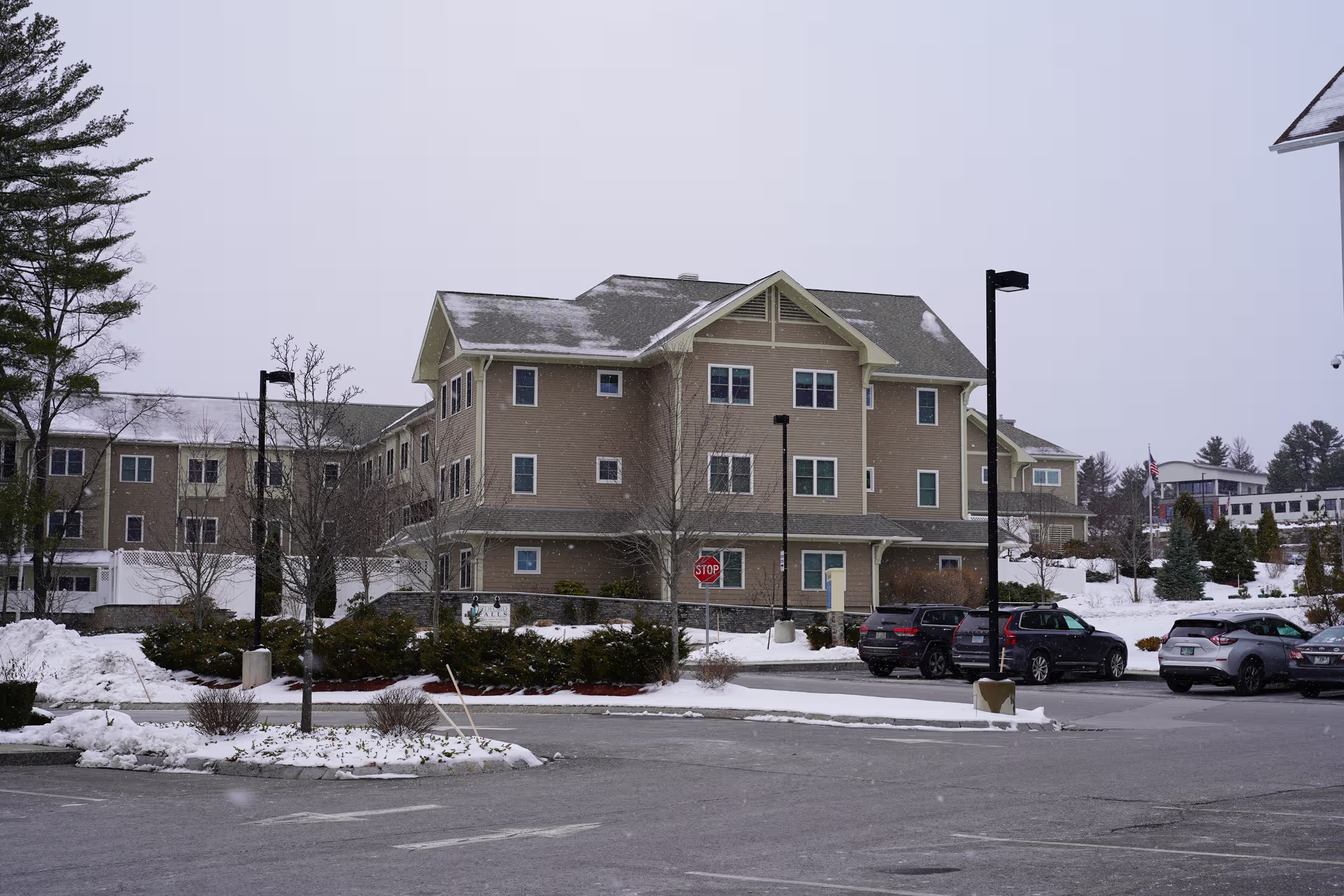
The reviews reflect a mixed but instructive picture. Direct-care staff receive consistently positive remarks for personal attention and compassion; several families described interactions with bedside staff as caring and supportive. The facility itself is frequently characterized as clean, attractive, and well maintained, and some residents or families expressed overall satisfaction with the environment and daily care. Dining receives modest praise for specific menu items that residents enjoy.
Areas of concern center on shared-room operations and administrative responsiveness. Multiple comments point to limited privacy in shared rooms and difficulty accommodating family presence when space is constrained; noise from other residents or televisions was also cited as a recurring disruption. These issues suggest the facility’s roommate-assignment and noise-management practices may not meet every family’s expectations and that visitor accommodation policies can feel inflexible in practice.
Communication and management responsiveness emerged as a separate pattern. Some families described difficulties obtaining timely follow-up from administration and dissatisfaction with how sensitive situations were handled after a resident’s passing. These remarks indicate opportunities to strengthen phone follow-up, family outreach, and the tone of administrative communications, particularly around end-of-life transitions.
Care-level expectations are another theme: while many praised hands-on staff, at least one account characterized the clinical approach as palliative in tone when that may not have been expected. That points to a potential need for clearer conversations up front about care goals and what level of clinical intervention families should anticipate as conditions change.
Practical considerations: the facility’s physical upkeep and aesthetics are strengths, and certain dining items are popular, though a few families noted perceived premium pricing for some menu offerings. There is limited, specific feedback about activities programming in these summaries; reviewers focused more on staff conduct, privacy, noise, and administrative responsiveness than on structured activities.
In summary, Hillsboro House appears to deliver strong direct-care interactions and a pleasant physical setting for many residents, while operational areas such as roommate privacy, noise control, flexible visitor accommodations, administrative follow-up, and clarity about care goals show room for improvement. Prospective residents and families should weigh the facility’s positive staffing and environment against these operational considerations and discuss room-assignment options, noise-management policies, and communication protocols with management before moving in.