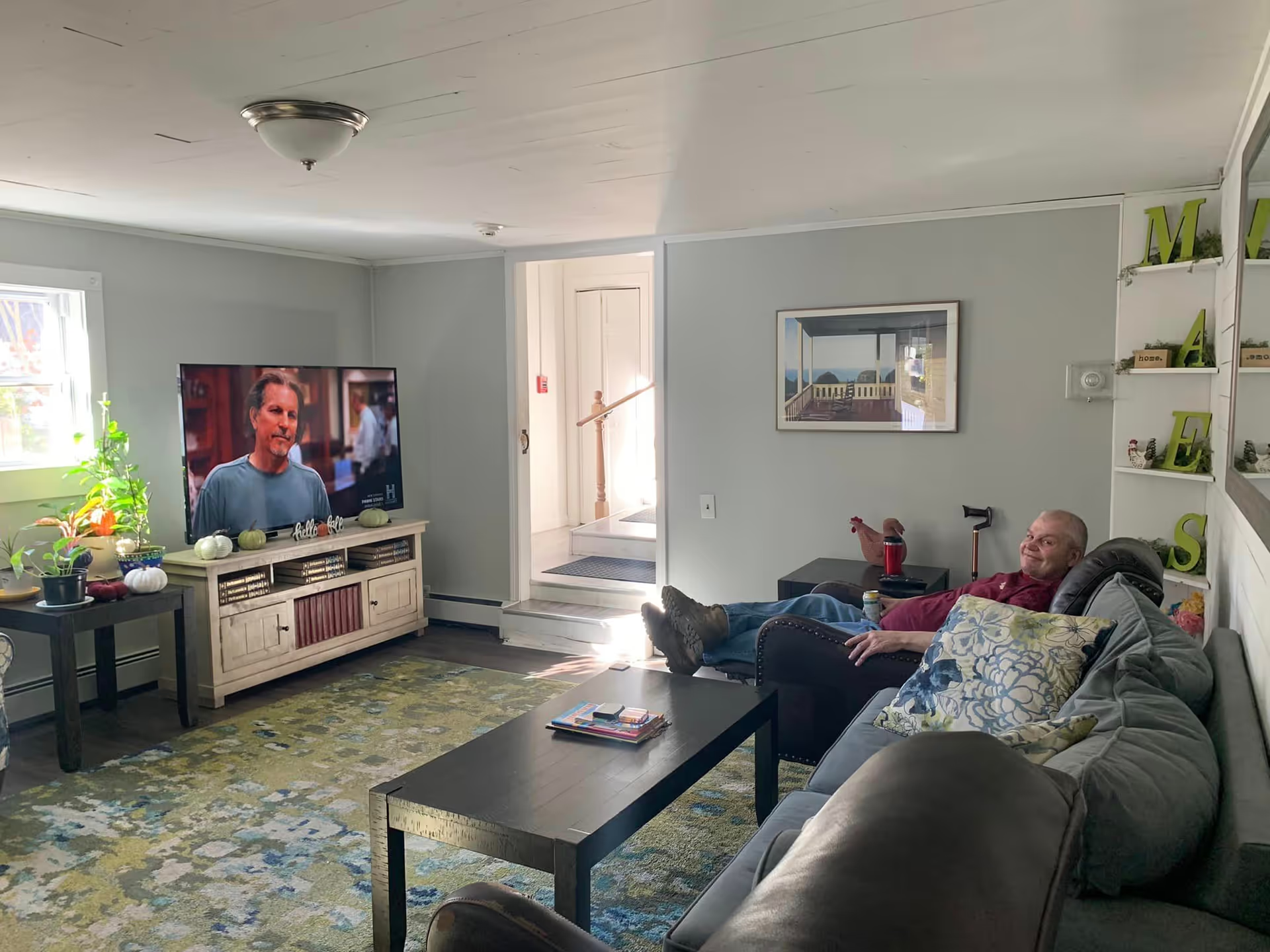
The reviews describe a facility with a distinctly mixed performance profile. Many families and residents praise the clinical teams—particularly nursing and therapy—for attentive bedside care and measurable rehabilitation outcomes. Several accounts highlight effective multidisciplinary coordination, routine family updates, proactive discharge planning with home-care partners, and business-office staff who facilitate billing and visitor needs. These strengths are associated with positive functional gains, good medical oversight in many cases, and a generally welcoming, home-like atmosphere in several units.
At the same time, reviewers describe recurring operational weaknesses that affect day-to-day resident experience. Staffing inconsistency and short staffing are a frequent theme and appear tied to slower call-light responses and variable assistance with bathing and other personal-care tasks. Laundry and personal-belongings processes are cited as unreliable in some cases, and families reported instances of missing or misdirected items. Clinical follow-up and lab/result communication were described as delayed or inconsistent, which contributed to concerns about continuity of care for some residents.
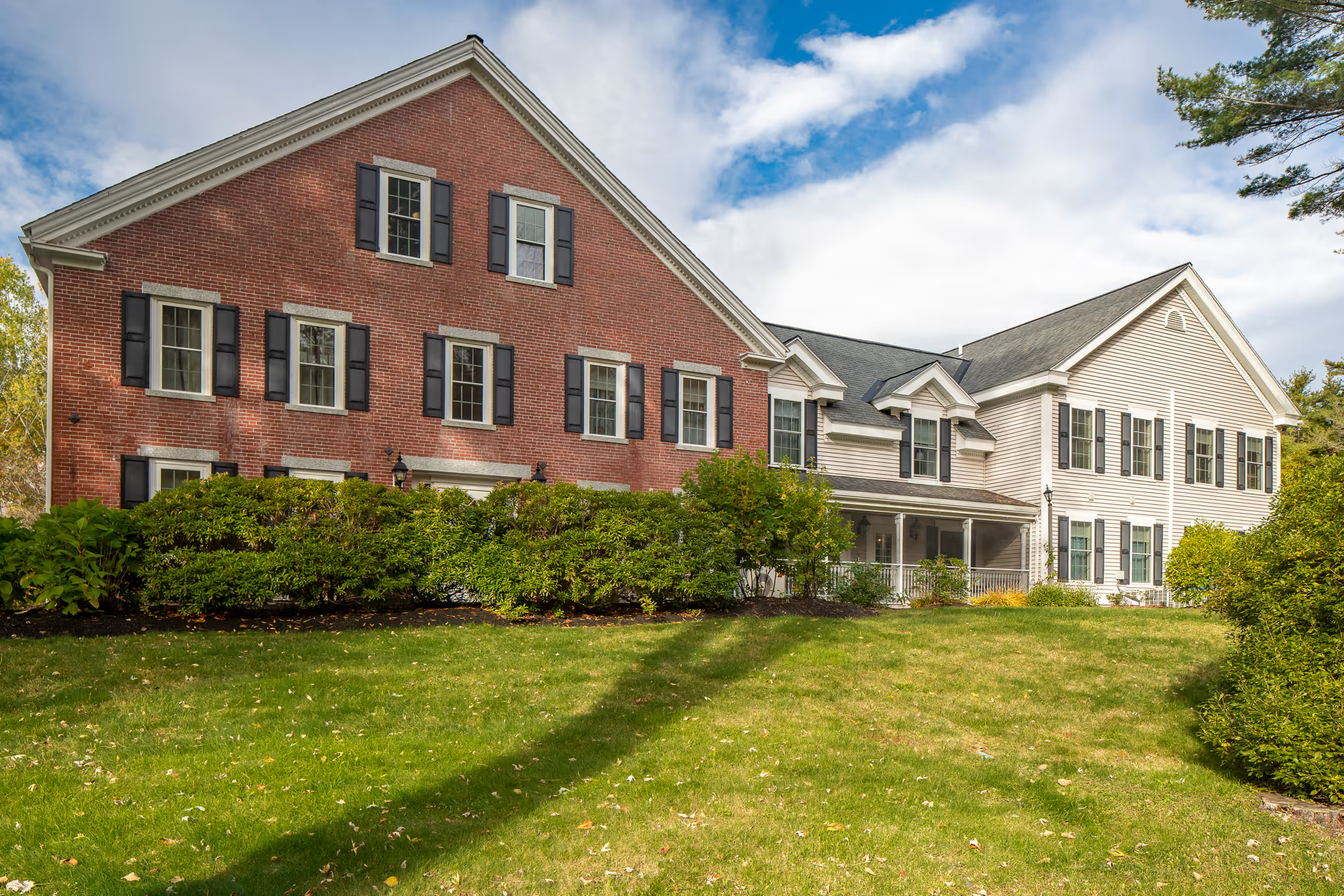
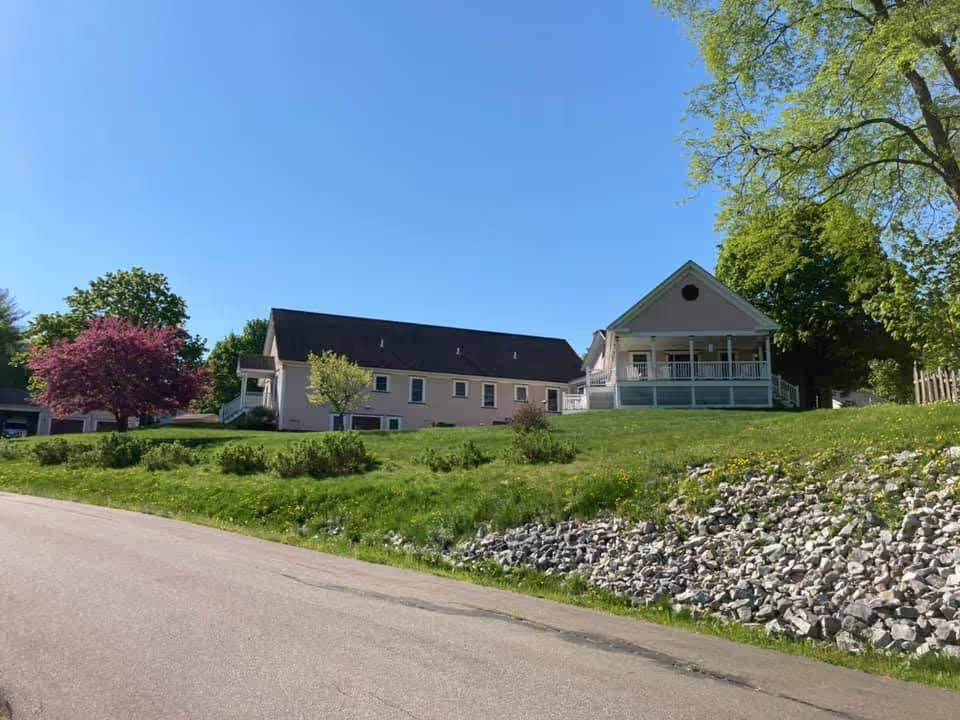
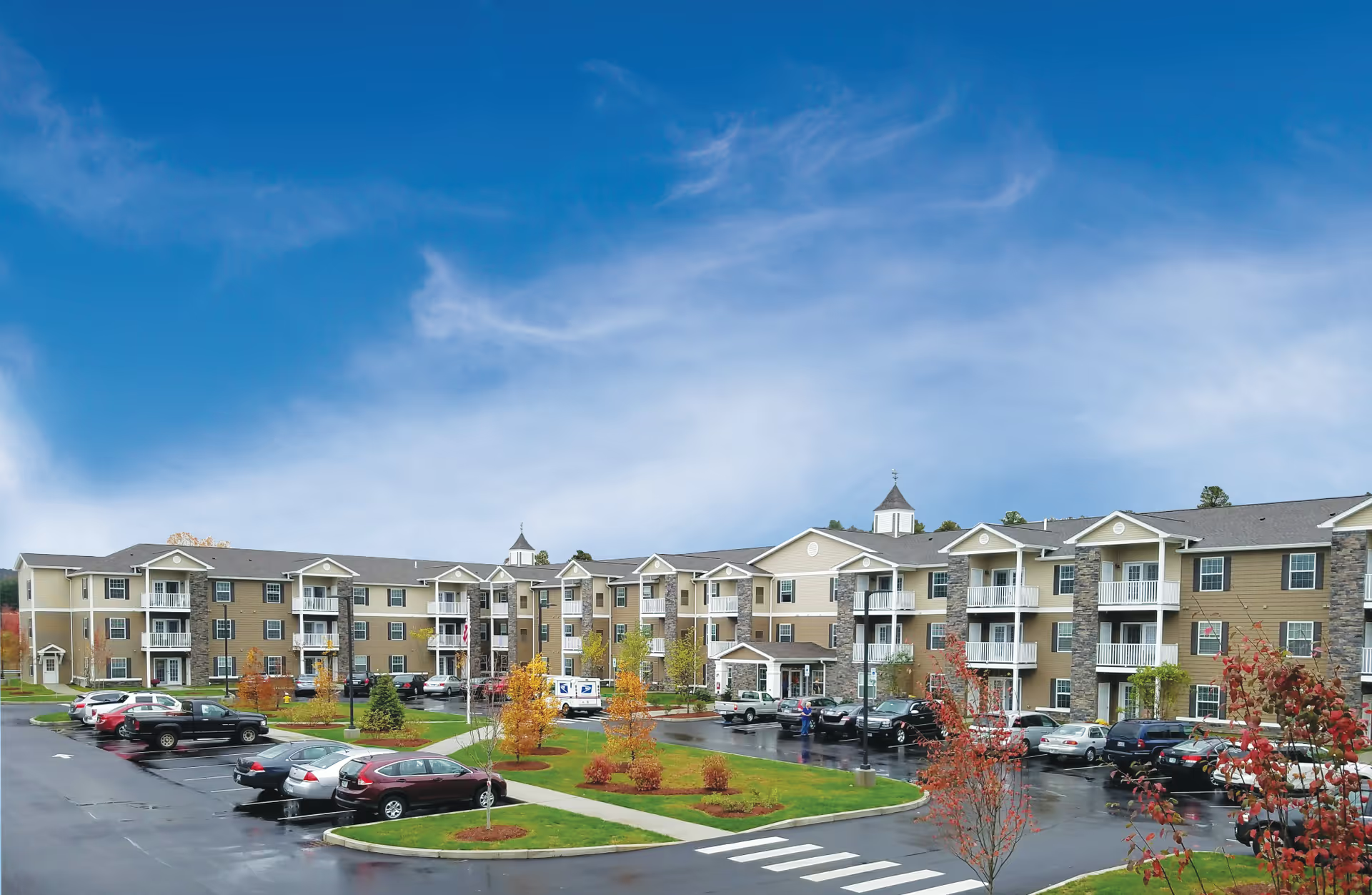
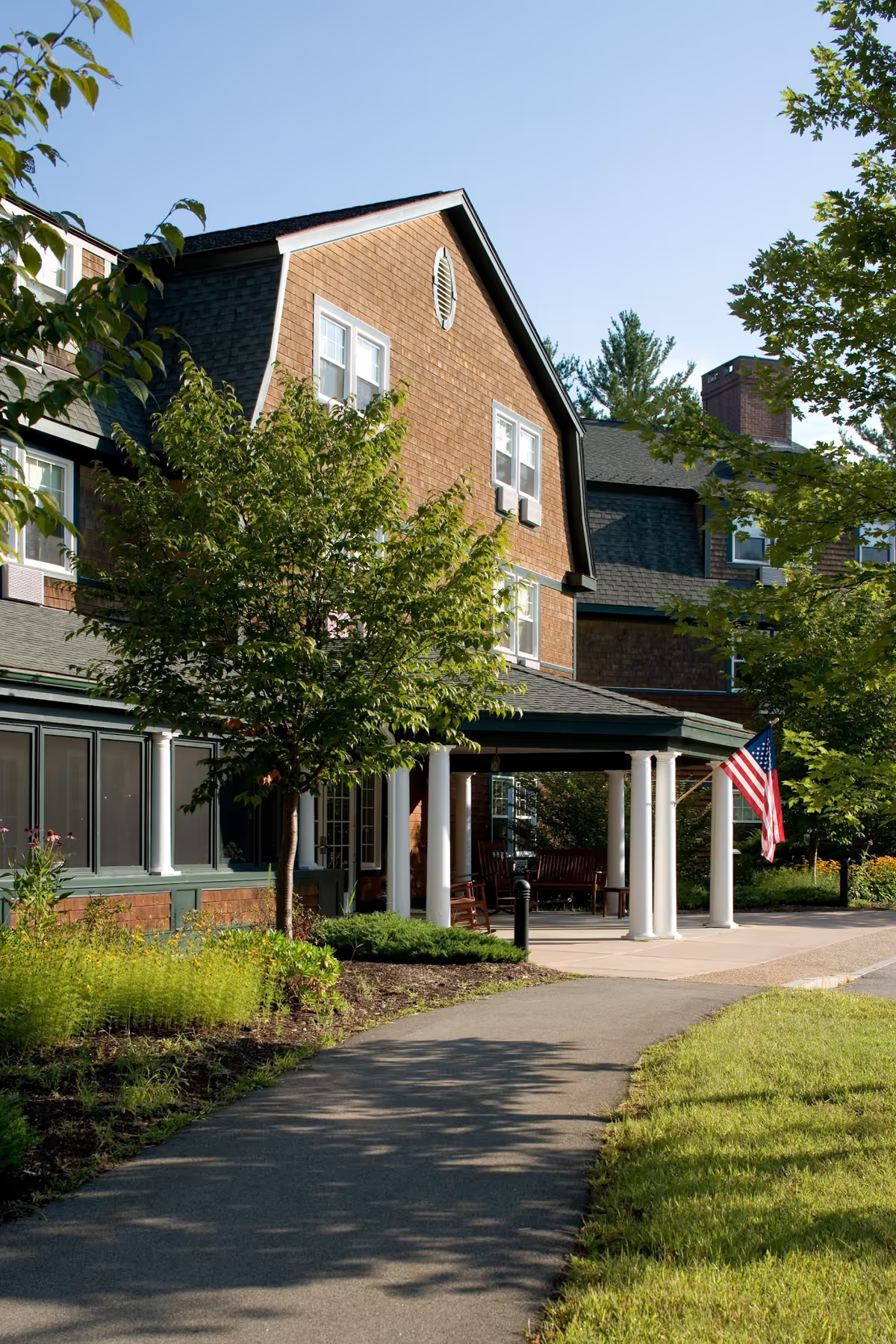
Dining and activities show uneven performance. Some reviews praise appetizing meals, snacks, and social programs that support resident engagement; others describe inconsistent meal quality, lack of dietary accommodation, and limited activity options. Facility condition is another mixed area: reviewers noted parts of the building that are clean and well maintained, while also reporting broken fixtures, dated rooms, and maintenance gaps. Privacy and space constraints arise when single rooms are converted to doubles or when small rooms house two patients, which can affect families’ satisfaction.
Management and administrative behavior are an important and sensitive pattern in the reviews. Positive remarks cite proactive family outreach, visible clinical leadership, and helpful office staff. Conversely, a number of reviews describe poor administrative follow-through on billing credits, unreliable communication during critical events, access-control failures, and concerns about staff-relations and payroll practices; there are alleged instances of retaliatory conduct toward employees. Sanitation and infection-control practices are also flagged as inconsistent in some areas, increasing the importance of asking about recent survey results and infection-prevention protocols.
In summary, Laconia Rehabilitation Center appears to deliver strong clinical rehabilitation and compassionate frontline care in many cases, with notable instances of successful outcomes and effective therapy. However, persistent operational issues—especially inconsistent staffing, communication gaps, dining and laundry management, infrastructure maintenance, and certain administrative and culture concerns—create variability in resident experience. Prospective residents and families should verify current staffing ratios, medication and laboratory communication practices, laundry and belongings policies, activity schedules, dining accommodations, and recent regulatory surveys to determine whether the facility’s strengths align with their care priorities.