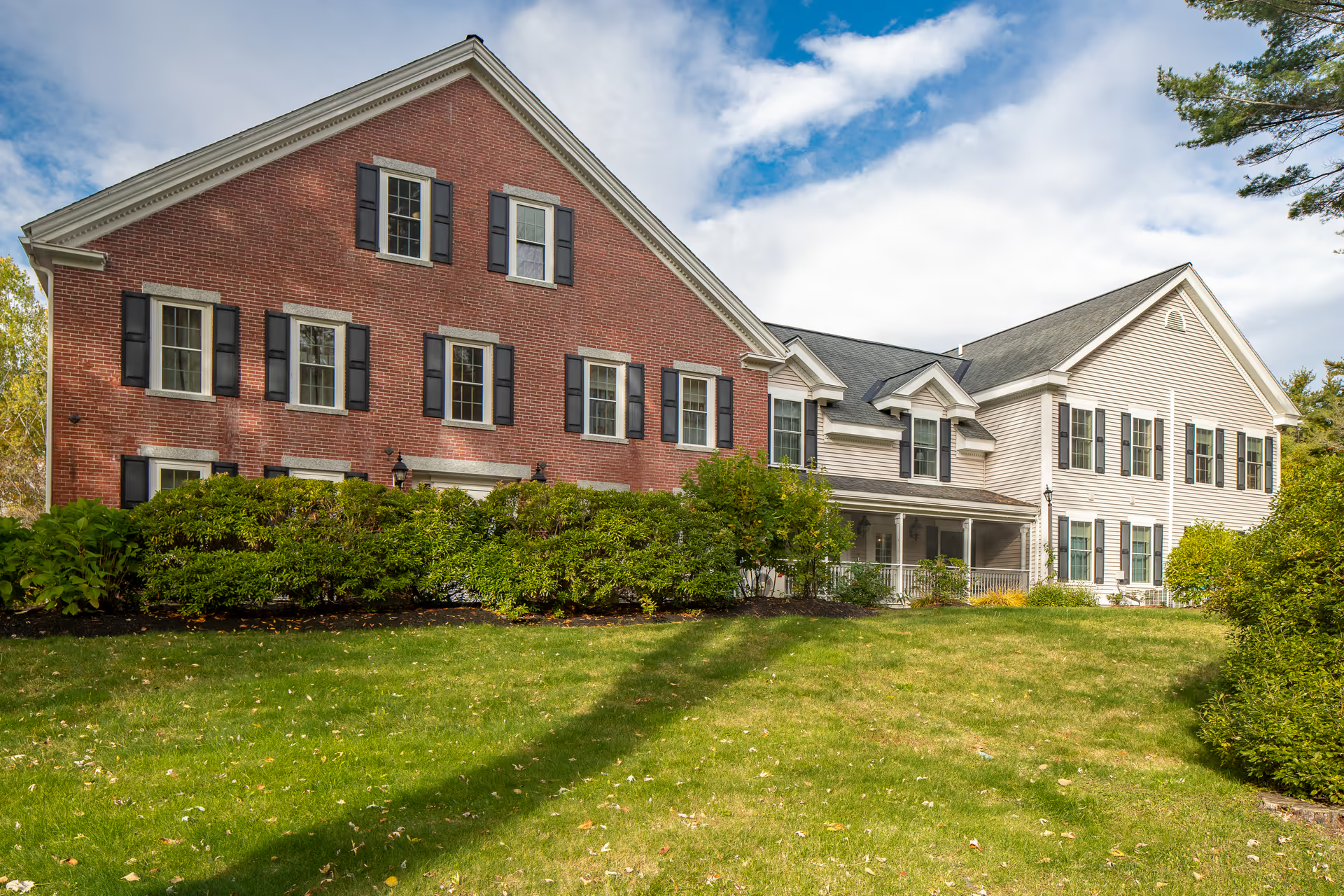
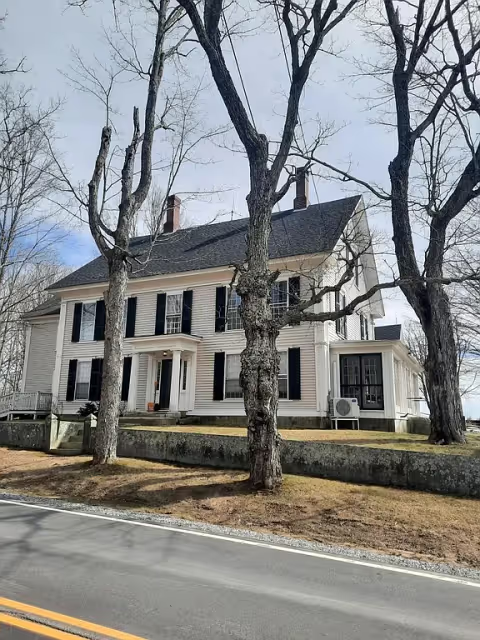
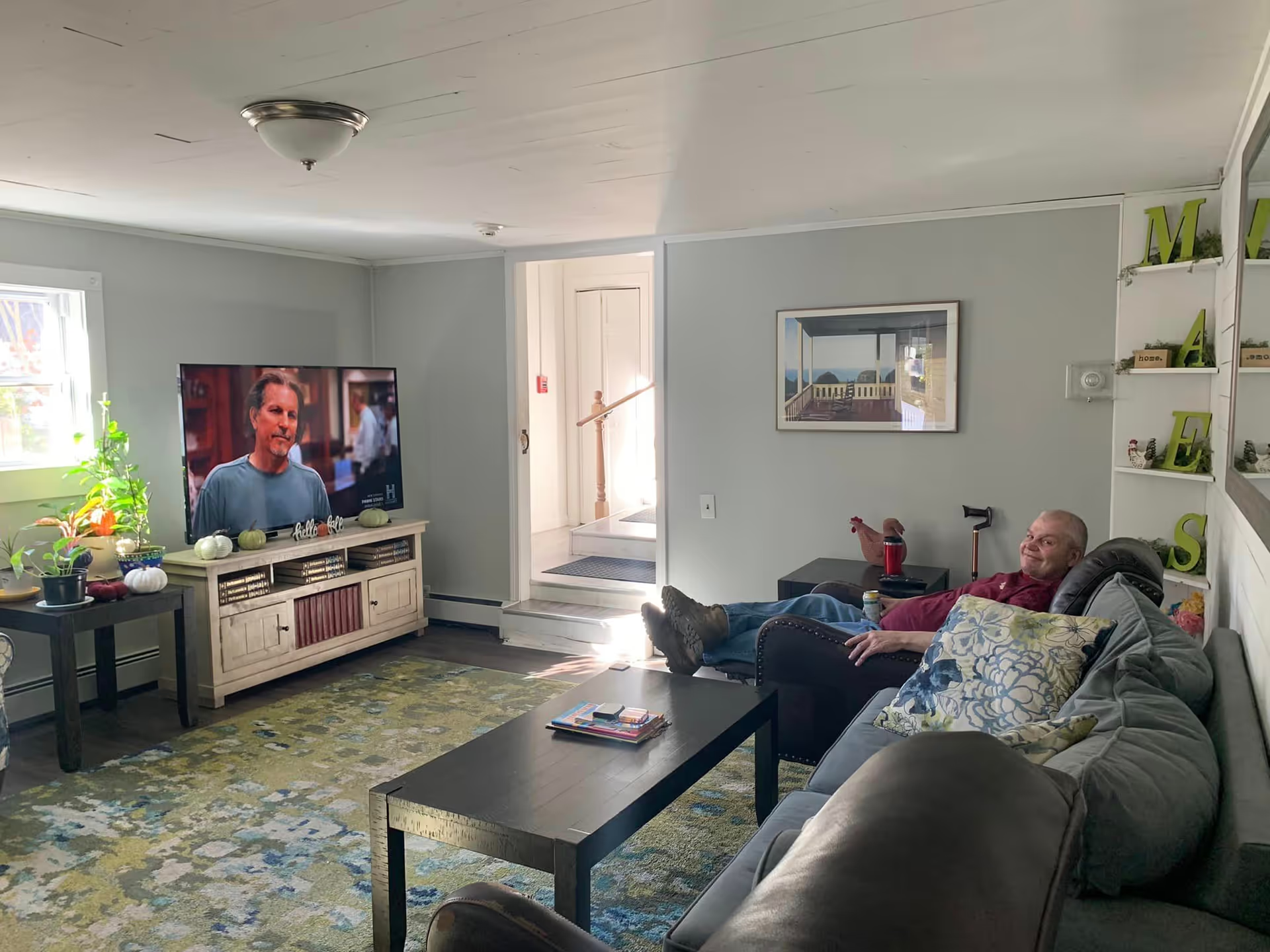
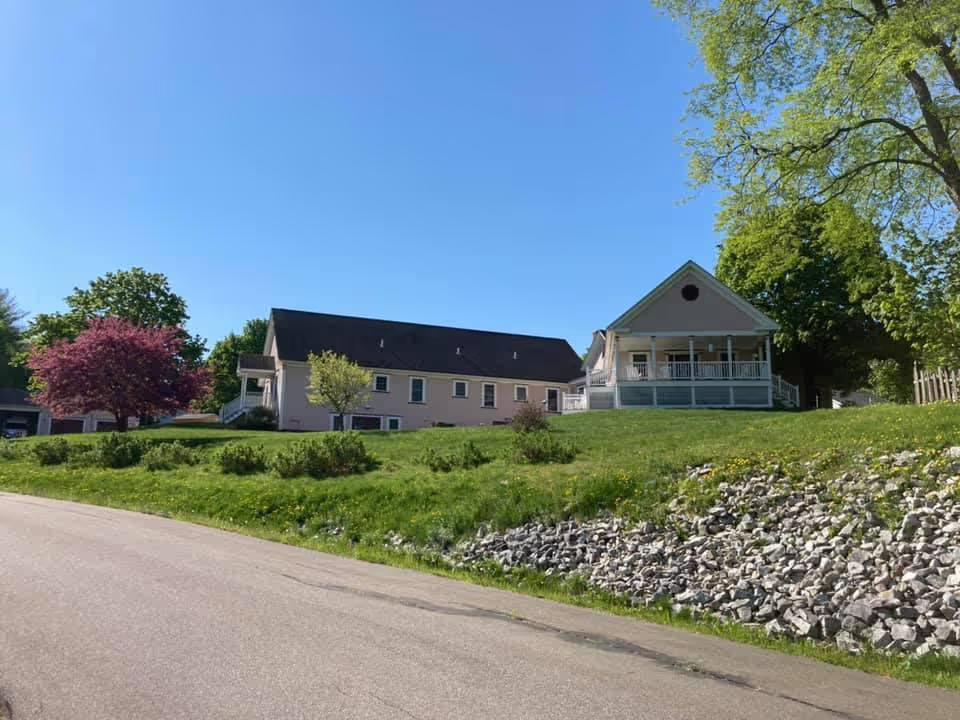
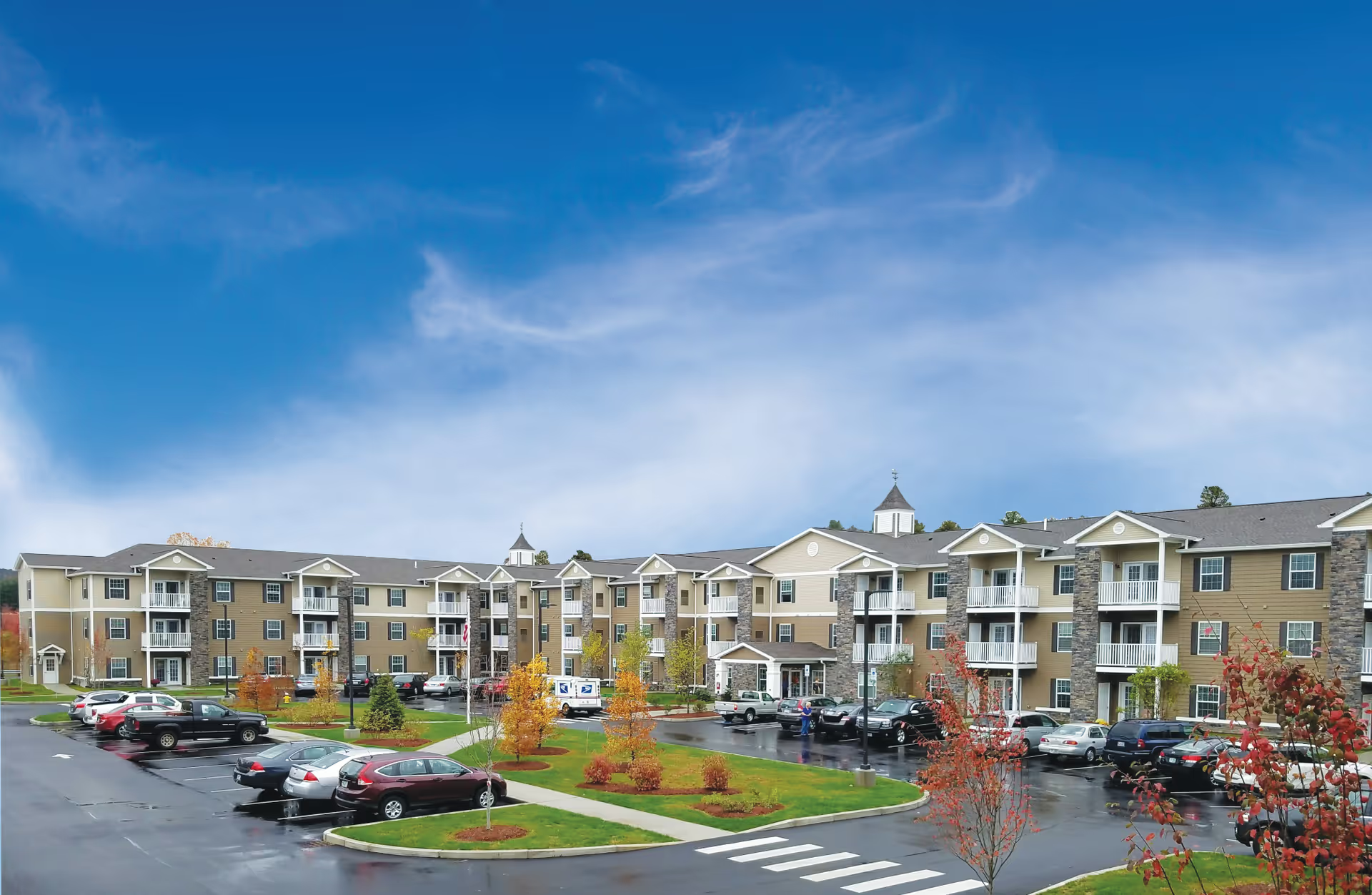
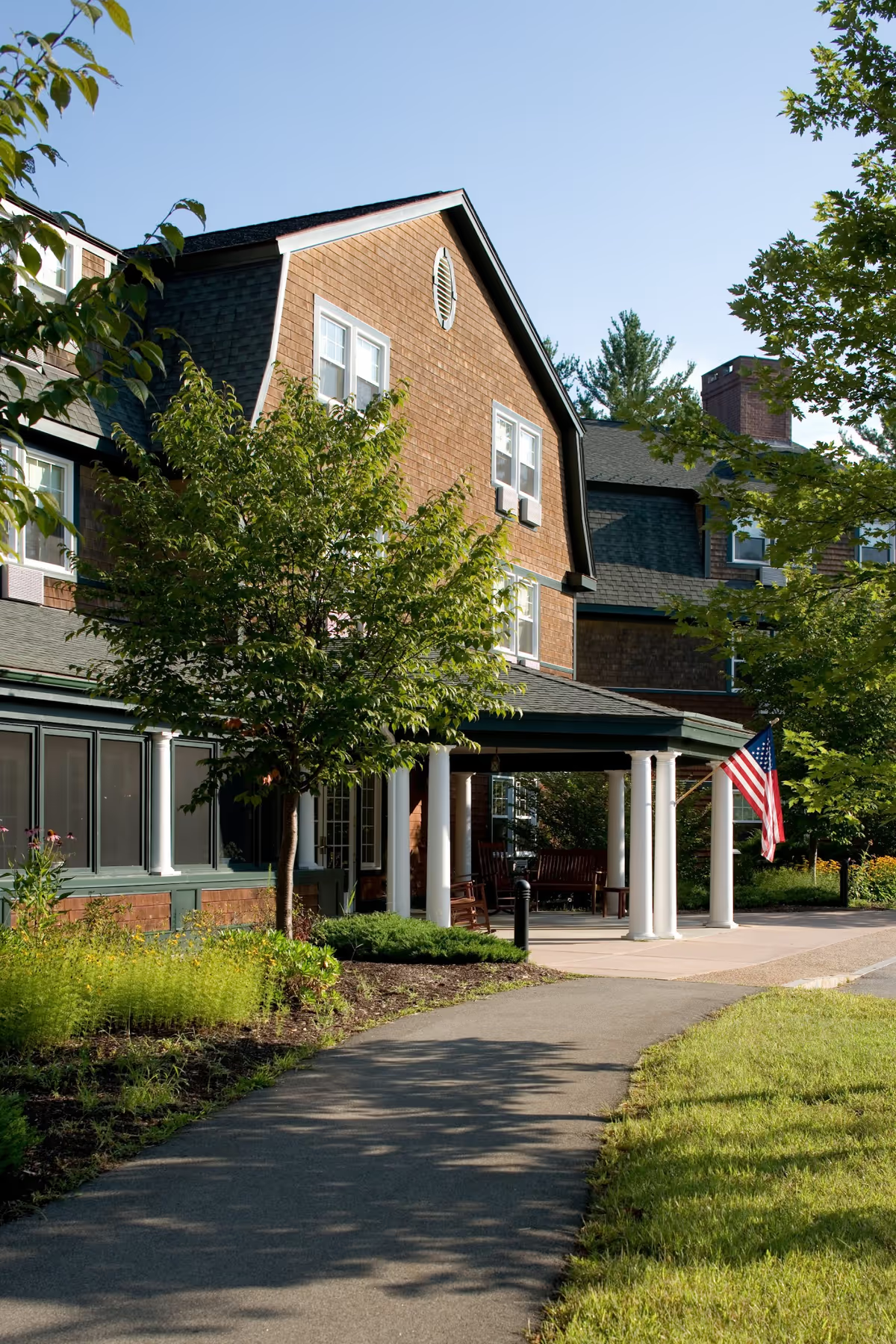
Review content reflects a facility with significant strengths in lifestyle, amenities, and community engagement alongside notable operational and trust-related concerns. Positives commonly described include a broad and active calendar—fitness classes (water aerobics, tai chi), hiking groups, educational trips and lectures, music programs, and frequent outings—supported by on-site recreational facilities such as a pool, gym, movie theater, gardens, and well-kept grounds and cottages. Many reviewers emphasize a welcoming culture, strong resident engagement, and an admissions team and programs (including charitable care commitments and the Taylor Connection program) that facilitate transitions into the community.
Care and staffing present a mixed picture. Numerous accounts praise compassionate, friendly, and knowledgeable staff who provide attentive daily care, rehabilitation services, and supportive end-of-life care. At the same time, other accounts describe inconsistent responsiveness, problematic conduct in some interactions, and variability in staffing levels that affect weekday activity availability and service continuity. Several reviews raise concerns about clinical oversight and medication-management controls; these concerns include delayed or inconsistent monitoring and problems with follow-up and accountability after clinical incidents.
Safety, monitoring, and facility operations show recurring themes. Multiple reviewers referenced reliability problems with emergency-monitoring equipment (pendant/Lifeline systems) and gaps in security or access control (unlocked doors, limited night security), which reviewers associate with elevated safety risk. Maintenance and housekeeping consistency also vary by report: while landscaping and exterior upkeep are often praised, internal maintenance and some systems have been described as deteriorating in places.
Dining and ancillary services are generally described positively: restaurant-style dining, pleasant communal dining rooms, and accommodating food and delivery services during infectious-disease precautions were noted. Rehabilitation, physical therapy, and memory-care programming receive favorable mentions from families who used those services.
Management, contracts, and financial transparency are the most divisive areas. Some reviewers describe clear, supportive continuing-care arrangements that provided peace of mind; others raise serious concerns about contract terms, fee structures, relocation/termination practices, and billing transparency. Allegations of financial misconduct and elder-exploitation have been raised publicly and are reportedly under investigation by state authorities, creating a notable trust issue for prospective residents and families.
Taken together, the pattern suggests Taylor Community offers many desirable lifestyle and care features that appeal to active seniors and families seeking a CCRC environment. Prospective residents should weigh those strengths against recurrent operational concerns: variability in clinical oversight and staffing, emergency-monitoring reliability, security and maintenance consistency, and unresolved serious financial and contract-related allegations. Families considering the community would be advised to request current documentation on staffing ratios, incident response protocols, pendant/monitoring reliability, contract terms (refund/relocation clauses), recent inspection or audit results, and the status of any investigations before making a decision.