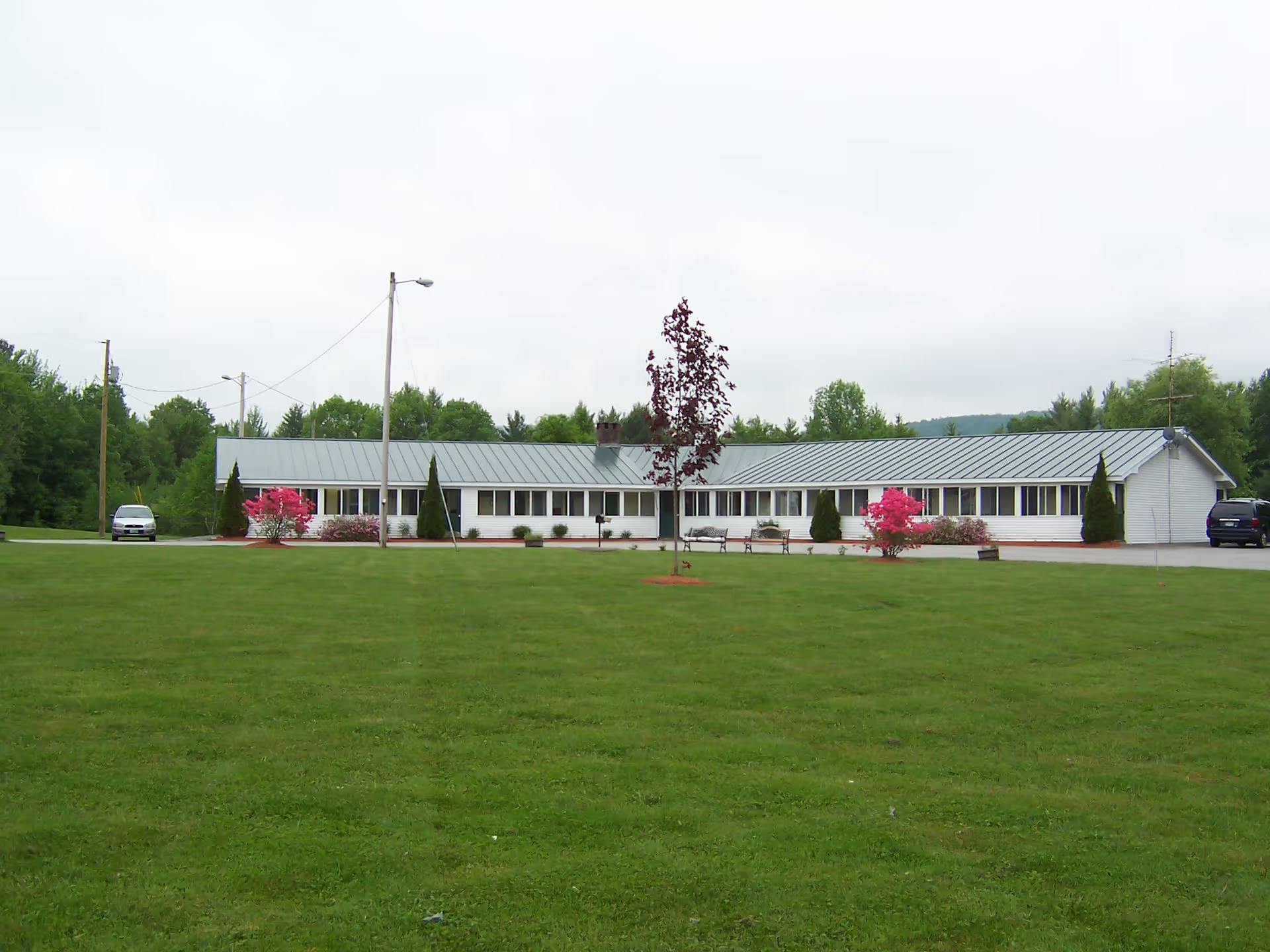
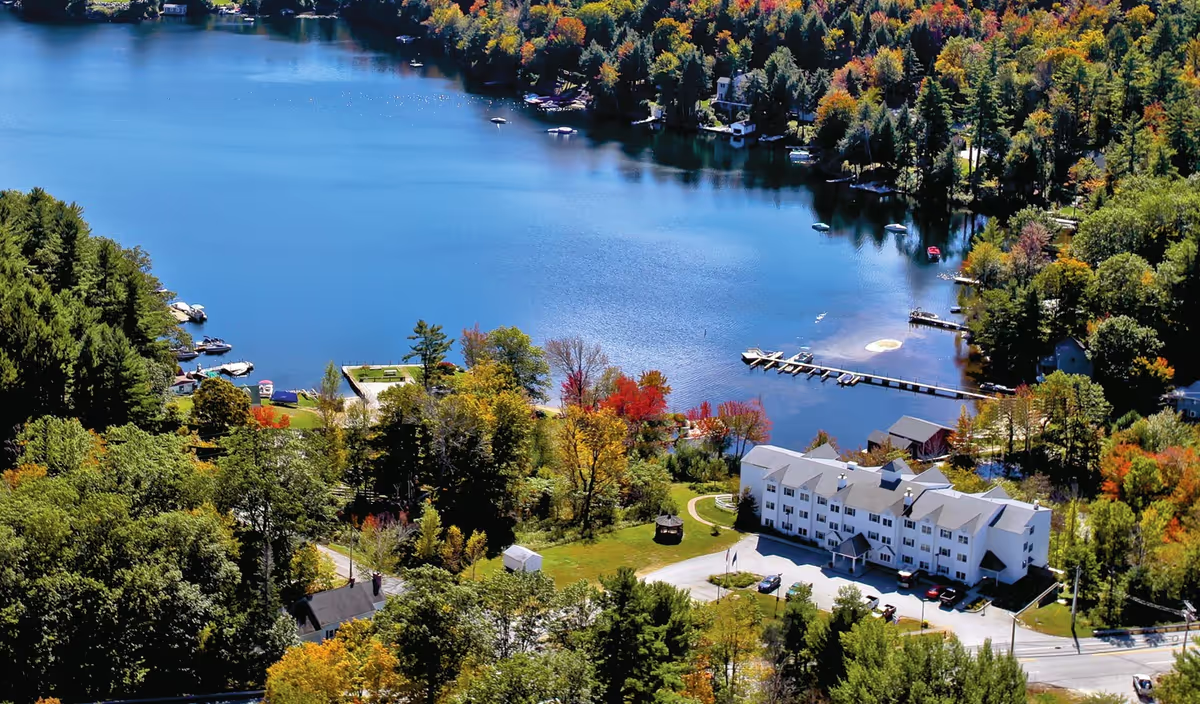
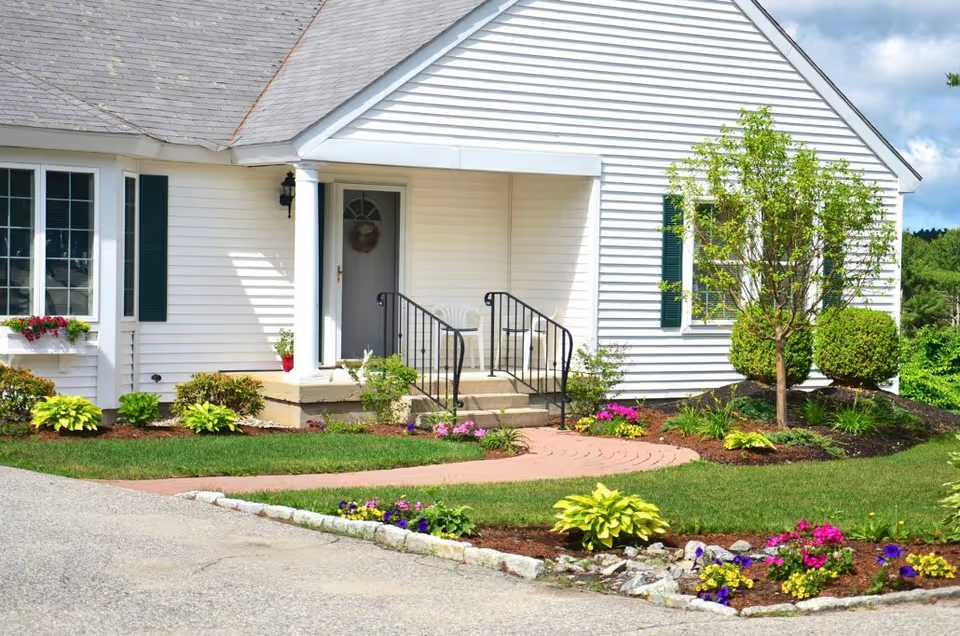
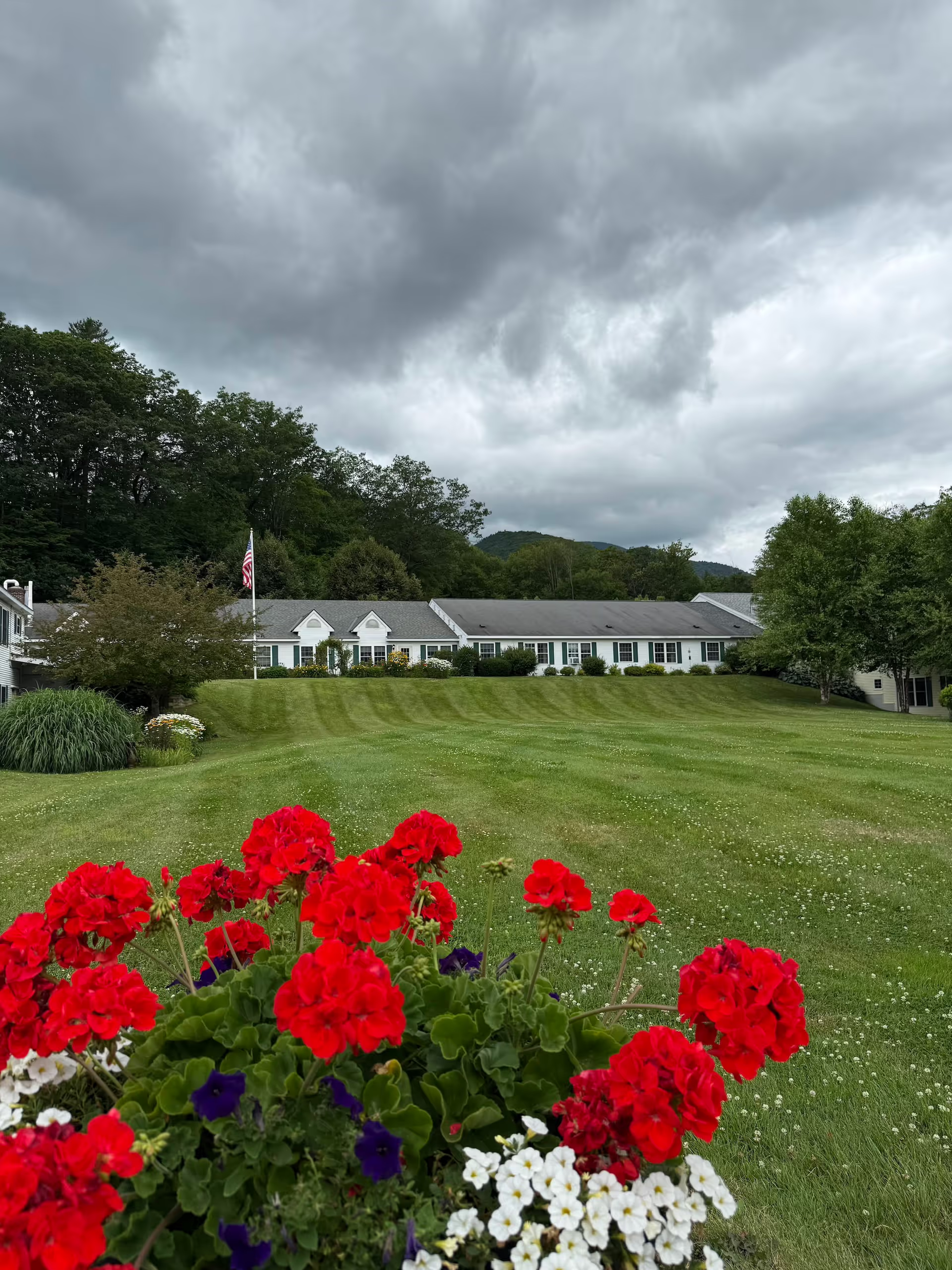
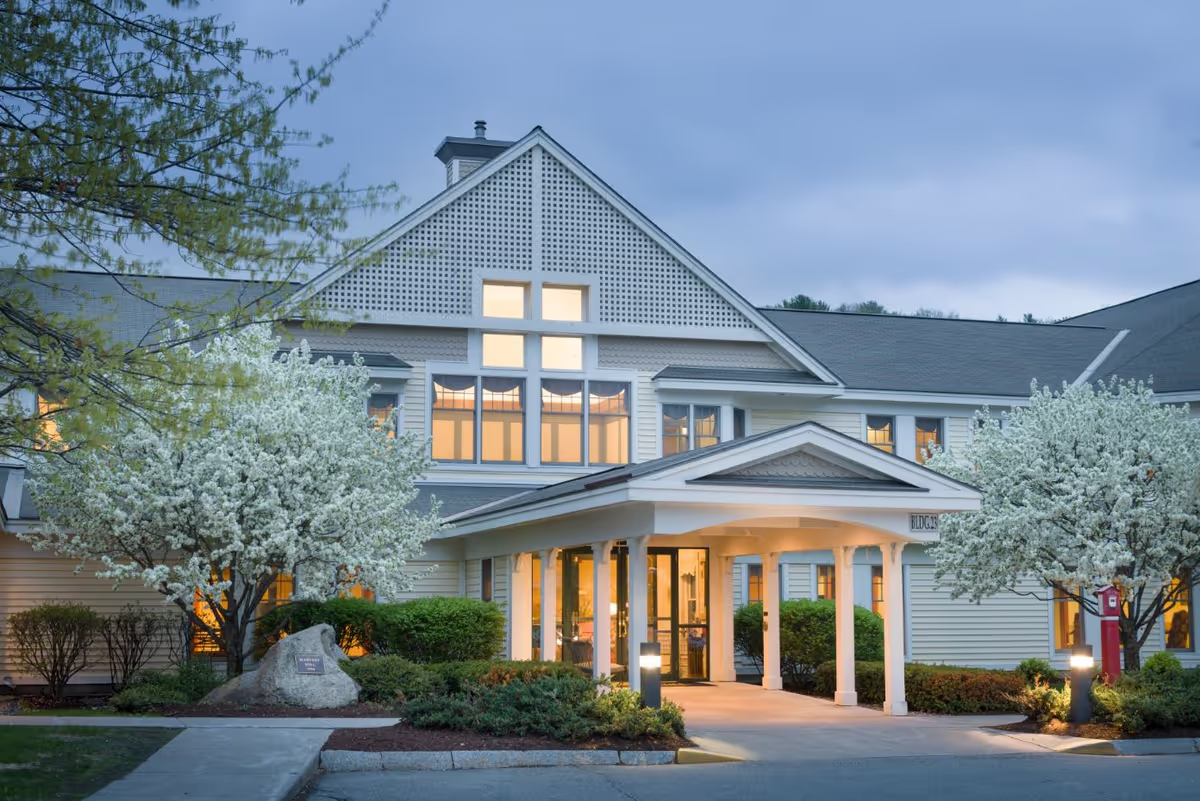
Summercrest Senior Living Community is generally presented as a clean, well-maintained, and attractive campus with apartment-style units and a bright, hotel-like dining environment. Many families and tour visitors praised the admissions and tour staff for being informative and welcoming, and several comments described a strong sense of community among long-term residents. Physical features that attract positive attention include roomy single apartments with kitchenettes, a well-kept interior, a plated restaurant-style dining room, and communal opportunities such as gardening and exercise classes.
Nutrition and dining are consistently highlighted as strengths. Reviewers describe restaurant-style, well-balanced meals and positive interactions with kitchen staff. Mealtime is often noted as generous and enjoyable, contributing to resident satisfaction and family confidence in daily living. Activity programming is viewed positively overall, with exercise classes, gardening and social programs frequently cited as contributing to an active atmosphere; however, there is some variability in observed programming intensity depending on unit or time.
Staffing impressions are mixed but lean positive. Many accounts emphasize attentive, respectful, and caring staff members, including memory-care personnel described as hardworking and supportive with a wrap-around approach. Management and administrative responsiveness receive favorable mention for transparent communication and smooth transitions (for example, coordinated transfers). At the same time, several accounts raise concerns about variable nursing-care quality and inconsistent staff demeanor; these comments point to uneven clinical performance and occasional negative communication tone from front-line employees.
Safety and operations show both strengths and areas for improvement. The facility is described as a secure, locked campus with a clear layout, which families appreciate for everyday safety. Conversely, there are indications of procedural gaps in memory-care security and safety protocols, and at least one account described an incident that suggests a need for stronger adherence to secure-unit procedures. Operational constraints such as limited outdoor amenity space, a parking layout that places a lot in front of the building, and proximity to non-residential land uses were noted as detracting from the outdoor environment.
Administrative and access issues appear periodically. The community is in demand (wait lists were mentioned), but some families encountered Medicaid-related administrative challenges affecting residency or stay continuity. Additionally, access limitations during infection-control events (for example, pandemic restrictions) affected some tours and program availability — a practice consistent with broader public-health measures but experienced by visitors as limiting transparency.
Overall, Summercrest offers many features that appeal to prospective residents and families: clean, attractive surroundings, strong dining, active programming, and generally caring staff with responsive management. Prospective residents should weigh these strengths against intermittent concerns about nursing consistency, staff communication tone, memory-unit procedural rigor, outdoor amenities and parking, and potential Medicaid-administration complexities. A recommended next step for interested families is an in-person tour that includes specific questions about clinical staffing ratios, memory-care safety protocols, Medicaid processing, and current activity schedules to assess how these operational details match the family’s priorities.