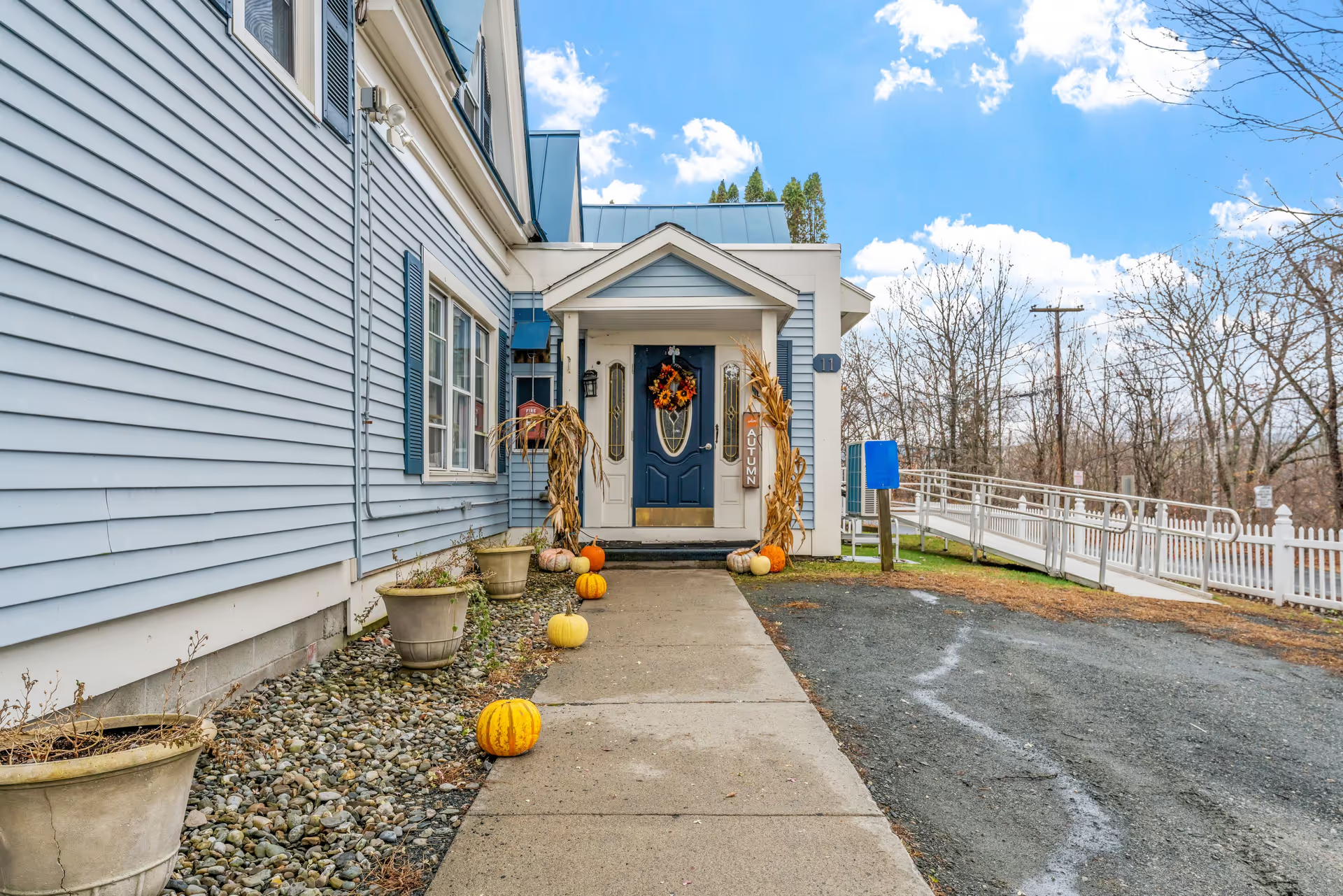
Overall impression The reviews portray Woodlawn Care Center as a smaller, staff-centered facility with a pronounced focus on palliative and end-of-life care. Feedback emphasizes a homelike, low‑rule environment where staff are described as caring, hardworking, and respectful. For families seeking attentive, around‑the‑clock clinical support delivered in a less institutional setting, Woodlawn appears to be a good match.
Care and staff Care quality is the most consistently noted strength. Reviewers describe staff as compassionate, accommodating, and available 24/7, and several comments highlight staff responsiveness and a family-like relationship between caregivers and residents. The facility’s palliative orientation is clearly perceived as a core capability, suggesting clinical staff are experienced with comfort-focused and end-of-life needs. There are no pervasive operational complaints in the material provided; instead, comments concentrate on the positive conduct and dedication of nursing and support personnel.
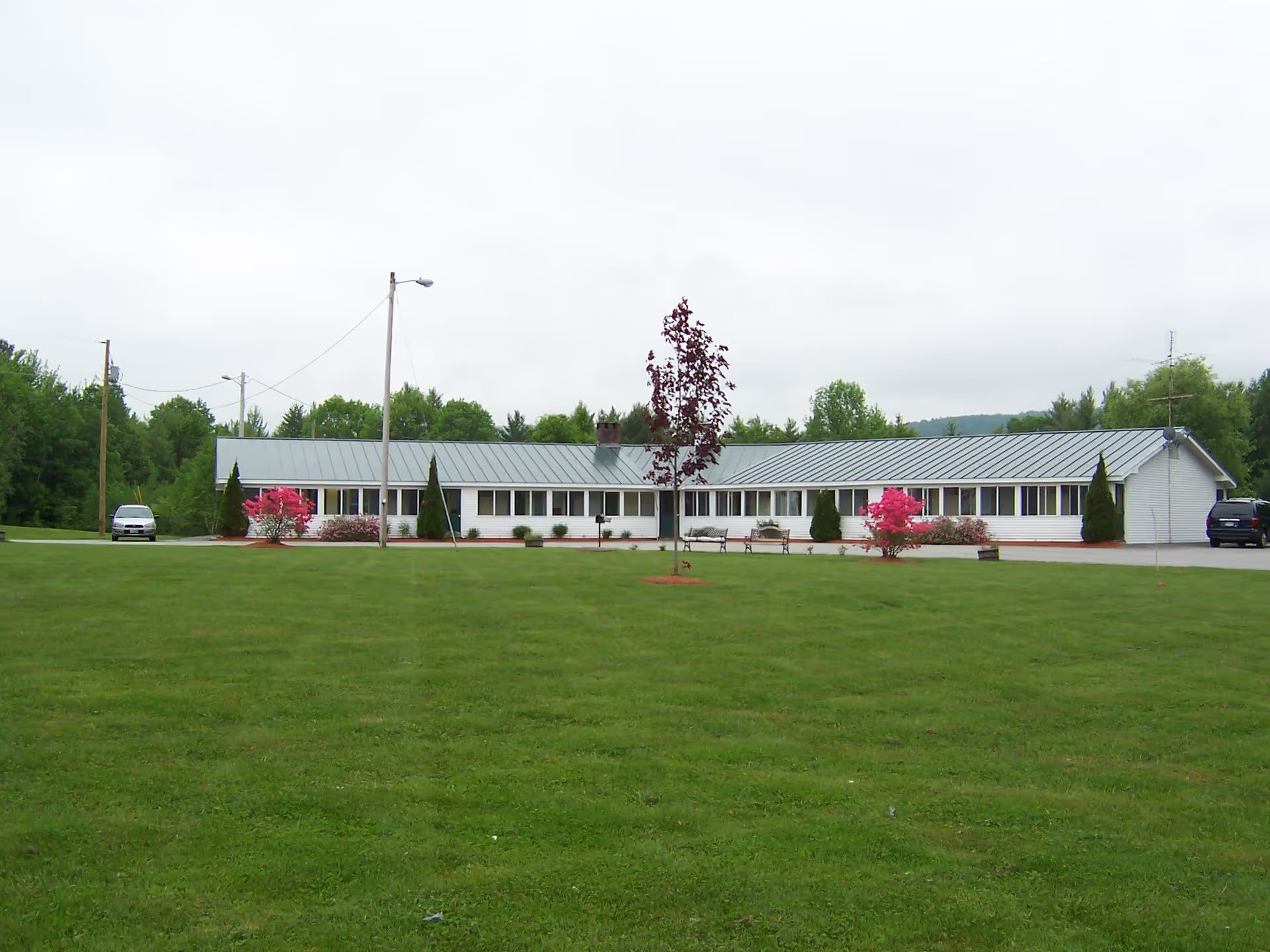
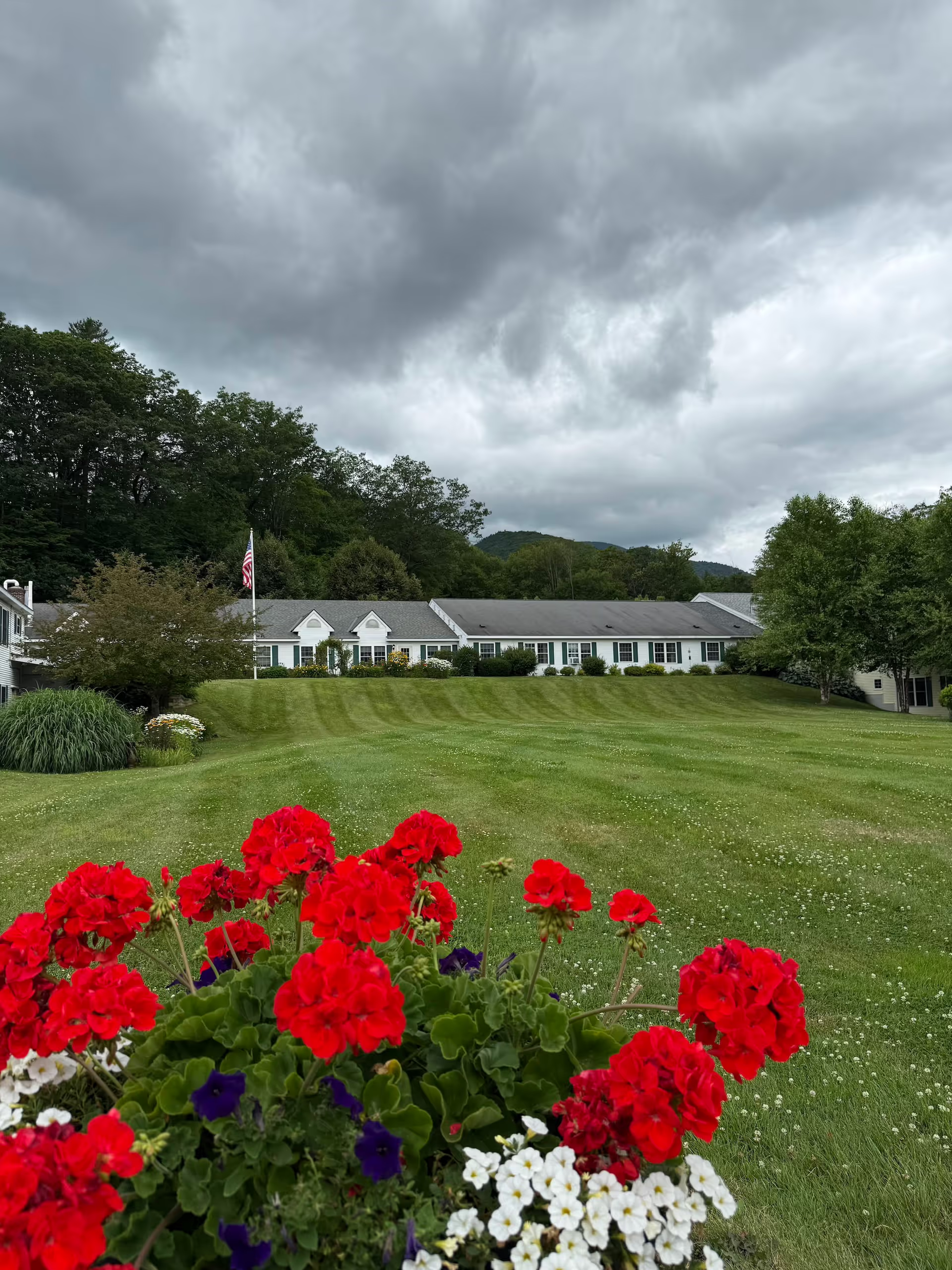
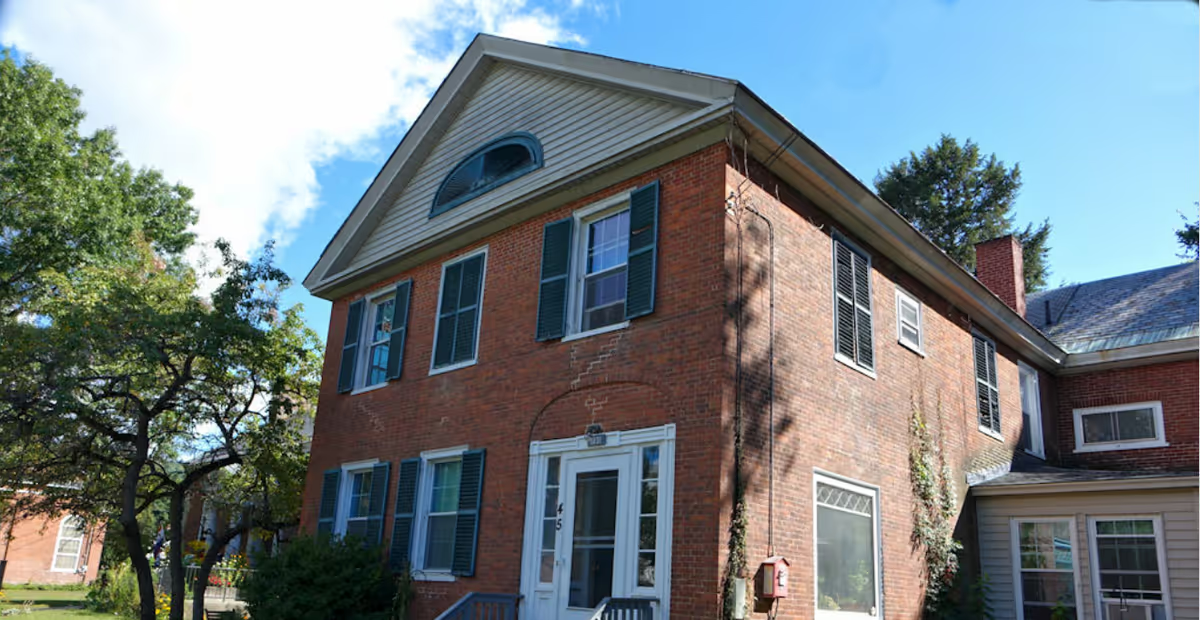
Dining, rooms, and facilities Dining and accommodations receive favorable mention: meals are described as well liked and resident rooms are characterized as comfortable. At the same time, multiple remarks that the facility is “not ritzy” indicate a modest physical plant and straightforward décor. That suggests Woodlawn prioritizes personal care over upscale amenities; prospective residents should expect functional, comfortable spaces rather than luxury finishes.
Activities, atmosphere, and management The atmosphere is repeatedly described as pleasant and family-like, with fewer formal rules than larger or more institutional facilities. That light-touch approach contributes to the homey feel but can also imply less formal scheduling or administrative rigidity. Management appears to support a staff‑forward culture; however, families who prefer a highly structured activity calendar or resort-style services may find the programming more limited compared with larger centers.
Notable patterns and advice for families Taken together, the pattern in these summaries is consistent: strong interpersonal care, effective palliative capability, and a comfortable, non‑luxury environment. The primary trade-offs are centered on amenities and structure rather than clinical performance. When evaluating Woodlawn, prospective residents and families should prioritize in-person visits to assess room layouts, ask about daily activity schedules and program offerings, and review written policies for visiting, medication management, and care plans to confirm the facility’s operational fit with their expectations.