Reviews of Mineral Springs describe a facility with distinctly mixed performance: reviewers frequently praise individual caregivers and therapy teams, yet also describe recurring operational weaknesses that affected clinical care, communication, and maintenance. Experiences cluster at two ends of the spectrum — families and residents who encountered engaged, skilled staff and measurable therapy progress, and others who experienced lapses in basic clinical responsiveness and operational follow-through.
Care quality is variable. Many families highlighted compassionate nursing and effective therapy services, particularly physical and occupational therapy and respiratory therapy, and some described dignified, well-coordinated end-of-life care. Conversely, several accounts described delays in attending to clinical needs (for example, timely medication, pain control, hydration management, or oxygen adjustments), inconsistent monitoring, and gaps in assistance for toileting and bathing. These accounts point to inconsistent execution of routine clinical tasks and safety-monitoring gaps such as slow call-bell responses and transfer coordination issues.
Staffing and staff conduct present a mixed picture. Multiple reviews singled out individual staff and teams as caring, professional, and proactive — receptionists, specific RNs, and therapists received positive mentions — and reviewers also noted programs of coordinated care and strong volunteer involvement. At the same time, understaffing, administrative turnover, and uneven staff performance were recurrent themes. These operational pressures appear linked to inconsistent personal-care delivery, variable communication with families, and uneven follow-through on complaints or incident escalation.
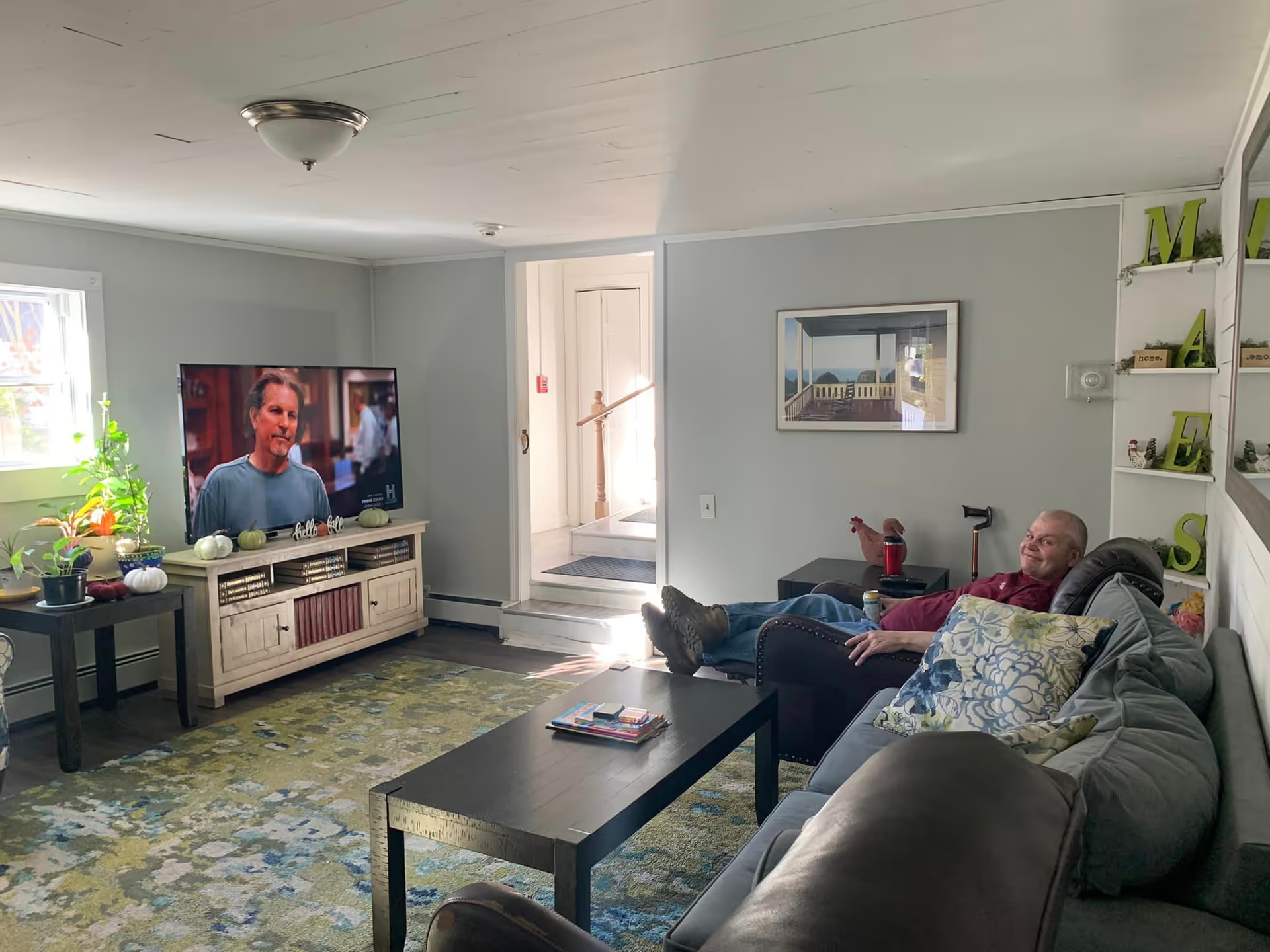
Dining and activities are similarly mixed. The facility’s common spaces and dining rooms are described as comfortable and welcoming, and many residents benefit from an active calendar (gardening, arts and crafts, outings). However, meal quality and portion size were described inconsistently; some reviewers found food acceptable while others noted preparation and portion concerns. Recreational programming is generally seen as a strength when staffing allows.
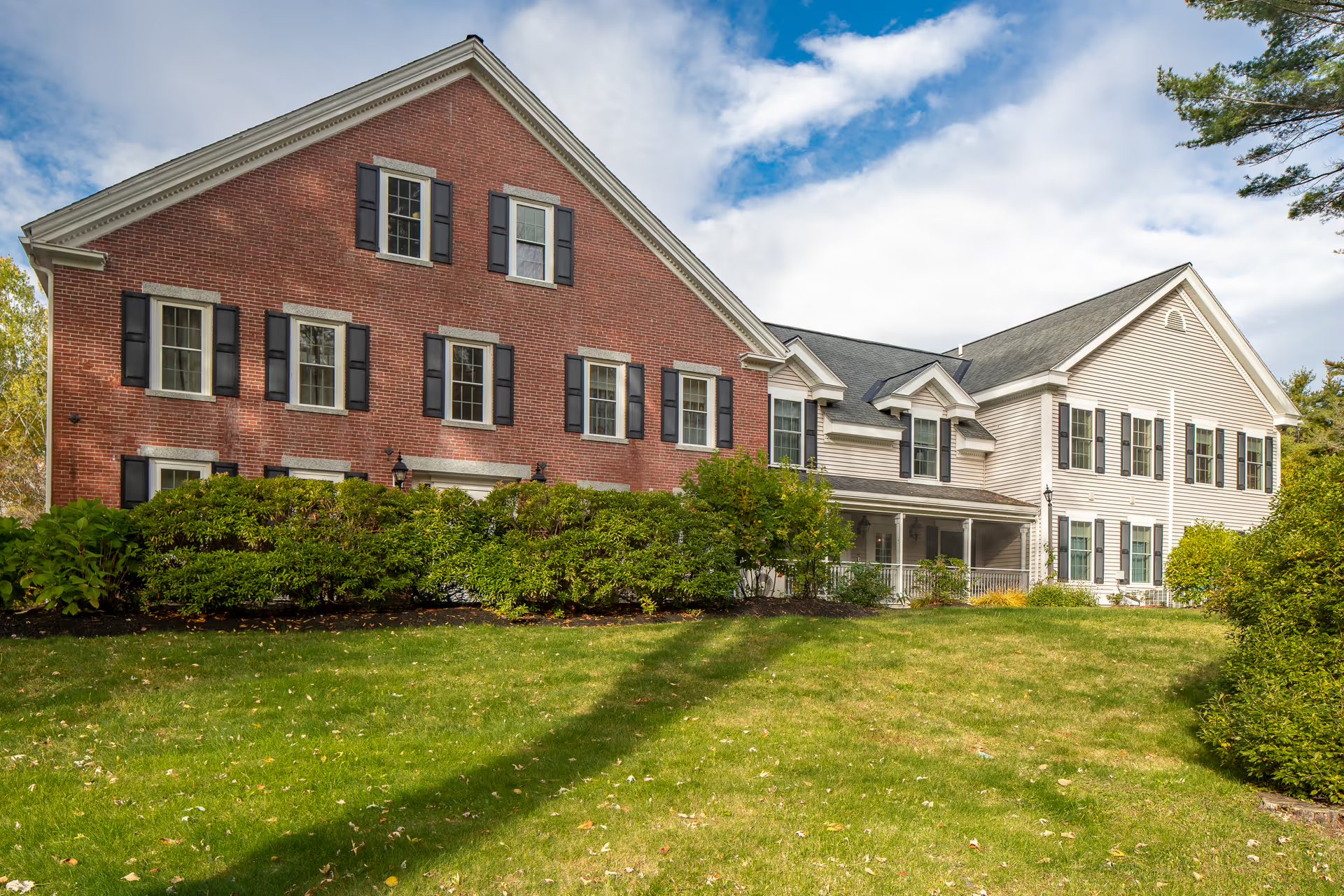
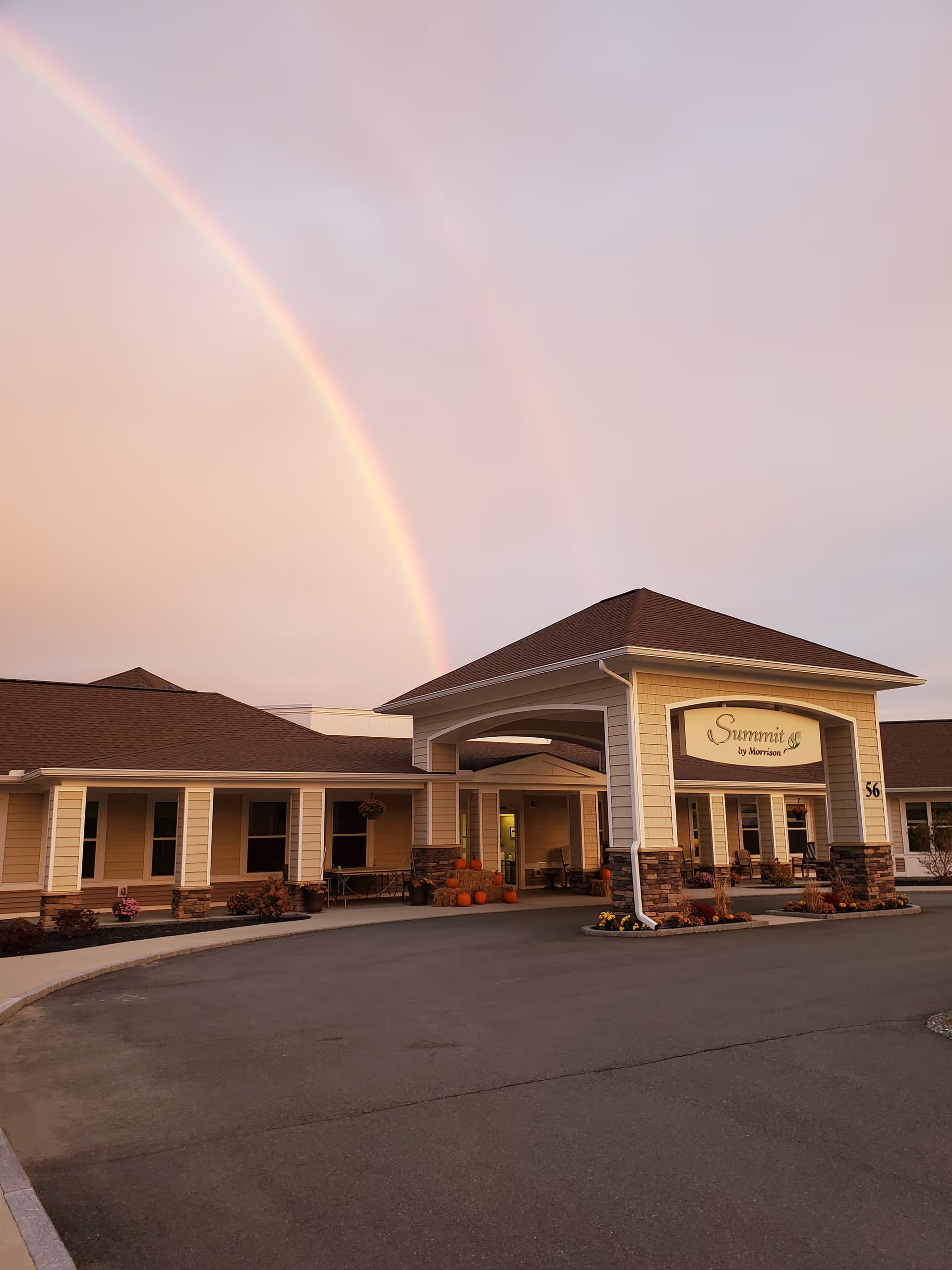
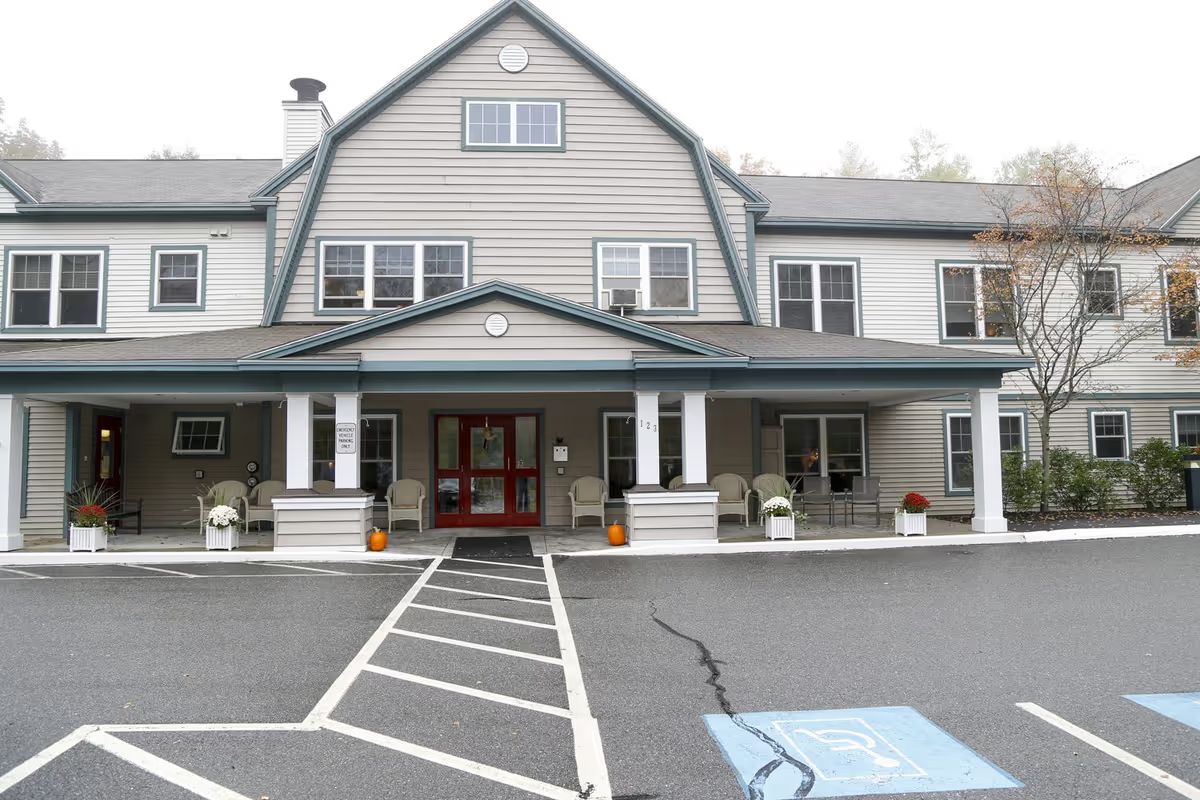
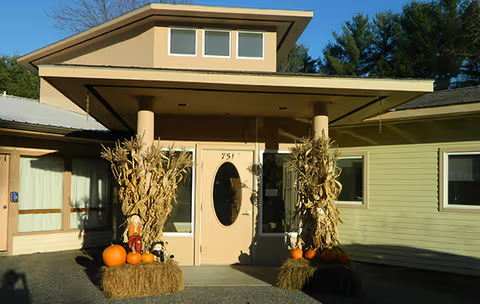
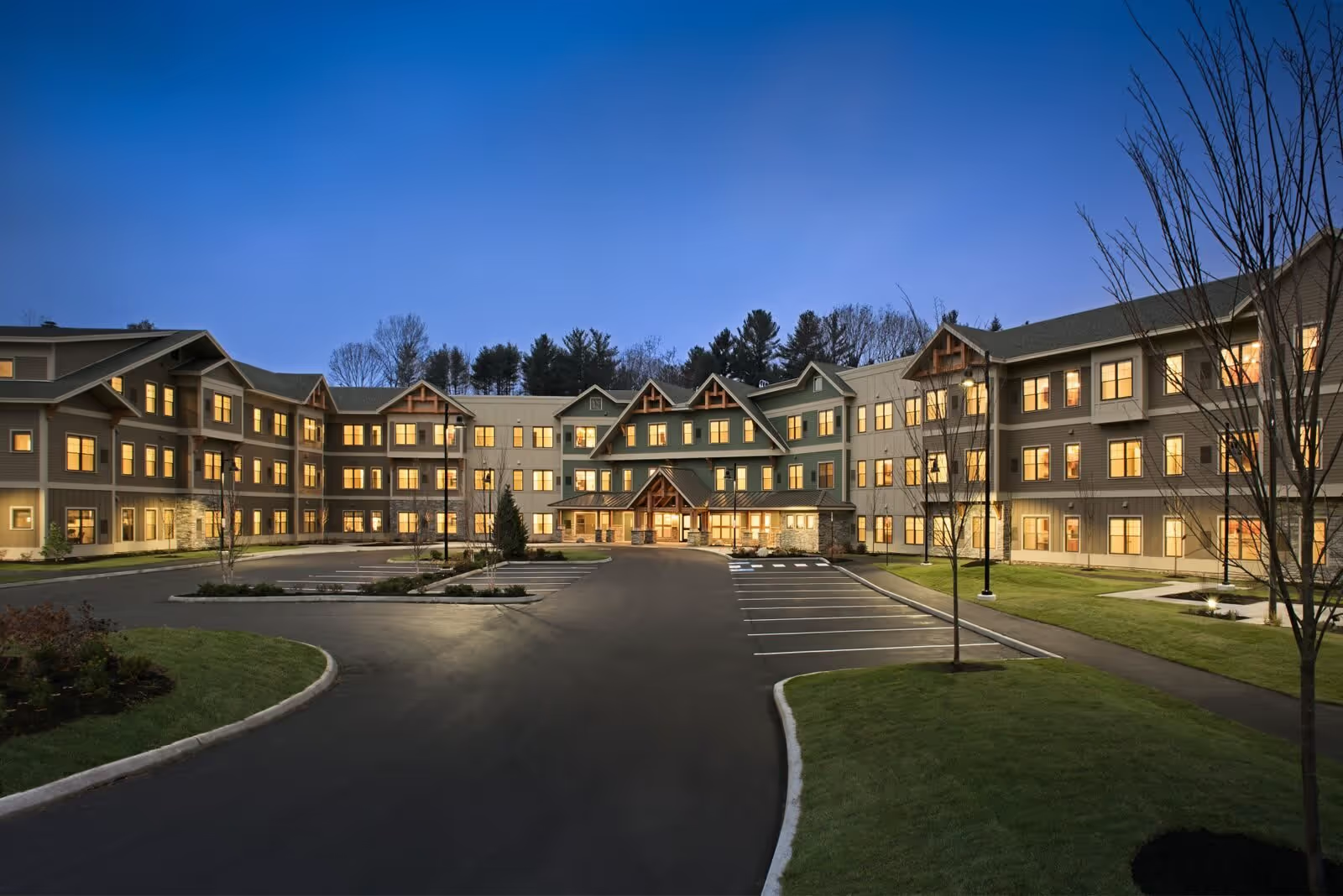
Facilities and maintenance feedback reflects contrasts between aesthetic strengths and operational problems. Reviewers often described a pleasant facility and tidy common areas, with adequately sized rooms and storage; yet multiple accounts identified recurring maintenance and sanitation concerns such as unreliable room equipment, plumbing problems, and episodic water-quality or cleanliness issues. These items suggest a gap between building appearance and some underlying upkeep practices.
Management and communication show polarized impressions. Some reviewers praised specific administrators and cited responsive leadership and good admission/settling support. Others reported poor administrative follow-up, receptionist communication issues, and turnover that impeded consistency. Several families described challenges coordinating discharges or transfers, sometimes linked to insurance or administrative processes.
Notable patterns for prospective residents and families: expect variable day-to-day reliability. Strengths include dedicated individual caregivers and strong therapy services when those teams are present; risks include inconsistent staffing, delays in routine clinical interventions, maintenance reliability issues, and variable family communication. Visitors and decision-makers should consider direct observation of therapy schedules, staffing levels, and response times for call bells and medications during tours, and maintain active advocacy for care needs if choosing the facility.