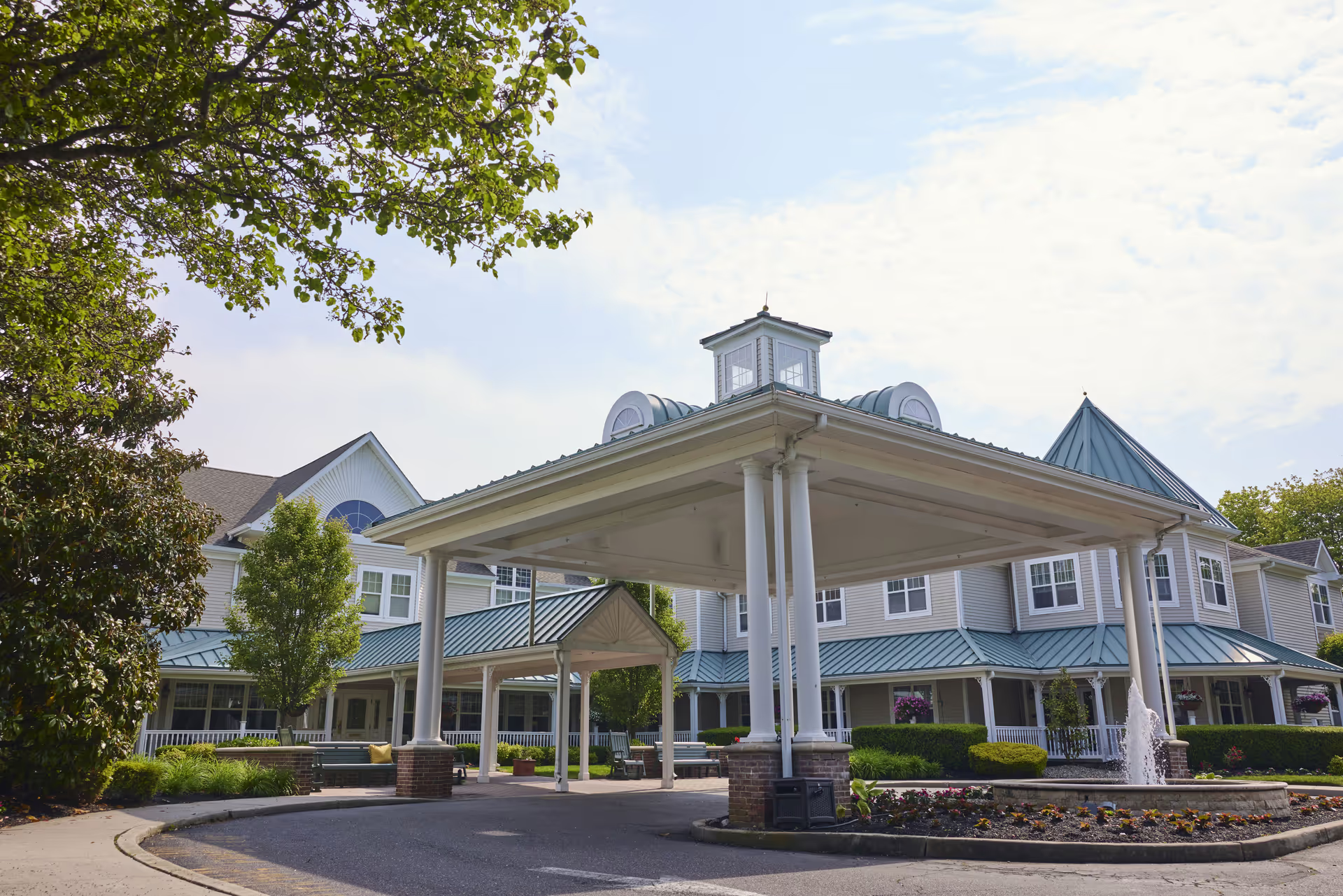
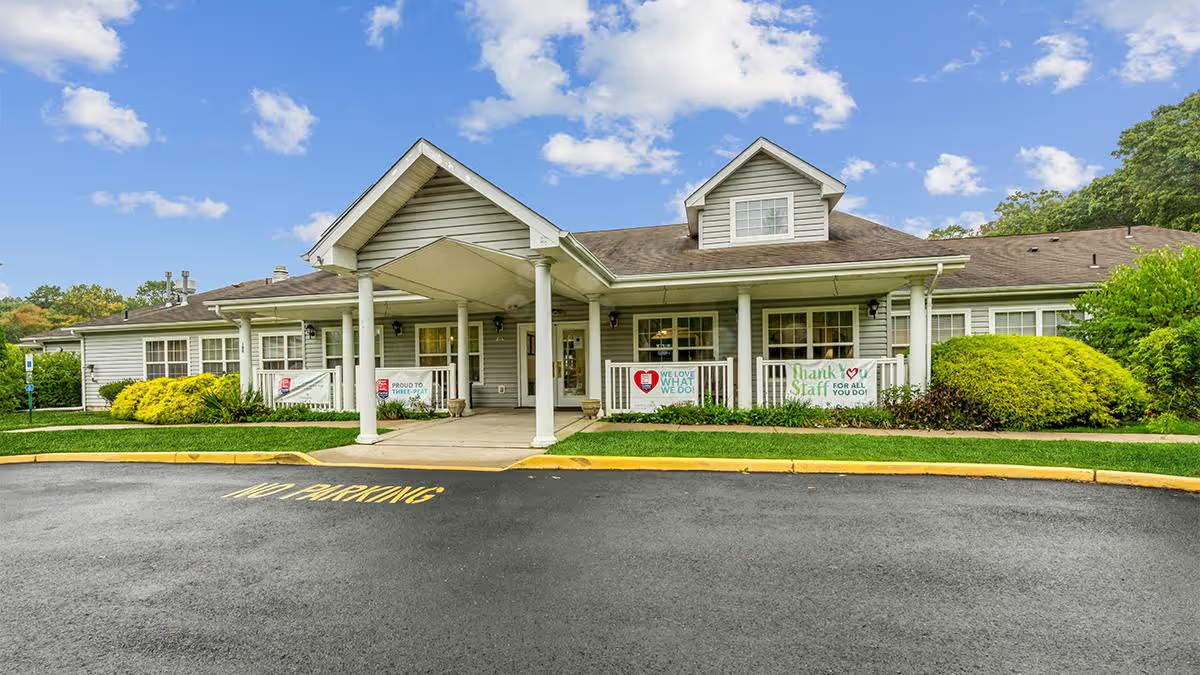
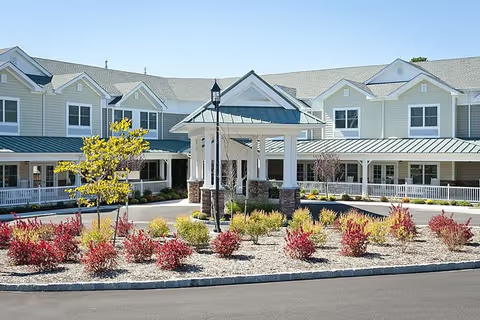
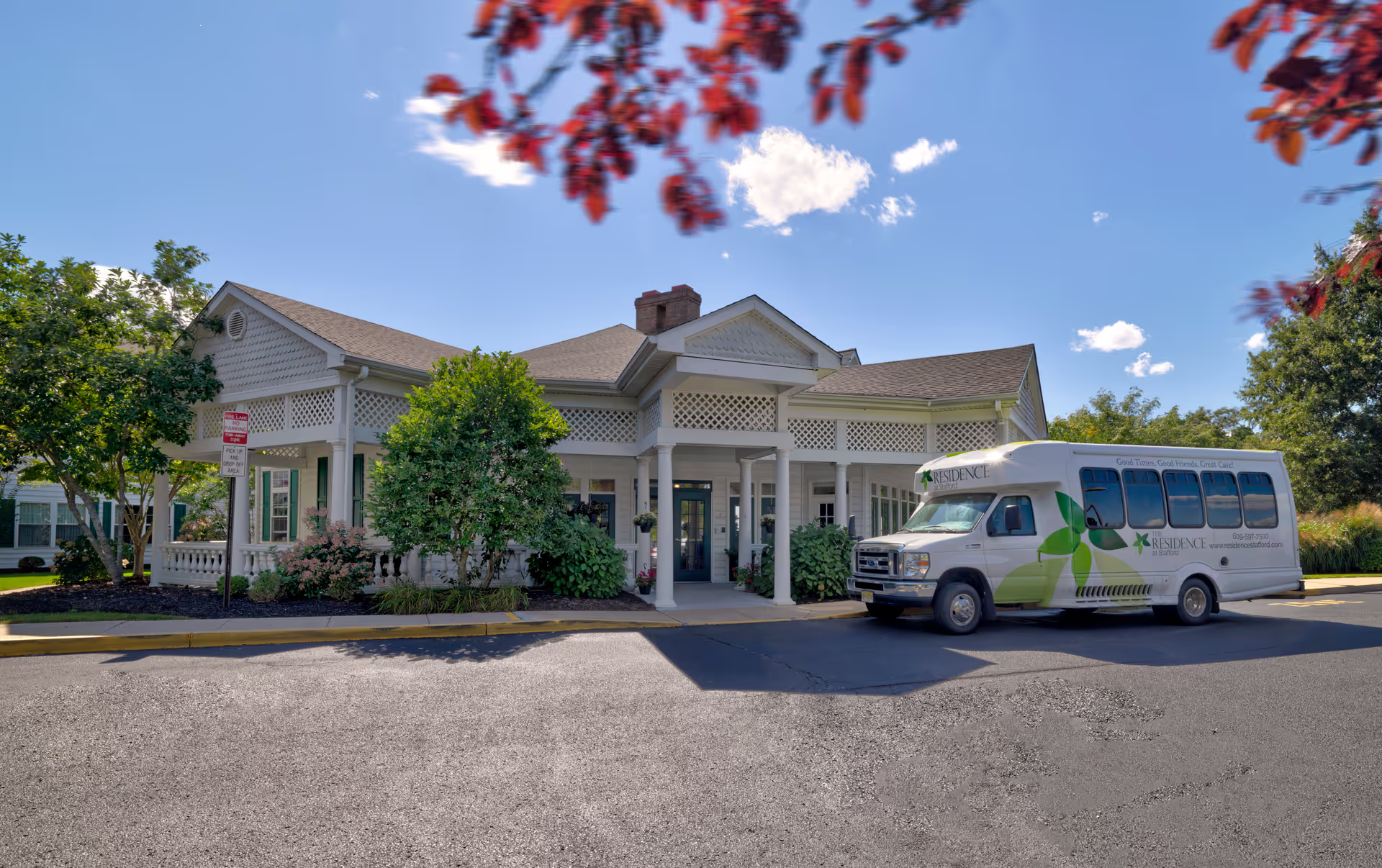
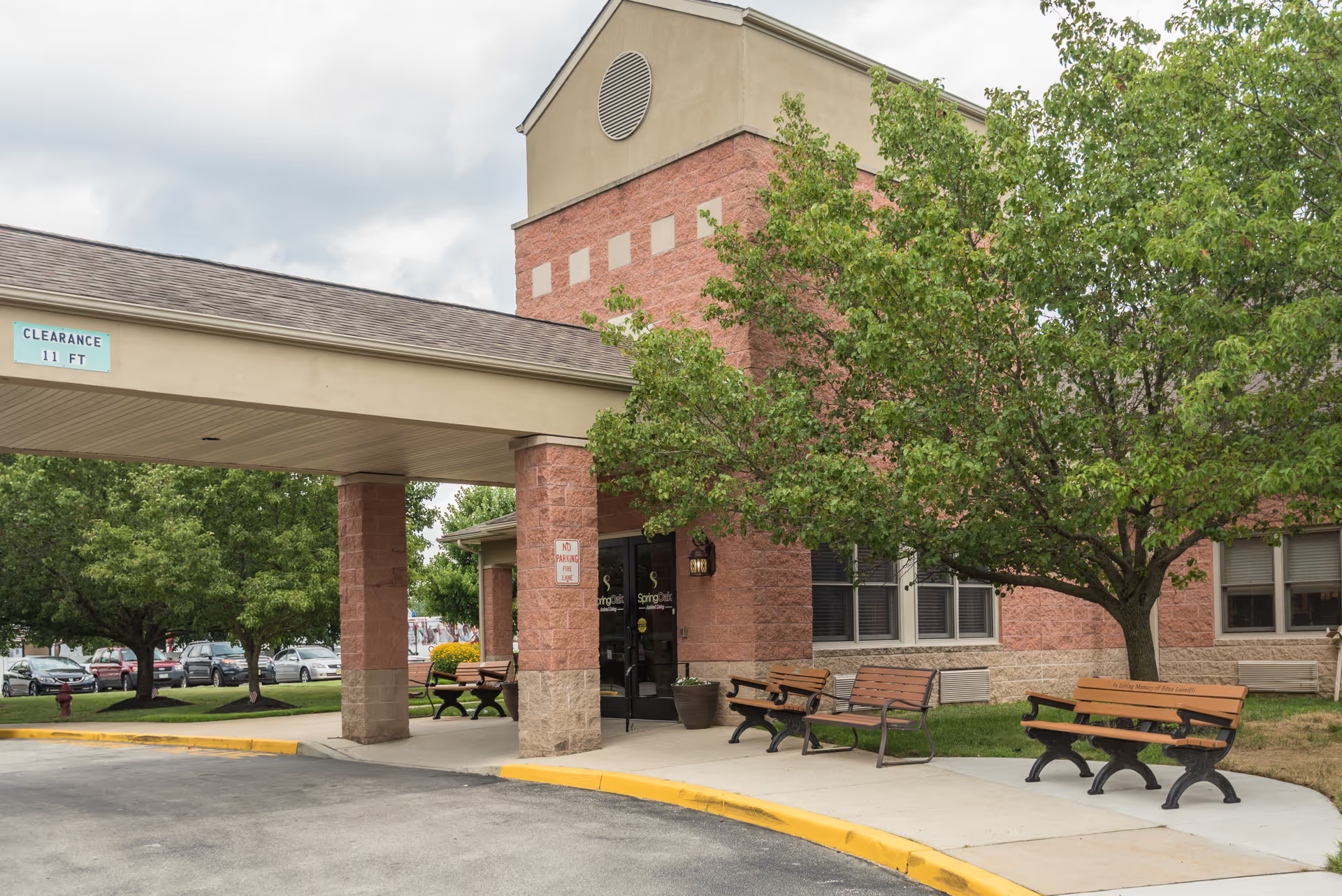
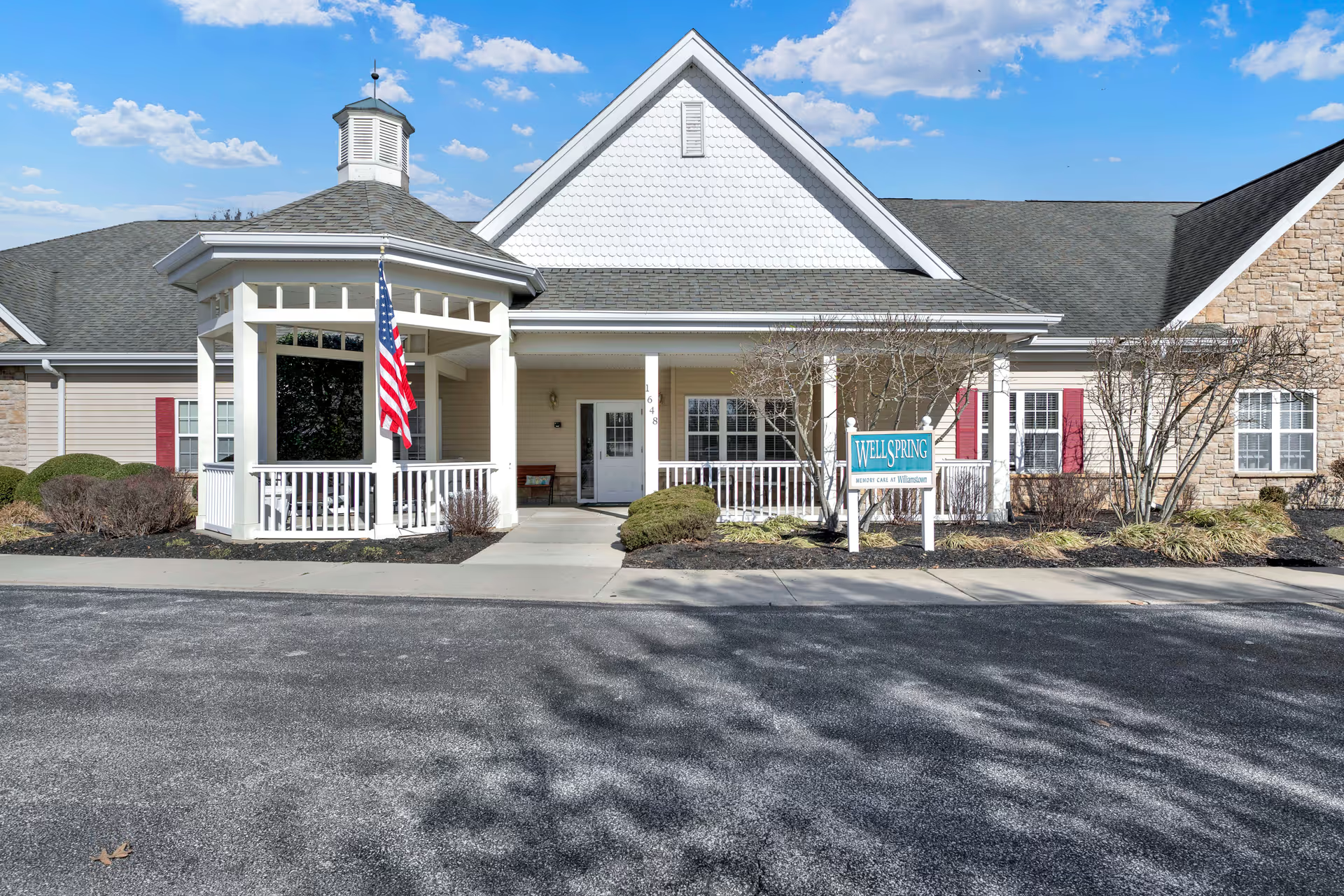
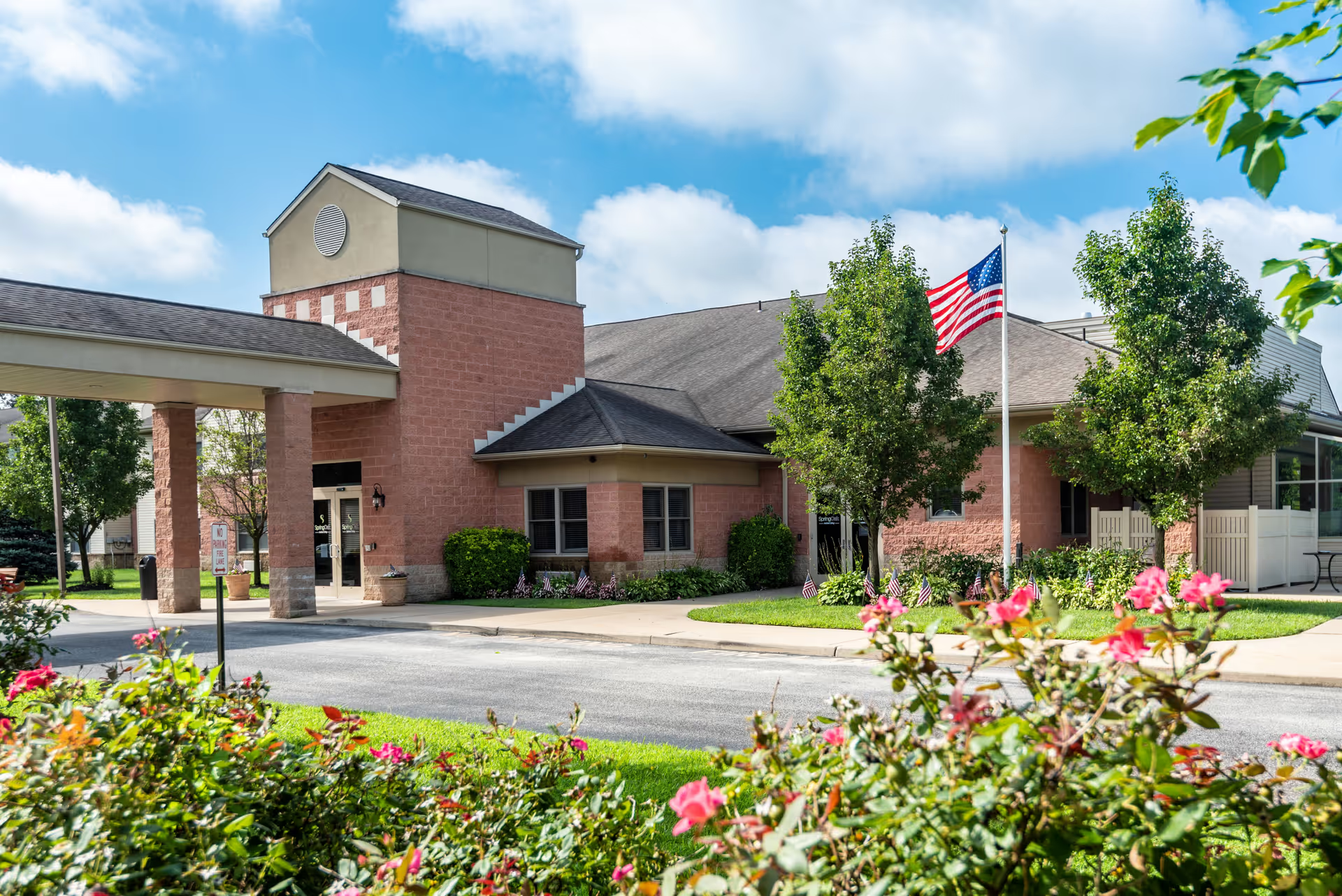
Overall impressions of Seashore Gardens Living Center are mixed but lean toward positive when considering facility quality and rehabilitation outcomes. The campus is frequently described as clean, bright, and well maintained, with many reviewers praising recent upgrades, an Atlantic City boardwalk–themed community room, an aviary, attractive grounds, and retail-style amenities such as a snack bar and flower shop. Private and adequately sized rooms are available, and some rooms include kitchenettes; memory-care units are characterized as adequate but without room kitchenettes.
Clinical and rehabilitative services earn consistent positive remarks. Reviewers commonly highlight effective physical and occupational therapy programs that led to measurable improvement, plus supportive social-services assistance for coordinating home care and Medicaid. Memory-care staff are often described as attentive and respectful. At the same time, reviewers describe variability in day-to-day clinical care and staff conduct — some families report consistently compassionate, professional nurses and aides, while others describe uneven responsiveness and periods where staffing appeared stretched.
Dining and activities present a mixed picture. The facility offers a range of social programming, musical gatherings, parties, outdoor mini-golf, and other recreation that contribute to a convivial atmosphere; reviewers often describe residents as engaged and socially connected. However, several accounts point to limited activity options outside of therapy blocks (downtime that can default to television) and variability in the quality and quantity of meals, with some finding food nourishing but unremarkable and others noting disappointing portions or menu monotony. Kosher meal options are available, which is an important amenity for some residents but was noted as a limiting factor for others.
Operational concerns center on staffing, maintenance, and cost. Multiple reviewers referenced periods of understaffing or overworked personnel, with consequences such as delays in attending to residents and uneven service continuity; some attributed these issues to a recent change in ownership and transitional staffing pressures. Maintenance issues, including malfunctioning equipment or delayed repairs, were noted intermittently. Cost and affordability are recurring themes: while many families would recommend the facility for its amenities and care, several also flagged high prices as a barrier.
In summary, Seashore Gardens presents strong physical assets and rehabilitation capability, a clean and engaging campus, and many examples of caring, professional staff. Prospective residents and families should weigh those strengths against variability in staffing and day-to-day service execution, maintenance follow-through, meal consistency, and cost. A visit focused on current staffing levels, recent maintenance records, meal samples, and a review of activity schedules — along with questions about post-ownership operational changes — would help determine whether the facility’s typical daily experience matches a particular family’s priorities.