Allendale Senior Living elicits strongly mixed impressions: a substantial portion of feedback describes a well-appointed, modernized community with compassionate frontline staff, effective rehabilitative services, and an active program of meals and activities, while a smaller but significant set of concerns points to operational inconsistencies and management instability.
Care and staff: Many families and residents highlight warm, attentive caregiving, citing compassionate nurses, aides, and engaged activity staff who provide regular updates and personalized attention. Reviewers frequently note effective short-term rehab outcomes and capable therapy teams (physical and occupational). At the same time, there are recurring concerns about inconsistent staffing levels, high turnover, and variability of care between units and across shifts—particularly in memory care—leading some families to report delays in responsiveness and uneven supervision. There are specific operational concerns related to medication management and documentation that warrant attention and clarification.
Dining and nutrition: Dining is a visible strength for many reviewers: restaurant-style service, plentiful portions, and varied daily specials are often praised, and new dining staff and chefs are singled out positively. Conversely, other families report inconsistent food quality and limited healthy options (for example, an emphasis on fried or salty fare and limited fresh fruit), indicating variability in meal planning and nutritional balance across occasions.
Activities and social engagement: Activity programming is frequently described as robust and engaging, with memory-care units offering singing, movement, outings, and themed events. Several reviewers praise specific activity coordinators and locations such as an on-site movie theater and clubs. However, there are also complaints that scheduled activities sometimes do not occur as posted, that activity staff changes reduced offerings in some periods, and that implementation can be uneven between neighborhoods.
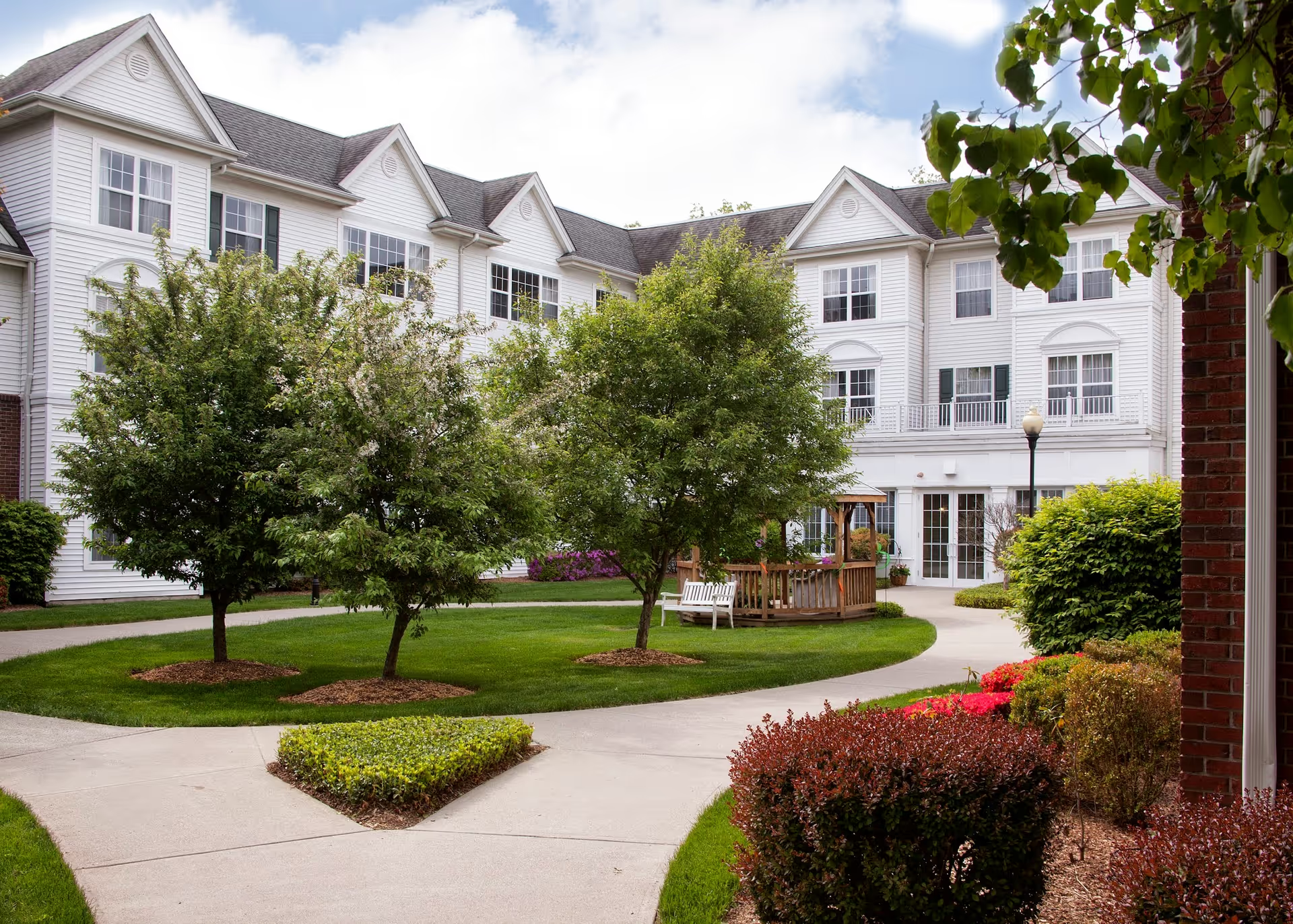
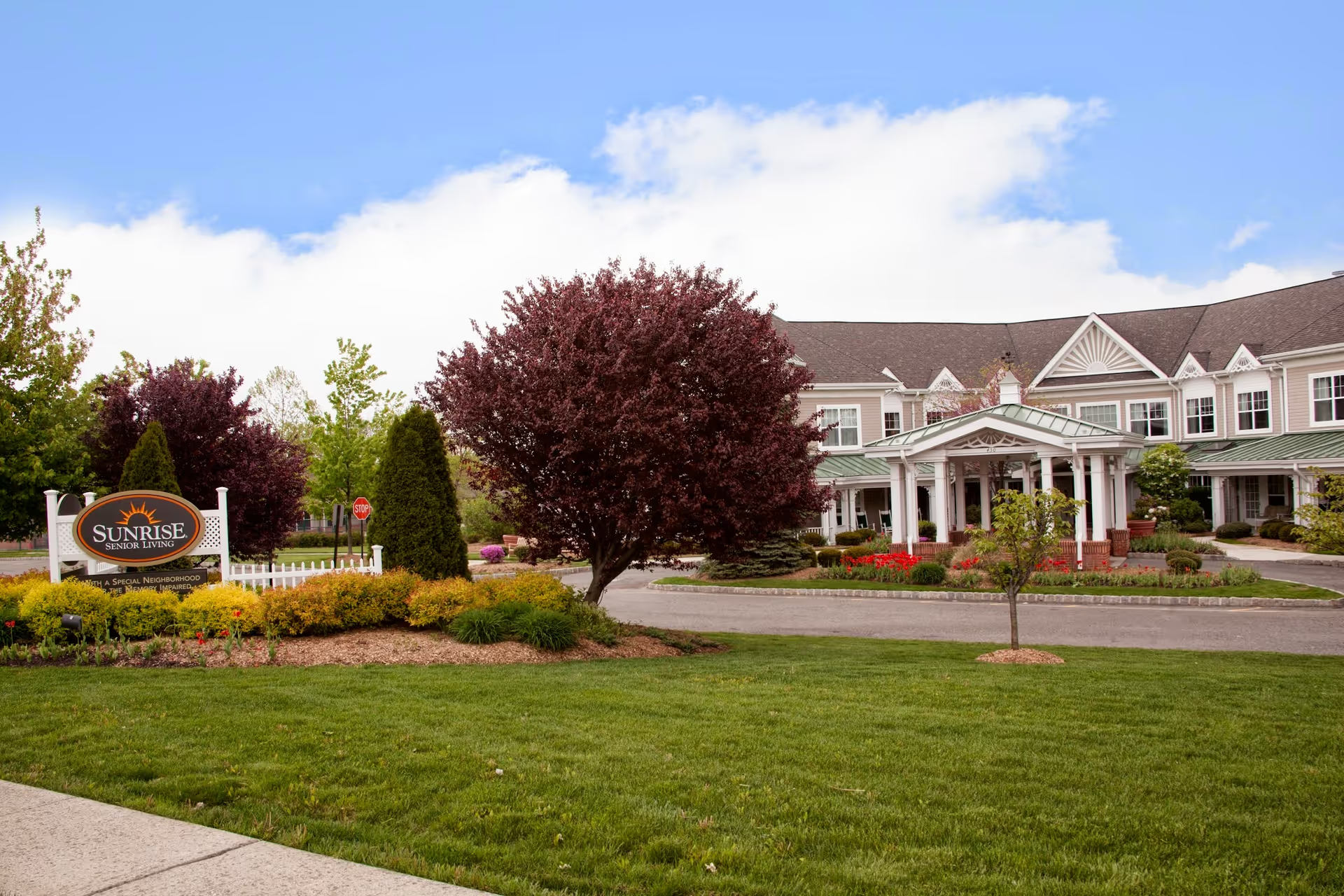
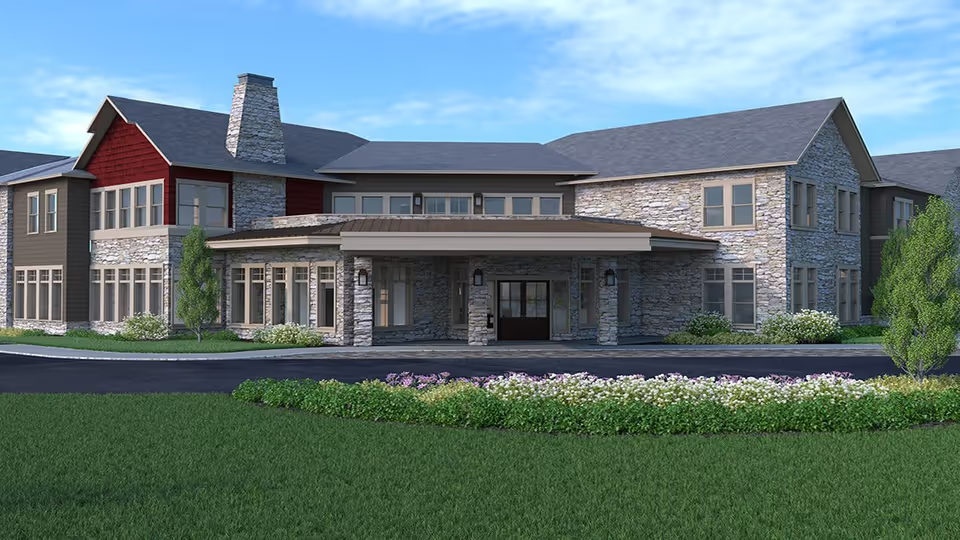
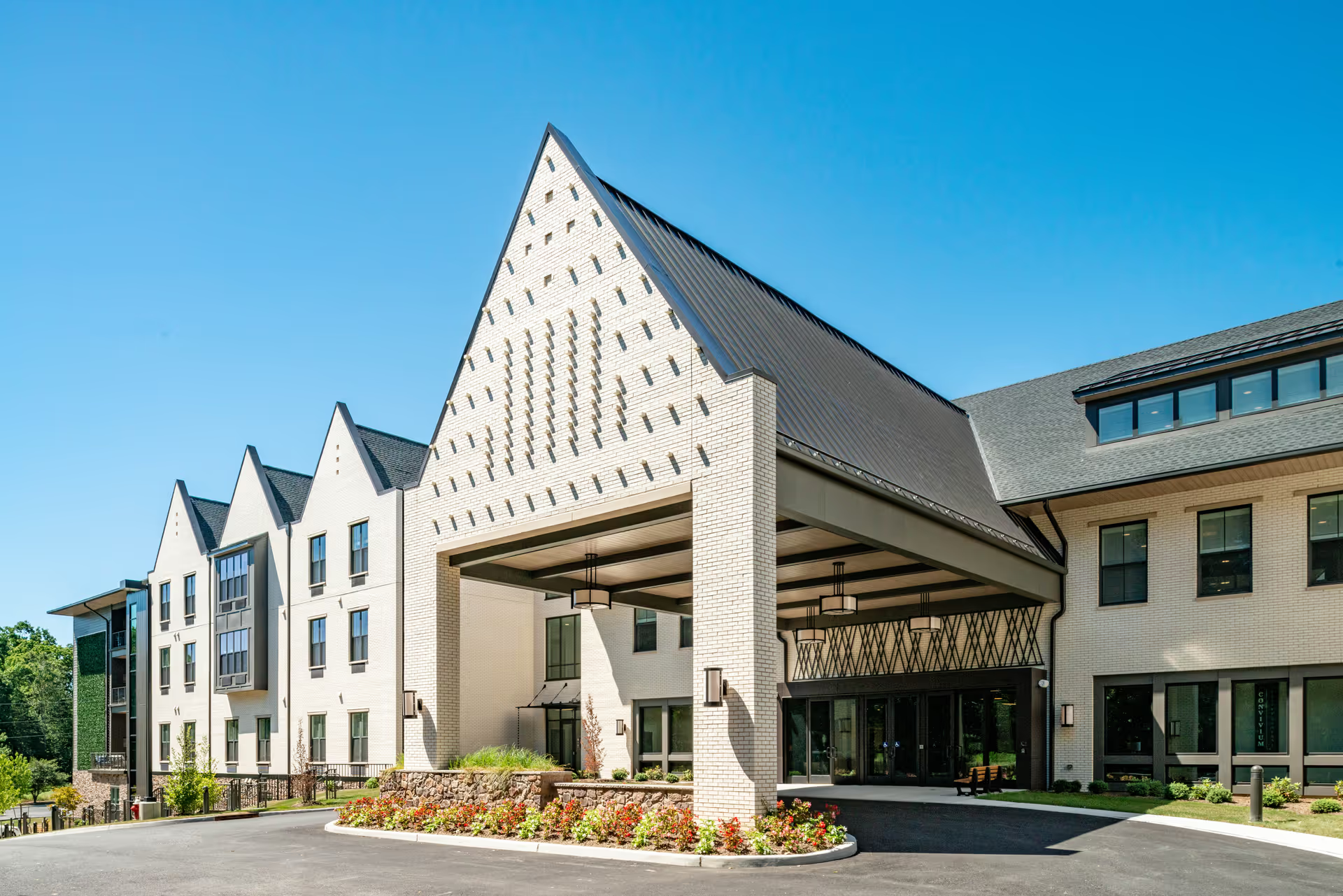
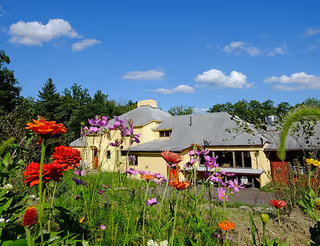
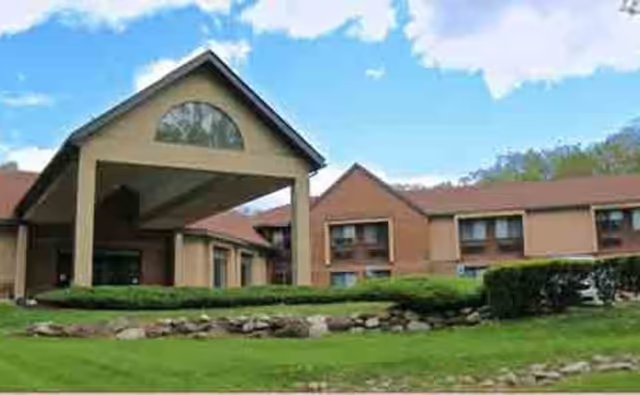
Facilities and environment: Many reviews note recent renovations—hotel-like hallways, remodeled rooms, fresh paint, and modern finishes—alongside well-kept landscaping and comfortable outdoor spaces. At the same time, the campus is large and partially under ongoing renovation; some wings and shared spaces remain dated. Several families expressed concern that the facility scale can make individualized supervision and orientation harder for residents who need it.
Management, communication, and compliance: Admissions staff and certain leaders receive frequent positive mentions for responsiveness and supportive transitions. Yet there are also patterns of inconsistent administrative responsiveness, opaque billing/pricing communication, and leadership turnover that have unsettled families. A small number of reviews reference more serious allegations and regulatory contacts; those accounts indicate that some families escalated concerns to oversight agencies, which suggests areas where documentation, complaint response, and transparency should be reviewed.
Overall pattern and guidance: The prevailing pattern is polarization: many reviewers recount consistently good experiences—clean, comfortable rooms, engaged staff, effective rehab, and enjoyable dining—while a distinct minority describe operational lapses that affected safety, sanitation, medication handling, activity delivery, or family communication. Prospective residents and families should weigh the facility's strong clinical and social offerings against the reported variability in day-to-day operations. Recommended next steps for decision-making include visiting multiple times and at different hours, meeting direct-care staff on the resident's unit, asking for written policies on medication administration and incident communication, reviewing recent regulatory findings or complaint resolutions, and clarifying how the community manages staffing fluctuations and activity continuity during ongoing renovations.