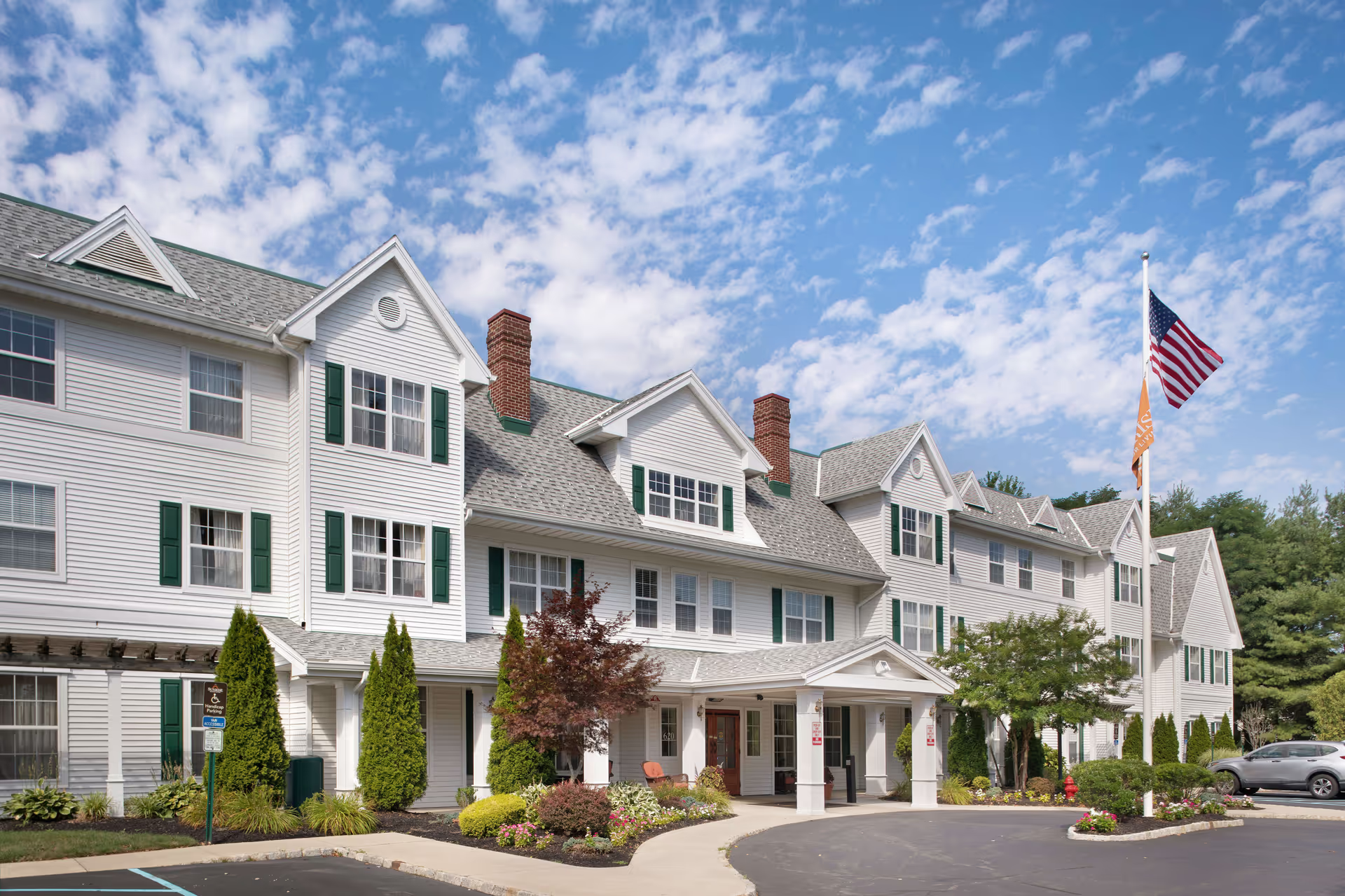
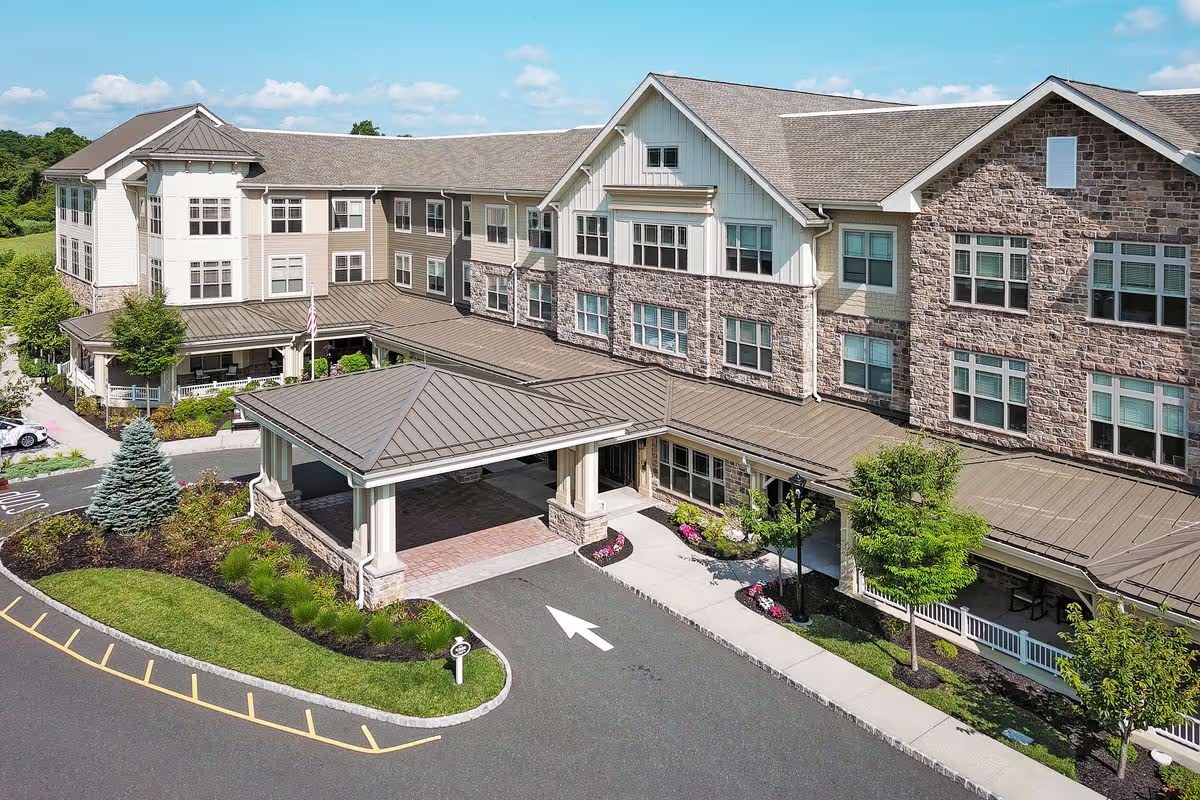
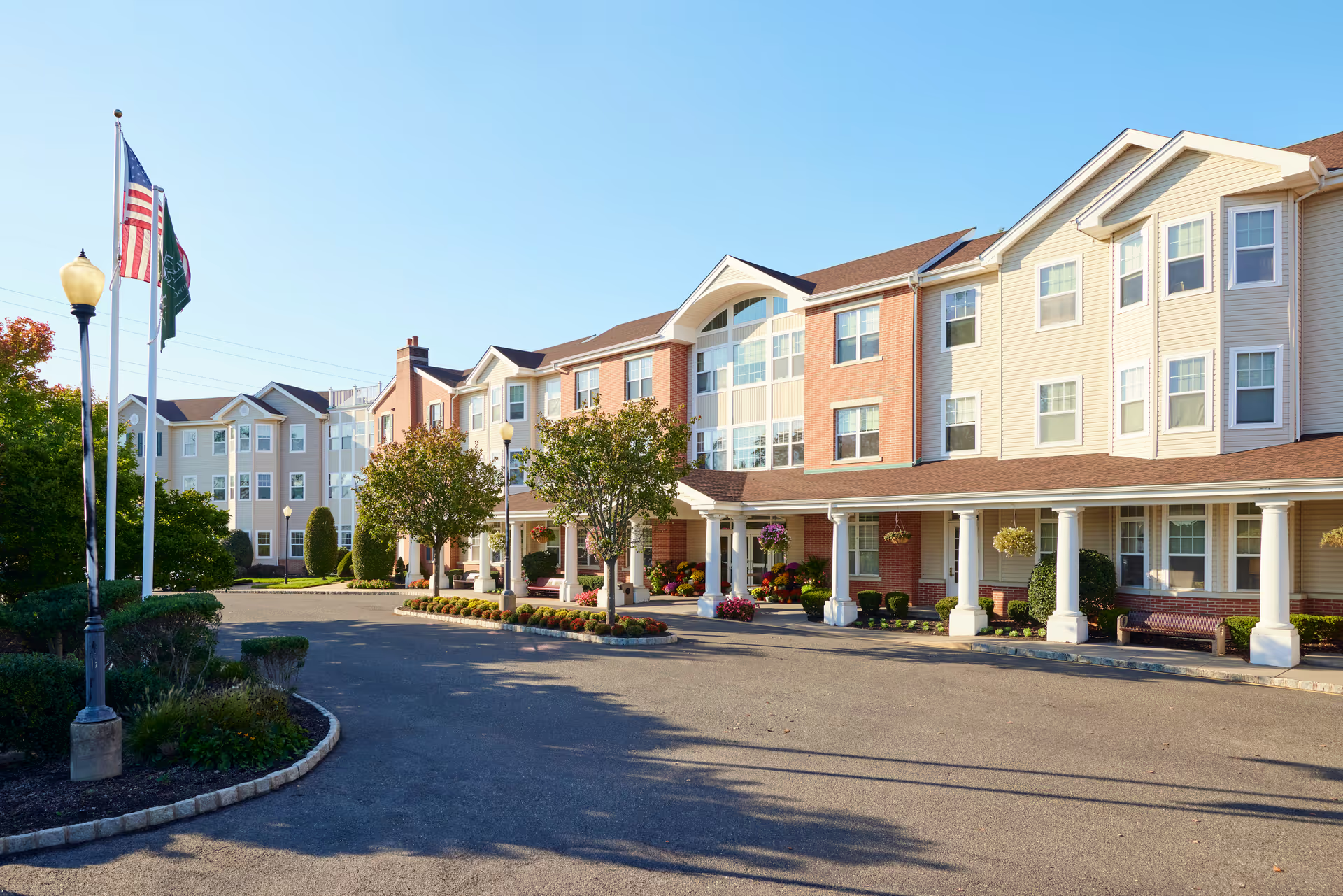
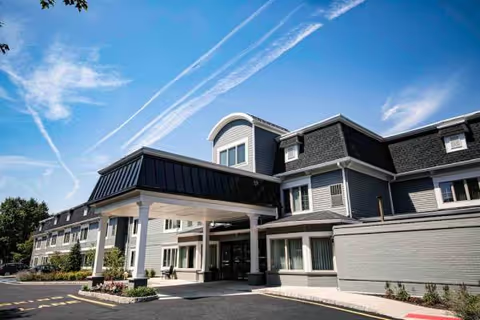
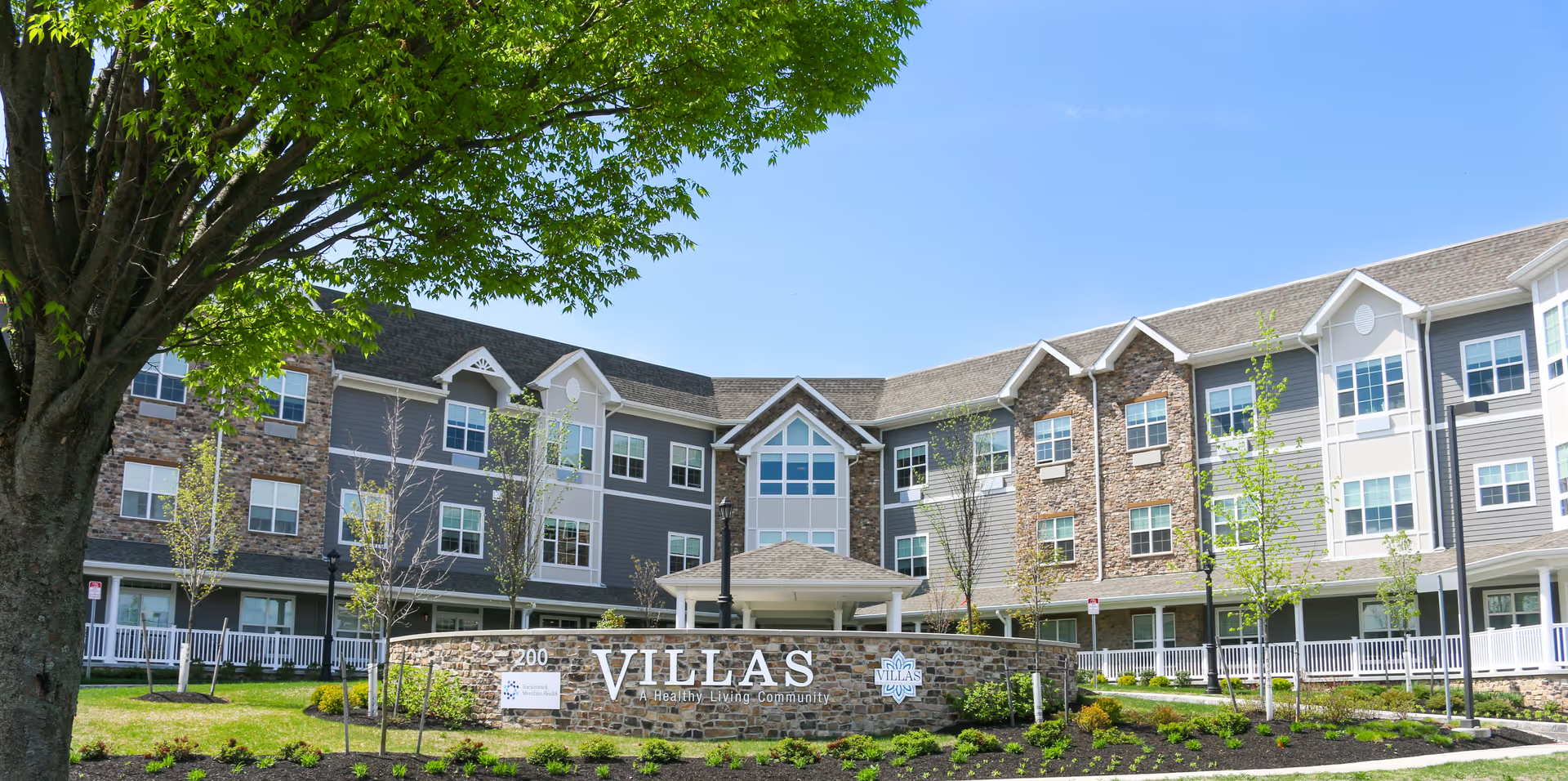
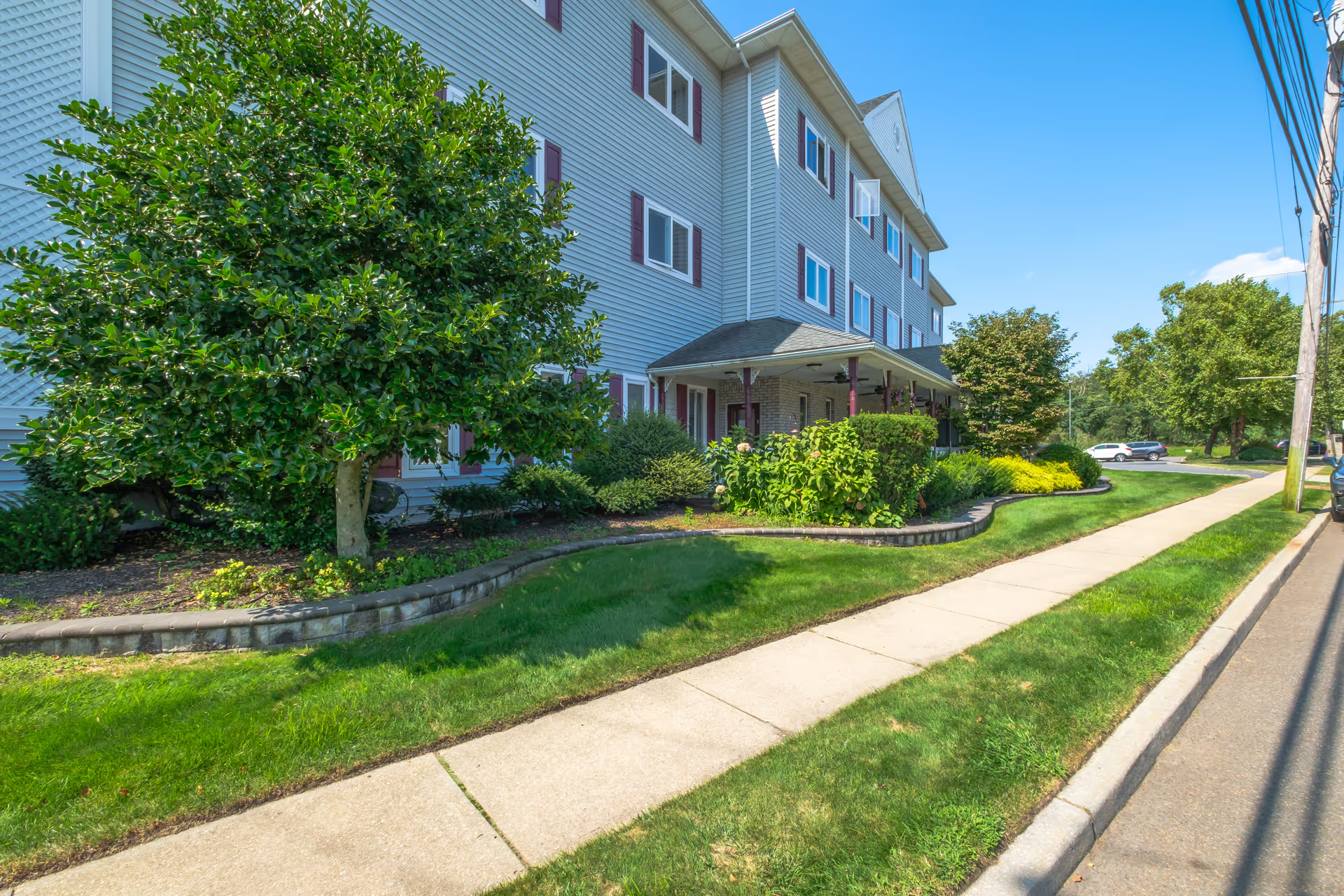
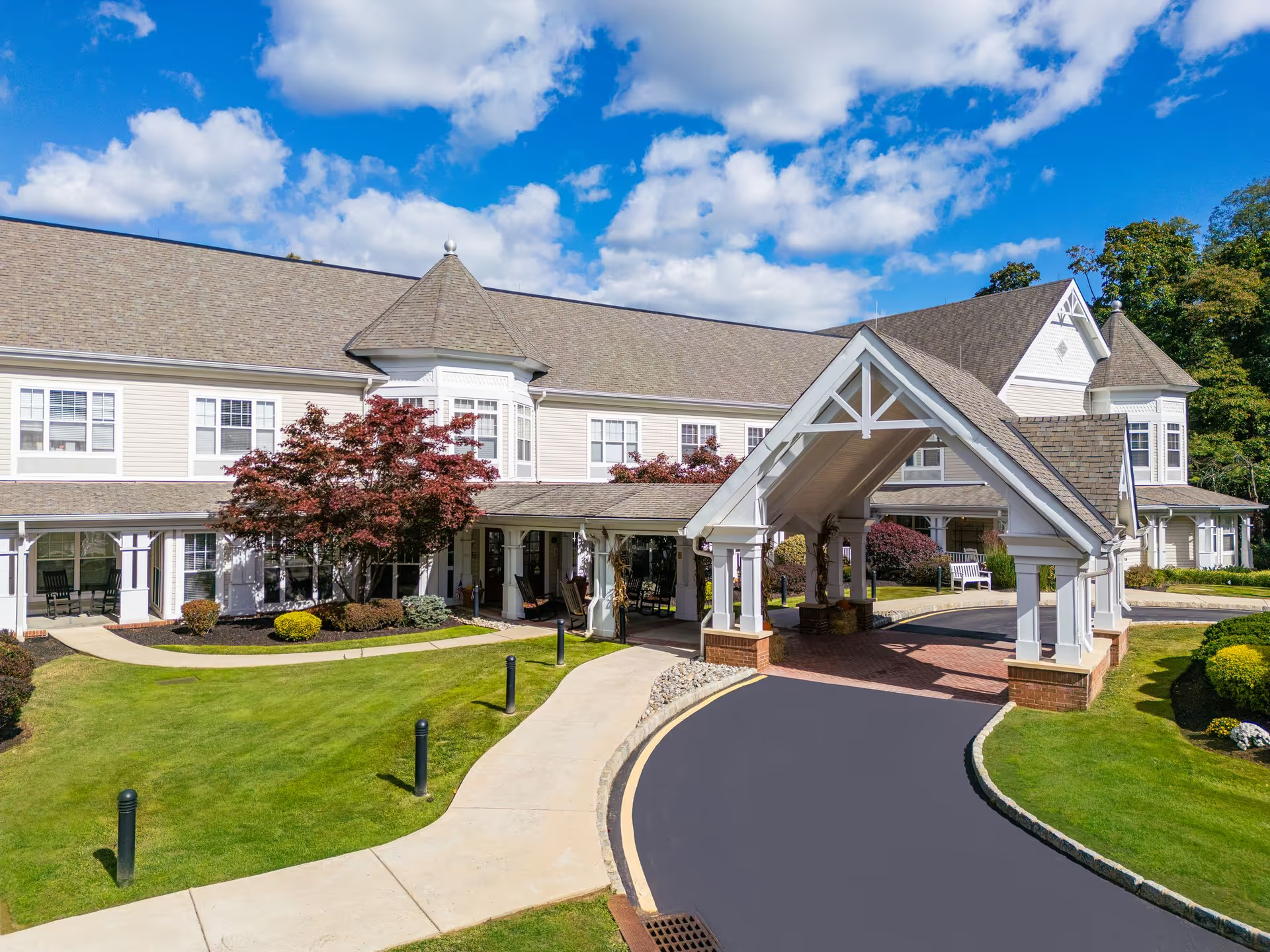
Overall impression: Reviews describe a facility with clear strengths in clinical rehabilitation, hands‑on caregiving, and an active community environment. Many families highlight strong physical and occupational therapy teams, attentive registered nurses and CNAs, and coordinated discharge planning that supports successful transitions home. The facility is frequently described as having a warm, hotel‑like atmosphere with welcoming admissions and front‑desk staff, a robust activities program (including programming for residents with cognitive impairment), and a dining program that can offer restaurant‑style meals and menu variety.
Care and staff: Clinical care and therapy are commonly cited as major strengths. Multiple accounts emphasize rapid mobilization, skilled therapists, and individualized therapy plans that produce measurable improvement in mobility and function. Nursing staff and aides are often described as compassionate and respectful, with positive family communication and involvement from social work and administration in many cases. Several reviews single out strong hospice and wound‑care capabilities. At the same time, there is a notable pattern of variability: while many families report attentive, consistent caregiving, others describe lapses in responsiveness to requests for assistance and longer-than-expected waits for basic care. These responsiveness issues appear tied in part to staffing and assignment continuity.
Dining and activities: The activities program receives frequent praise for variety, creativity, and social engagement; entertainers, themed events, and dedicated activity staff are described as contributing to a home‑like, social atmosphere. Dining receives mixed but generally positive feedback: reviewers praise high‑quality, restaurant‑style meals and accommodation of dietary needs, though other families describe inconsistent meal quality; this suggests variability in the dining experience across units or meals.
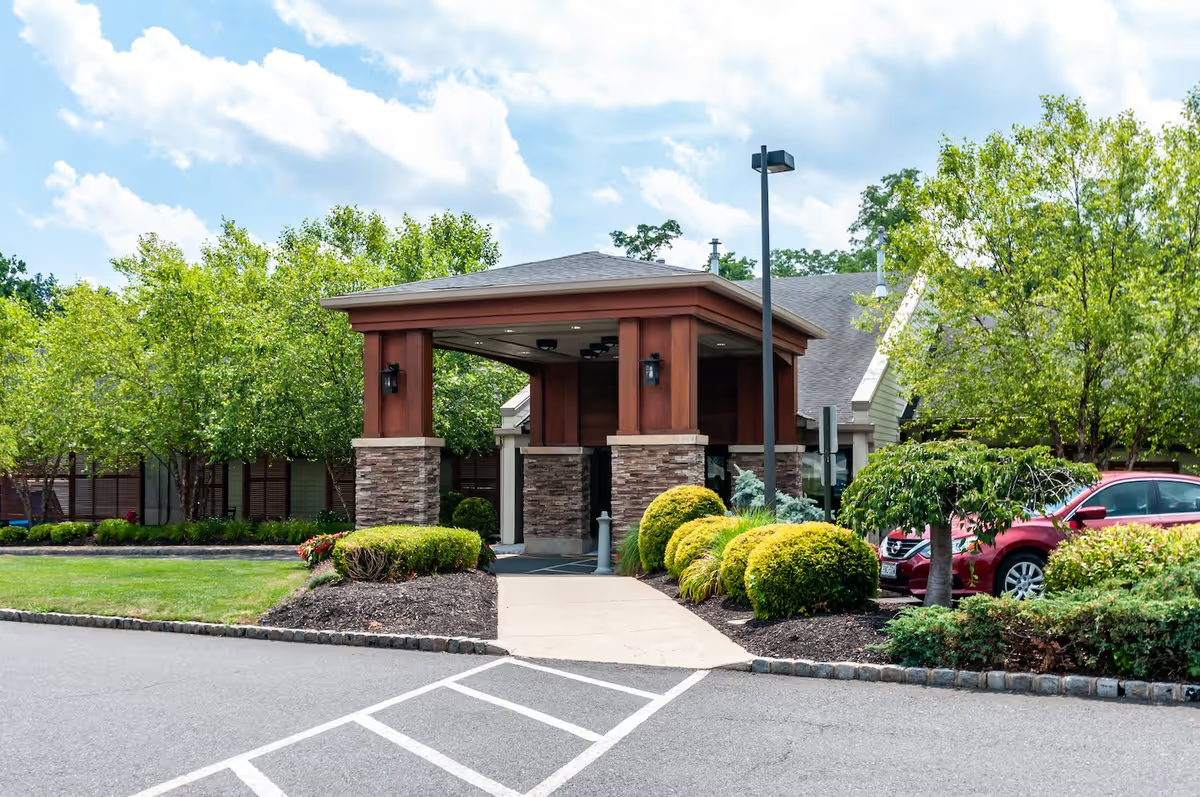
Facilities and environmental management: Many reviewers find the building clean, modern, and well maintained—especially in rehab areas and public spaces—and note responsive maintenance and housekeeping staff. Conversely, there are recurring sanitation and housekeeping concerns reported in certain units or rooms, along with issues around laundry management and personal‑item handling. These inconsistencies indicate that environmental standards may be uneven across the facility.
Operational and safety patterns: Several reviews raise operational concerns that affect resident safety and comfort: delayed responses to call lights and assistance requests, gaps in medication administration or monitoring, and weaknesses in transfer/fall‑prevention practices. These operational patterns are frequently linked to staffing levels and schedule continuity. Reviewers also describe variable management responsiveness when families raise complaints or safety concerns, producing a mixed picture of administrative follow‑through.
What to watch for and next steps: For families considering this facility, the strengths to weigh are robust therapy services, many examples of compassionate and skilled clinical staff, an active activities program, and an environment that can feel welcoming and well‑maintained. At the same time, there are consistent operational themes—call‑response reliability, unit‑level cleanliness and laundry processes, staffing continuity, and medication/monitoring practices—that warrant specific inquiry during a tour. Prospective residents and families should ask about current staffing ratios and assignment continuity, call‑light response metrics, infection‑control and housekeeping protocols, medication-administration safeguards, and how management documents and resolves family concerns. These focused questions can help assess whether the facility’s strong clinical and social programming will be delivered consistently for an individual resident.