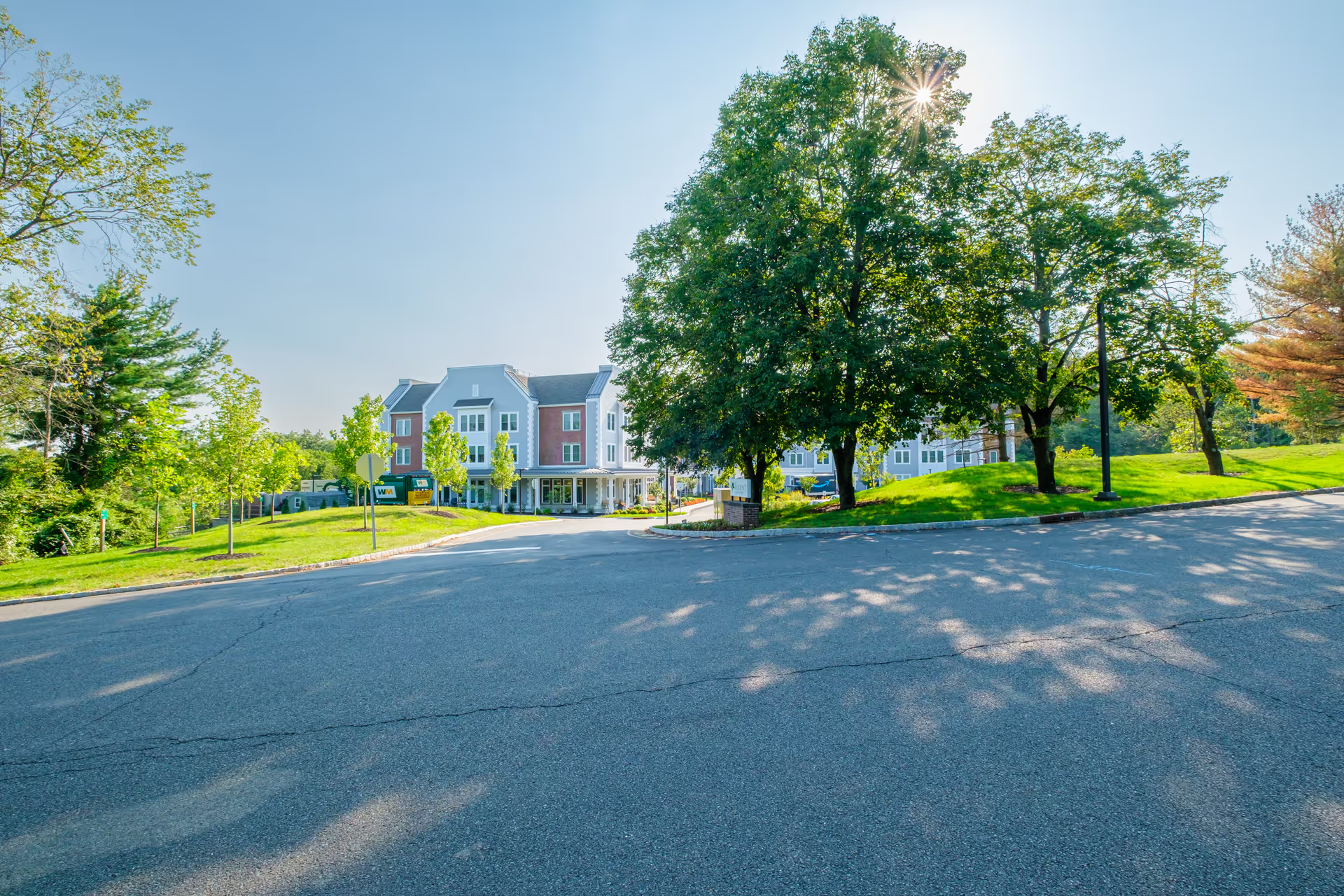
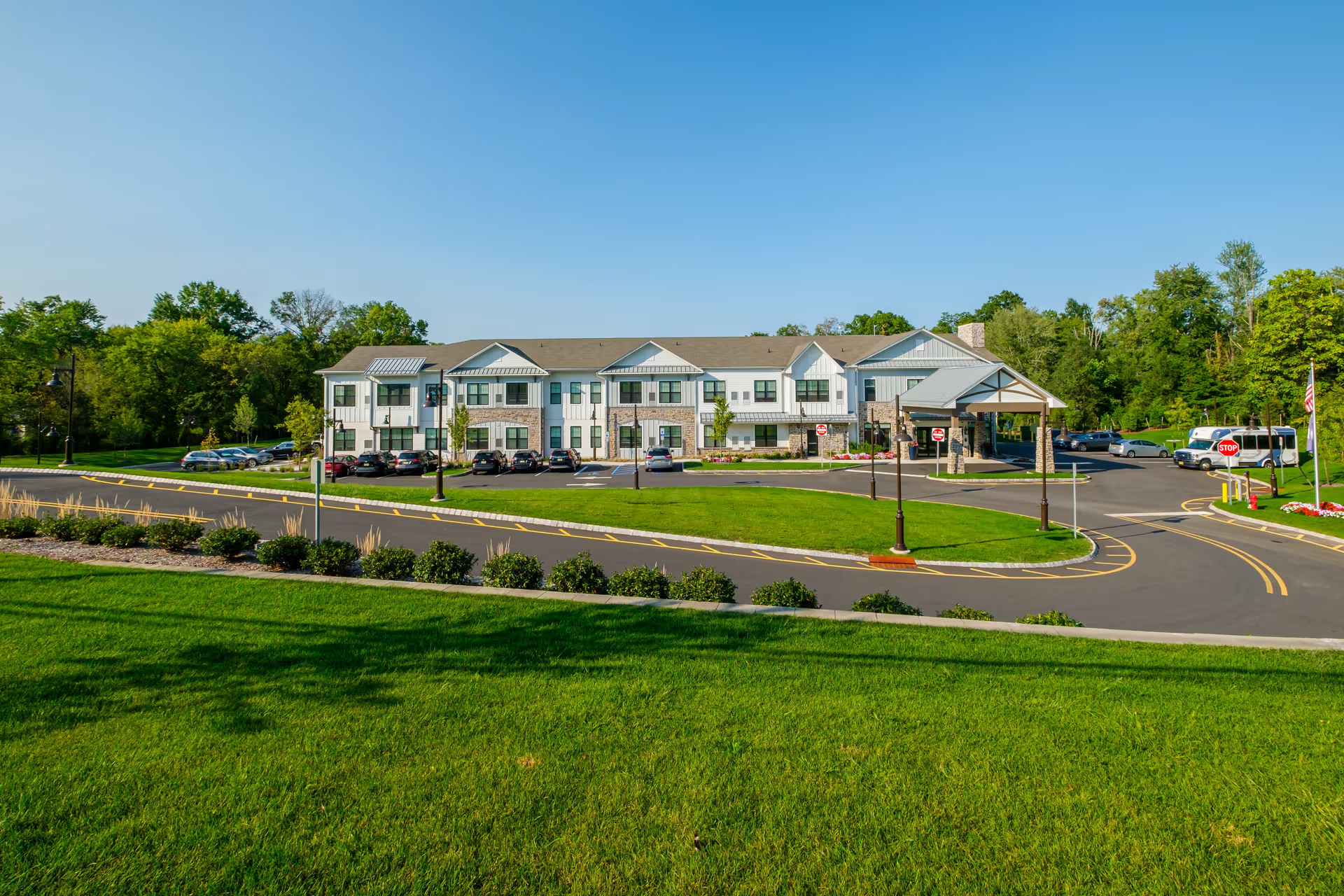
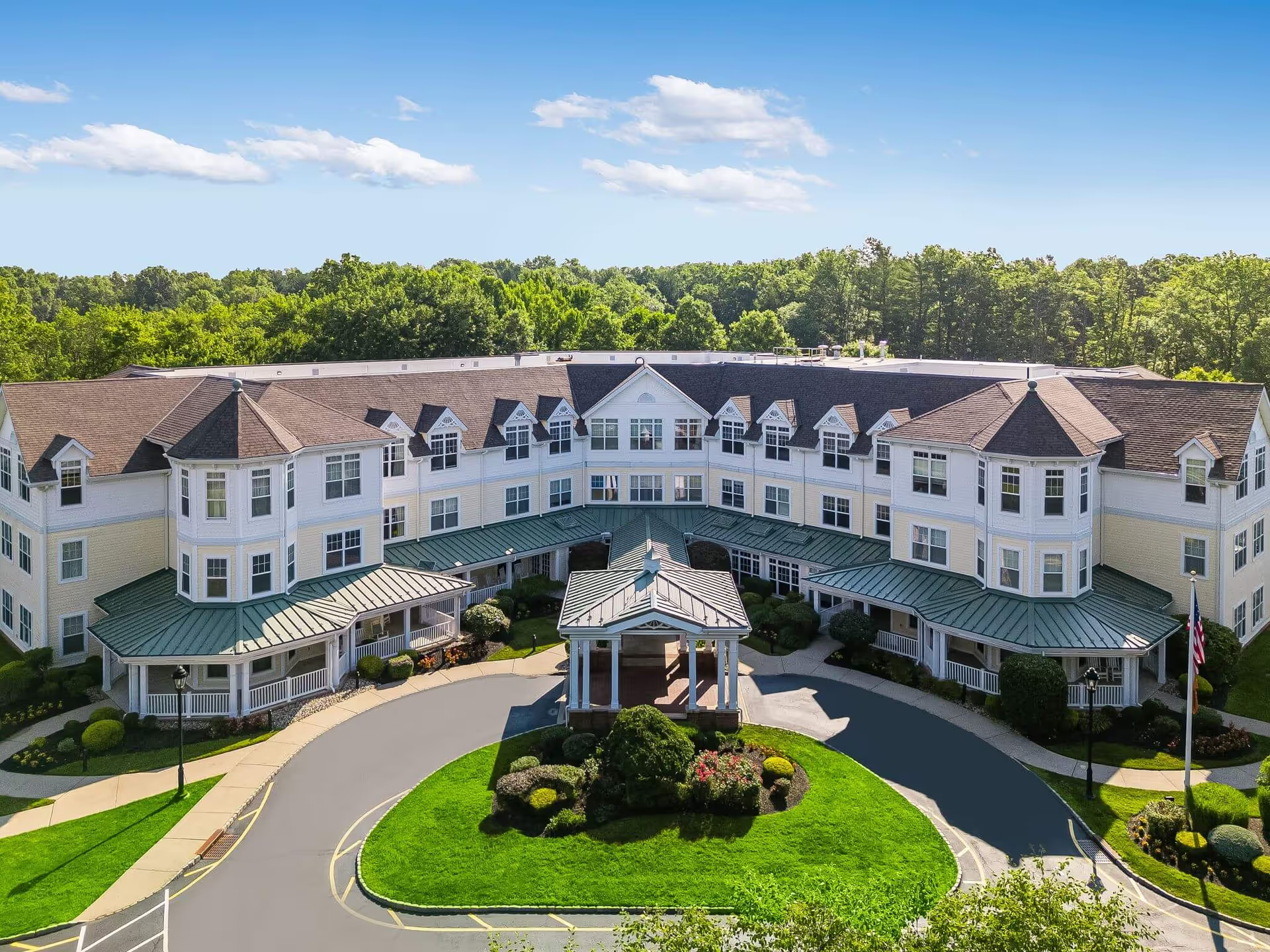
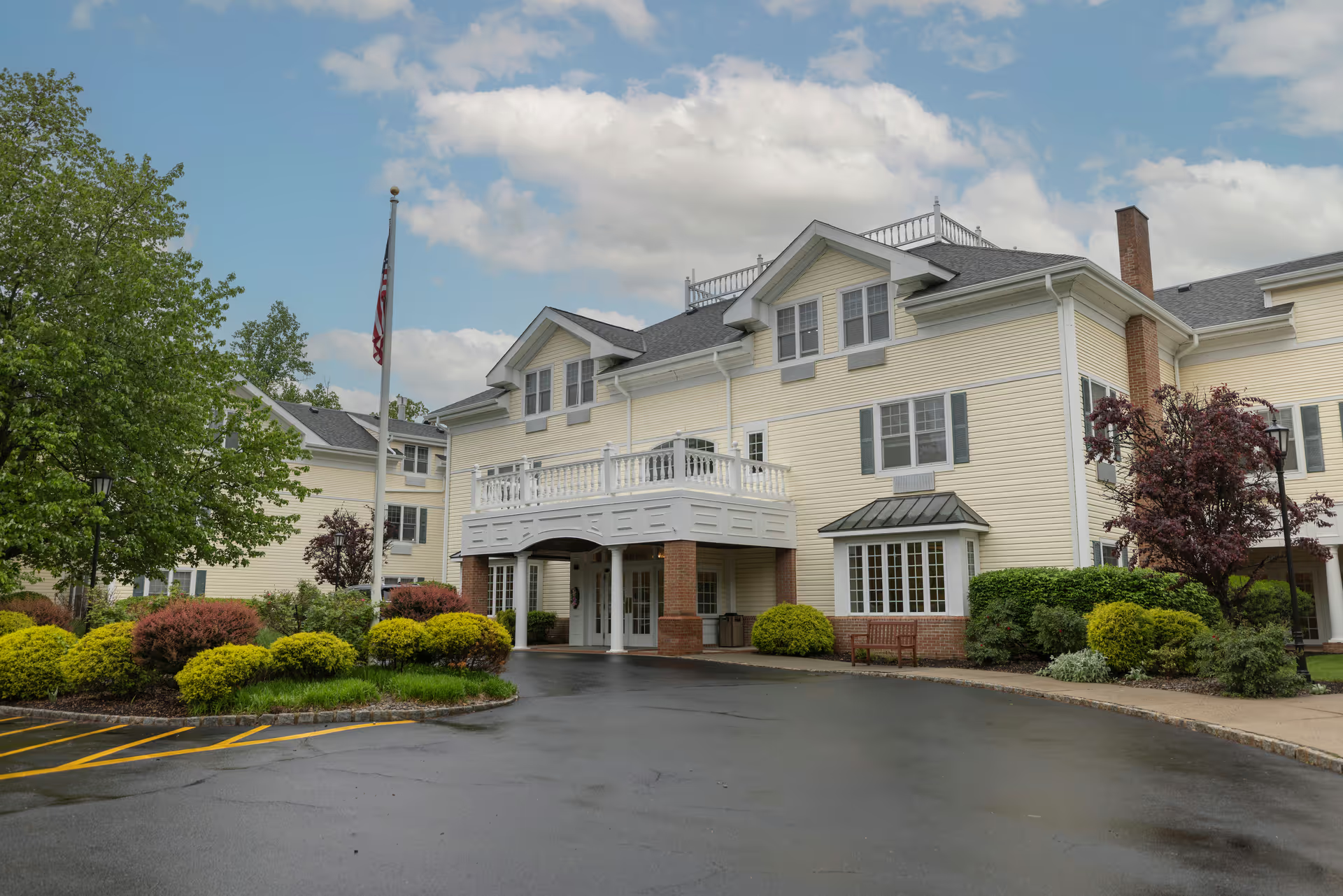
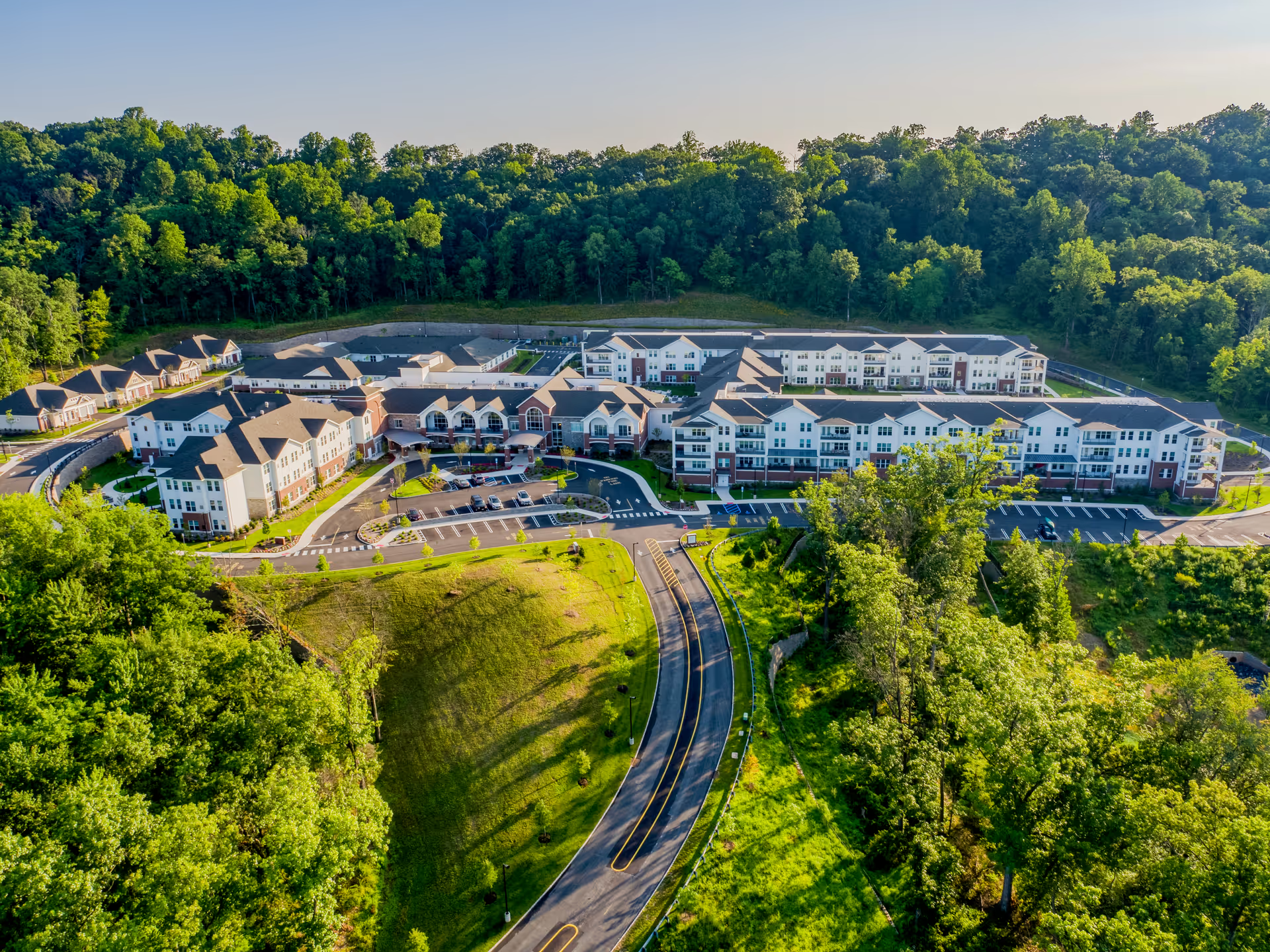
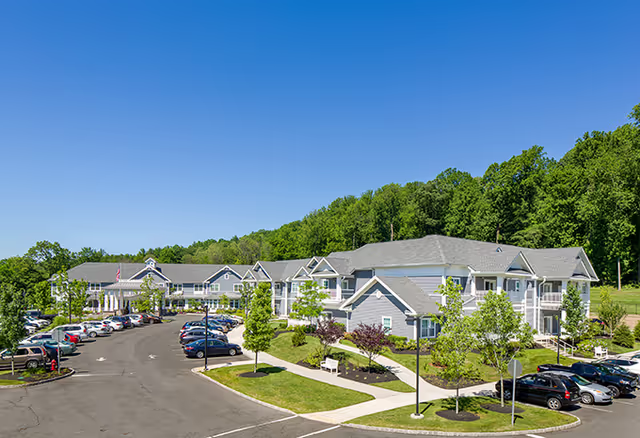
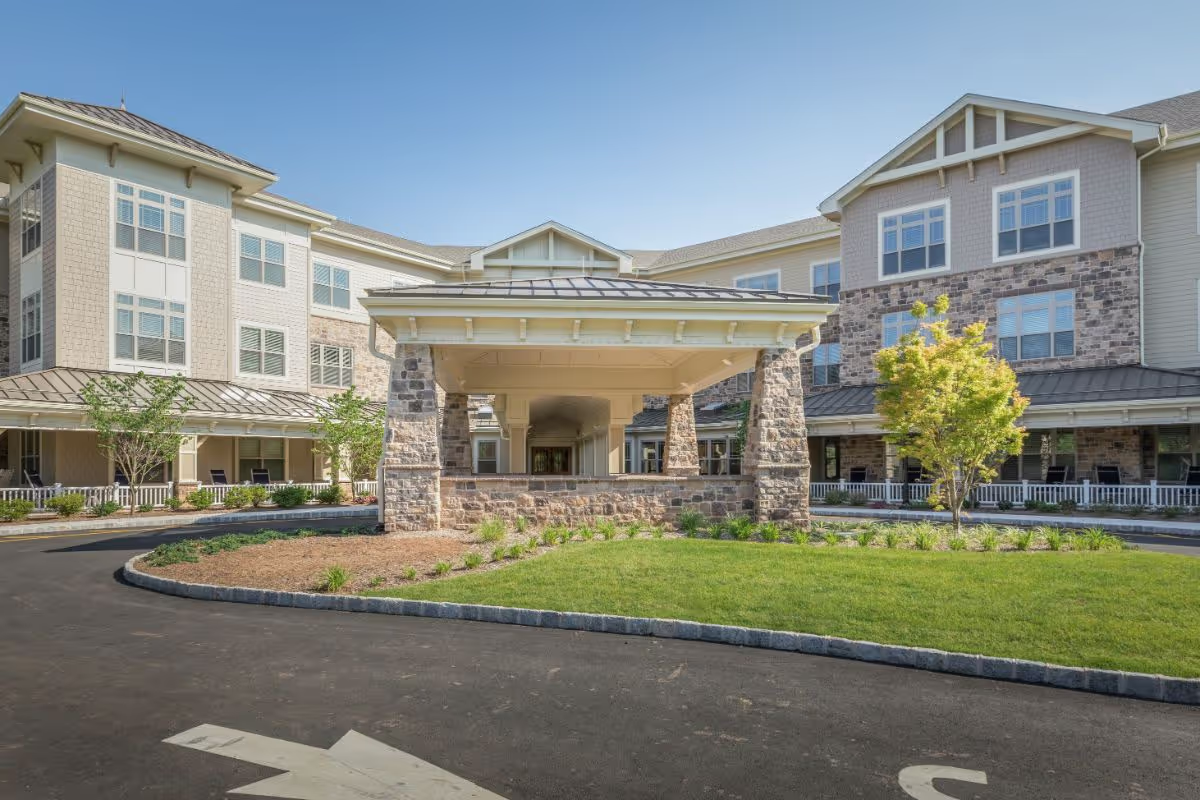
Fellowship Village presents as a large, well-resourced life plan community with many enduring strengths: a scenic 70+ acre campus, ongoing capital improvements (new cultural and health centers, renovated cottages, a theater and modern fitness facilities), and a broad range of on-site amenities. Independent, assisted, and skilled nursing services are co-located, which supports continuity of care and convenient access to rehabilitation, therapy, and medical services. Families and residents frequently commented on the campus setting, spacious customizable residences, and clearly visible investment in facilities and programming.
Staff and clinical care are commonly cited as the community’s strongest asset. Many reviewers describe welcoming, compassionate staff who know residents by name, a strong Life Enrichment program, and long-tenured caregivers that support continuity. The on-site clinical team—therapists, nurses, and an attending physician—receives consistent praise for effective rehabilitation, coordinated transitions from hospital to campus, and proactive infection-prevention practices. Hospice and end-of-life services were also noted as high quality. These strengths contribute to widespread family reassurance and many long-term resident endorsements.
Dining and social life are robust features. The community offers multiple dining venues (formal dining room, bistro, tapas/bar options), a chef-driven menu with nutritional information, and a dense calendar of resident-led clubs, performances, fitness classes, and outings. Reviewers highlight high-quality meals, varied menus, frequent entertainment, and plentiful opportunities for social engagement, which together support an active communal lifestyle.
Despite strong positives, several operational patterns warrant attention. A recurring concern is staffing: reviewers describe periods of understaffing, inconsistent coverage across shifts, and variability in responsiveness to call buttons and urgent requests. Relatedly, families described gaps in certain clinical processes—specifically device or medication management and delayed responses during clinical incidents—which point to weaknesses in incident response protocols and shift-level consistency. Cleanliness and housekeeping standards are generally praised for public spaces, but a minority of comments indicate sanitation or room-maintenance lapses in resident rooms that suggest uneven execution of routine housekeeping.
Management and business practices show mixed impressions. Many reviewers commend proactive leadership, good communication from particular administrators, and well-coordinated admissions. However, others describe variability following leadership changes, unclear supplemental fee policies, and problems with billing or delayed reimbursements. A subset of comments raised allegations about complaint handling and review suppression; these are serious perception issues and suggest that prospective families should probe grievance and transparency processes during their tour and contract review.
Recommendation: Fellowship Village offers many of the hallmark strengths expected of a large, well-funded life plan community—comprehensive on-site care, extensive programming, appealing dining, and a scenic campus. Prospective residents and families should validate operational consistency during visits by asking about staffing ratios by unit and shift, incident-response protocols, housekeeping schedules for private rooms, and written fee and refund policies. Requesting recent quality metrics, examples of clinical staffing plans, and documentation of grievance processes will help ensure that the community’s substantial amenities and clinical resources align with an individual resident’s support needs.