The reviews for Runnells Center for Rehabilitation and Healthcare describe a facility with notable strengths in rehabilitation and specialized clinical services, paired with recurrent operational weaknesses that affect the patient and family experience. Many families highlight the rehabilitation teams (PT/OT) as highly skilled and effective at restoring independence, and several accounts praise wound-care clinicians and proficiency with wound-vac treatment. Multiple reviewers also described individual nurses, CNAs, therapists, and some administrators as compassionate, responsive, and willing to personalize care or accommodate requests.
At the same time, a pattern of variability emerges across clinical and support services. Nursing responsiveness and overnight coverage are commonly cited as inconsistent; reviewers described long call-bell response times and delays in medication or repositioning. There are recurring concerns about medication-administration controls and coordination among physicians, nurses, and therapy staff. A subset of reviews raised serious clinical concerns, including delayed wound redressing and medication errors, and some families expressed concerns following a resident's death. These are significant items to verify when evaluating clinical governance and incident response protocols.
Sanitation, housekeeping, and food service also showed mixed performance. While some guests described clean, hotel-like rooms and nutritious, well-prepared meals, others reported variability in cleanliness of certain units, shortages of linens and supplies, odor concerns in common areas, and inconsistencies in meal quality and weekend kitchen responsiveness. Reviewers also reported debris and personal items found under beds and uneven bathing or oral-care schedules; these point to inconsistencies in daily care processes rather than a uniformly poor environment.
Management, communication, and operational issues appear to drive many family frustrations. Families noted problems with admission paperwork, abrupt policy or phone-system changes, unclear billing/benefits handling, limited transparency from administration, and occasional maintenance issues such as doors that do not close properly or unplowed parking. High staff turnover and morale issues were described in multiple accounts, which can exacerbate variability in care continuity. There are also remarks about unit-to-unit differences in atmosphere and standards; families recommended touring multiple floors and observing shift changes.
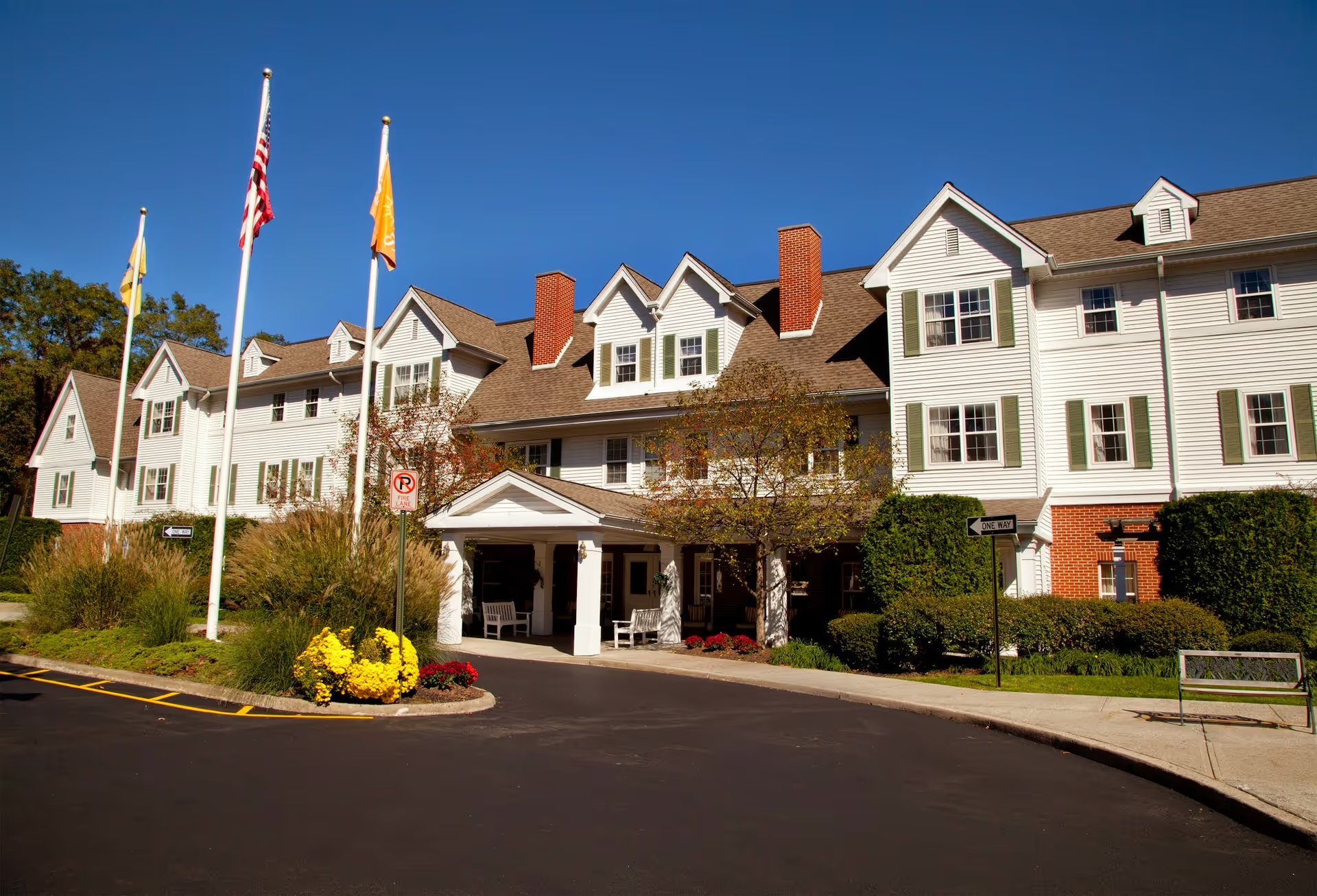
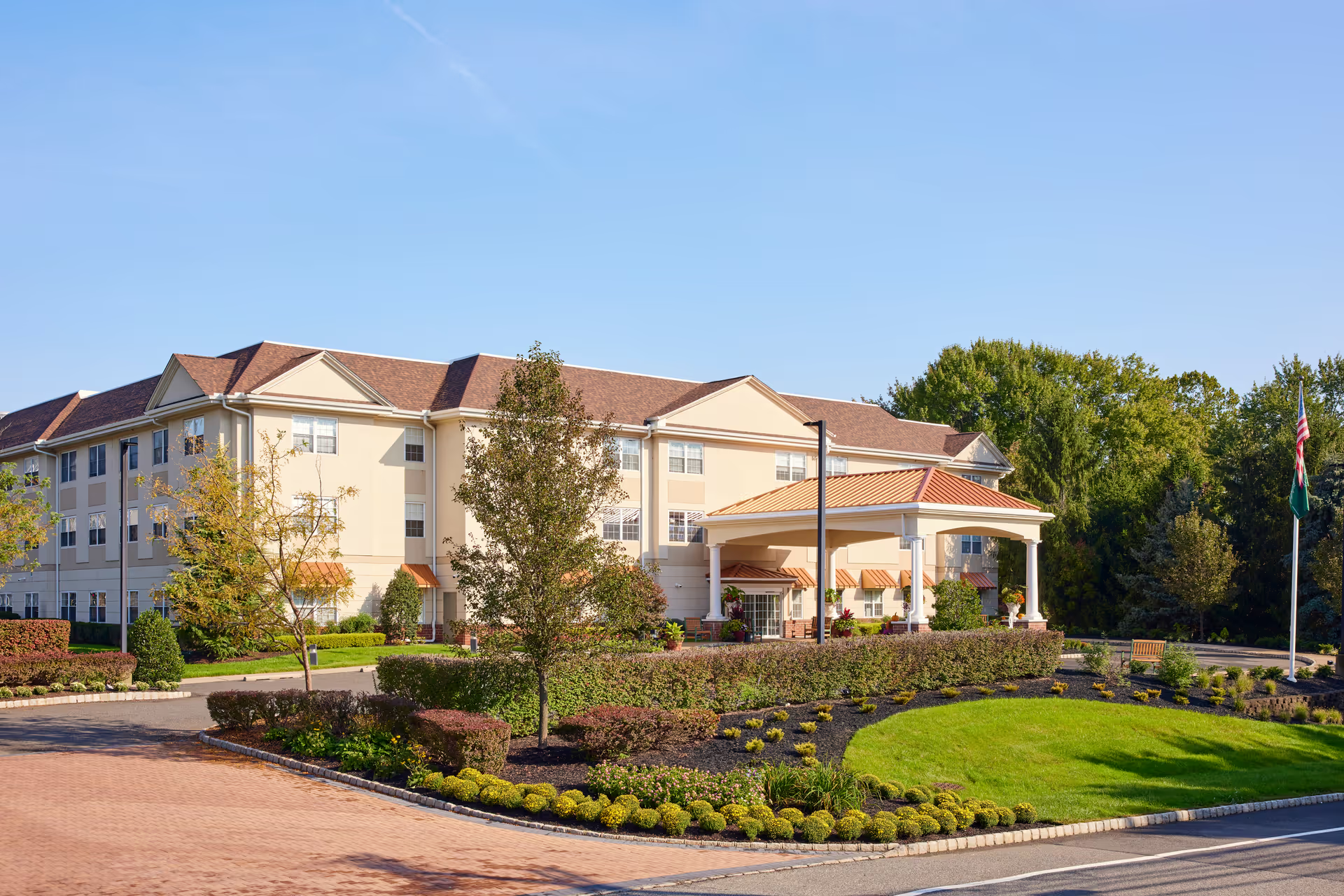
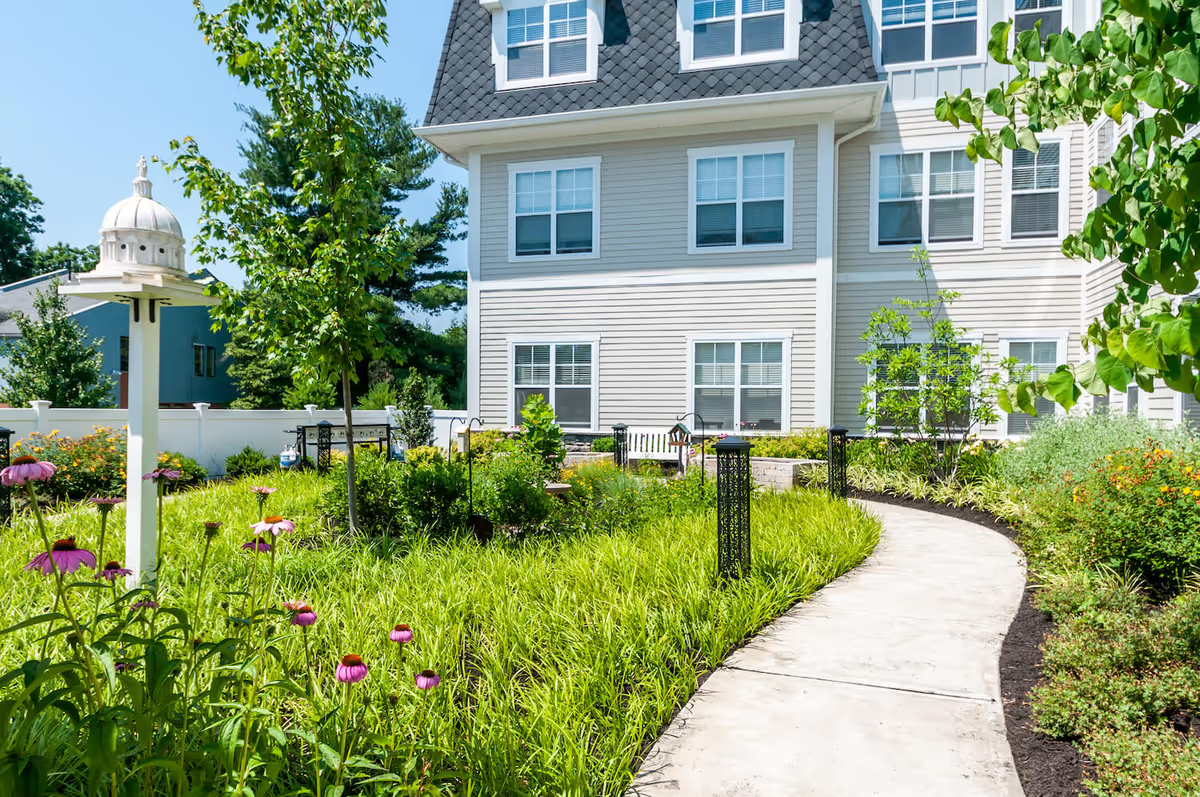
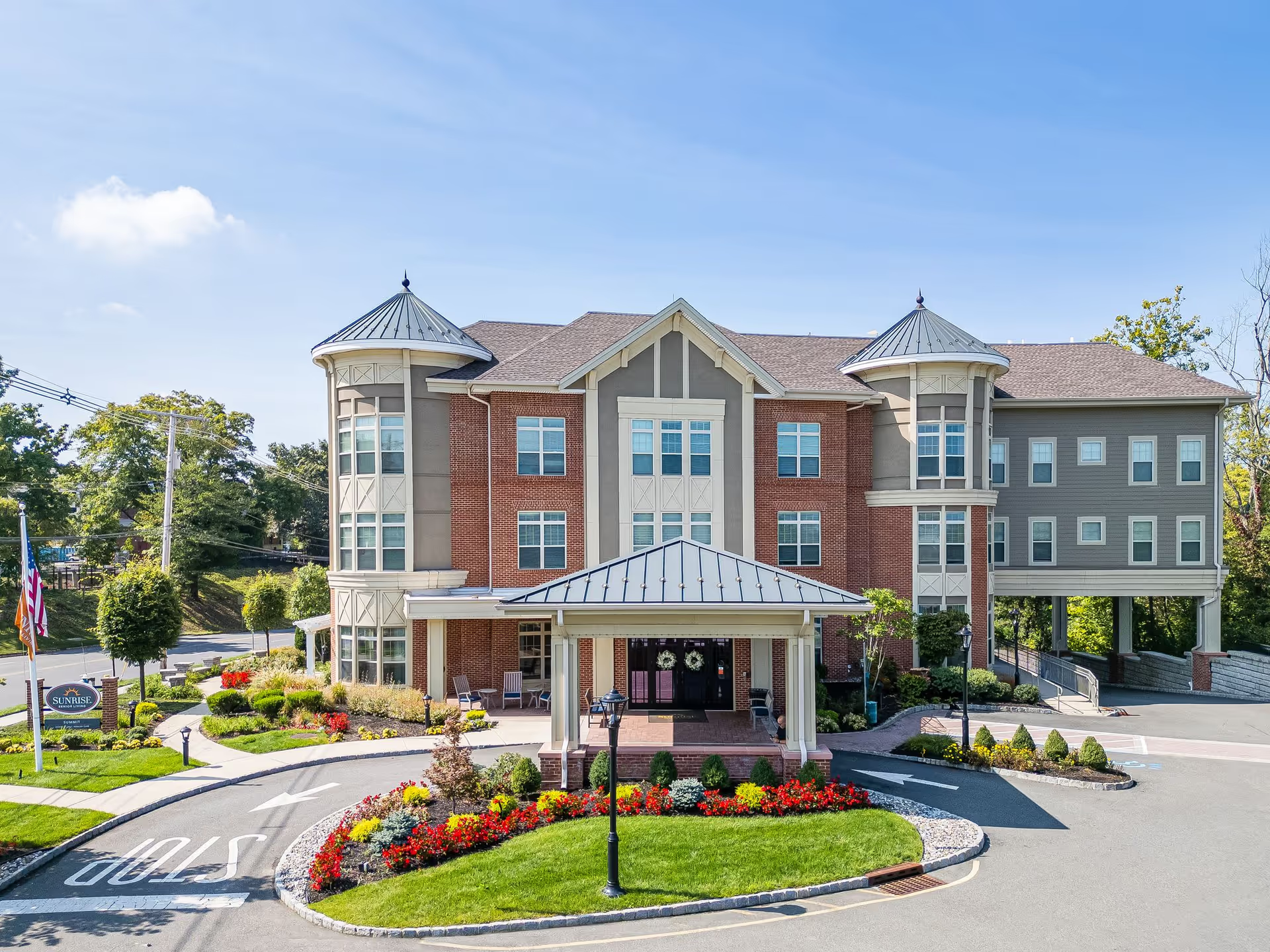
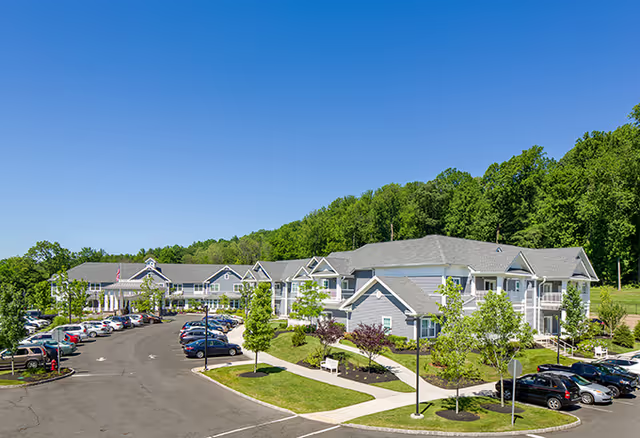
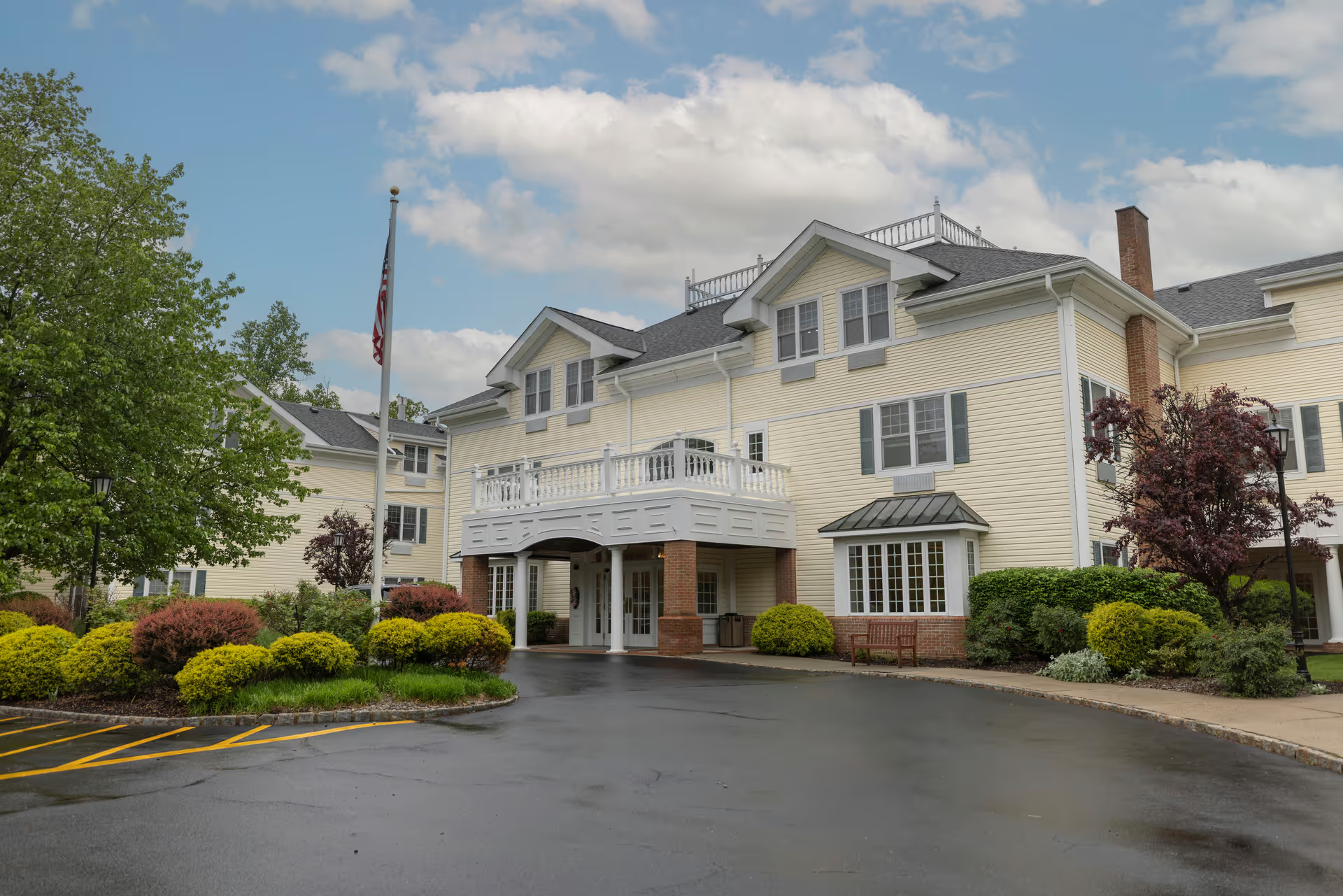
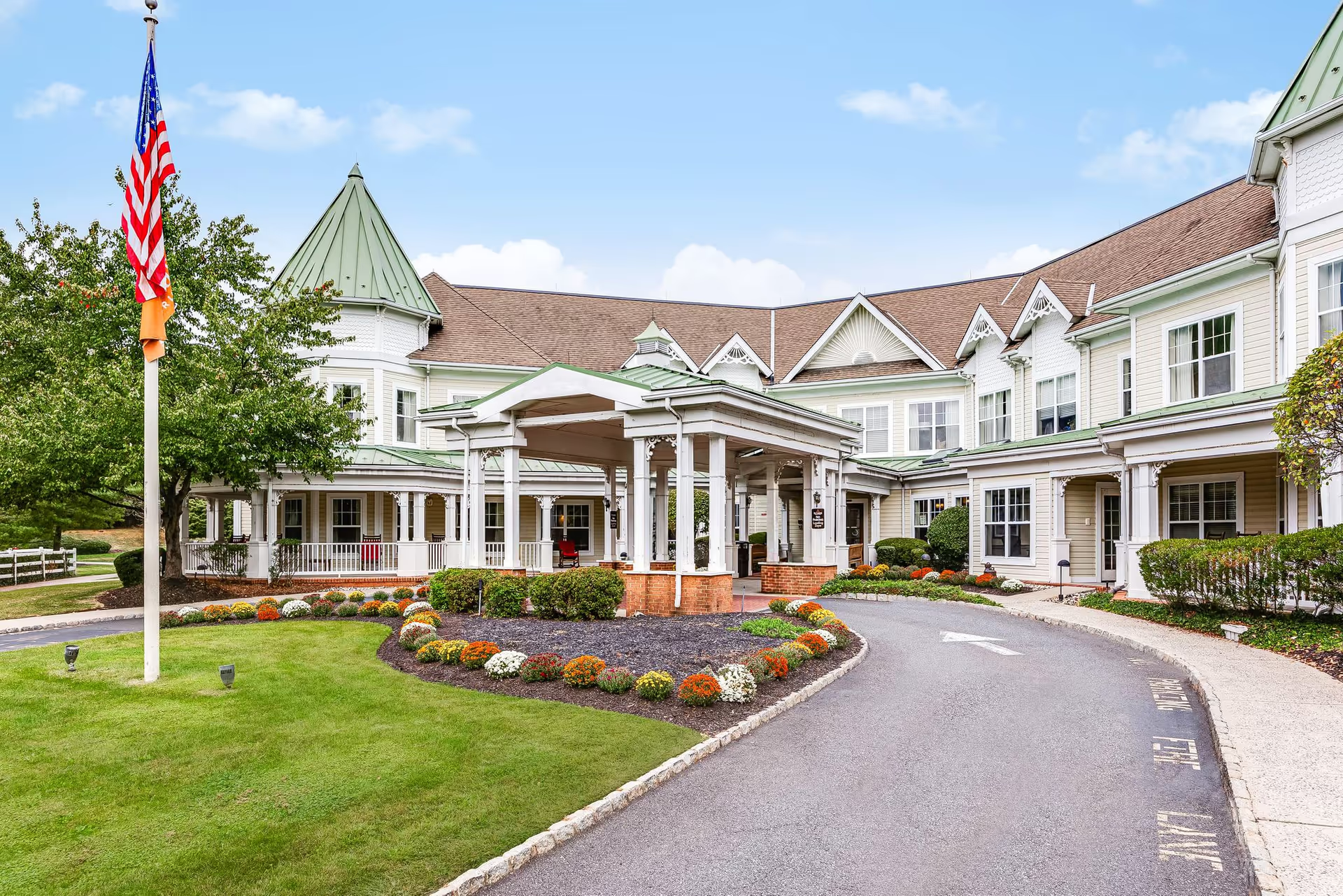
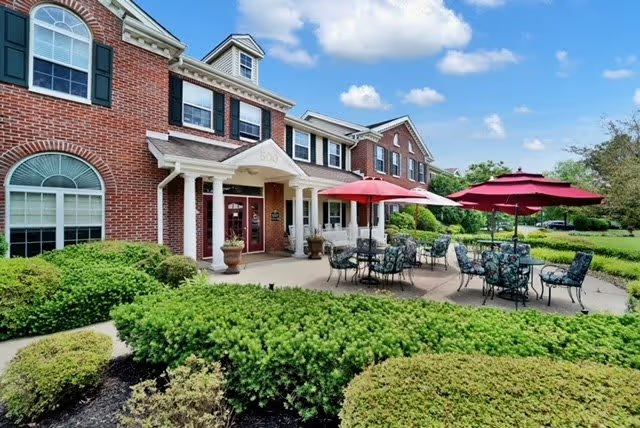
Facilities and programming receive several positive comments: modernized spaces, large common rooms, therapeutic programming focused on coping and community reintegration, and helpful reception staff. However, reviewers recommended specific pre-admission checks: inquire about staffing ratios by shift, medication-safety policies, wound-care protocols, how dementia care is delivered, sanitation and housekeeping schedules, dining options and weekend kitchen coverage, and financial/billing policies. Visiting at different times (day and night) and speaking directly with therapy and nursing leadership can help families assess whether the facility’s strengths align with a prospective resident’s needs.