Fallsview Rehabilitation and Nursing Center elicits strongly polarized impressions. Many reviewers highlight clear strengths: multiple accounts praise compassionate, attentive CNAs and nurses, a strong rehabilitation/therapy program, and an active recreation schedule that keeps residents engaged. The facility’s public areas and grounds are frequently described as clean and well maintained, with an atmosphere that some families call home‑like. Admissions presentations and certain administrators and coordinators receive positive mention for helpful communication and visible leadership.
Clinical care and staffing present a mixed picture. Therapy services and short‑term rehab outcomes are repeatedly cited as a strength; skilled therapists and coordinated rehab teams are commonly praised. At the same time, reviewers identify operational weaknesses that affect day‑to‑day nursing care: inconsistent staffing levels (particularly overnight), delayed responsiveness to call signals, and variability in personal‑care practices. Several comments point to medication management concerns, including stock and documentation issues, and some reviewers raised questions about clinical oversight and staff qualifications. There are also isolated, serious allegations of inadequate emergency response and concerns following a resident’s death that prospective families should investigate directly with facility leadership and regulators.
Dining and activities are generally described positively, with reports of healthy, appealing meals and a variety of programs and celebrations; however, a minority of accounts describe inconsistent food quality or limited activity access. The activities team and recreation staff receive frequent praise for facilitating social engagement and for enabling family connections (for example, assisting with video calls).
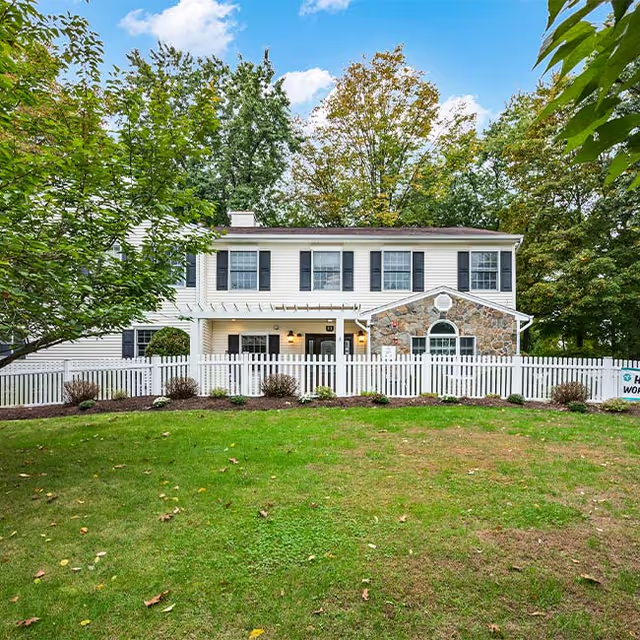
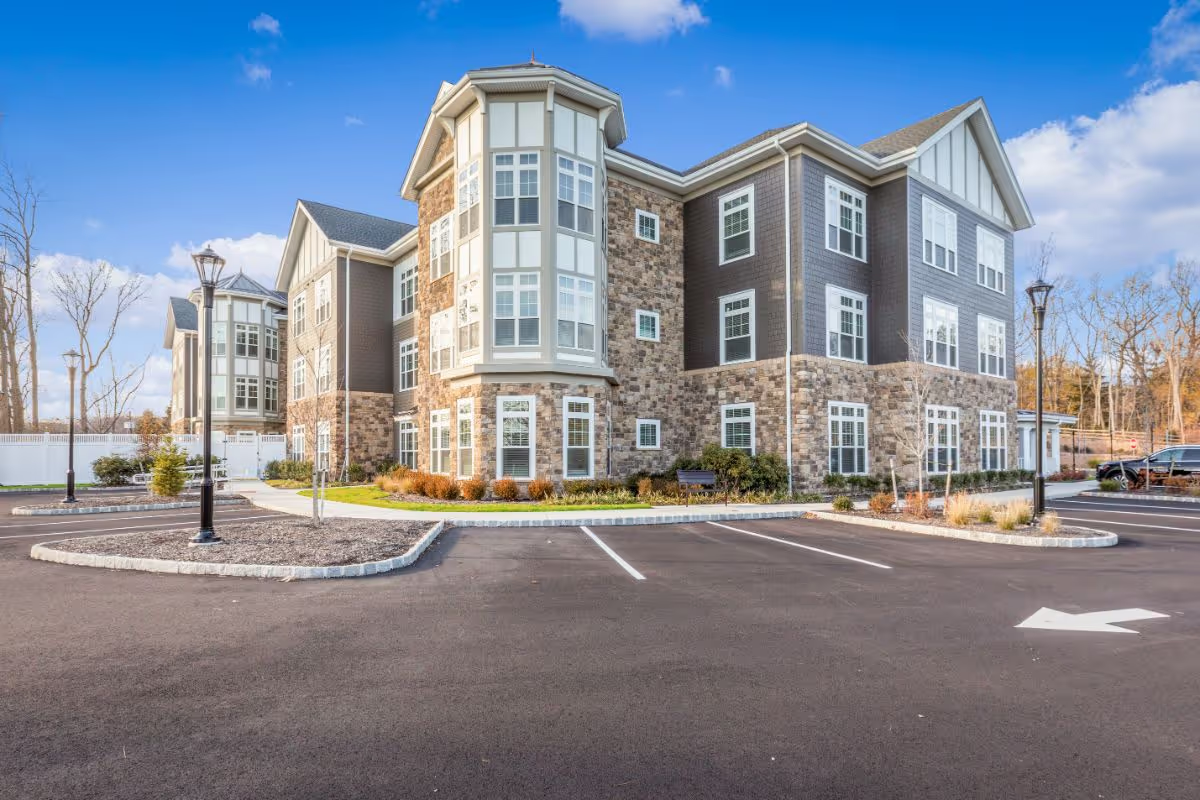
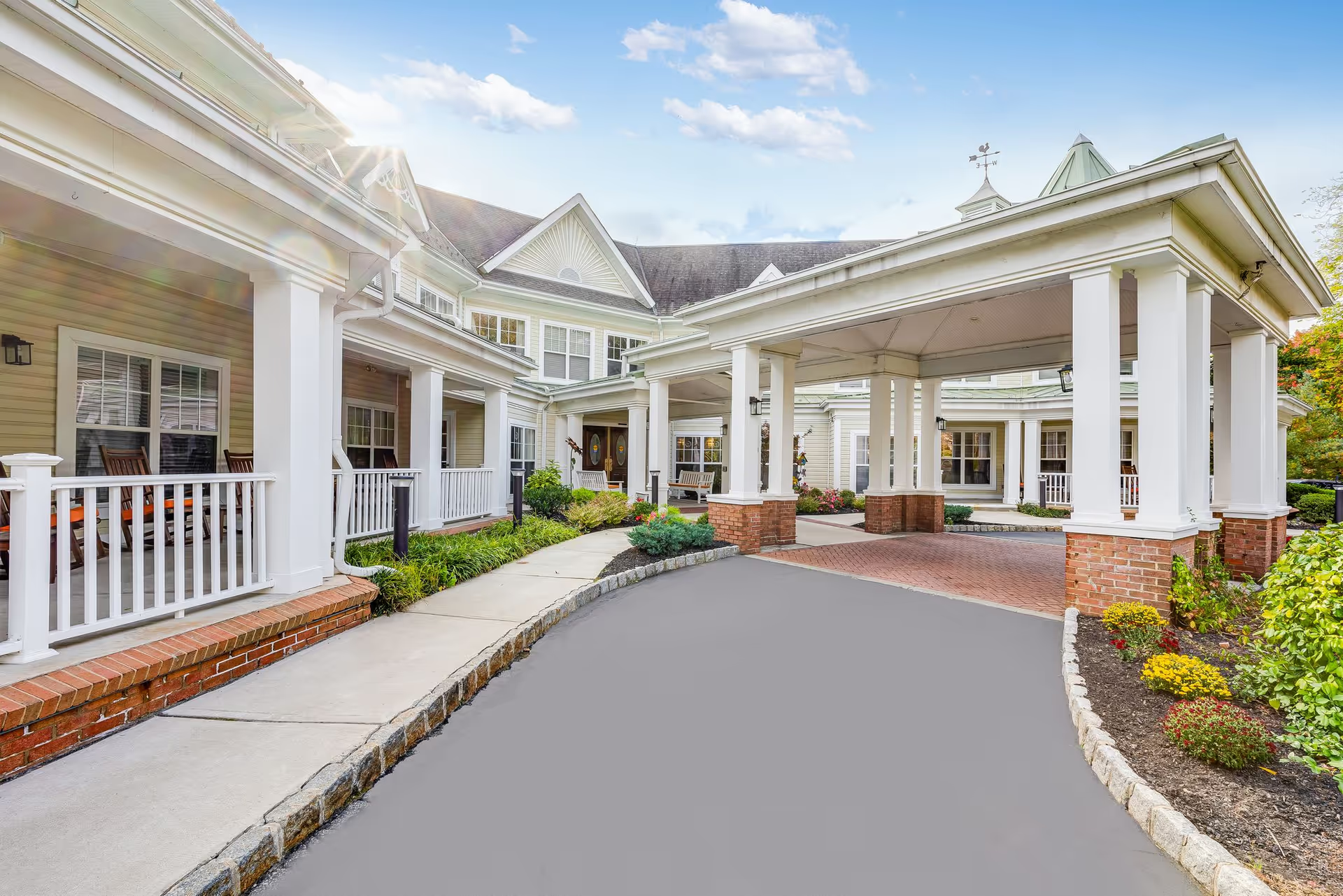
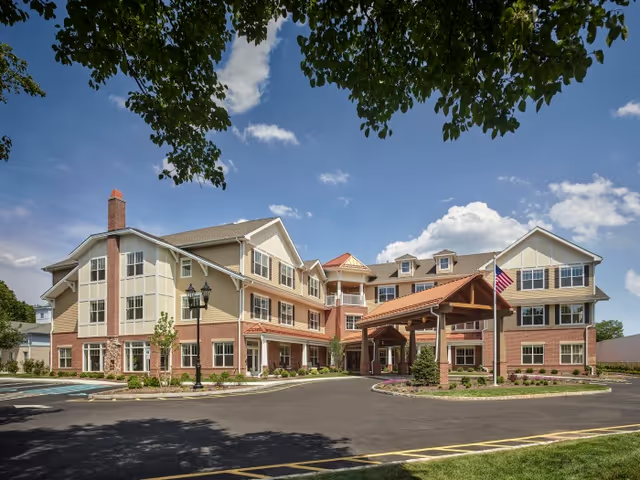
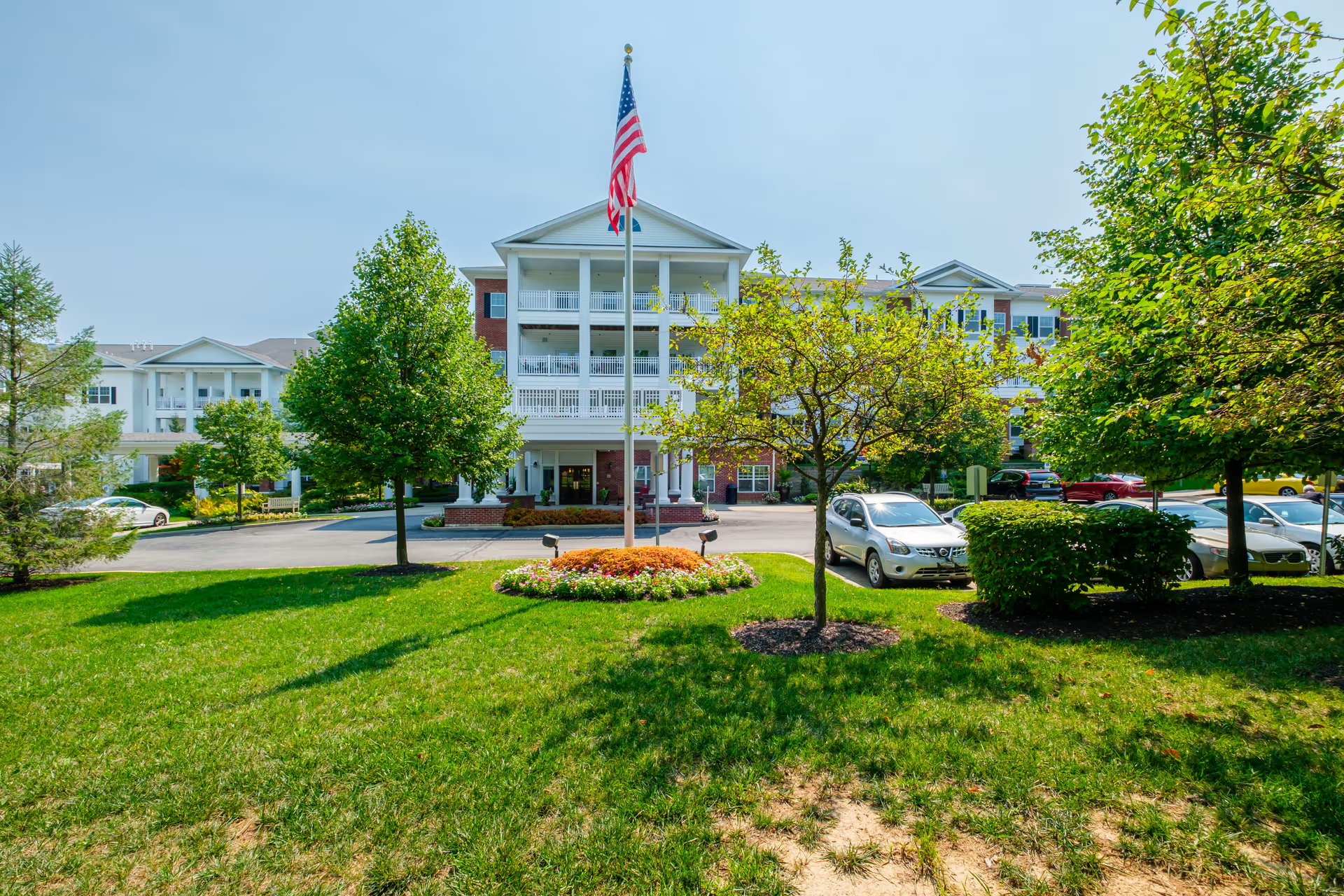
Physical plant and safety observations are similarly mixed. Many reviewers commend the clean appearance, freshly manicured courtyard, and thoughtful common spaces. Conversely, other comments note maintenance issues in parts of the building (worn flooring, holes, and concerns about air circulation or filtration) and occasional safety worries such as unattended residents in public areas or limited front‑desk coverage. These descriptions point to uneven capital‑maintenance and operational oversight across the campus.
Management and organizational culture show a split in perception. Several families applaud visible, caring administrators and effective customer service; others describe frustrations with accountability, billing and contractor payments, and a defensive or unresponsive management tone. Cultural and language dynamics were also raised: some reviewers appreciate multilingual staff and cultural accommodations, while others perceived an overemphasis on particular cultural practices that made them feel less included.
Notable patterns for prospective residents and families: strong rehabilitation services and many individual caregivers deliver compassionate, high‑quality interactions; however, operational variability — especially around staffing levels, night coverage, medication controls, and some maintenance areas — appears to drive divergent experiences. Before making placement decisions, families should request up‑to‑date information on staffing ratios (including night coverage), medication‑management protocols, emergency response procedures, hospice and psychiatric coverage, recent maintenance/upgrades, and examples of how the facility addresses family concerns and billing transparency.