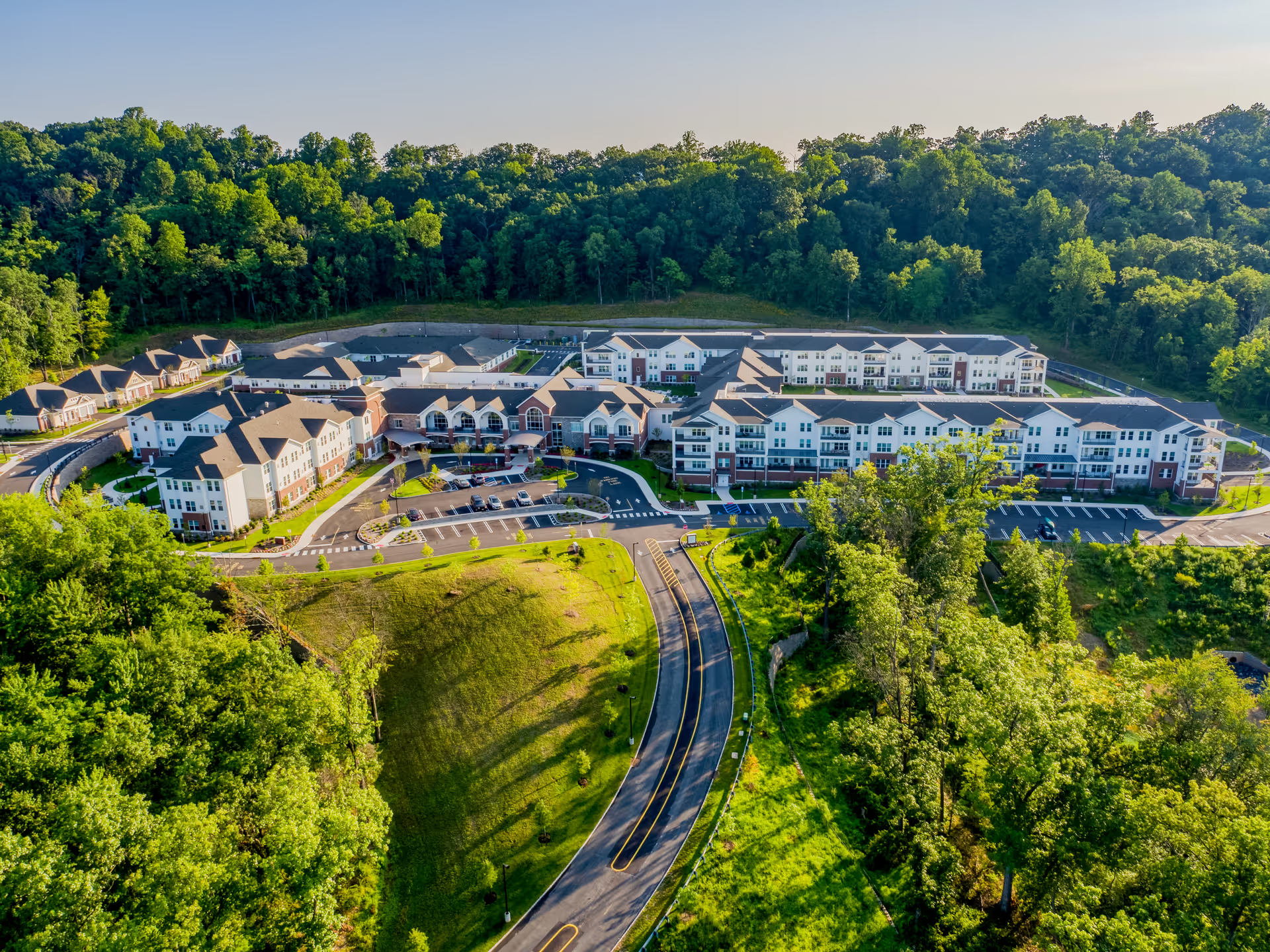
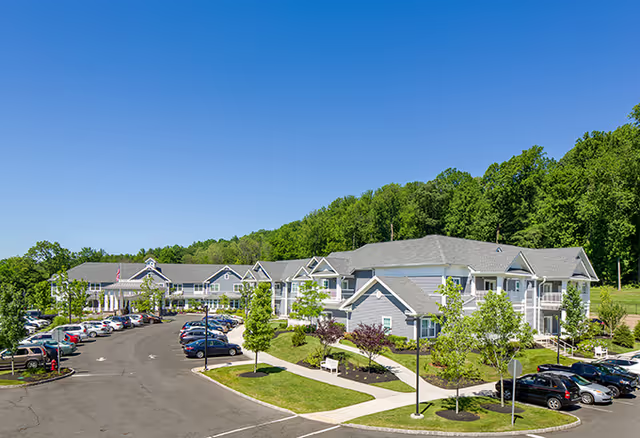
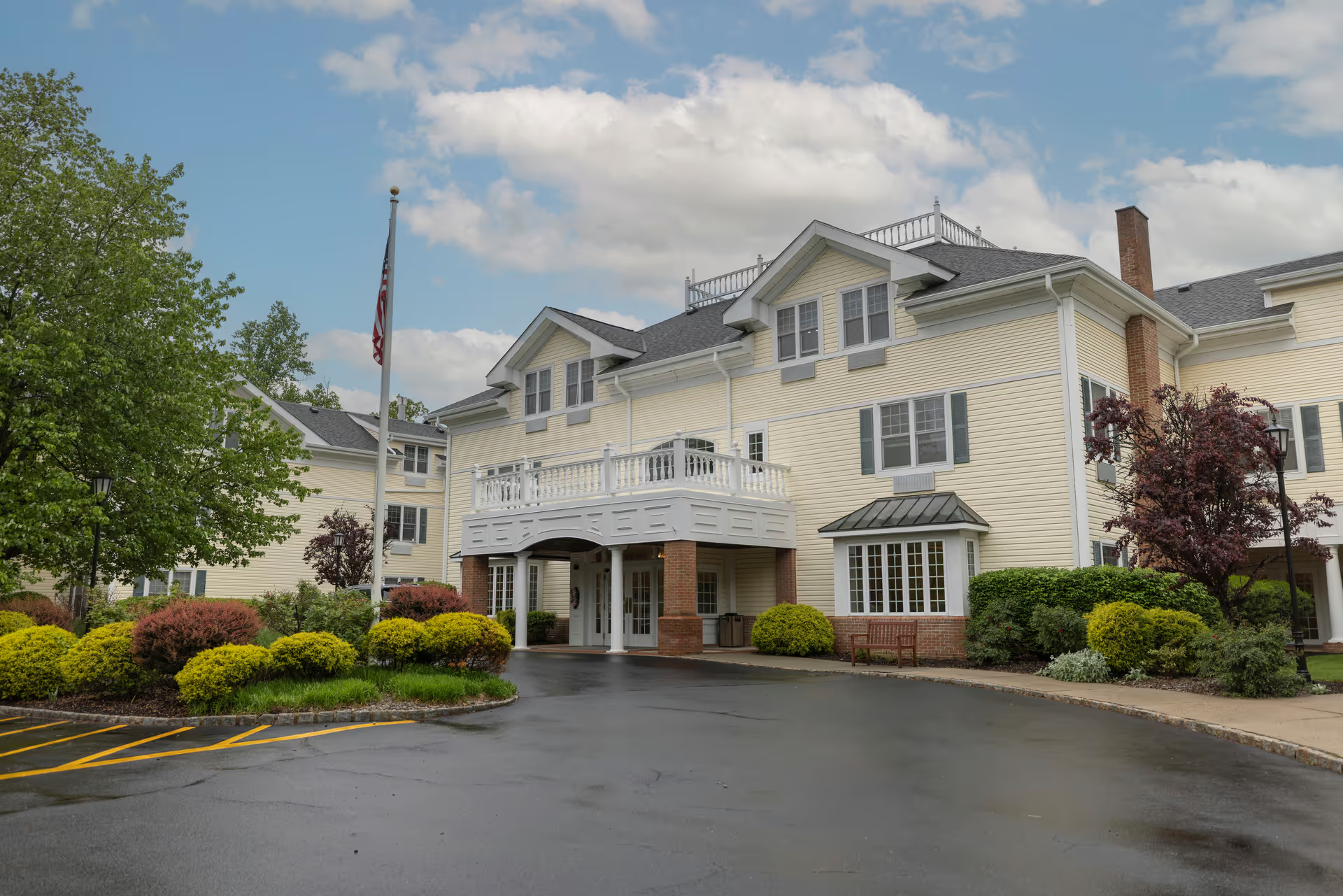
CareOne at Somerset Valley yields sharply mixed impressions across reviewers. A consistent strength is the facility’s rehabilitation capability: many families highlight excellent physical and occupational therapy, often crediting therapy teams with meaningful functional gains. Social-work support and certain clinical staff also receive frequent praise for accessibility and individualized coordination of care. Several reviewers described strong support for complex medical needs (including dialysis coordination) and felt the facility provided attentive hospice and end-of-life services when needed. The building itself and many common areas are described as clean, modern, and easy to navigate, and numerous residents enjoy the activity calendar and social events.
At the same time, there are repeated operational concerns that prospective families should note. Staffing and supervision appear inconsistent: reviewers describe variability between day/weekend and daytime/night staffing, delayed responses to call bells, and periods when aides and nurses were stretched thin. Medication-management problems are a recurrent theme, ranging from missed or incorrect doses to concerns about dosing practices; these suggest weaknesses in medication-administration controls and cross-shift medication reconciliation. Safety processes also draw critique, with several accounts indicating falls and questions about transfer and monitoring practices. Families seeking memory- or dementia-specific placement should exercise caution: some describe the memory-care program as not meeting expected standards for off-site activities, supervision, or dementia-focused programming.
Dining, activities, and environmental maintenance are likewise mixed. Many residents praised the quality and variety of meals and the facility’s ability to accommodate special diets; others reported cold meals, timing problems, or inadequate assistance at mealtimes. Activity offerings range from robust and varied to limited or inconsistent, especially for residents in memory-care units where promised off-site trips and programming were not always delivered. While the facility receives positive comments about cleanliness and a new-appearance building in many reports, a number of reviews cite sanitation and maintenance inconsistencies, pest-control concerns, and lapses in room turnover or housekeeping standards.
Management and administrative practices show divergent experiences. Some families commend proactive administrators, clear communication, and hands-on social workers; others describe misleading admissions promises, aggressive or unclear billing practices (including additional companion fees), lost belongings, and gaps in documentation. There are also isolated but serious allegations about clinical misrepresentation and unsafe conditions that families highlighted to regulators; these underscore the importance of verifying written care plans, medication policies, and contractual fee structures prior to placement.
Overall, the pattern is one of strong clinical rehabilitation potential and dedicated individual staff members contrasted with operational inconsistencies in staffing, medication controls, supervision, and some aspects of housekeeping and billing. Prospective families should weigh the facility’s rehabilitation strengths and named staff accolades against the documented variability in day-to-day caregiving, ask for up-to-date staffing ratios and medication-safety protocols, clarify memory-care programming and extra-fee arrangements in writing, and perform an in-person assessment of cleanliness, mealtime processes, and emergency response procedures before making placement decisions.