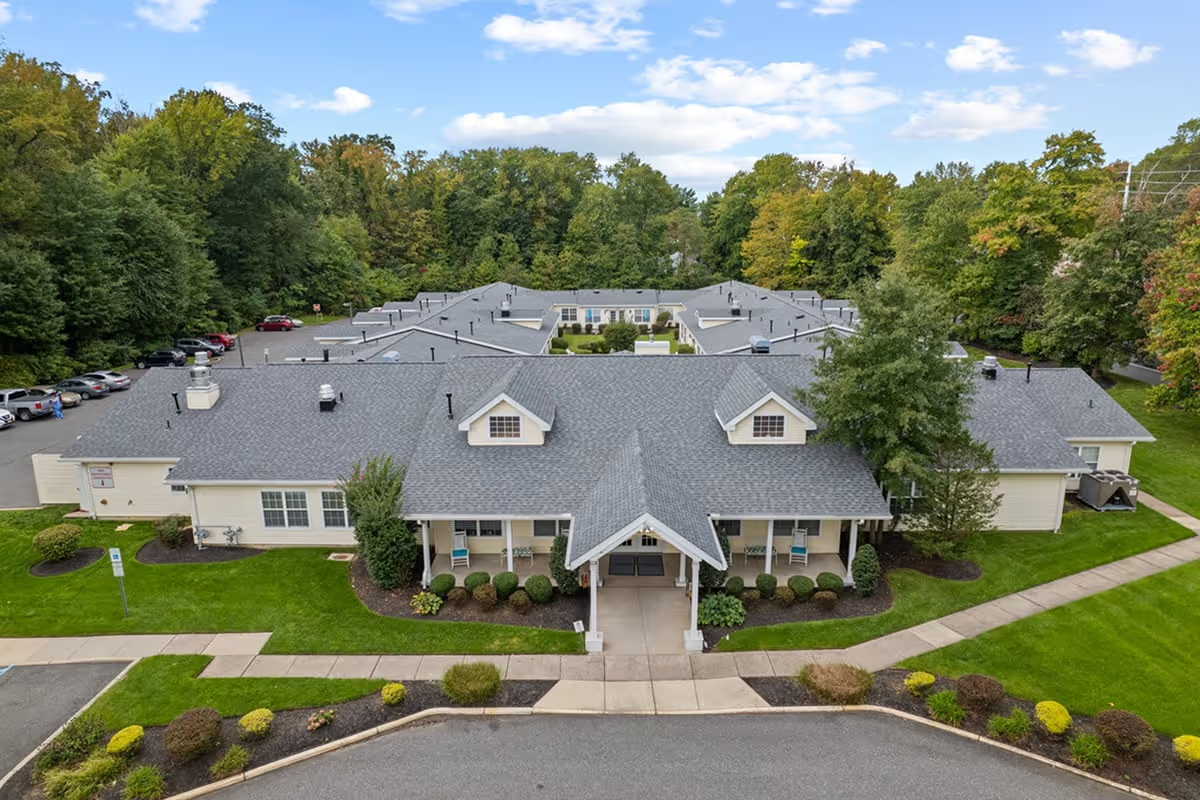
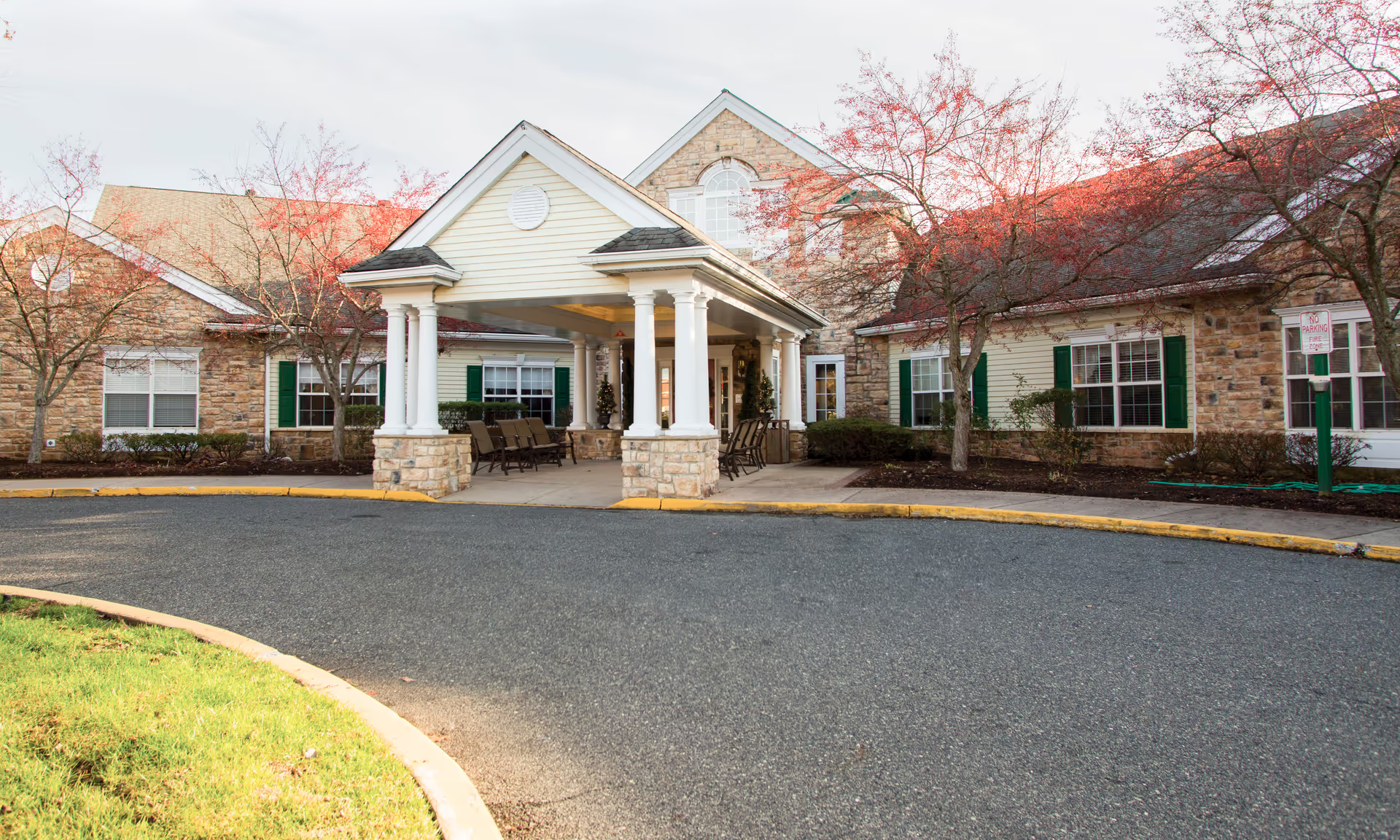
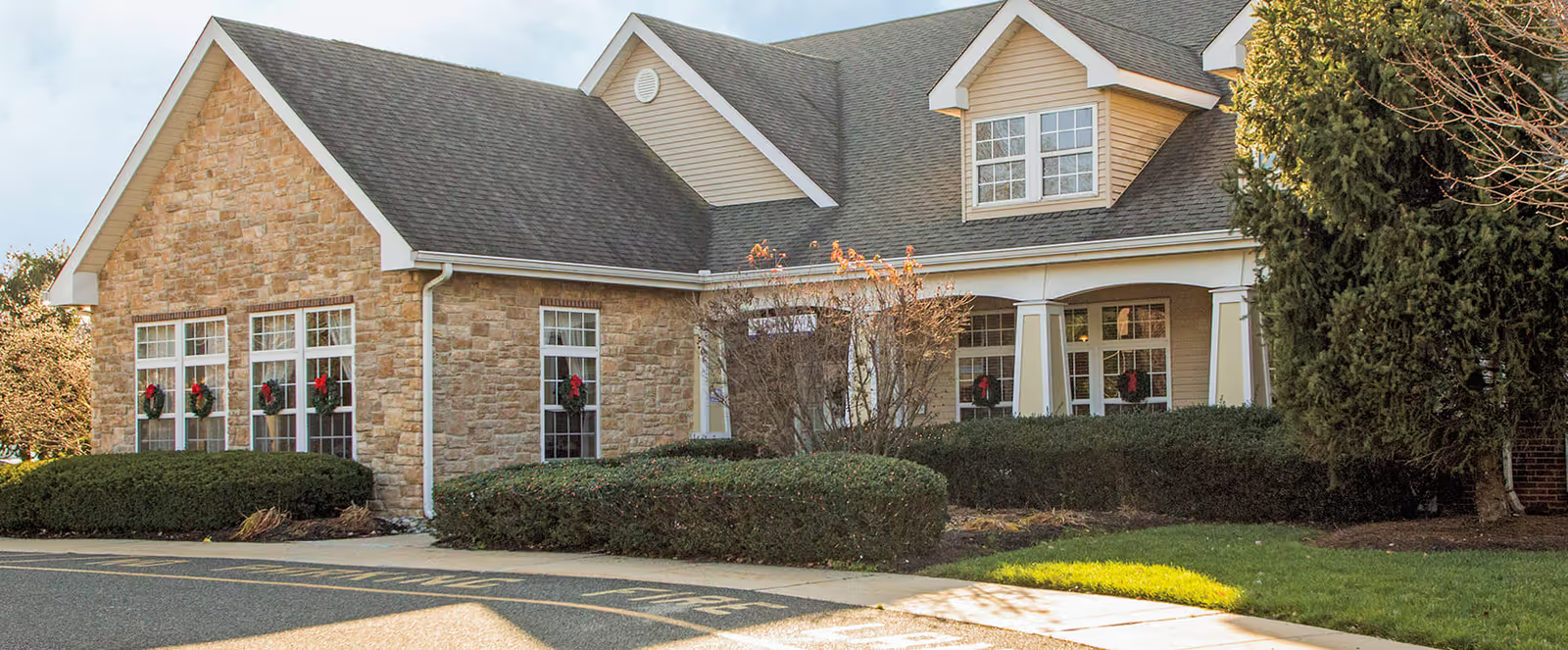
Complete Care at Burlington Woods elicits strongly polarized impressions. Many reviewers praise the direct care teams, therapy departments, and certain leaders for compassionate, hands‑on care and effective rehabilitation. Strengths consistently noted include robust physical/occupational/speech therapy services, onsite dialysis capability, engaged admissions and front‑desk staff, active programming for residents, and renovated common areas and short‑term units that support recovery-oriented stays.
At the same time, reviewers identify recurring operational weaknesses that affect clinical reliability and family confidence. Staffing variability and a reliance on agency personnel were described as drivers of inconsistent care quality across different shifts and wings. Specific clinical process gaps cited include inconsistent medication administration, incomplete clinical documentation, and failures in routine monitoring or follow‑up after hospital transfers. Several families called attention to lapses in discharge communication and delays obtaining necessary outpatient appointments or paperwork, creating medication gaps and coordination challenges.
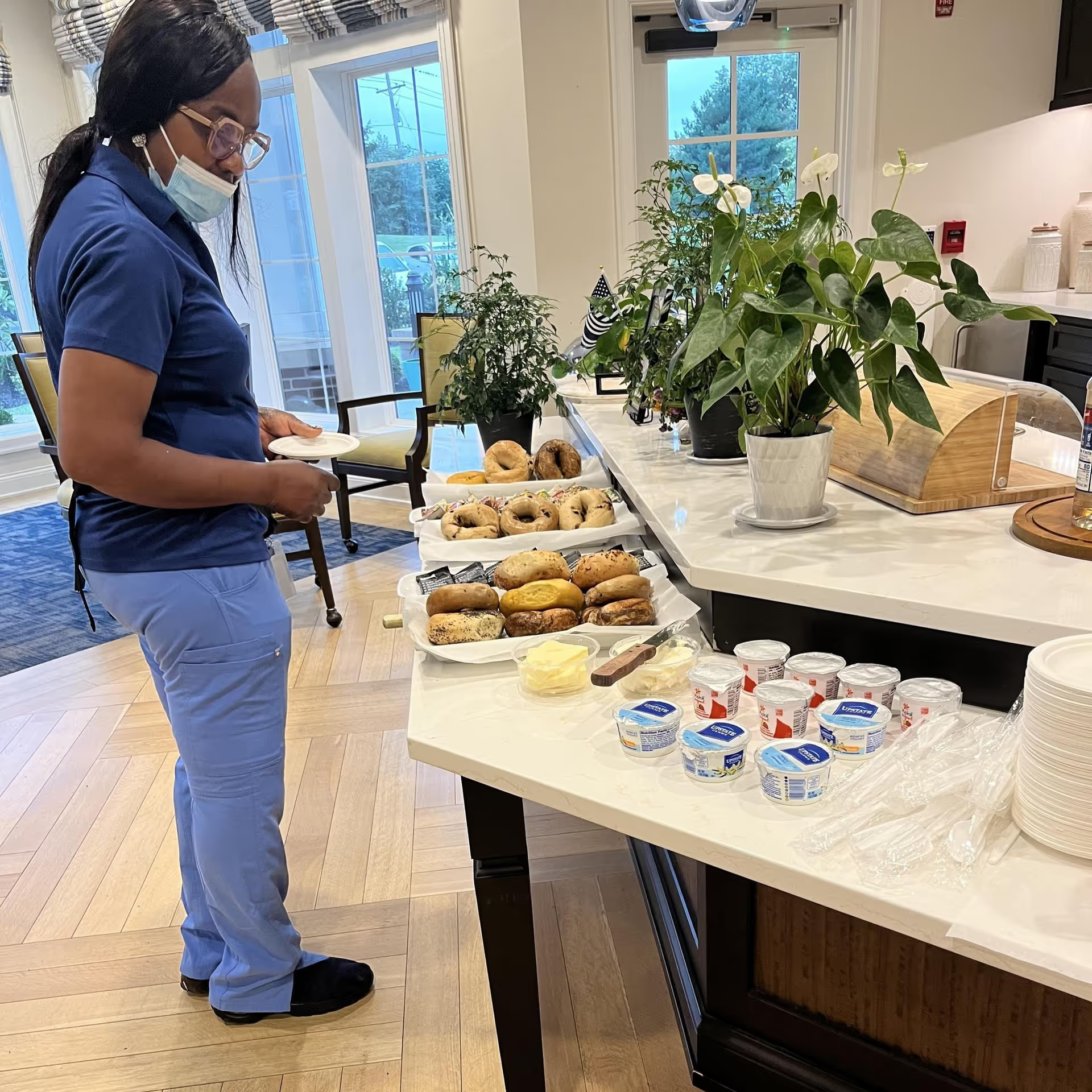
Dining, housekeeping, and the physical environment are areas of mixed performance. Some wings and common areas are described as clean and recently updated, while other areas show uneven maintenance and sanitation concerns, including localized odor issues and shortages of linens or supplies. Meal service was a frequent source of dissatisfaction for some families — notes include cold plates, limited choices, small portions, and inconsistencies between posted menus and delivered meals — although other reviewers praised the dietitian engagement and nutritious options on certain units.
Management and communication present a similarly mixed picture. Several families singled out specific managers and nurse leaders for accessible, hands‑on leadership and effective problem resolution; others experienced limited responsiveness from administrative channels and unresolved billing or bed‑hold disputes. There are also a small number of serious individual claims — including allegations of theft and descriptions of poor clinical outcomes — that families flagged as concerning; these underscore the importance of robust incident follow‑up and transparent communication.
For prospective residents and families: the facility offers clear clinical assets (rehab services, dialysis, and caring staff) but exhibits variability in operational consistency. When evaluating placement, consider touring multiple wings at different times of day, asking for staffing‑ratio and agency‑use policies, reviewing recent maintenance and sanitation protocols, requesting sample menus and meal‑service procedures, and obtaining written discharge and medication‑reconciliation processes. Ask for clarification on billing and bed‑hold policies and request names and contact paths for escalation. These steps can help align expectations with the facility’s areas of strength while identifying potential operational risks to monitor during a stay.